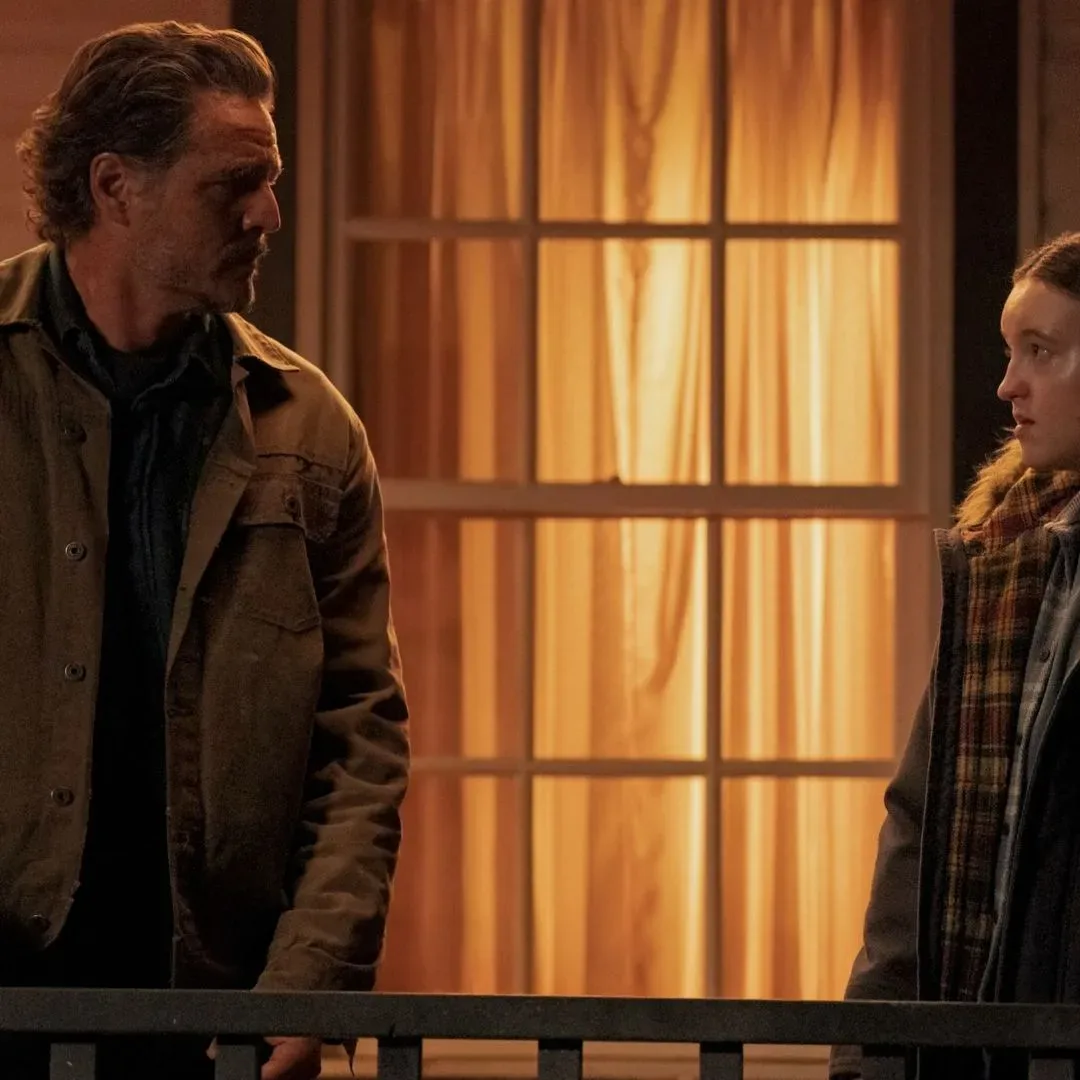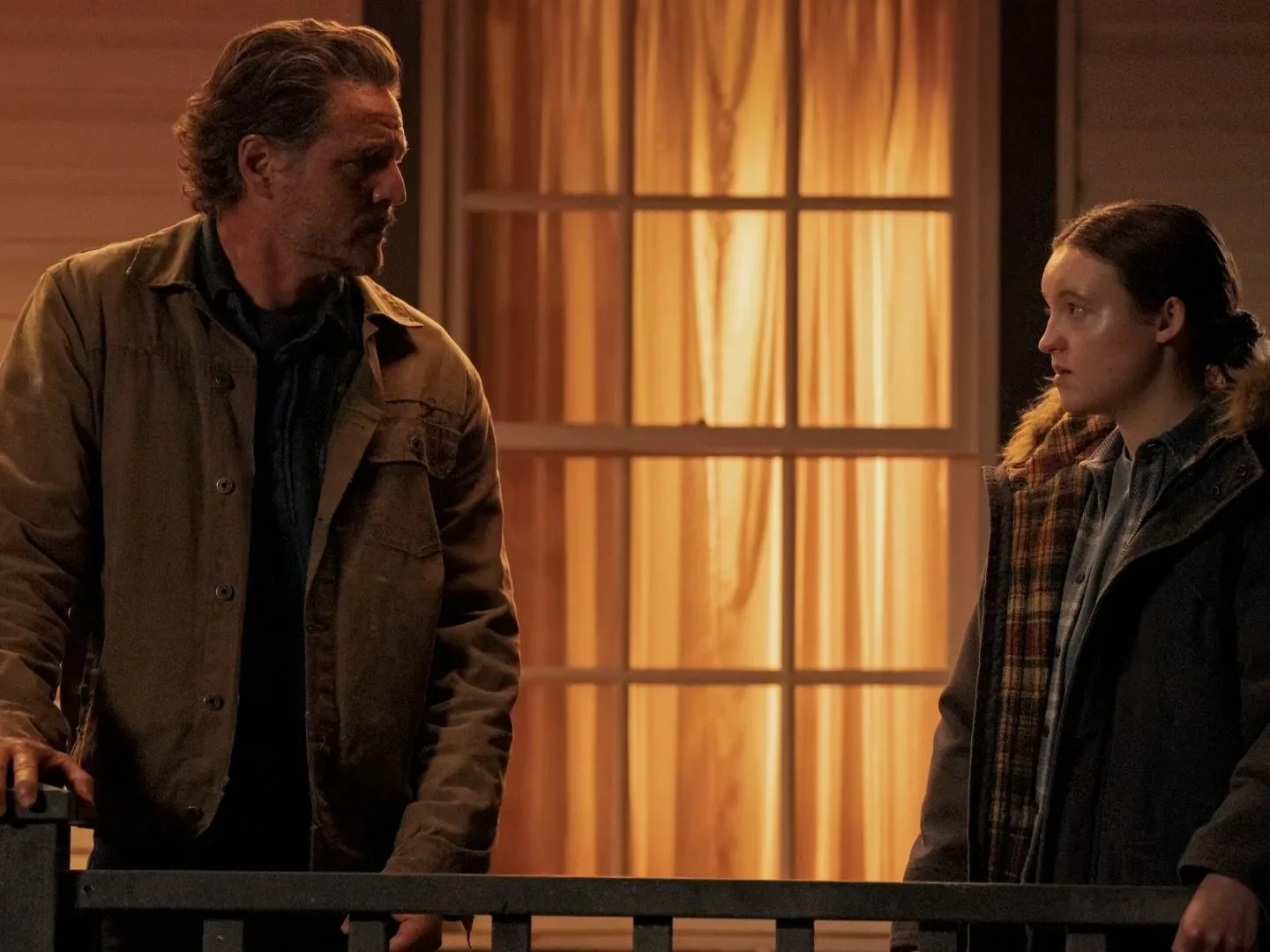
The Last of Us may be approaching its television end point sooner than some viewers expected. Casey Bloys has indicated that he believes showrunner Craig Mazin has planned season 3 as the HBO drama’s final season. The wording leaves a little room for uncertainty, but it is the clearest public indication yet that the adaptation could conclude with its next chapter.
Asked whether season 3 would be the last, Bloys said:
“I think Craig has planned it as the final season.”
That is not quite the same as a formal, detailed confirmation of an ending plan. “I think” matters, especially in an industry where episode orders, schedules and production plans can change. Still, Bloys is speaking about the direction he understands Mazin to have mapped out, rather than merely repeating fan speculation. For now, the sensible reading is that season 3 may be intended as the final season, while viewers wait for a more definitive statement on its length and conclusion.
What has been established about season 3
Season 3 is expected to premiere on HBO in 2027. Beyond that broad timing, the supplied information does not establish an episode count, a release date, or how much of The Last of Us Part 2 the season will cover.
For more context, explore Cinelease Acquires Quixote Grip and Lighting Assets as Quixote Narrows to Transportation.
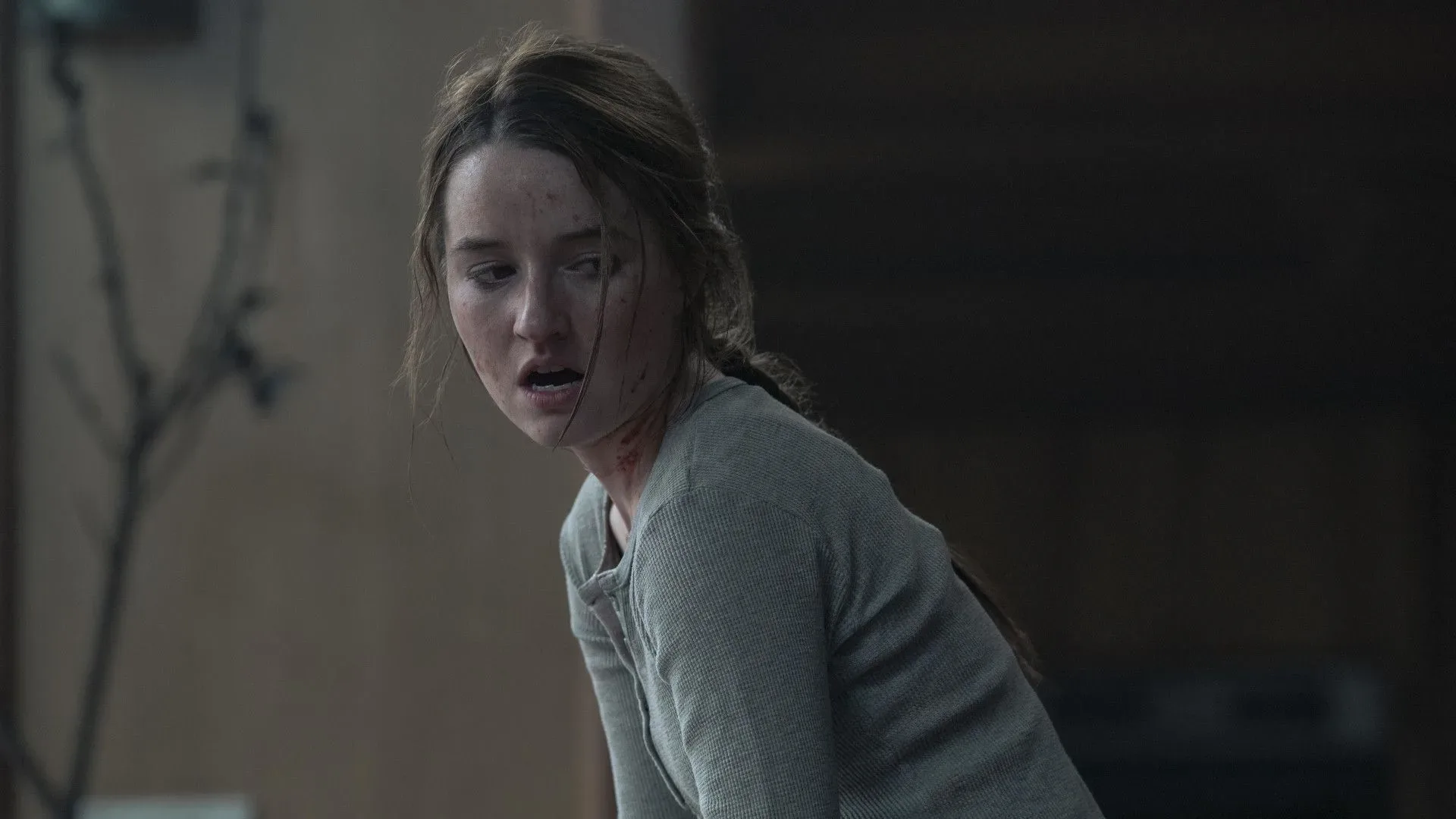
Its narrative focus is clearer. The first season adapted the story of the original The Last of Us game across nine hour-long episodes. Season 2 then adapted only one half of The Last of Us Part 2, following Ellie’s side of the game’s story. Season 3 is set to shift the adaptation’s attention to Abby’s half.
That arrangement is important context for the question of whether a third season can truly finish the series. The game’s structure is built around two substantial perspectives, rather than a simple continuation that can be neatly divided into interchangeable blocks. HBO and the creative team have already chosen to give Ellie’s portion room in season 2 and Abby’s portion room in season 3. A decision to stop after the latter would therefore put considerable weight on how the remaining material is organized.
Why a fourth season has seemed plausible
A fourth season had appeared to be a logical possibility because the final stretch of The Last of Us Part 2 occurs later in the story and returns to Ellie’s life with Dina before the conflict between Ellie and Abby reaches its climactic confrontation. Separating Abby’s story into its own season may give that perspective dedicated space, but it also raises the practical storytelling question of where that later material fits.
There are several broad possibilities, none confirmed. Season 3 could encompass Abby’s story and the remaining later-game events. It could build toward an extended finale that resolves the adaptation’s major character arcs in one season. Or its structure could ultimately change if the plan evolves. What Bloys’ comment does not provide is a scene-by-scene roadmap, a promise of a supersized finale, or confirmation that every remaining plot beat will receive a particular amount of screen time.
That distinction is especially worth making for a game adaptation. A television season is not automatically equivalent to one game chapter, and a game’s chronology does not dictate the show’s episode breaks. Season 1’s nine hour-long episodes and season 2’s decision to cover only part of the sequel show that the adaptation has already treated pacing as a creative choice, not a rigid conversion exercise.
Perspective is more than a scheduling issue
For viewers who know the games, the Ellie-to-Abby handoff is one of the defining structural ideas of The Last of Us Part 2. A perspective shift means the audience is asked to follow events through another central character’s experiences and priorities, rather than simply receiving additional plot information about the same protagonist.
The show could, in theory, have alternated those viewpoints episode by episode. Instead, its established season split gives each half a more concentrated run. That can make season 3 feel like a distinct chapter while also making its responsibility larger: it must carry Abby’s side of the story and, if it is indeed the final season, help bring the entire adaptation to a close.
This is why “final season” should not be taken to mean “shortened season” or “rushed ending.” It only describes the potential endpoint of the series. The actual scale of that ending will depend on decisions that have not been publicly detailed, including the number of episodes and how the show combines or separates the sequel’s final events.
How to read the conflicting signals
The latest comment sits alongside an earlier optimistic expectation from composer Jake Staley. After HBO announced season 3, Staley said on The Last of Us: Savage Starlight that there would be “at least two more seasons, no question.” Taken literally, that would point beyond season 3.
The two remarks do not offer the same level of certainty, and they also do not necessarily describe the same thing: one expresses Staley’s expectation, while Bloys describes what he thinks Mazin has planned. The newer comment is notable because it directly addresses whether season 3 is intended to be the final season. It nevertheless remains prudent to call the outcome likely rather than locked until HBO or the creative team provides a direct, unambiguous final-season announcement.
For a concise overview of the same developing report, readers can also see this coverage of season 3’s possible final-season status.
What fans can reasonably expect—and what they cannot assume
- Reasonable expectation: Season 3 is currently expected in 2027 and is expected to focus on Abby’s portion of The Last of Us Part 2.
- Reasonable expectation: Mazin appears to have a plan that Bloys understands as ending with season 3.
- Not confirmed: The exact premiere date, episode count, production timetable and detailed adaptation plan.
- Not confirmed: Whether HBO will explicitly market season 3 as the final season, or whether any later change could alter the plan.
- Not safe to assume: That a possible third-season ending means the later parts of the game will be omitted. No such omission has been established.
For now, the biggest takeaway is not that every unanswered adaptation question has been settled. It is that the apparent target has changed from an open-ended continuation to a potential final chapter in 2027. With Ellie’s side already adapted in season 2 and Abby’s story due next, season 3 may have to do the work of both completing a major shift in viewpoint and delivering the conclusion to HBO’s version of The Last of Us.