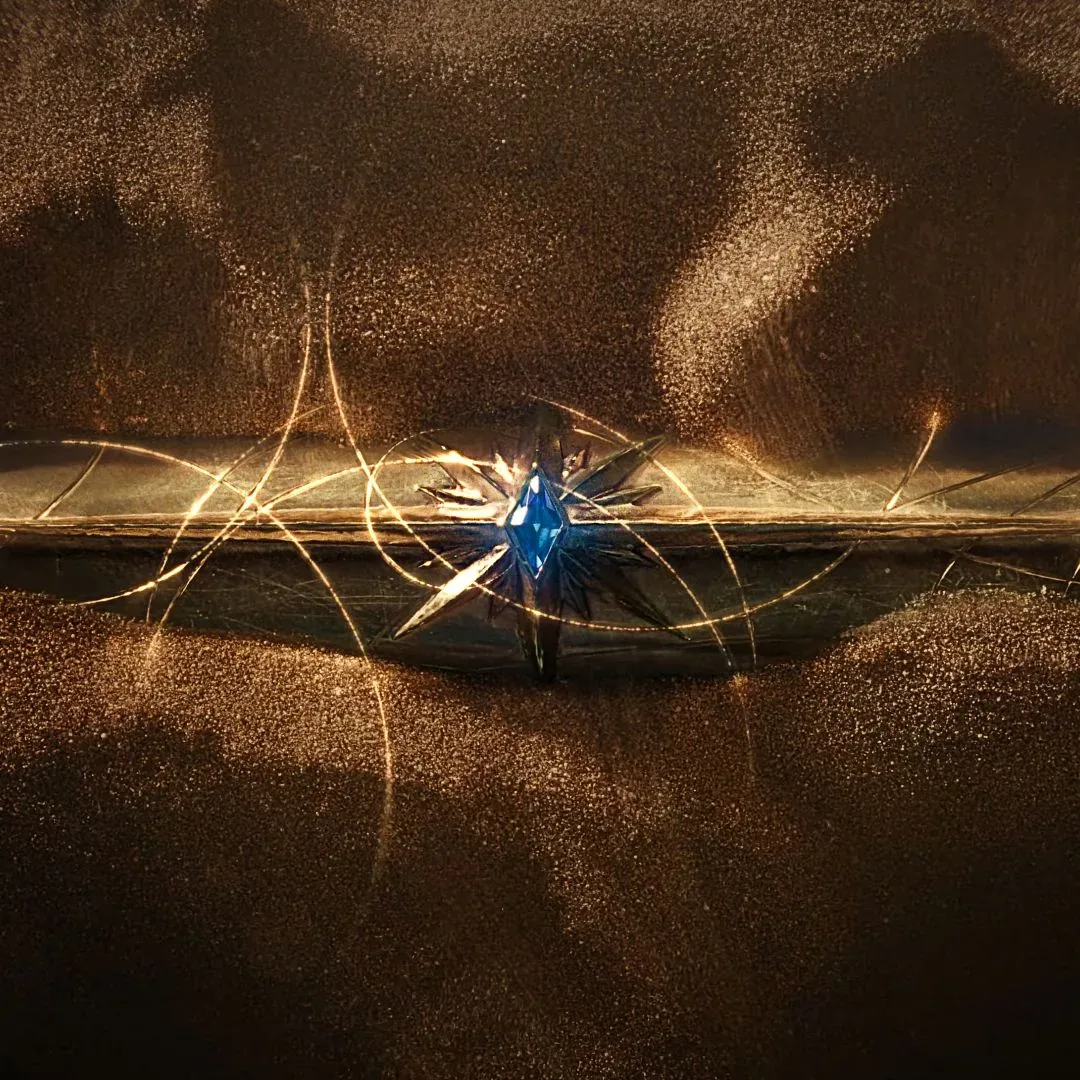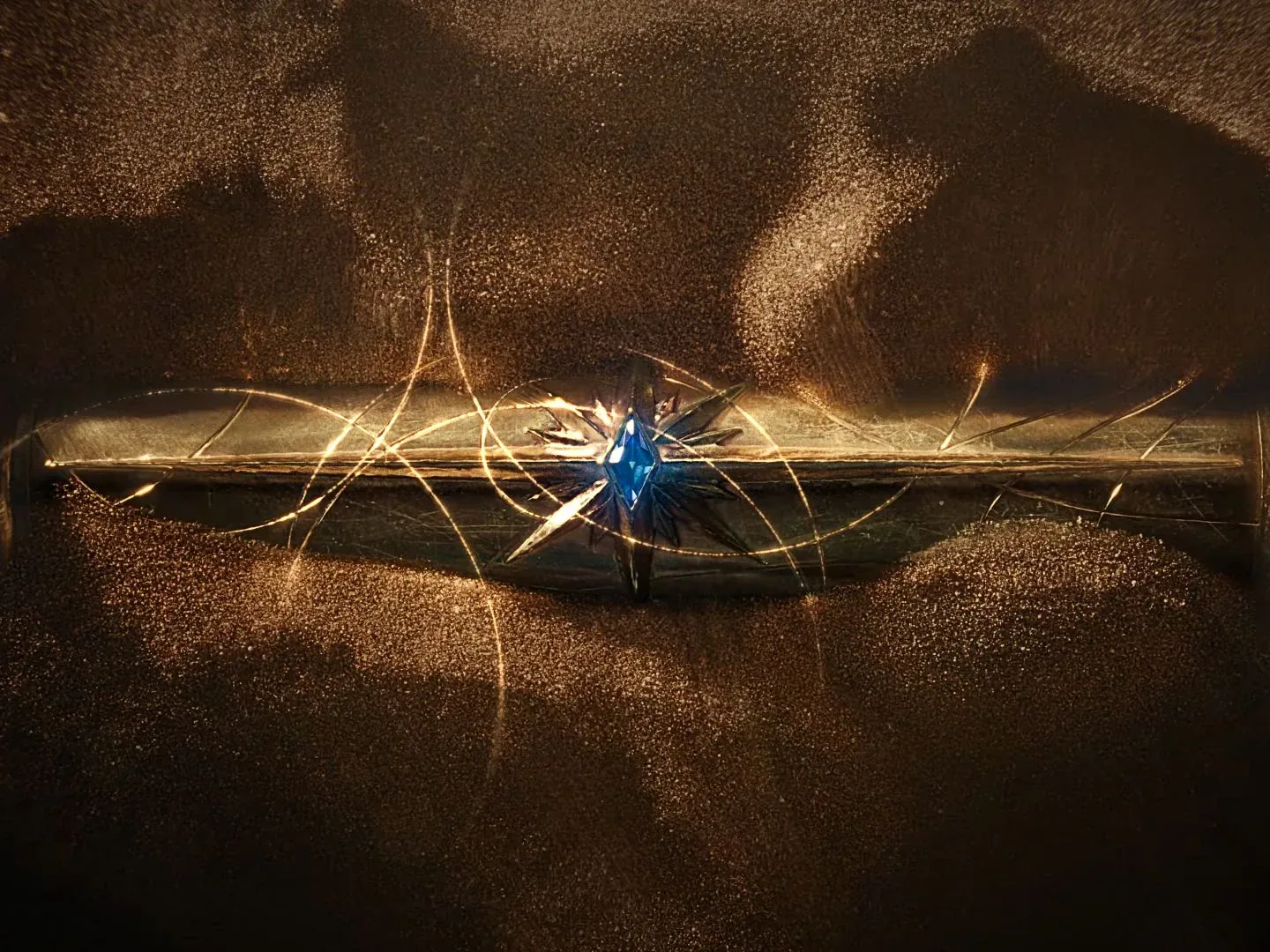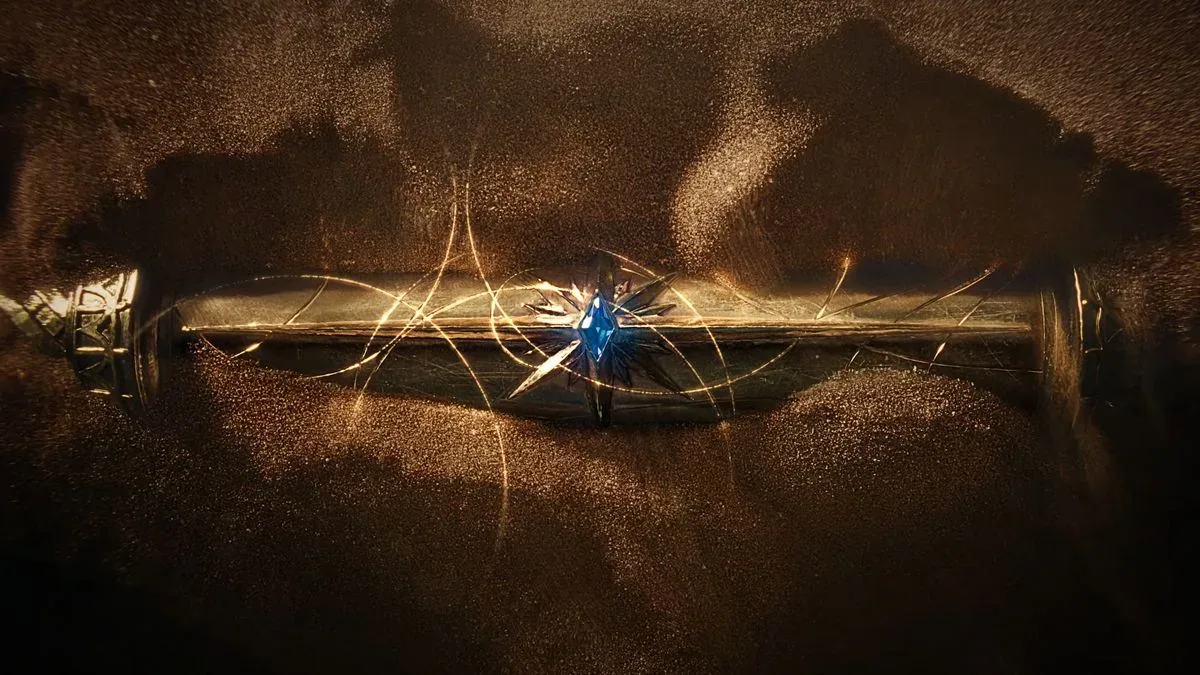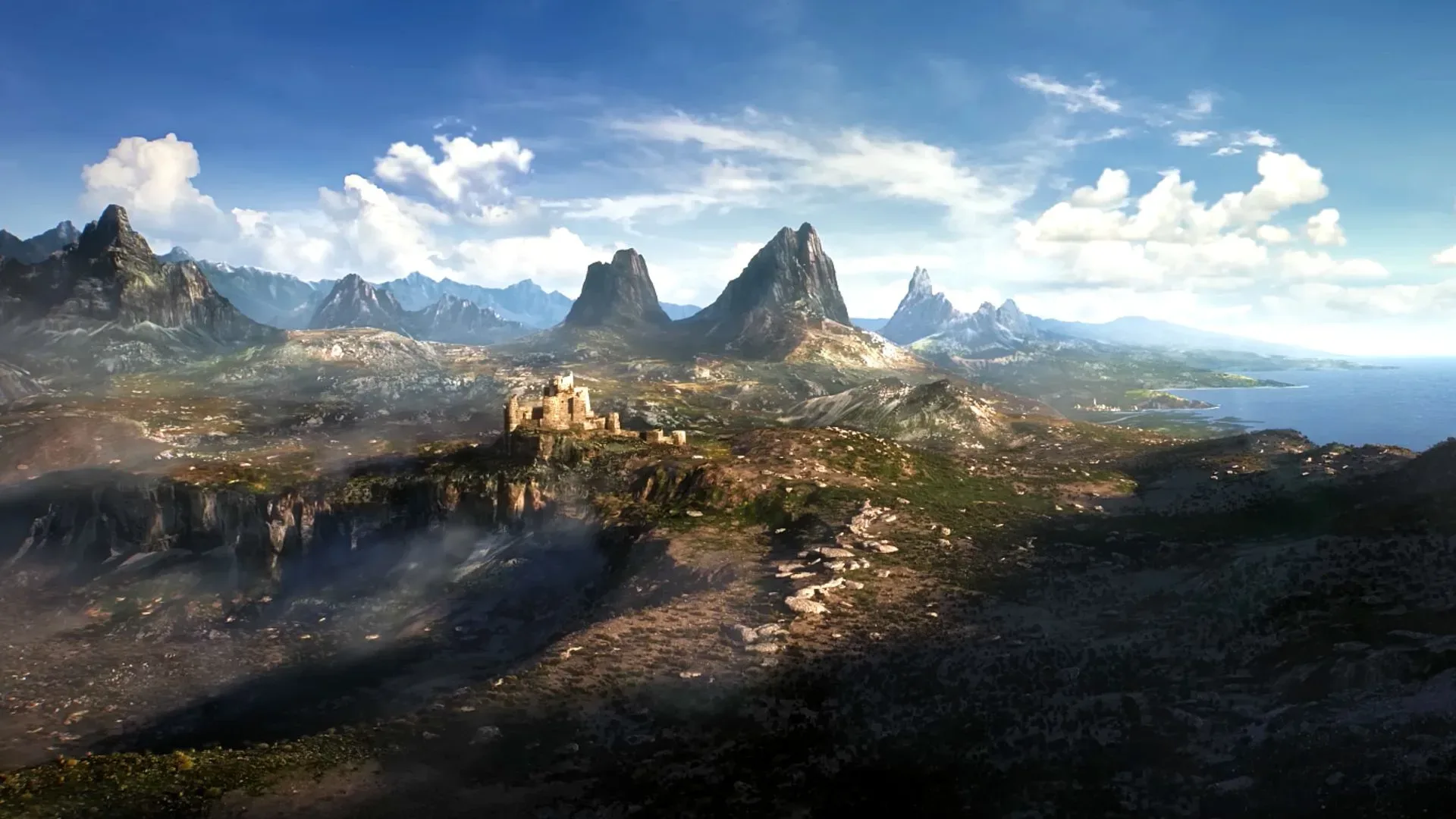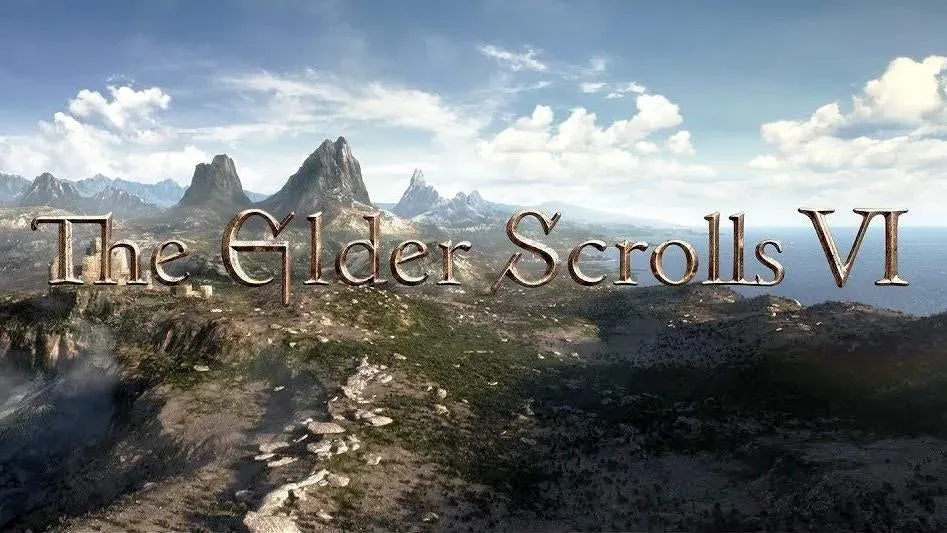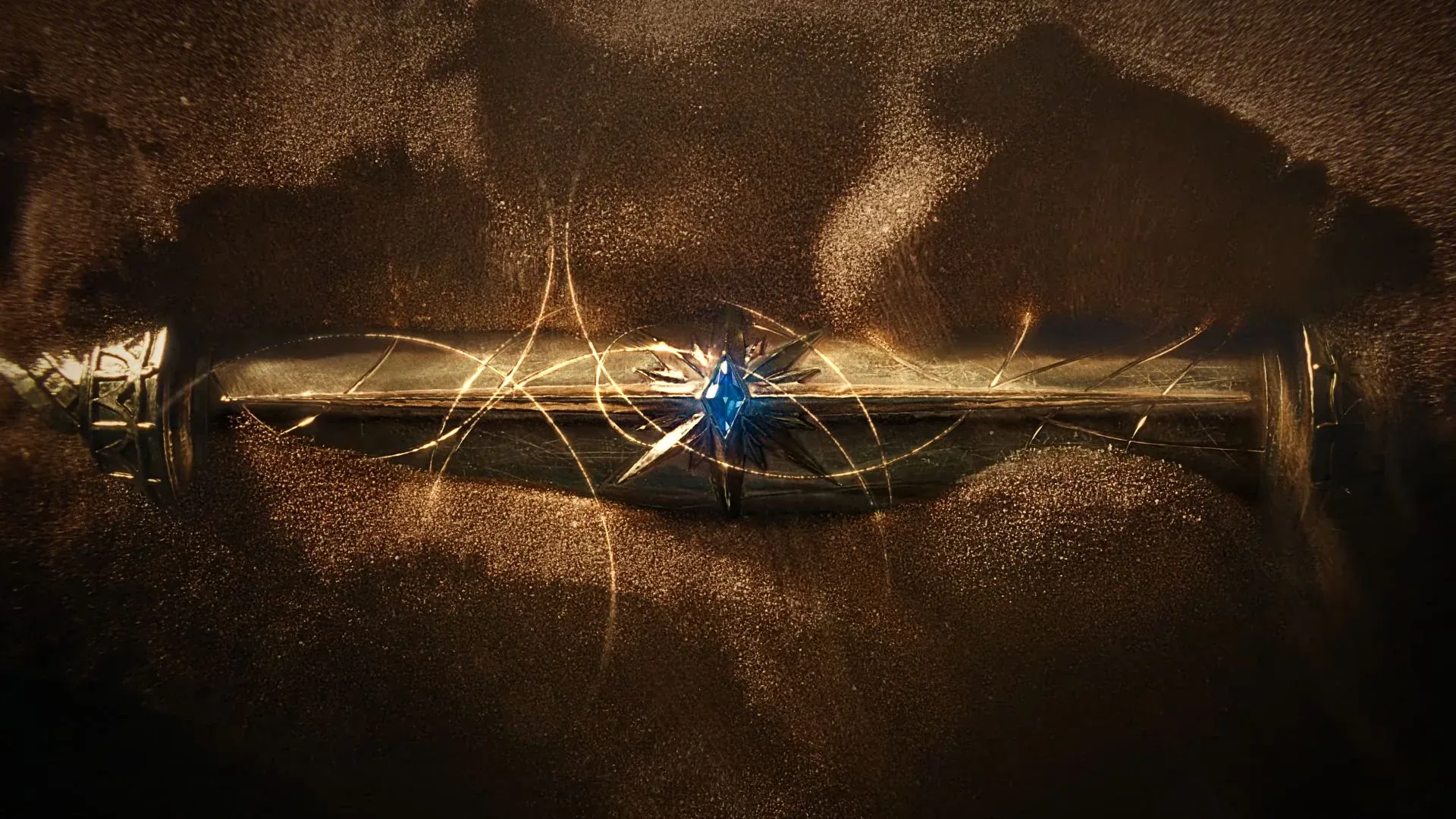
The Elder Scrolls 6: Sentinel now has an official subtitle, a short teaser full of sand and an Elder Scroll, and a fandom doing exactly what a fandom does when handed a minute of carefully composed ambiguity: examining every word, symbol and social-media phrasing for a map to the future.
The most grounded reading is also the simplest. Sentinel points toward Hammerfell, the long-suspected setting for the next Elder Scrolls role-playing game. The teaser also presents a dated quotation attributed to Yazar, a Moth Priest serving High Queen Iradne of Hammerfell, placing the passage in 4E 206. That would be five years after the events of Skyrim.
Beyond those clues, there is considerably more room for interpretation than certainty. Speculation has coalesced around three main ideas: whether the game will include sailing, whether characters associated with Skyrim could return, and whether the rings around the Sentinel logo refer to the Eye of Magnus. Each is possible as a conversation starter. None is a confirmed feature, plot point or returning-cast announcement.
What the teaser actually puts on the table
The key piece of written lore is deliberately enigmatic: “The scroll offered only a shimmer, a veil thinly lifted to my eyes. A future lost. A victory undone. Sands of time scattered by fate.” The wording ties an Elder Scroll to a vision that is incomplete, obscured or perhaps changed. That is fertile ground for lore discussion, but it does not identify an antagonist, a quest, a location beyond the Hammerfell implication, or a specific magical artifact.
It is worth separating the familiar terms here. An Elder Scroll is the series’ recurring mystical object and a natural visual anchor for a teaser carrying the franchise’s name. A Moth Priest is the title given in the supplied teaser attribution; the important immediate point is that the text is framed as an in-world record rather than a straightforward developer explanation. And the Fourth Era, signaled by “4E,” is the era notation used by the date. The numerical proximity to Skyrim encourages continuity theories, but a close date is not proof that any individual character is alive, present, or involved.
The sands in the footage and the Sentinel name strengthen the Hammerfell reading. Still, a setting implication is not the same as a detailed game map. The teaser does not establish which parts of Hammerfell players will visit, whether another region might appear, what cities are explorable, or how travel will work. Those distinctions matter because location speculation can slide very quickly into assumed mechanics.
The sailing conversation is not a confirmation
The loudest mechanical theory began with wording from Bethesda’s Spanish-language social accounts that some readers took as a reference to sailing. The apparent phrasing can also be read idiomatically as “setting sail” in the sense of beginning an adventure. That alternate reading is substantial enough that the post cannot safely be treated as confirmation of boats, naval travel, ship ownership, naval combat, ports or an ocean-focused map.
Why has the idea caught on anyway? Hammerfell’s name, its sandy imagery and a potential coastal fantasy setting make sailing feel intuitively compatible with what little has been shown. But compatibility is not evidence. A teaser can evoke a region’s atmosphere without committing to every activity that players associate with it.
For practical purposes, fans should put “sailing” in the unverified possibility column. There is no stated information about whether the player can board a vessel, steer one, fight from one, use one as fast travel, or simply see ships as environmental scenery. Those would be very different implementations, with very different implications for exploration. Treating a possible translation nuance as proof of the broadest version risks building expectations that the teaser does not support.
This is also a useful reminder of how marketing language travels online. A short phrase may be literal, figurative, localized for tone, or simply designed to match a launch-day mood. Until Bethesda explains the intended meaning or shows gameplay, the responsible reading is that the wording has prompted an interesting theory—not that it has revealed a system.
A 4E 206 setting invites Skyrim connections, not guarantees
The five-year gap after Skyrim has led players to ask whether familiar non-player characters could appear in Sentinel. One name raised in discussion is Erik the Slayer, who mentions an interest in traveling to Hammerfell for work. That line gives the speculation an understandable in-world hook: if Sentinel is set in Hammerfell and the chronology is close, a traveler from Skyrim is easy to imagine.
However, the teaser does not name Erik the Slayer or any other returning character. An NPC’s stated aspiration is not the same thing as a confirmed future appearance. Even when a sequel takes place near a prior game in the timeline, narrative focus, character availability and the needs of a new story all remain unknown.
The more modest conclusion is that the date leaves the door open to references, rumors, books, recurring factions or character cameos. It does not tell us which of those forms—if any—will be used. That distinction is especially important for a series with expansive lore, where a recognizable name can be mentioned in many ways without becoming a major participant in the main plot.
Why the logo rings have become a lore focal point
Visual analysis has centered on the rings surrounding the Sentinel logo. Fans have noted a resemblance to the Eye of Magnus, an artifact associated with Skyrim, while others have simply compared the circular arrangement to the title design of Elden Ring. The latter comparison explains the immediate visual association, but it offers no lore evidence for The Elder Scrolls 6.
The Eye of Magnus proposal is more specifically tied to the Elder Scrolls universe because it seeks a match between the teaser’s design and an established artifact. Even so, “similar enough to investigate” is a much lower bar than “confirmed reference.” Logos often use circles, halos and layered shapes because they are striking, legible symbols; a ring motif can suggest time, magic, a celestial body, a seal, or simply an aesthetic identity. The teaser provides no label connecting its rings to the Eye of Magnus.
The same caution applies to follow-on ideas involving the Psijic Order. If the rings are not established as the Eye of Magnus, then theories built on that identification are necessarily another step removed from the evidence. This does not make them bad fan theories. It just means they should be enjoyed as imaginative possibilities rather than treated as a decoded plot summary.
There is a genuine appeal in this kind of uncertainty. A restrained teaser lets players use accumulated series knowledge to propose links between symbols, people and historical dates. As with the wonderfully overcommitted pattern-spotting that surrounds difficult fantasy games—see our appreciation of Dark Souls’ Bonewheels—the fun can be in the discussion without requiring every resemblance to be intentional.
What “a future lost” may mean—and what it does not yet establish
The quotation’s most evocative phrases are “a future lost” and “a victory undone.” They suggest a concern with fate, altered outcomes or incomplete prophecy. Yet the text is poetic enough to support many readings. It could describe a political reversal, a personal tragedy, a magical disruption, a historical record, or an event still to come. “Sands of time” fits the teaser’s desert imagery, but it also remains figurative language unless later material turns it into a literal game concept.
Calling the Elder Scroll a MacGuffin—a story object that drives characters to act even when its concrete nature matters less than its narrative function—may be useful shorthand for the speculation. But the teaser does not confirm that the scroll is a central objective, a collectible, a source of power, or even the exact object around which the story revolves. It is present in the promotional material; its role in the game remains unstated.
That uncertainty is not a flaw in the evidence. It is the point of a teaser. The material establishes tone, title and a handful of lore signals while withholding the systems and story details that would let viewers resolve every question. The best current theorycraft therefore begins by acknowledging its foundations: Hammerfell is strongly indicated, 4E 206 is explicitly displayed, and an Elder Scroll plus a mysterious warning are in view. Sailing, returning characters, the Eye of Magnus and Psijic involvement are all interpretations beyond that foundation.
Patience is the only confirmed feature of the wait
The latest title reveal arrives eight years after Bethesda first announced its sixth mainline Elder Scrolls game at E3 in 2018. A 2029 release has been reported, but that timing is not established by the teaser itself. Bethesda has also cautioned that it will be some time before the project is ready, which is the clearest signal not to convert one brief video into a near-term checklist of promised features.
No platforms, release date, gameplay systems or detailed plot have been confirmed in the supplied material. For now, Sentinel offers a new name, a likely Hammerfell destination and a carefully selected mystery. That is enough to fuel thoughtful lore debate—provided the line between what is shown and what fans hope to see stays visible.