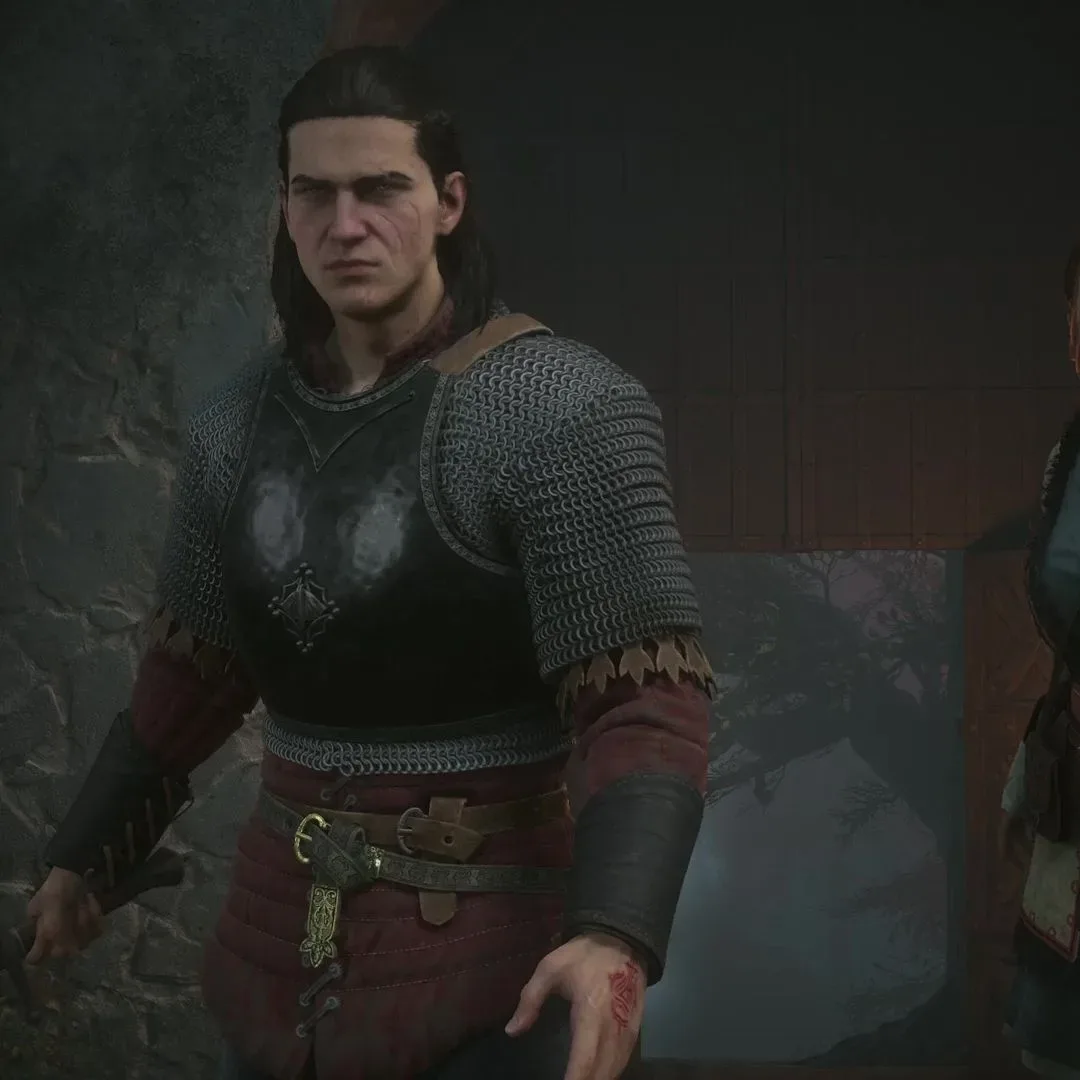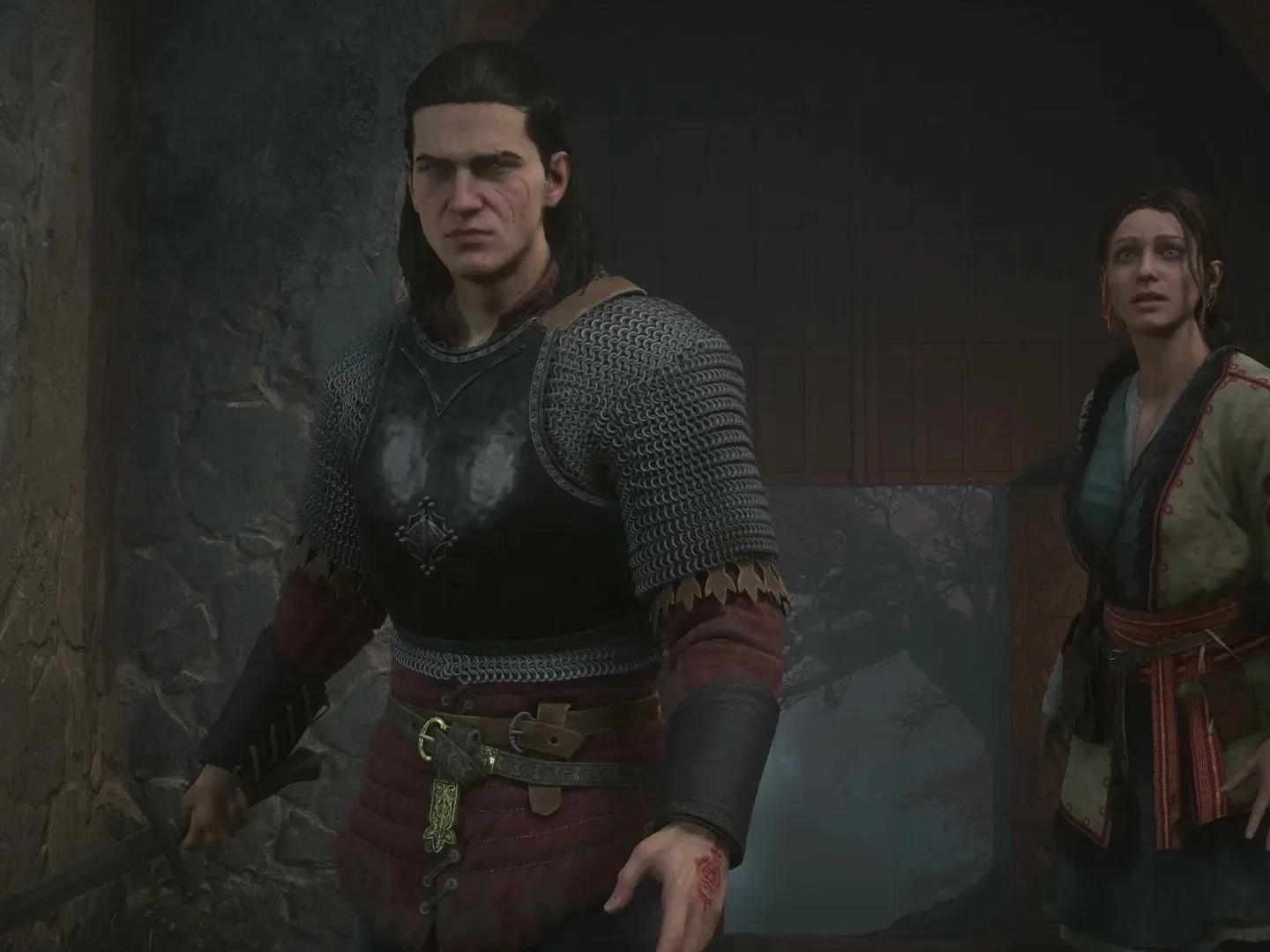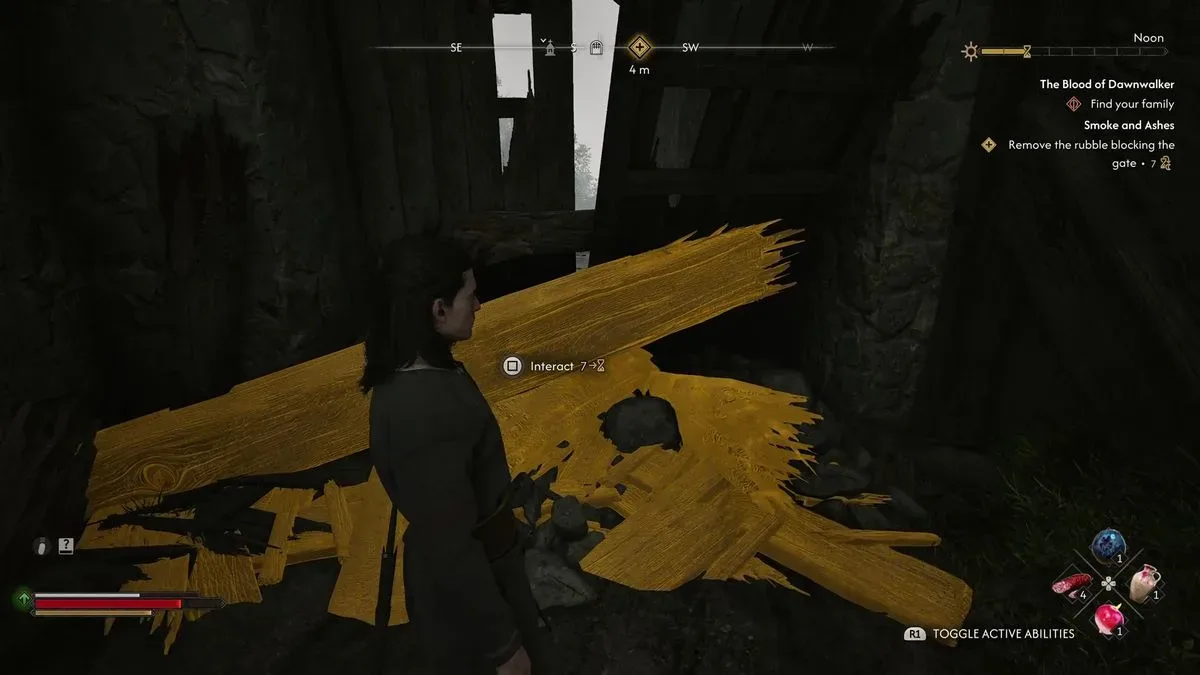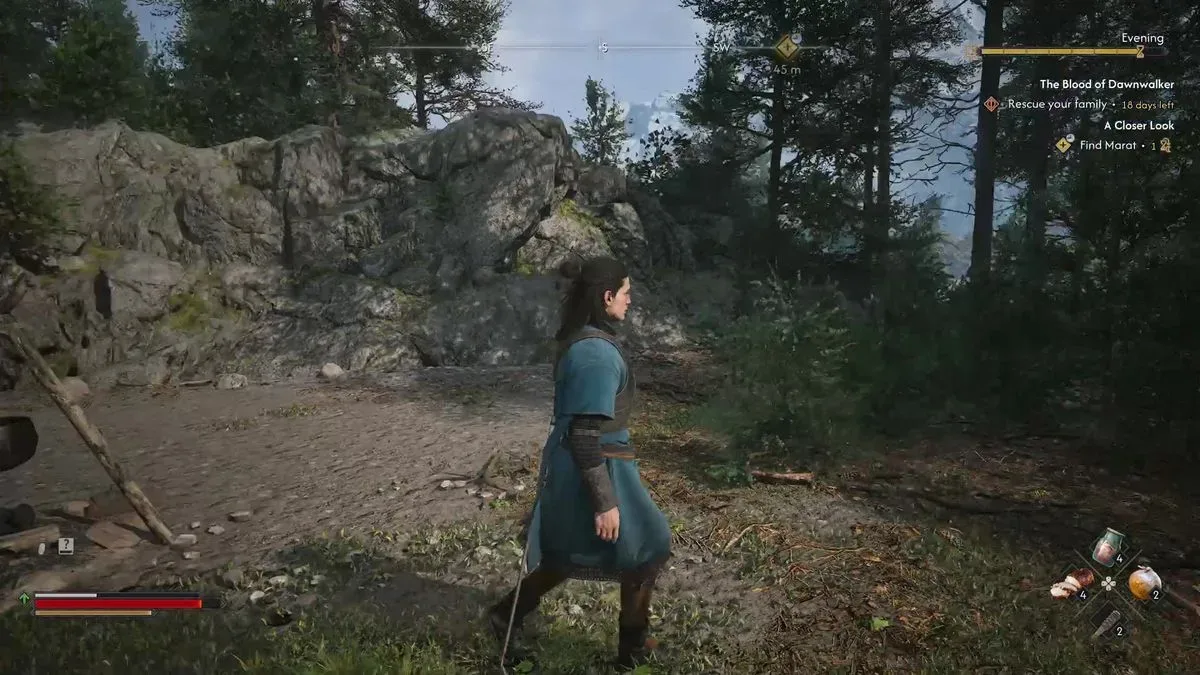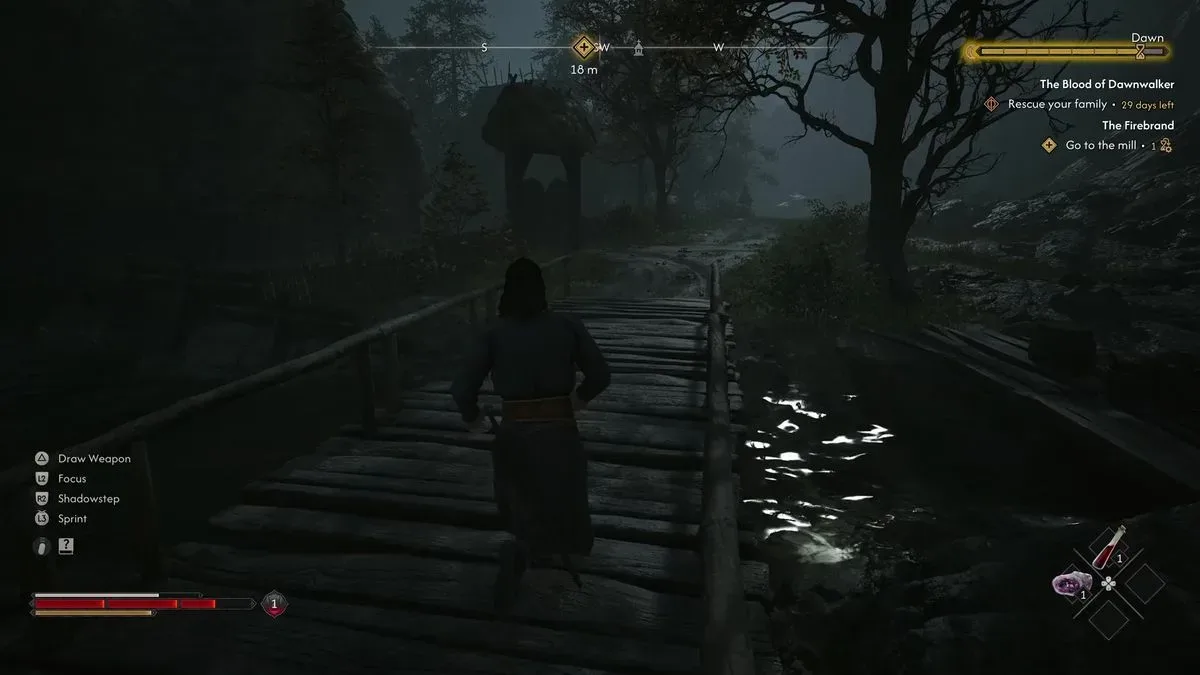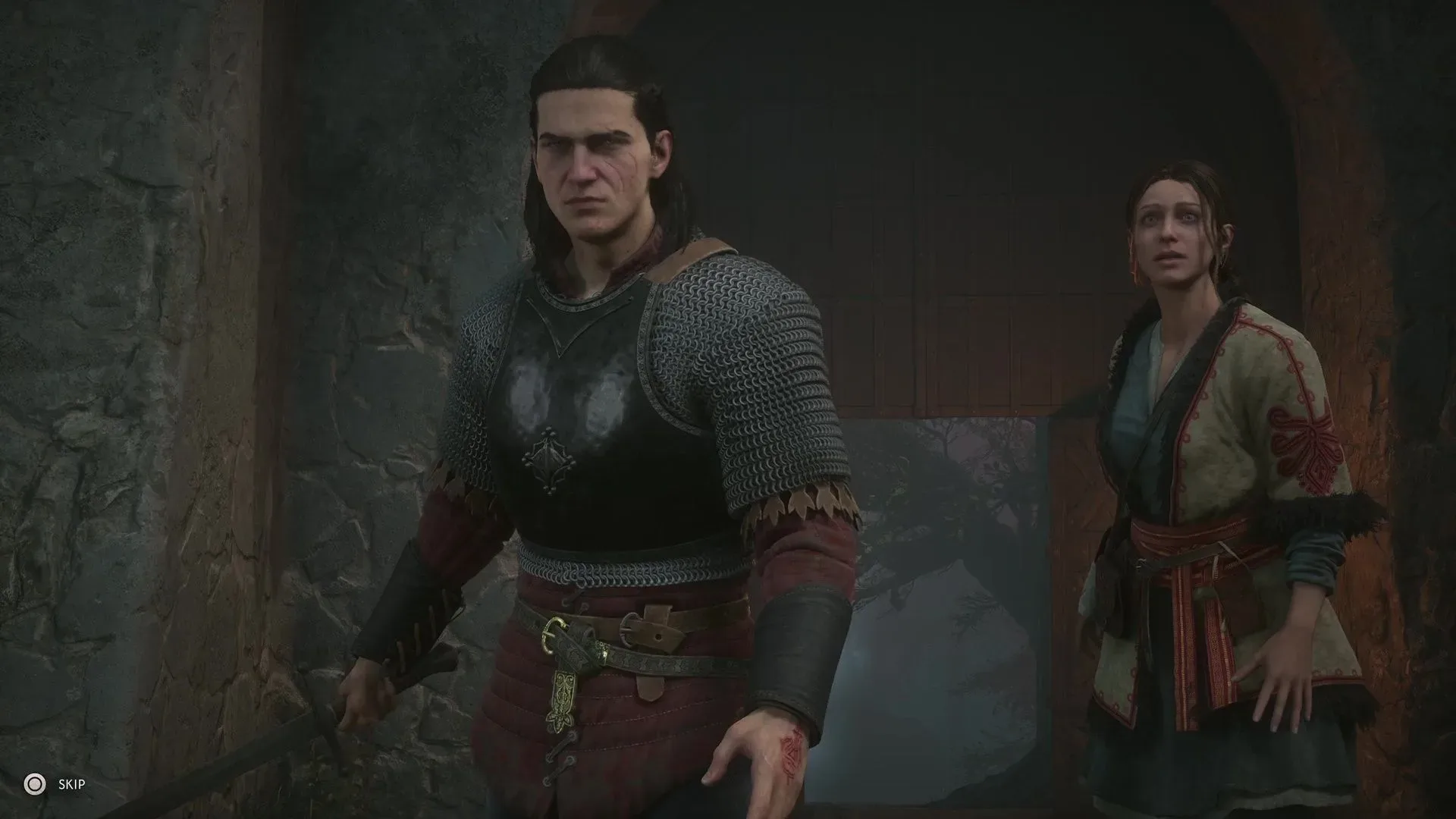
The Blood of Dawnwalker treats time less like a background clock and more like a resource you actively spend. That distinction is crucial from the opening hours onward. The game does not steadily roll from morning to evening while Coen jogs across the map, studies a view, or performs the traditional role-playing-game ritual of spinning in circles outside a town. Instead, time advances through specific story actions, choices, quests and progression triggers.
It is a system built to make decisions carry weight without asking players to race a permanently ticking real-world-style countdown. Exploration itself is not the enemy. What matters is recognizing which commitments consume portions of the day or night, what those lost portions change, and when a mission may vanish if ignored.
That makes the interface especially important. Journal markers, clock segments, proximity warnings and day/night symbols all communicate different kinds of pressure. Read them before committing, and the calendar becomes a planning tool rather than an ominous piece of scenery waiting to ruin everybody’s afternoon.
Time does not pass while you simply explore
The foundational rule is reassuring: unstructured movement does not make the clock advance. Running across the region, retracing a route, inspecting the world or standing idle does not expend a time segment. Players are therefore free to explore without treating every detour as a direct hit to the main objective’s deadline.
That is a major difference from games in which travel itself drains the day. Here, the meaningful cost arrives when Coen enters into an action the game considers consequential. Interacting with certain objects, selecting particular dialogue responses, arriving at some important places for the first time, and progressing quests can all cause time to move forward.
The amount spent is not fixed across every activity. A small action may use little time, while a pivotal moment may consume several segments. Early on, opening the cell during the attempt to save Mert the Miller is one example of an interaction that takes multiple time sections. The game can also offer optional moments that cost time, such as choosing to remain with Anca. That decision uses time, but provides more opportunity to learn about her character.
In other words, not every time expenditure is a punishment or a failure state. Some of it is the price of pursuing a relationship, following a lead, helping someone, or seeing an extra piece of the story. The question is not merely whether an action costs time; it is whether the outcome is worth the cost at that point in the campaign.
Quest time may be split across several moments
The quest journal indicates how much time a mission is expected to require, but that total should not be read as a single instant jump. A quest can consume its listed allotment at several points during its sequence. A five-hour task, for example, may spend three hours when Coen investigates or researches something, then claim the remaining two later while he travels alongside another character.
This matters because players should not assume they can finish every objective’s active gameplay portion first and pay the time bill only when it is complete. The bill can arrive during the quest. It also means a mission that appears manageable at the start could push the world from daylight into nightfall midway through its events.
When an activity will cross that boundary, the UI gives a direct warning: an hourglass accompanied by an arrow pointing toward either a sun or a moon. This indicates that the time commitment will produce a day-to-night or night-to-day transition. It is a valuable symbol to check before starting an activity tied to a preferred power set, a relationship opportunity or a condition-sensitive objective.
The game also warns players as they approach locations or characters that will immediately trigger a time cost. A ticking sound can be heard, and the clock display in the top-right corner greys out the portion that will be spent. Think of it as the game holding up the exact amount of sand it intends to remove from your hourglass before you walk through the door.
That clarity turns proximity into a decision point. If the cost would leave Coen at an inconvenient phase of the cycle, players can step away, handle another matter, prepare their healing resources or enter when the coming shift better suits the task.
How to read quest icons and protect missable objectives
Not every quest operates under the same rules, and the journal’s icons distinguish the urgent from the merely tempting. The most important symbol to prioritize is the blue clock. A mission carrying that icon is temporary: leave it too long and it will eventually disappear, closing off the chance to complete it.
Blue-clock quests should generally move to the top of the plan, particularly when several activities compete for attention. The game’s time system is designed around choices, so pursuing one lead may mean sacrificing another. Still, recognizing the marker prevents an accidental loss caused by mistaking a deadline-bound mission for a permanent errand.
Sun and moon icons identify another constraint. These quests must be started in the appropriate phase: sun-marked activities require daytime, while moon-marked ones require night. Trying to begin them at the wrong time locks them off until the relevant phase returns.
That makes pre-quest scheduling useful. Before spending segments on an unrelated interaction, check whether a desired mission is day- or night-specific and whether the pending action would force a transition. Relationship and romance-related content can be especially sensitive to timing, so treating every invitation as something that can wait indefinitely is a poor strategy.
Players looking for a lighter meditation on how games become social negotiations may enjoy The Unwritten Rules of Couch Multiplayer, Now Written Down. Dawnwalker is a solo adventure, but its clock creates a similarly familiar tension: everyone has a plan, every plan has a cost, and someone eventually realizes they should have read the schedule first.
Eight sections for day, eight for night
Each half of the cycle is divided into eight sections. The bar in the top-right corner shows current progress through daytime or nighttime, letting players see both the present phase and how close they are to the next transition. This segmented approach fits the game’s event-driven clock: time is measured in deliberate chunks rather than an endlessly streaming timer.
Day and night are not cosmetic changes. They alter Coen’s available abilities, survival concerns and healing options. During the day, Coen can use Witchcraft abilities. At night, he gains access to Vampiric powers. Perks are labelled to show whether they work in the daytime, nighttime or at any time, so a build should be considered in relation to the hours when its key tools are actually usable.
The nighttime kit appears to offer notably greater overall power. Vampiric abilities include teleportation, wall climbing and claws, giving night a very different movement and combat identity. A player preparing for a difficult encounter may want to factor that strength into the schedule rather than treating the sunset as only a visual change.
But the night has an equally important danger: hunger. If Coen’s health falls to one segment or lower after dark, dialogue options can unpredictably change to an instruction to give in to hunger. Choosing it results in Coen attacking and killing the person he is speaking with. The threat is therefore not confined to combat. Poor health management can turn an ordinary conversation into a catastrophic social event.
Healing works differently after dark
Resource planning must change with Coen’s form. Healing food and potions that benefit him as a human in daylight do not work at night. Once darkness arrives, recovery depends on blood acquired from items or taken from enemies.
Before beginning a quest likely to cross into nighttime, consider whether ordinary supplies will become irrelevant and whether blood sources are available. The hourglass-to-moon warning is not just an indicator of a new ability set; it can be a warning that the current healing plan is about to stop functioning.
That overlap between survival and dialogue helps explain why the system is so central. A time jump can change what powers are equipped, what resources restore health, which quests may start, and how hazardous a low-health conversation becomes. There is a little of the collector’s familiar “one small choice somehow changed the whole plan” energy in it, explored in The Collector’s Five Stages of Buying One Small Thing.
The main story has 30 days and nights
After the tutorial, players receive 30 days and 30 nights to complete the main quest. The story can be finished sooner, and play can continue after the main quest is complete. The time limit is real, but the event-based structure means it should not be confused with 30 days of constant attrition.
Since wandering does not drain the clock, players retain room to explore and engage with much of the game. The greater risk comes from repeatedly committing time to optional activities, quest steps and ability training without keeping the main objective and blue-clock missions in view.
Can the time system be disabled or changed?
No current option allows players to turn off or alter The Blood of Dawnwalker’s time-passing mechanics. The pressure created by deadlines, phase-locked quests, ability shifts and choice-driven time costs is part of the intended structure.
The practical approach is to use the warnings the game supplies. Check the journal before committing. Treat the ticking sound and greyed clock segment as a prompt to pause. Prioritize blue-clock tasks when they matter. Start sun and moon quests in their required phase. And before spending enough time to reach night, make sure Coen will have a viable way to heal—and preferably more than one health segment separating a tense conversation from a very bad dinner decision.