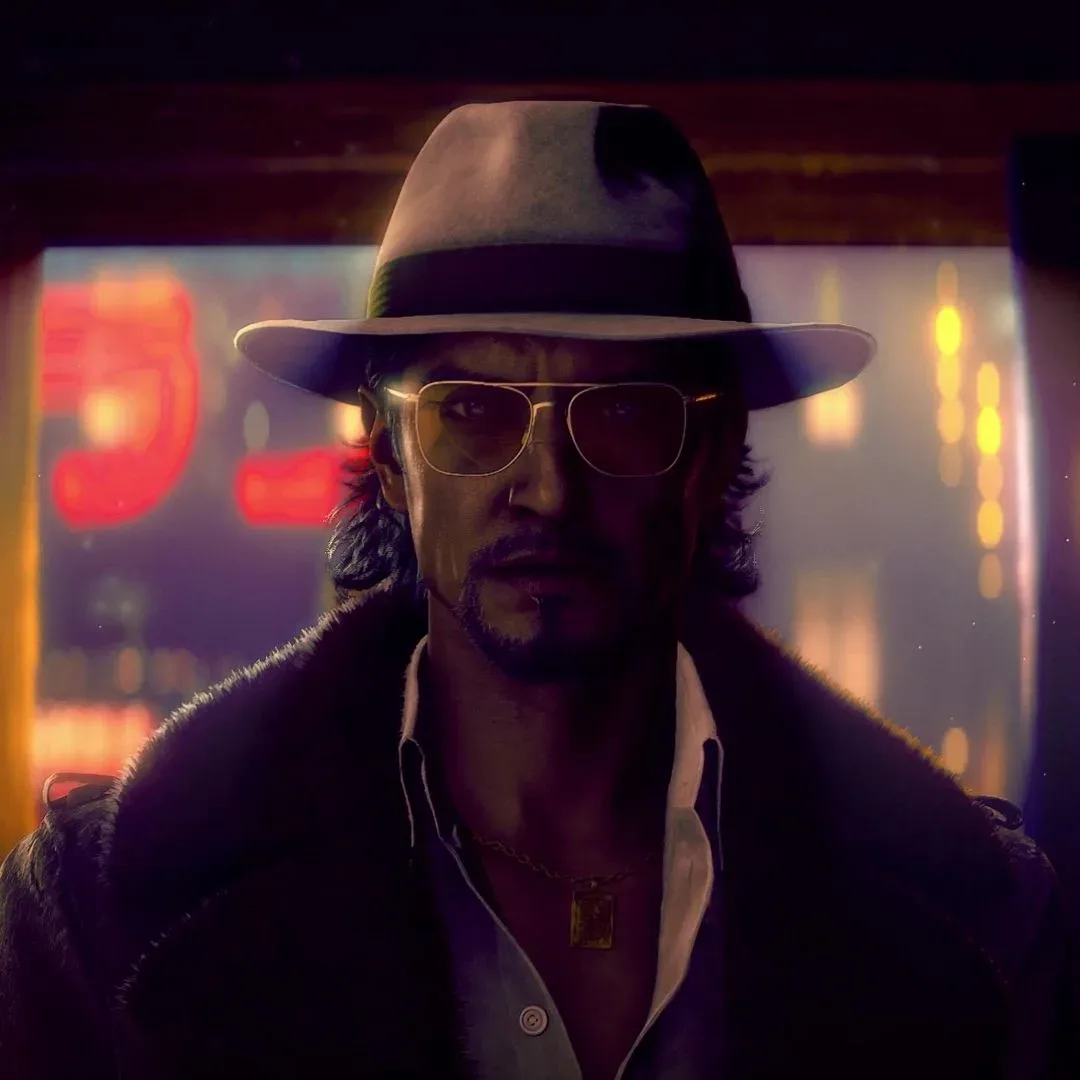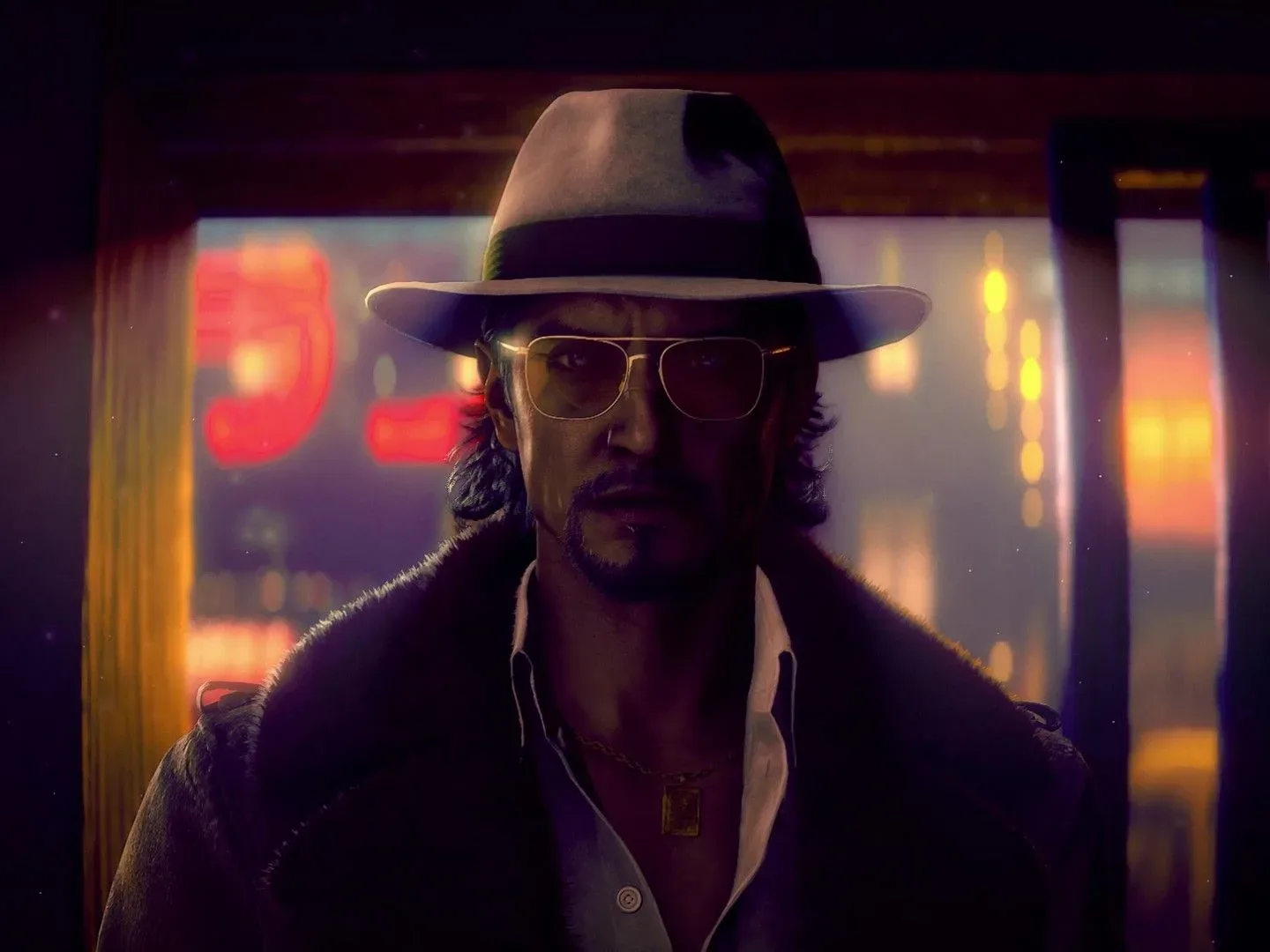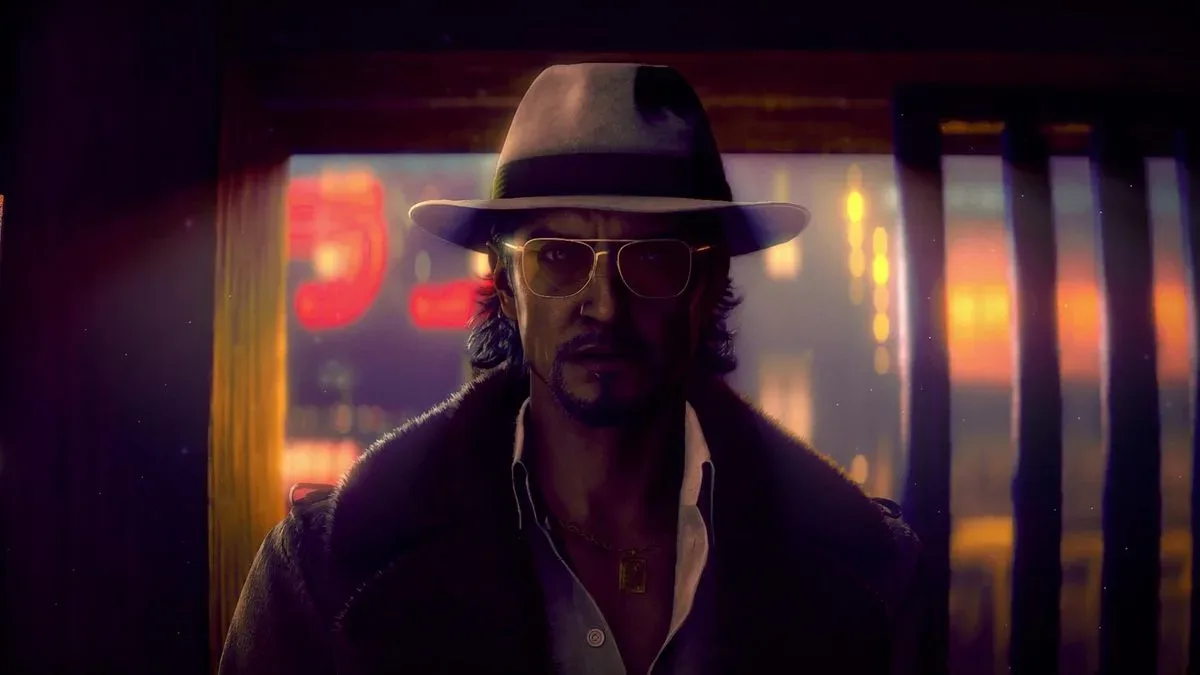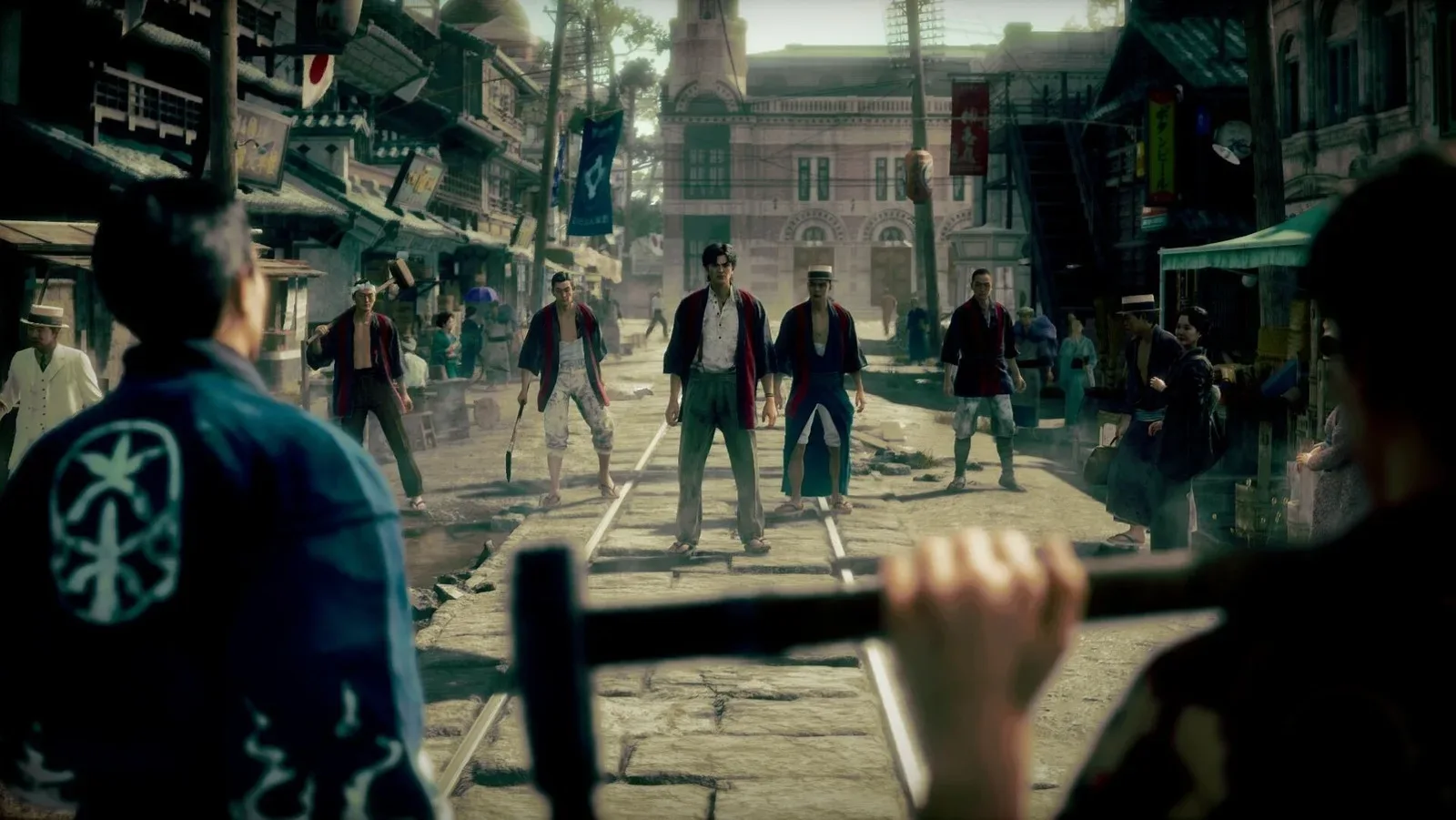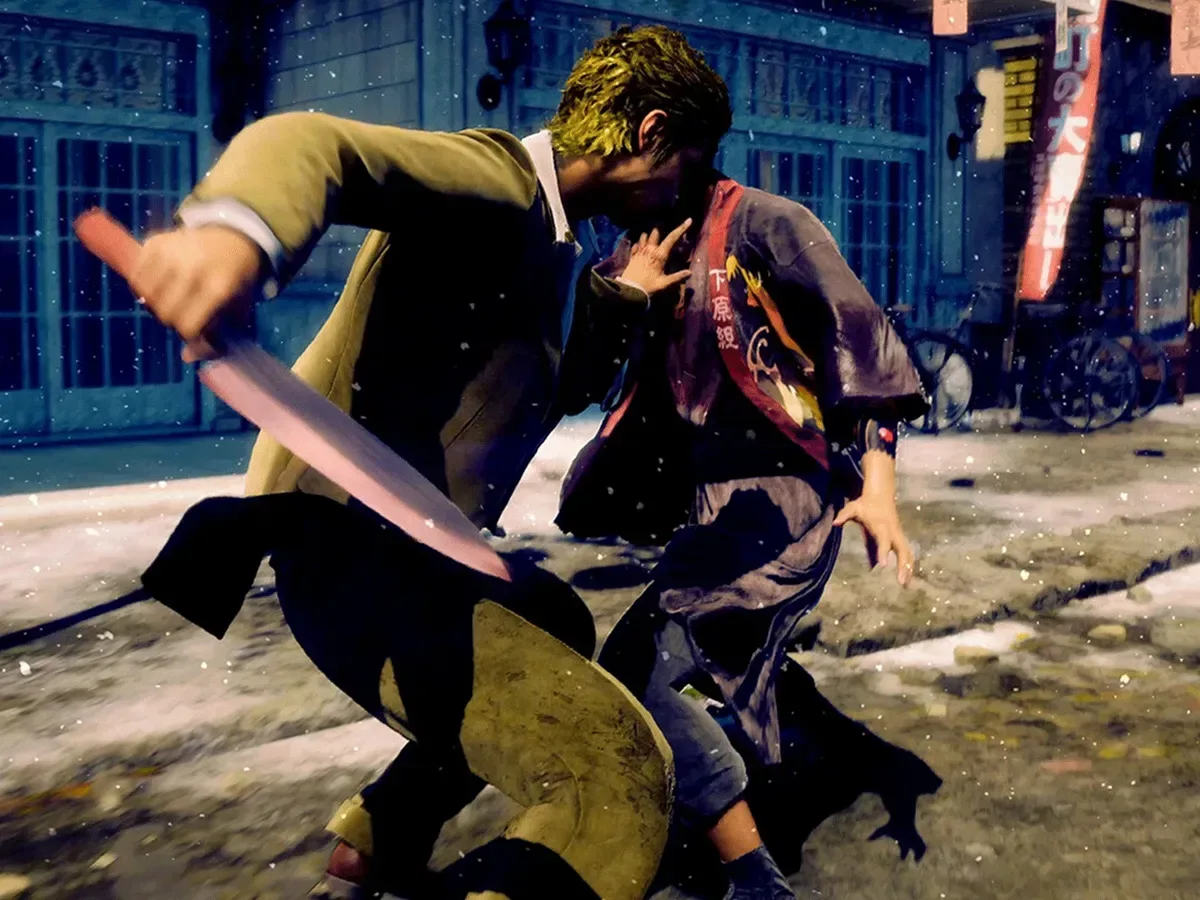
Stranger Than Heaven is asking players to reconsider something they normally do not have to think about: why a controller is mapped the way it is. RGG Studio head and executive director Masayoshi Yokoyama has explained that the game’s combat ties the left and right sides of a controller to protagonist Makoto Daito’s corresponding sides. A left bumper input produces a quick left jab, while the right trigger delivers a heavier attack from the right arm.
It is a simple rule on paper, but it runs against the accumulated habits players bring to action games. Rather than beginning with familiar light-attack and heavy-attack button conventions, the system frames combat around the body. That makes Stranger Than Heaven a marked change from the fast, freewheeling brawling associated with RGG Studio’s Yakuza and Like a Dragon games. Its fighting is intended to be grittier and more grounded, and early reactions to it have been mixed.
Yokoyama’s argument is not that every established control scheme is wrong. It is that established schemes can feel inevitable only because players have learned them. For someone with no controller experience, he suggests, pressing a control on the left and seeing the character’s left side respond may be the more immediately understandable relationship.
“If you’ve never touched a controller before, you don’t have any pre-established notions,” Yokoyama said. “So I think it’s fairly common sense that if you hit the left button, you’d expect the left side of the character to move.”
A control layout built around physical sides
In practical terms, body-mapped controls are an interface design approach where an input corresponds to a body part or physical direction rather than merely an abstract action label. In Stranger Than Heaven’s case, the supplied examples establish a left-right relationship: the left bumper maps to a left jab, while the right trigger maps to a forceful right-side blow.
That distinction matters because controllers have their own physical language. Bumpers sit high on the controller, triggers are pulled rather than tapped, and face buttons are arranged under the player’s right thumb. Most players absorb those relationships through repetition. Over time, a particular input may come to mean “attack” simply because dozens of prior games taught them that it does.
Stranger Than Heaven appears to be trying to substitute a different kind of familiarity. The point is not just to remember that one button is a jab and another is a powerful strike. The player is meant to associate each input with Daito’s body. If that association works, the combat could feel more legible to a new player while giving the game an identity that differs from conventional brawlers.
It also places a higher burden on the game to teach that language clearly. A novel mapping can be intuitive in theory and still feel awkward to a player whose muscle memory expects something else. Muscle memory, in this context, means the automatic physical response built through repeated play—not literal memory stored in a player’s hands. When an action game asks players to replace those automatic expectations, the first hours can matter enormously.
Related coverage includes Stranger Than Heaven's Director Defends Its Unusual Controls as "Common Sense".
The available early impressions underline that uncertainty rather than resolving it. The combat has earned contrasting responses in preview play, with one hands-on reaction strongly positive and another less convinced. That disagreement is useful context: the system has a clear philosophy, but the full experience will determine whether its ideas remain comfortable and expressive over a complete game.
Why Yokoyama is questioning the obvious
Yokoyama connects Stranger Than Heaven’s controls to a broader design mindset: questioning conventions that people usually accept without examining. His example is deceptively ordinary—why jeans are blue? The point is not fashion trivia. It is the instinct to look at a familiar decision and ask why it exists, whether it still serves its original purpose, and whether another answer could work better.
“Nobody really thinks about this,” Yokoyama said of the question. “But I think that people who ask these questions—people who doubt everything they see, and [wonder], ‘Why is this the way it is?’—I have the conviction that those people are natural game creators.”
The jeans comparison does have a practical design parallel. Blue denim historically used indigo because it was inexpensive, helped conceal dirt and bonded durably with the fabric’s threads. The color was not merely arbitrary; it addressed several needs at once. By invoking that kind of familiar object, Yokoyama is effectively making a case for interrogating solutions that have become invisible through everyday use.
For game design, that means a familiar convention should not automatically be treated as the best solution. But it also means that a replacement needs to solve real problems. Stranger Than Heaven’s combat mapping will need to communicate attack type, timing, weight and intent without making players fight their controller as much as their opponents. “Different” is an opening premise, not the payoff by itself.
That scrutiny is particularly relevant for an established studio. RGG Studio has a recognizable legacy in action games, so a more grounded combat model risks disappointing people who want the studio’s prior brawling rhythms. At the same time, retaining every inherited convention would limit the project’s ability to establish its own tone. Yokoyama’s comments suggest the unfamiliarity is a deliberate part of the game’s identity rather than an accidental departure.
There is a related conversation in game development about how systems shape feeling, not only functionality. A control scheme can tell players whether a character is agile, inexperienced, powerful, vulnerable or disciplined before the story explicitly says so. That is where Stranger Than Heaven’s concept becomes more ambitious than a new button layout.
Combat as part of Makoto Daito’s story
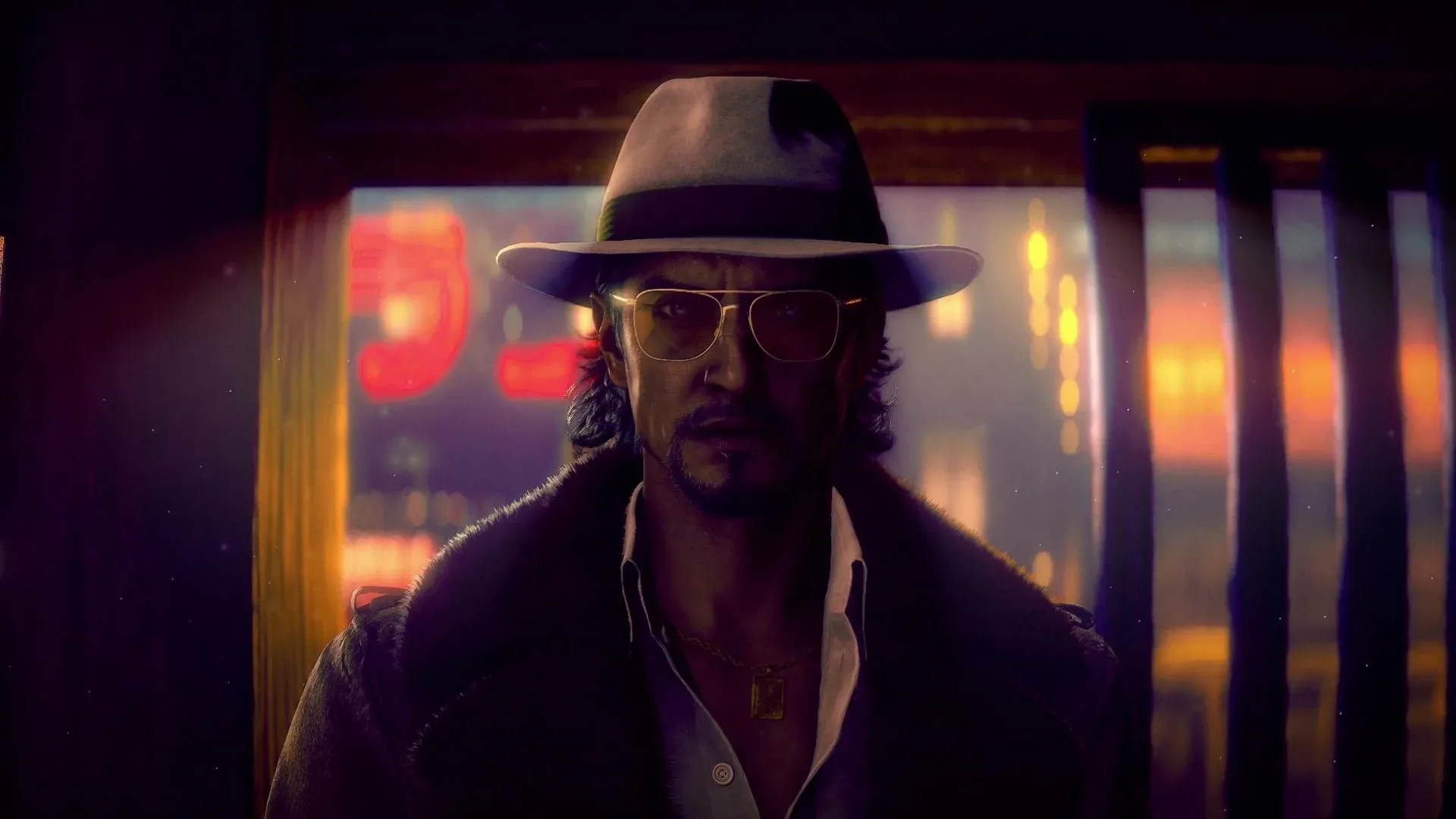
Stranger Than Heaven follows Makoto Daito through 50 years of his life. Yokoyama has said Daito begins the game young and not especially skilled at fighting. The player, meanwhile, begins without mastery of the game’s systems. The intended connection is that both character and player develop over time.
“We want to tell the story of Daito through our combat system,” Yokoyama said. “When the game starts, Makoto is quite young and he’s not a great fighter ... we’re hoping that by playing this character throughout the ages, the player themselves will grow alongside the character.”
This is an example of ludonarrative design: the relationship between what a game asks players to do and the story it tells. The phrase can sound academic, but the idea is straightforward. When a character is depicted as untrained, a game can reinforce that by making the player learn the same basic mechanics instead of beginning with total command. When the character improves, the player’s increasing fluency can make that progression feel shared rather than merely observed in a scene.
The approach has a built-in tension. Early friction may support a story about inexperience, but it can also frustrate players if the game does not establish enough clarity or satisfaction. The ideal version is not a control scheme that is difficult for its own sake. It is one where unfamiliarity has a purpose, where learning produces a noticeable sense of growth, and where the player can recognize why their understanding has changed.
That is why the left-right mapping could be more consequential than an attention-grabbing feature. If Daito’s development across decades is central to the game, then a system that starts out unfamiliar and becomes second nature could make time, experience and training tangible. Conversely, if the mapping never becomes natural, the intended parallel between player and character may not land.
An older comparison, and the important difference
The concept recalls the first Assassin’s Creed, which used face buttons to correspond with different aspects of its protagonist’s body. One input associated with the legs could lead to jumping, dodging or sprinting depending on the situation. Later Assassin’s Creed games moved away from that puppeteering-style arrangement for more conventional controls.
That history does not predict the result for Stranger Than Heaven, but it illustrates the trade-off. Systems built on an unusual organizing idea can be memorable because they make the player think about action differently. Conventional systems can be easier to read because a large audience already knows their vocabulary. Neither route is automatically better; the decisive issue is whether the system delivers what the particular game needs.
Stranger Than Heaven’s argument is more specific than simple novelty. The studio is tying its control design to a protagonist whose life spans decades and whose ability develops along the way. The layout is also presented as an attempt to make physical sense independent of genre habit. That makes it a design gamble worth watching, especially given the mixed early response.
The game is set to launch in January. Until players can assess the whole arc of Daito’s journey, the fairest reading is that RGG Studio is pursuing a coherent but unproven idea: a fighter’s growth may be more convincing if the controller asks the player to grow in step with him. For a related look at how developers think about the emotions created by game systems, see this discussion of why losing matters in co-op design.