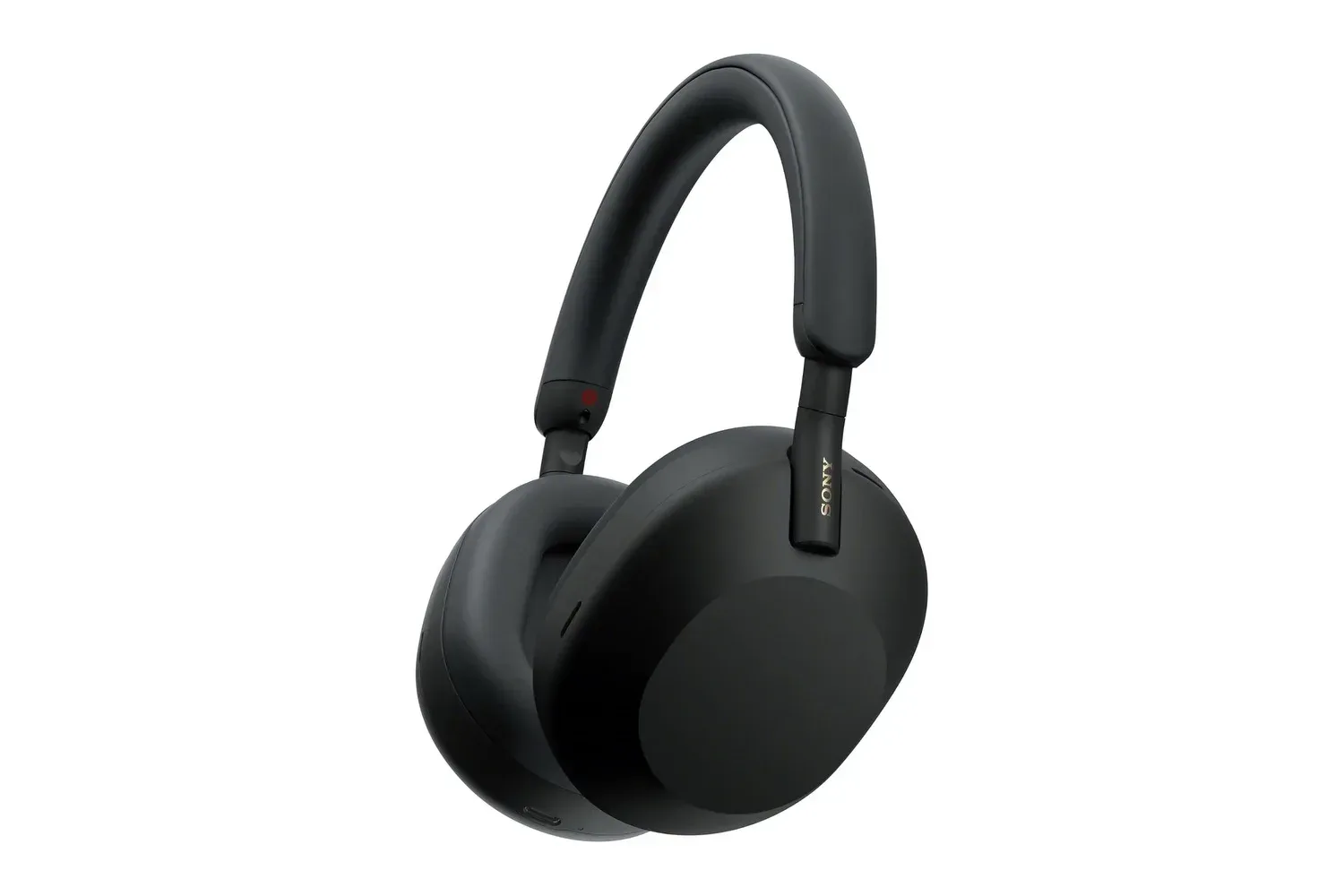
The sales event may have packed up its digital bunting, but one headphone listing was still hanging around afterward: Sony’s WH-CH520 wireless on-ear headphones were listed at $33 on Amazon in select colors. That is a $37 reduction from the stated $70 regular price, or 53% off.
The important word is select. Blue, cappuccino and white were identified as colors available at the discounted rate, while other color listings could be full price or offered only as pre-owned stock. Retail listings can change quickly, especially immediately after a short promotional event, so the meaningful comparison for shoppers is not simply the product name but the exact color, condition and seller attached to the $33 listing.
For the right buyer, the appeal is straightforward: a known-name Bluetooth headphone model at a low entry price, with Sony claiming up to 50 hours of continuous listening from a full charge. The WH-CH520 also includes a built-in microphone for calls. It is an on-ear design rather than a full-size over-ear set, a distinction that matters more than the sale percentage when deciding whether it suits a workday, commute, gaming-chat backup role or casual music listening.
A post-event deal, not a promise of permanent pricing
Amazon’s Prime Big Deal Days promotion ran from October 6 through October 7, but some promotional pricing remained visible afterward. The WH-CH520 price was described as available for a limited time, which is useful framing for anyone tempted to treat $33 as the headphone’s new baseline.
A list price is the reference price used for comparison; it does not guarantee that every retailer or every color configuration is normally sold at that exact amount at all times. In this case, the advertised calculation is clear: $70 less $37 results in the $33 offer. But an informed purchase decision still starts at the product page. Check the price next to the desired color, verify whether the item is new or pre-owned, and make sure the checkout price matches the figure that got your attention in the first place.
That small amount of caution is particularly relevant with color variants. Retailers commonly treat each finish as a separate inventory option. One shade can receive a steep reduction while another stays at the regular figure, even though the underlying headphone model is the same. A low price attached to a pre-owned option is also not directly comparable with the quoted new-product price.
What “on-ear” means for the WH-CH520
The WH-CH520 is an on-ear headphone. Its ear cups rest against the ears instead of surrounding them, as over-ear headphones do. That format can be attractive to people who want a lighter, less bulky pair for a bag or desk drawer. It also helps explain Sony’s emphasis on lightweight construction, swiveling ear cups, a cushioned headband and adjustability.
Those features point toward convenience during extended wear, but comfort remains personal. Headband adjustment can help create a secure fit, while swiveling cups can make the headset easier to put on and take off. Neither feature means the pressure of an on-ear fit will feel identical for every listener. Anyone shopping specifically for marathon sessions should recognize the difference between a product designed to be lightweight and a guarantee that it will be comfortable for every head shape or glasses wearer.
The product’s physical design is therefore as central to the buying decision as its discount. A buyer replacing a tired travel pair may value the compact, straightforward form factor. Someone who already knows they prefer cups that sit around the ears should not assume a large percentage cut changes the fit category.
Battery figures are the headline specification
Sony’s stated battery figure is up to 50 hours of continuous listening after a full charge. “Up to” is the key technical qualifier: it is a maximum claim, not a promise that every listening pattern will return precisely 50 hours. Still, the number establishes the intended use case. A headphone that can potentially run for more than two days continuously is built to reduce how often its owner needs to think about finding a cable.
There is also a quick-charge claim: three minutes of charging can provide up to 90 minutes of listening. In practical terms, that makes the headset more forgiving when it has been left uncharged until the last minute. It does not replace a full recharge, but it can be meaningful for someone who needs audio for a call, a short trip or a session away from a charger.
Quick charging refers to receiving enough power in a brief connection to restore some playback time. It should be read separately from full battery capacity. The 90-minute figure concerns a short emergency top-up; the 50-hour figure concerns use after the battery has been fully charged. They answer different questions: how long the headphones may last when prepared, and how useful they may be when they were not.
Bluetooth, calls and the low-friction use case
These are wireless Bluetooth headphones, meaning they pair with a compatible phone for cable-free listening. Bluetooth is the short-range wireless connection used by many phones and accessories. The WH-CH520’s built-in microphone also lets the wearer answer calls through the headphones rather than holding the phone.
That call feature broadens the value proposition beyond music. For people who move between playlists, family calls and conversations with colleagues, a microphone can turn a basic audio accessory into a more flexible everyday headset. It also keeps the phone in a pocket or on a desk during a call, which may be more convenient than repeatedly picking it up.
Still, the supplied specifications are focused on basic utility: wireless listening, battery longevity, fit-oriented design and hands-free calls. Shoppers should avoid filling in unlisted features from assumptions based on the Sony name or the product’s sale price. No claim here establishes a particular sound profile, noise-cancelling capability, gaming-specific functionality, multipoint behavior or microphone performance under noisy conditions. The smart read is to weigh the features that are actually stated, rather than letting a discount invent a spec sheet in the imagination.
Who the $33 listing made sense for
At the reported price, the WH-CH520 looked most compelling as a practical, uncomplicated wireless option. It may suit someone who wants a spare pair for a backpack, an affordable gift, a phone-call headset, or a daily music pair where long advertised battery life matters more than premium extras.
- Good fit for: buyers who prefer an on-ear shape, want Bluetooth connectivity, need hands-free calls and value a stated 50-hour maximum battery claim.
- Worth checking first: the precise color price, whether the listing is new rather than pre-owned, and whether an on-ear fit is personally comfortable.
- Not established by the listing: advanced audio processing, dedicated gaming features or any performance claim beyond the quoted design, battery and calling details.
It is also an example of why post-event deal hunting can be useful without becoming a frantic sport. A promotion ending does not automatically erase every attractive listing, but neither does a leftover price guarantee the same selection. The disciplined approach is pleasantly boring: confirm the exact variant, inspect condition, and buy only if the product’s basic shape and capabilities solve a real need.
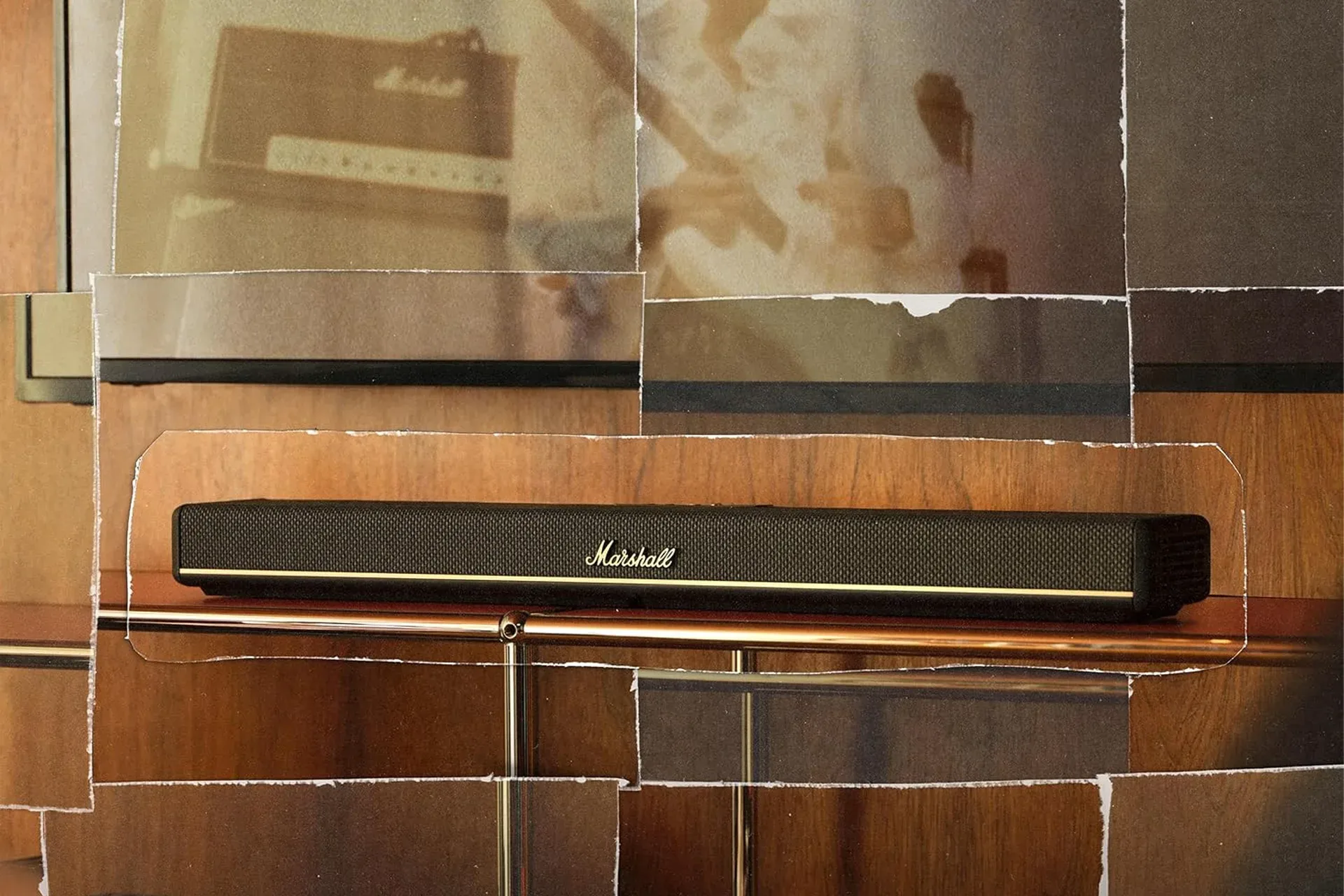
Audio bargains arrive in many forms, from portable headphones to living-room equipment. For a higher-end home-audio contrast, the site has also covered the Marshall Heston 60 soundbar listing with Dolby Atmos and 5.1-channel audio. The two products target very different situations, but the same shopping rule applies: evaluate the actual feature set and the exact listed configuration before the percentage-off badge starts doing the talking.
The Sony WH-CH520 listing’s clearest story is uncomplicated. Select new color options were available at $33 after an Amazon sales event, versus a stated $70 standard price. In return, buyers were looking at lightweight Bluetooth on-ear headphones with swiveling cups, an adjustable cushioned band, a built-in microphone, up to 50 hours of claimed listening time, and a short-charge claim of up to 90 minutes from three minutes plugged in. That is enough information to identify a potentially useful budget purchase—and enough reason to verify the variant before checking out.
Shop the products
Check current price, model and availability at the retailer.