Snap’s new Specs are arriving with a very large promise attached: not merely putting a camera, assistant or notification screen on someone’s face, but serving as a standalone augmented-reality computer that could reduce reliance on a phone. The company is scheduled to detail the device during an Evan Spiegel keynote in Los Angeles on September 16 at 4 PM PT, following an earlier reveal at Augmented World Expo.
The price is already known: $2,195. So is the broad ambition. What remains unresolved is arguably everything that determines whether the proposition works outside a presentation: comfort, everyday usability, the practical role of AI, and whether outside developers will provide the apps needed to make Specs useful over time.
A wearable computer, not simply AI glasses
Snap has drawn a deliberate line between Specs and the AI glasses promoted by competitors. Spiegel has described Specs as a wearable computer, framing the device as something intended to accompany a user through the day rather than act as a narrowly focused accessory.
That distinction matters because “smart glasses” can describe radically different products. In the broadest sense, smart glasses are eyewear with computing components. A pair might emphasize audio, cameras, voice control or an AI assistant. Augmented reality (AR), by contrast, refers to digital elements presented in relation to the real world. A standalone AR product therefore has a tougher task: it must make that digital layer responsive and credible enough to earn a place in daily routines.
Snap’s stated phone-independence goal is also the meaningful part of the pitch. A device that makes a few phone tasks easier is one thing; a device that actually reduces how often people reach for their handset must handle interactions quickly, comfortably and reliably. That is a notably high bar before the question of whether people want to wear its hardware in public even enters the conversation.
The design question cannot be avoided
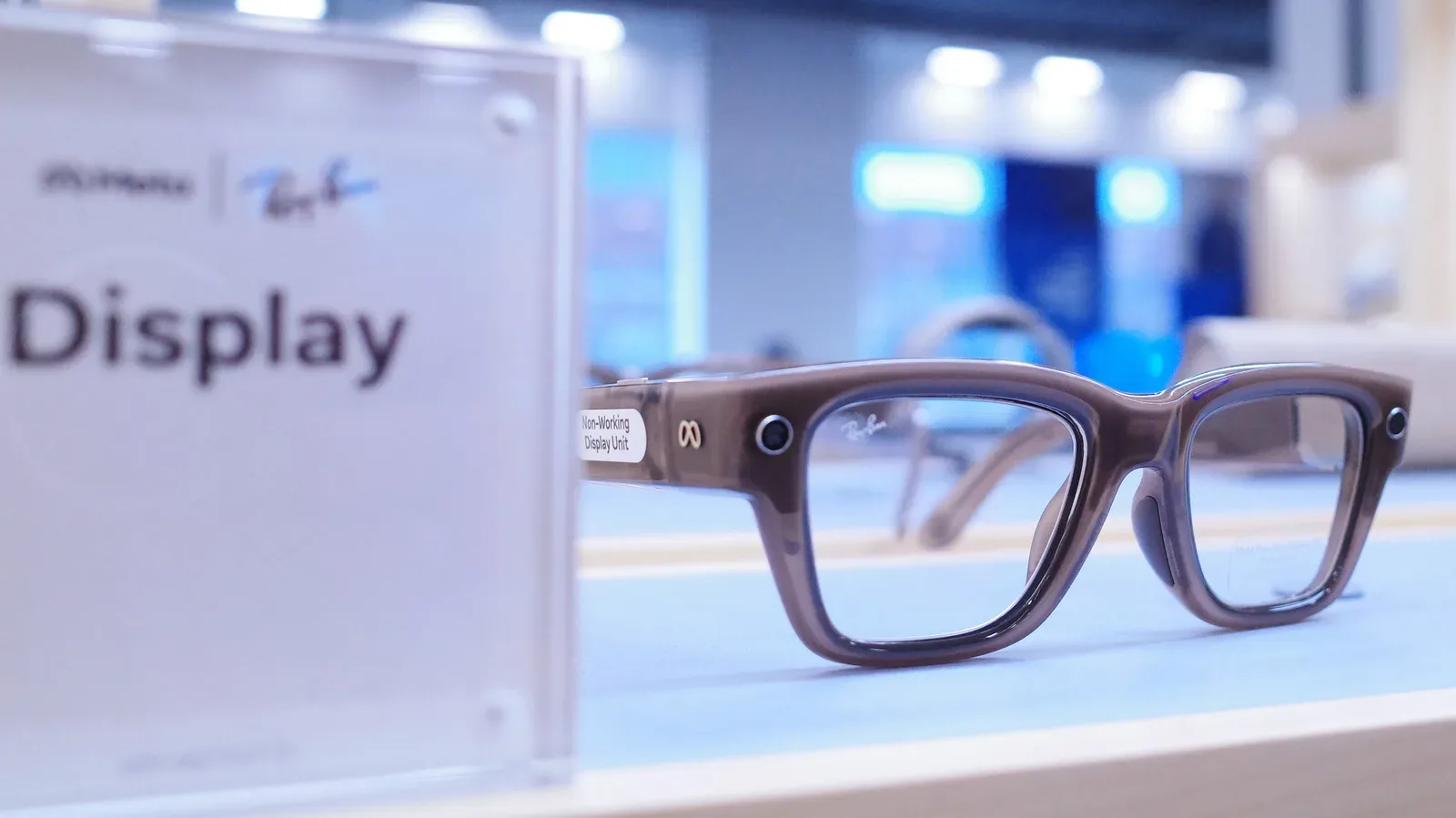
Specs have an oversized, chunky look, and Snap’s visual approach has already prompted strong reactions. Design is not a superficial issue for face-worn hardware. It is an adoption issue. A person can put a bulky handheld in a pocket when it is not needed; glasses are constantly visible and must remain tolerable over extended periods.
That is why comfort is one of the central unanswered questions heading into the event. The available information establishes that Snap has worked on hardware and performance upgrades over the past several years, but it does not establish how the glasses feel in ordinary use. No conclusion should be drawn yet about fit, fatigue or the kinds of day-long use the device can realistically support.
The $2,195 price further concentrates attention on those unanswered basics. At that level, Specs are asking potential buyers to evaluate more than novelty. They will need a clear reason to choose a device with an unusually conspicuous form factor and an ambitious computing claim. The keynote can clarify the company’s intended answer, but it cannot settle the individual comfort question for every wearer.
Apps may determine whether the hardware has staying power
Third-party software support is another major open issue. It is easy to describe an AR computer in terms of hardware, but a computing platform becomes more valuable when developers can create experiences that take advantage of it. The event is expected to provide a better sense of what app support looks like, but the currently available information does not confirm a list of external applications or developers.
That uncertainty is important. If Specs are meant to be a companion that can reduce phone dependence, software must turn the device’s capabilities into repeatable reasons to use it. In plain terms, hardware describes what the glasses can do; an app ecosystem often determines what people will actually do with them.
For game and interactive-media audiences, the same principle applies. AR hardware might suggest new ways to place interactive content in physical space, but the presence of a capable device alone does not prove that compelling experiences, developer tools or sustained support will materialize. Snap’s presentation is a place to watch for concrete demonstrations and platform details, not to assume them in advance.
AI is a question, not yet a feature list
AI is another area where the framing is clearer than the specifics. Snap is explicitly distinguishing Specs from AI glasses, yet AI’s role in the product remains one of the questions hanging over the launch. That creates a useful point of scrutiny: will AI be a background tool that helps users interact with the wearable computer, a central interface, or something else entirely?
For now, the evidence does not establish the answer. It would be premature to attach particular assistant functions, visual-recognition features or automated workflows to Specs before they are detailed. The distinction is worth preserving, especially as AI has become a catch-all label in consumer hardware. As seen in other mobile-device software pushes, such as Samsung’s expansion of AI tools across Galaxy phones, the useful question is not whether AI appears in a product description. It is what users can do with it, when it is available, and whether it improves the task at hand.
Specs will face that same test. The company’s wearable-computer language implies a broader goal than adding a fashionable AI interface to eyewear. Its keynote needs to show how the product’s software, interface and physical design work together around that goal.
What the September 16 keynote can answer
The Los Angeles event is positioned as the first substantial look at what this version of Specs can actually do. The most useful announcements would be the ones that convert broad positioning into checkable details: examples of real tasks, an explanation of how users control the device, information about available apps, and clearer context for AI.
- Daily use: What activities does Snap believe Specs can handle well enough to reduce a phone’s role?
- Wearability: How does the company address the practical concern around an oversized glasses design?
- Software: Which experiences are available, and what is the path for third-party app development?
- AI: What part does it play in using the device, rather than simply in marketing it?
- Value: What makes the $2,195 proposition persuasive for the people Snap hopes will wear it?
Those are not minor implementation details. They are the difference between a compelling technological demonstration and a product with a coherent place in everyday life. The standalone AR vision is ambitious precisely because it combines several difficult demands in one device: it must be wearable, useful, responsive, understandable and supported by software.
Snap is offering a dedicated livestream for the keynote, which begins at 4 PM PT on September 16. Until the presentation supplies those missing specifics, the most accurate read on Specs is straightforward: Snap has set an ambitious standalone AR target, named a premium price, and left the real-world questions of comfort, apps and AI for the launch event to answer.