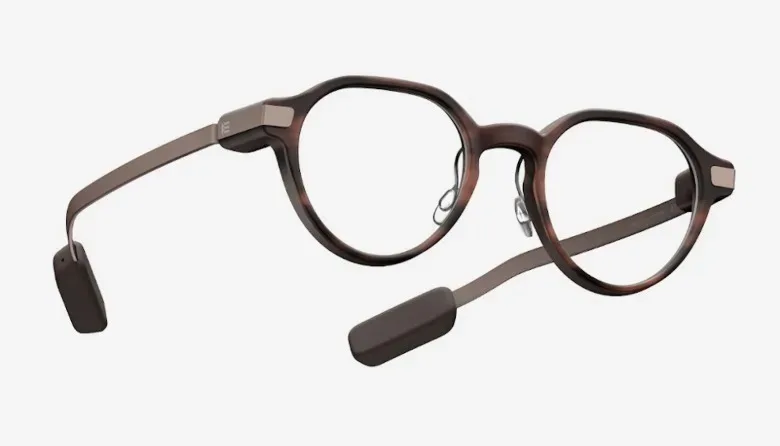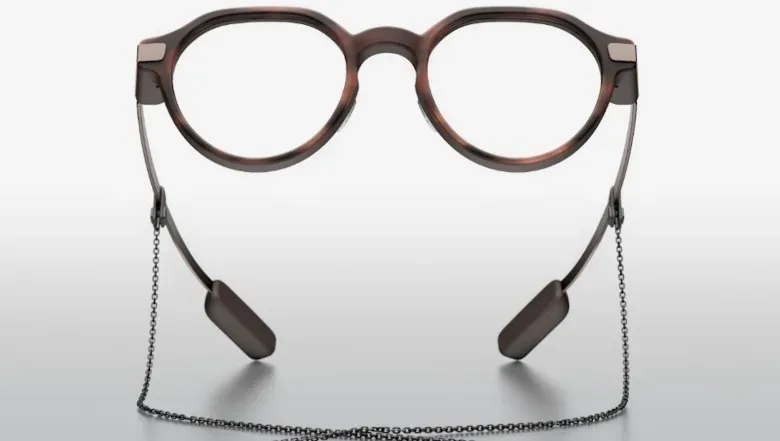
Even Realities has introduced the Even Brown 2, a brown-frame edition of its G2 smart glasses. It is not a radical new model in disguise, nor does it appear to trade the existing G2 feature set for a different hardware proposition. The meaningful changes are the color, a slightly lower weight than the standard G2, and a choice between rounded and more square frame shapes.
That may sound like a restrained update, because it is. But restraint is arguably the point. Smart glasses already ask wearers to accept a computer living on their face; making that computer look less like an escapee from a near-future police procedural is a practical product decision. The Even Brown 2 aims at a more conventional eyewear presentation while retaining a display-led set of tools for translation, notifications and teleprompter use.
What is actually different with Even Brown 2?
The Even Brown 2 is essentially the G2 in a brown colorway, with frames that are lighter than the standard version. Even Realities says every frame is individually shaped, pressed, tumbled and polished for 20 hours, leaving subtle visual variation from pair to pair. That does not make each unit a wholly bespoke pair of glasses, but it does mean the finish is intended to avoid an entirely uniform, assembly-line appearance.
Buyers can select one of two silhouettes:
- Rounded: a softer frame profile for people who prefer curves over corners.
- Square-shaped: a more angular alternative.
Frame fit, prescription compatibility, battery performance and other mundane-but-important ownership details are not specified here, so prospective buyers should not infer changes beyond the stated color, form-factor options and lower weight. A lighter frame can matter enormously in a device intended to sit on the nose and ears for extended periods, but “lighter” is a comparative description, not a promise that the glasses will suit every wearer.
The G2 feature set remains the main event
Under the brown exterior, the Even Brown 2 retains the capabilities associated with the G2. Its display can present live translation, notifications and a teleprompter. These are distinct functions that happen to share a common idea: useful information can be placed in the wearer’s view without constantly looking down at a phone.
Live translation
Live translation refers to translation delivered while a conversation or spoken material is happening, rather than the slower process of typing text into a translation app and waiting for a result. In a glasses format, the appeal is legibility and discretion: the translated material can be surfaced in the display instead of demanding attention from a handheld screen. The useful question for buyers is not merely whether it exists, but whether the language support, speed and display experience suit their own needs; those particulars are not detailed in the available information.
Notifications
Notifications are alerts relayed from connected services or devices. On paper, glasses notifications are a simple convenience. In practice, they also create a design challenge: alerts must be visible enough to help but not so persistent that the wearer feels like they have installed a tiny office lobby directly behind their eyeballs. The G2 approach puts that information in the display, making the glasses another possible front door for messages and prompts.
Related coverage includes Even Realities Adds Even Brown 2 G2 Smart Glasses and New Accessories.
Teleprompter mode
A teleprompter displays prepared text for a speaker to follow. Having that capability available through glasses could be useful for presentations, scripted videos, notes or remembering exactly why one opened a meeting with “just to circle back.” It is one of the clearer examples of smart glasses doing something that is awkward with a phone: the reference text can remain near the wearer’s line of sight instead of being held below it.
The established G2 display has been described favorably, and that matters because a clever feature list cannot compensate for information that is inconvenient or unpleasant to read. The Brown 2’s job is consequently less about changing the underlying utility and more about putting that same utility into a different, lighter-looking package.
Controls remain the issue to watch
The significant caveat around the G2 experience has been control. The system has been characterized as clunky, particularly when a smart ring is involved. A smart ring is a wearable device worn on a finger that can provide input or other connected functions; pairing one wearable’s controls with another wearable’s interface can sound wonderfully futuristic until the user has to remember which tiny gesture means “next” and which one accidentally starts an argument with the menu.
Even Realities has since issued a software update with new gestures and more refined controls on the glasses themselves. That is a meaningful response because it attempts to reduce the amount of interaction delegated to a companion wearable. Still, the available information does not establish that every control frustration has disappeared. New gestures and refined on-glasses controls should be read as improvements, not as a blank check declaring the interface perfectly intuitive.
This distinction is particularly relevant for a product priced far above a novelty gadget. A smart-glasses display can offer a genuinely useful heads-up view, but its value depends on the time and attention required to summon the right function. If teleprompter text takes too much fiddling to access, it is less helpful just when a speaker needs it most. If translation or notification controls demand too many steps, the phone in a pocket begins making a very persuasive case for continued employment.
AI coding-agent monitoring is now part of the pitch
A recent software update also enables the glasses to keep watch on AI coding agents as they work. An AI coding agent is software that can assist with programming tasks, potentially working through parts of a coding workflow on the user’s behalf. The glasses’ role is not described as writing code themselves; rather, they can provide a way to monitor that work from the display.
It is a niche feature, but a revealing one. Smart glasses are strongest when they act as a glanceable second screen rather than a complete replacement for a computer or phone. Watching the status of an automated task is exactly the kind of intermittent information that might fit a heads-up display: important enough to check, but not necessarily deserving of a separate screen every few minutes. AI-generated work also needs oversight, of course. Seeing an agent’s progress is not the same as establishing that its output is correct, secure or ready to use.
The broader conversation around AI-created material is moving quickly across entertainment and technology, as seen in this look at an AI-generated Odyssey project. For the G2, though, the immediate claim is narrower: a display-based way to observe coding agents while they operate.
New clips and a chain address the glasses part of smart glasses
Alongside the Even Brown 2, Even Realities has added two accessories. The first is a set of clips that add sunglasses functionality. Clip-on lenses are a straightforward answer to a very physical question: what happens when a display device designed as everyday eyewear meets bright sunlight? The clips cost $149.
The second is a wearable neck chain, intended to let owners carry the glasses around their neck when they are not being used. It costs $79. The chain is not a technical breakthrough, but it acknowledges a routine ownership problem. Glasses need somewhere to go between uses, and a neck chain provides a more immediate alternative to a case, pocket or the perilous “I’ll just put them on this table for one second” strategy.
Whether that convenience is worth $79 will be an individual judgment. The accessory’s purpose is clear, even if its price makes a humble shoelace start looking like a disruptive challenger with exceptionally aggressive value.
Price and practical buying case
The Even Brown 2 is available now for $649. With the sunglass clips and neck chain, the total rises to $877. That makes the accessories more than incidental extras for anyone who expects to use both; they materially change the cost of building the desired everyday setup.
The product makes the most sense for someone specifically interested in the G2’s display functions and who prefers a brown, more individualized frame finish or wants a lighter alternative to the standard G2. It is not presented as a cheaper gateway into the platform, and there is no evidence here of unique computing features reserved for Brown 2 owners.
Potential buyers should weigh the strong display-driven tools against the known sensitivity of the experience: controls have been an area of concern, even though updates have introduced new gestures and more refined on-glasses interactions. In other words, the hardware proposition remains compelling where it counts—putting translation, prompts and alerts in view—but the quality of the day-to-day interface will remain central to whether it feels like a useful companion or a very handsome way to negotiate with menus.