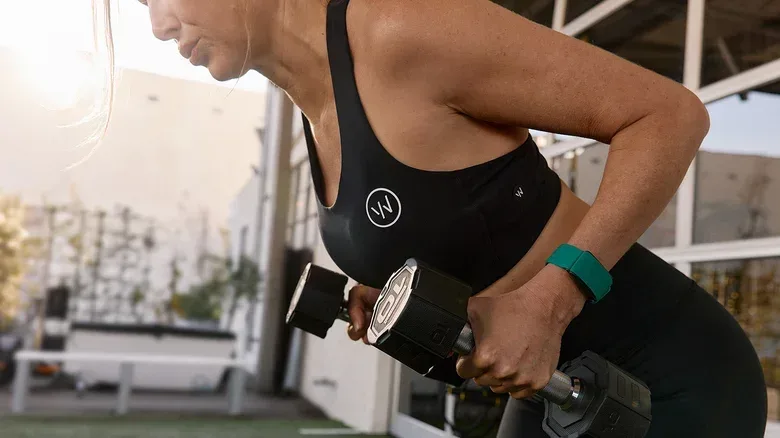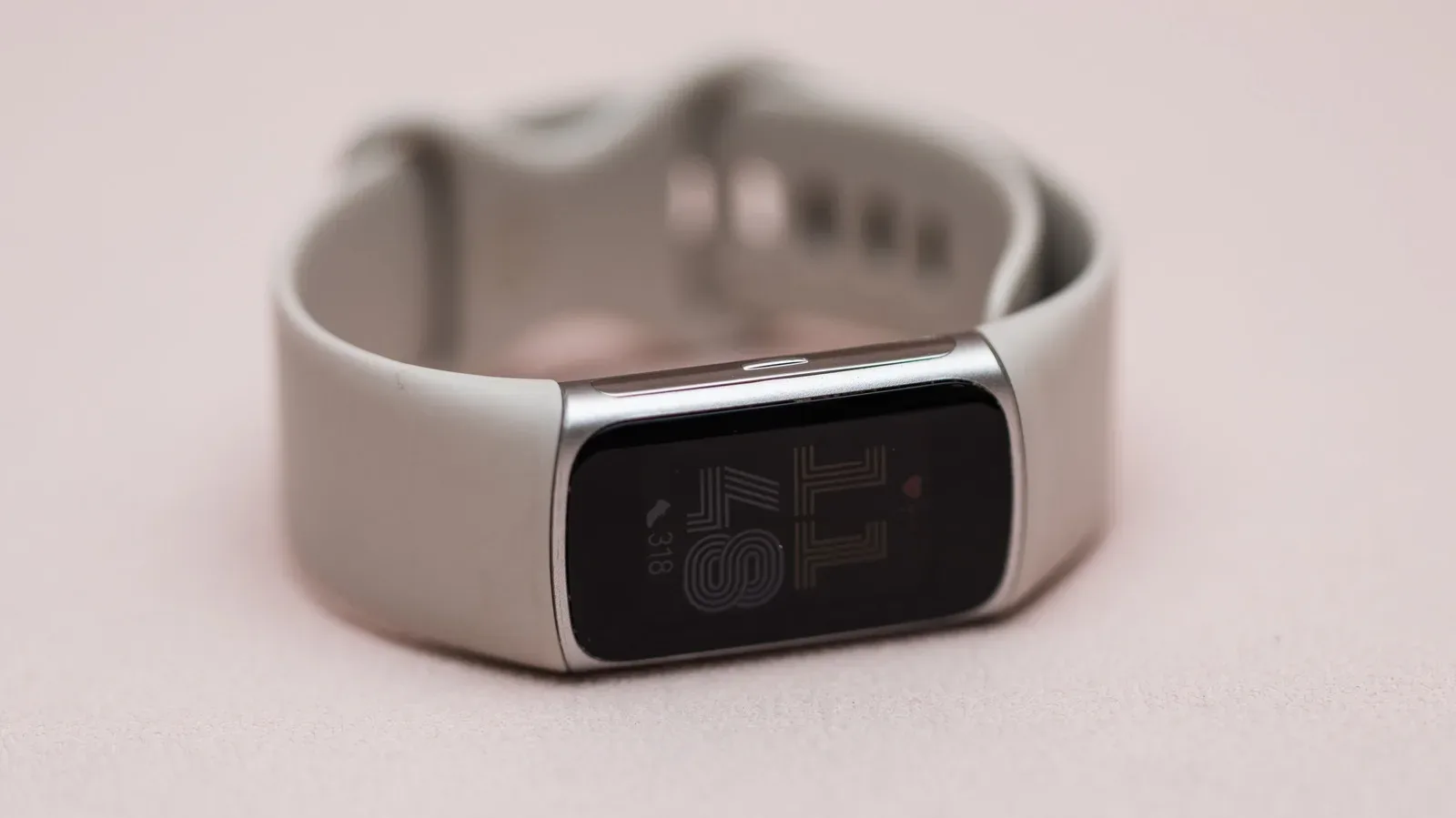
Screenless fitness trackers are built around a simple trade: leave the distracting wrist display behind and let a companion app turn the band’s readings into health and training information. Fitbit Air and Whoop MG arrive at that idea from very different directions. Both can track activity, sleep and vitals, and both offer app-based AI help. But Fitbit’s band is positioned as the simpler, lower-cost route into continuous tracking, while Whoop makes a much firmer commitment to detailed training analysis—and to an ongoing membership.
That difference matters more than a spec-sheet scrap over which band is sleeker. A wearable is not just hardware; it is a recurring relationship with its app, its charging routine and, in these cases, its subscription terms. Fitbit Air gives people a way to keep basic tracking after opting out of Premium. Whoop does not operate that way: membership is the product’s entry ticket.
For most people who want a quiet record of walks, workouts, sleep and daily vital signs, Fitbit Air has the more forgiving setup. For an athlete who wants granular analysis of exertion and recovery, can tolerate a denser interface and accepts a substantial recurring cost, Whoop MG makes the more specialized case.
Two bands, one screenless premise
Neither device is trying to be a smartwatch. The absence of a screen means the band does not constantly place alerts, apps or workout readouts on the wrist. Instead, the important work happens in the phone app, where activity, sleep and vital data are presented over time.
That approach can suit someone who finds a conventional watch distracting or who simply wants a tracker that is less conspicuous. The compromise is equally clear: anyone hoping to consult live information on their wrist will need to use their phone instead. Fitbit Air and Whoop MG should therefore be judged less as stripped-down smartwatches and more as always-worn data collectors whose value depends on the interpretation supplied by their respective apps.
Whoop has been in this niche for a long time, having launched its first tracker in 2015. It now faces competition from several companies, including Garmin, Luna, Hume, Amazfit and Google. Google teased an Air-like product on March 31, the same day Whoop disclosed a $575 million funding round that put its valuation at $10 billion. The coinciding dates do not establish a connection, but they underline how much attention screenless health tracking is attracting.
Battery and wearability: Whoop has the endurance advantage
Fitbit Air is slimmer than Whoop’s bands, a design choice that comes with a stated battery-life gap. Google rates Fitbit Air for up to seven days, while newer Whoop 5.0 and Whoop MG models are rated for more than 14 days. Those are manufacturer ratings rather than a promise that every wearer will see the same result, but the difference is large enough to shape everyday ownership.
Whoop also offers a wireless battery pack that slides over the band, allowing it to charge while remaining on the wrist. The pack adds bulk, but it means the tracker need not be removed as long as the external battery itself is charged. That is particularly useful for people who see uninterrupted measurement as the point of the device. Removing a tracker for charging can create gaps in sleep and activity records; an on-wrist charging system is designed to reduce that friction.
Related coverage includes Fitbit Air vs. Whoop MG: Choosing a Screenless Fitness Tracker.
Fitbit Air’s roughly week-long rating is not inherently inconvenient. Many people already charge watches or headphones routinely. Still, the practical question is whether one more charging habit sounds harmless or whether it is exactly the kind of interruption that will cause a tracker to spend time in a drawer. On longevity and charging flexibility, Whoop has a clear edge. On slimness, Fitbit Air has the counterargument.
The apps reveal the intended audiences
Both companion apps collect a wide range of information around activity, sleep and vital signs. Both also incorporate AI assistance that can be used to log meals, seek guidance and build wellness or workout plans. The similarity stops at the level of ambition and presentation.
Whoop is aimed more squarely at committed fitness and wellness users. Its app emphasizes strain and recovery. In straightforward terms, strain is a way of expressing training load or exertion, while recovery is a readiness-oriented view intended to help a person consider how prepared they may be for another hard session. Those concepts can be useful for people managing demanding cardio or strength work, but they also introduce more numbers and more interpretation. Someone who only wants to know whether they slept decently and moved enough may find that depth excessive.
Whoop also captures heart-rate data at a higher sampling frequency. Sampling frequency refers to how often a sensor takes readings over a period of time. Higher-frequency collection can support a more detailed record, although data quantity by itself does not tell an individual what action to take. The benefit is most meaningful for users who actually want the app’s deeper training context rather than a quick daily check-in.
Fitbit Air’s Google Health app is described as the more approachable option for typical users. That is an important advantage, not a consolation prize. Health information only helps if a person understands it and returns to it. An interface that makes sleep, activity and vital readings easy to locate may be more valuable to a casual wearer than a dashboard full of advanced metrics.
The AI experience is another point of separation. With Google Health Premium, Fitbit Air adds an AI Coach designed for conversational requests: logging a breakfast, discussing a sore shoulder or asking for a training plan to be adjusted around that concern. Whoop also offers AI support, but Fitbit’s approach is framed as more natural for these everyday exchanges. Neither sort of assistant should be confused with medical care; they are tools for organizing wellness information and guidance, not a substitute for a clinician’s diagnosis.
Whoop plans to offer in-app video consultations with licensed clinicians in participating locations. The wording matters: this is a planned feature, and availability depends on location. It should not be treated as a universal current benefit when comparing the platforms.
Automatic activity detection could matter more than it sounds
One especially practical distinction is activity detection. Whoop is described as better at recognizing activities automatically. That can be valuable for strength training and intense cardio, where a person may not want to start and stop a workout manually around every session. A tracker that catches the session without intervention reduces the administrative side of exercise and can make the resulting history more complete.
It is also worth keeping expectations grounded. Automatic recognition is a convenience feature, not a reason to assume every activity will always be labeled perfectly. Still, for users whose workouts vary frequently or happen spontaneously, it is a meaningful reason to favor Whoop’s more training-focused ecosystem.
The subscription math is the real boss fight
The biggest decision is not the sensor package. It is how each company gates the useful parts of its platform.
Fitbit Air costs $100 for the hardware and includes a three-month Google Health Premium trial. After that, Premium can be canceled, leaving basic health insights, activity tracking and sleep tracking available. Premium costs $100 annually on an annual plan or $10 monthly. Its paid tier unlocks AI-driven assistance, guidance, training plans, workout access and deeper sleep insights. Google AI Pro or Ultra subscribers may receive Google Health Premium as a perk, which could alter the calculation for people who already pay for one of those plans.
Whoop uses a membership model, with hardware included as part of that arrangement. A membership begins at about $149 for the first year, then $199 after the first year; monthly users pay $25 per month. Its highest tier reaches $359 annually. There is no comparable no-subscription Whoop experience for someone who only wants the basic readings.
There is a regional wrinkle worth checking before purchase. In the US, Mexico, Canada, the EU and UK, Whoop One is sold on Whoop 5.0 hardware at $199 per year. Outside those regions, Whoop One memberships are supplied with a certified pre-owned 4.0 sensor and an Onyx Superknit Band. Certified pre-owned does not inherently mean defective, but buyers who prefer new hardware should not overlook that distinction.
The contrast is stark. A Fitbit Air owner can pay $100 upfront, use the trial, then keep a basic tracker without a further mandatory fee. A buyer who wants the premium Fitbit experience faces $100 for the band plus $100 each year on the annual plan. Whoop may include its hardware, but a membership is unavoidable and can cost considerably more depending on the tier. The better value therefore depends on whether the user needs Whoop’s advanced analysis enough to justify its continuing commitment.
Which band makes sense?
Choose Fitbit Air if:
- You want basic activity, sleep and health tracking to remain available without a subscription.
- You prefer a slimmer band and a more approachable app.
- You want optional AI-led meal logging, wellness guidance and training plans rather than a mandatory paid platform.
- You are a casual fitness user, daily walker or someone looking for a straightforward snapshot of sleep and vital signs.
Choose Whoop MG if:
- You are undergoing intense training and actively want detailed strain and recovery information.
- You value longer rated battery life and the ability to charge with the band still on your wrist.
- You prefer more frequent heart-rate collection and stronger automatic activity detection.
- You are comfortable with a membership-first model and a more data-dense app.
Fitbit Air is the sensible default for most shoppers because it retains basic usefulness when the subscription ends, and its premium service is optional. Whoop MG is more of a deliberate investment: potentially compelling for serious training, but difficult to recommend to anyone who dislikes recurring fees or does not need advanced readiness-style analysis.
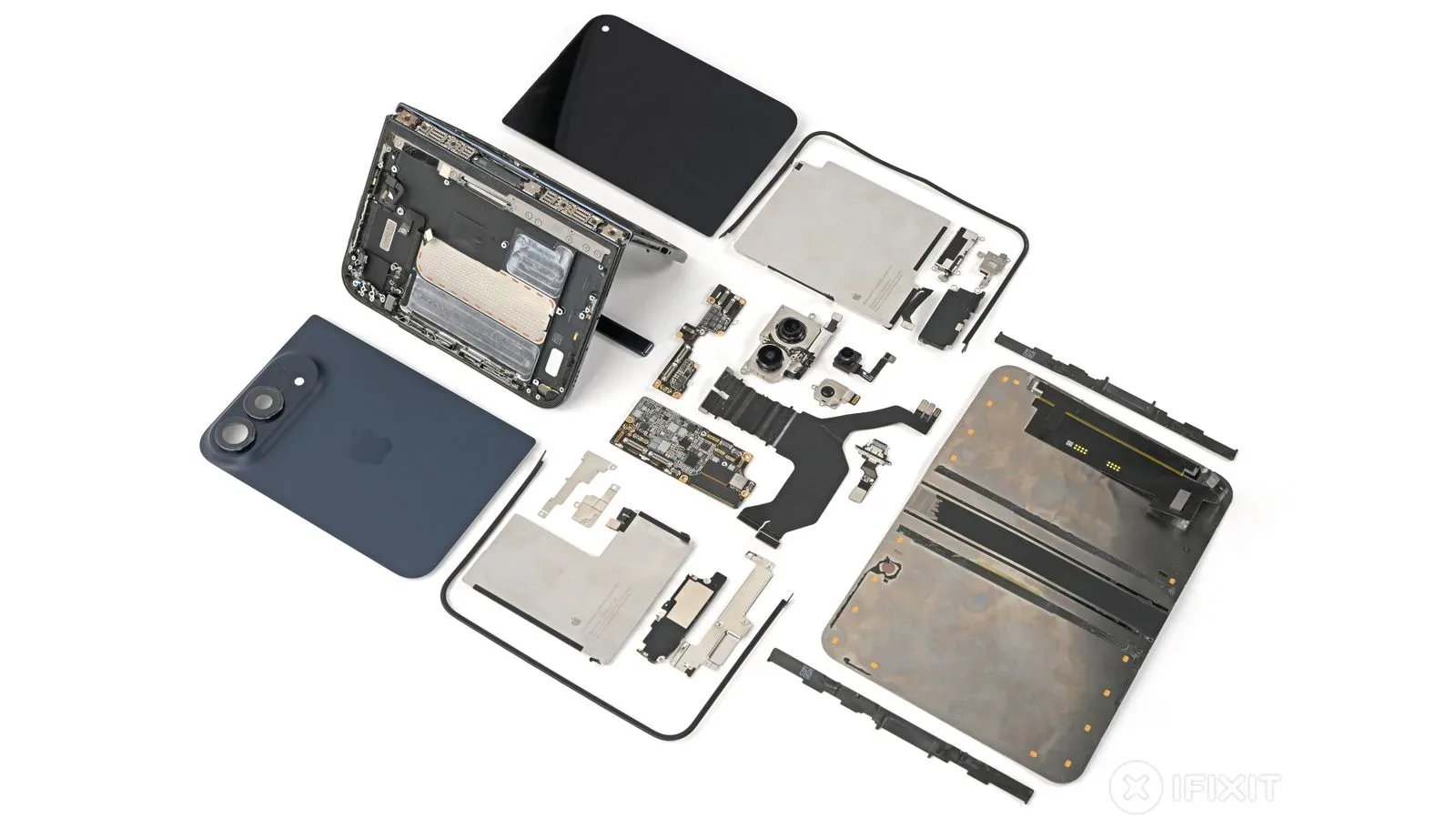
The wider lesson for anyone shopping for a screenless wearable is to look beyond the band. Check what survives after a trial expires, how often it must charge, whether the app’s language makes sense to you, and whether the data will change your habits rather than merely decorate a dashboard. It is the same kind of ownership question that matters in other mobile tech, where the hardware design can shape daily use—such as the hinge concerns discussed in this look at a possible iPhone Duo screen-failure factor. In fitness tracking, the equivalent pressure point is subscription lock-in: not whether the band looks good on day one, but whether it remains worth wearing a year later.