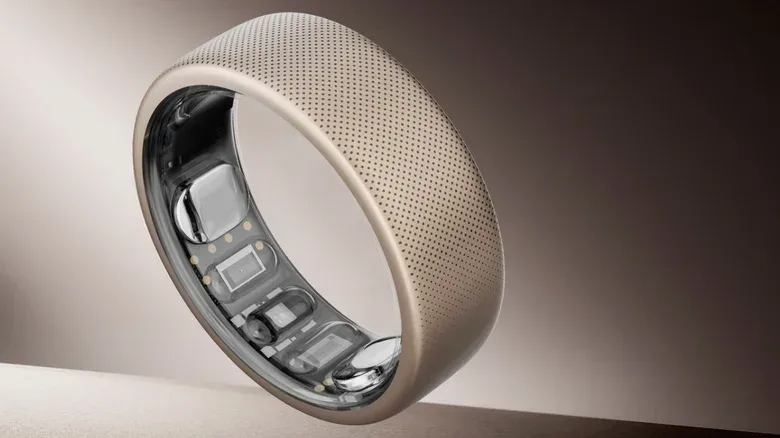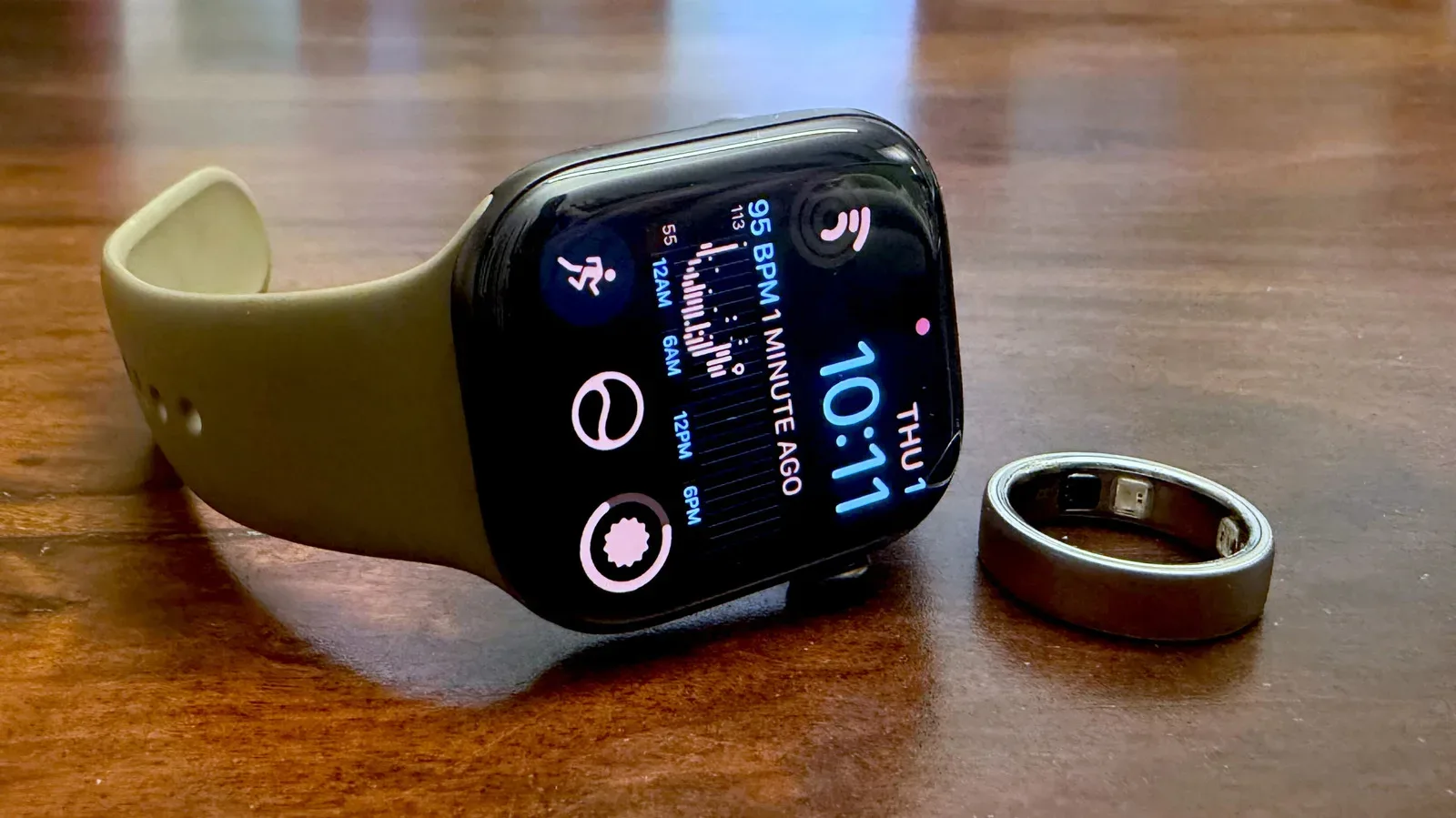
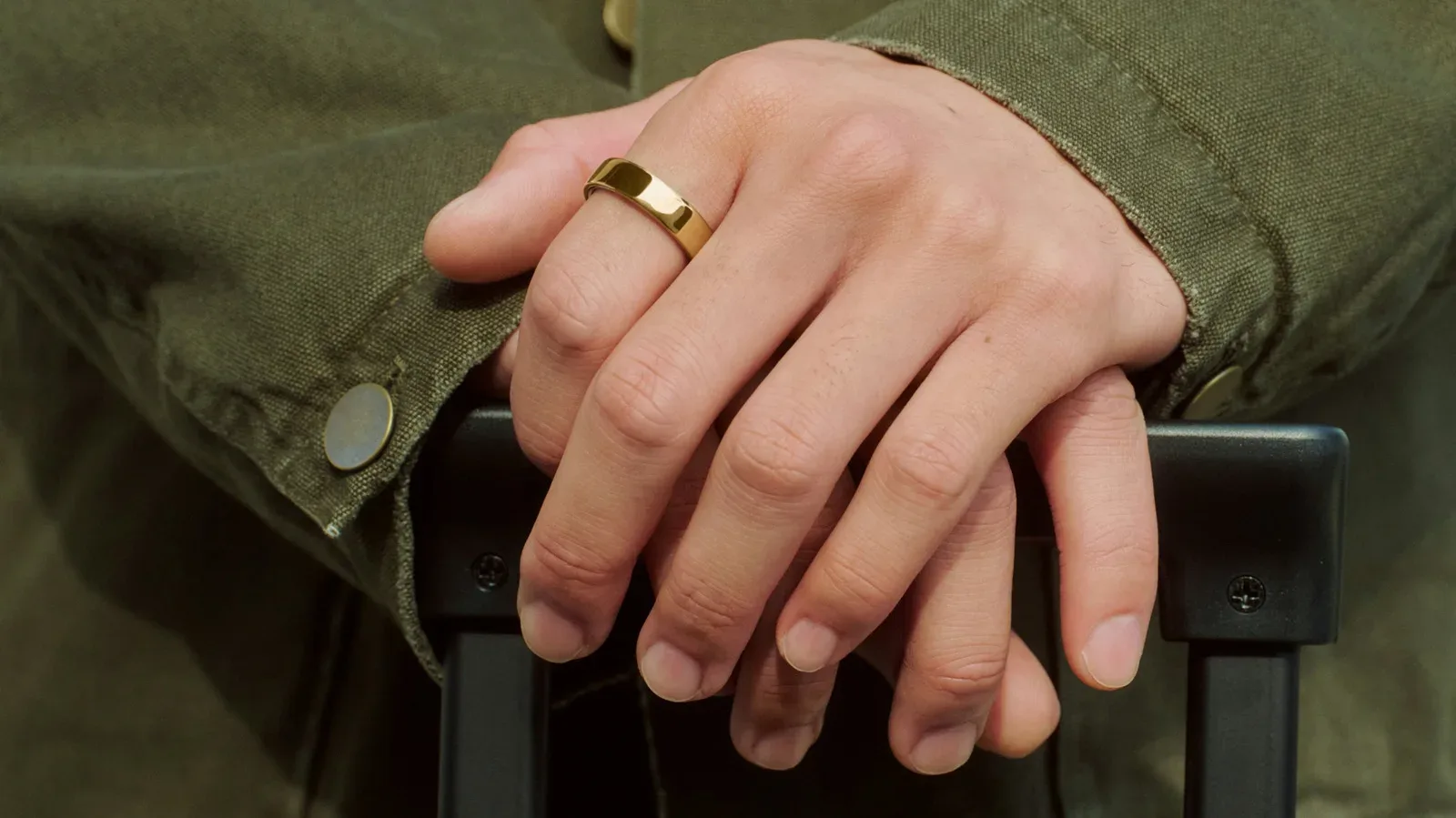
Smart rings are meant to be discreet health trackers, but their costs can be much less discreet. Oura Ring 5 starts at $399, and its detailed sleep, recovery and health insights sit behind a membership priced at $5.99 monthly or $69.99 annually. Without that plan, the ring supplies three daily scores: Sleep, Activity and Readiness.
That distinction matters more than a headline hardware price. Two years of annual membership brings the entry Oura Ring 5 to nearly $539 before tax. Oura’s slimmer design and roughly weeklong battery life remain meaningful strengths, but buyers who do not want another recurring charge have a growing list of alternatives.
The catch is that “no subscription” does not automatically mean “better value.” A lower-priced ring may have limited sizing, shorter battery life, incomplete health features, weaker data reliability or an app that struggles to turn readings into useful guidance. Even a more expensive ring can cost less over time if its core tracking is included. Here is what separates the main options.
First, compare the total cost—not just the ring
Oura’s pricing provides a useful baseline. At $399 for hardware plus $69.99 each year for membership, the base model reaches almost $539 after two years. That calculation does not say that an Oura Ring is automatically a poor purchase; it says a membership is a continuing part of the product’s cost for people who want the detailed analysis.
For a smart ring, the practical value comes from two connected elements: the sensors collecting information and the companion app interpreting it. A ring can record heart-rate, sleep or temperature-related measurements, but data without understandable trends, context or dependable syncing may be less useful than a smaller set of well-explained results.
That is why comparison shopping should separate three questions:
- What is included? Check whether sleep, recovery, heart-rate, temperature and advanced analysis are available without a paid tier.
- Will the ring fit and work with your phone? Physical sizes and mobile-platform restrictions can rule out an otherwise attractive model.
- Are the reported measurements and app experience credible enough for your needs? A low upfront price loses some appeal if exercise readings are inconsistent or sleep information is difficult to trust.
Health metrics should also be treated as wellness information rather than a diagnosis. That boundary is especially important with features that sound clinical, such as ECG or sleep-apnea pattern monitoring.
Amazfit Helio Ring: the lowest-price route, if it fits
At around $161, the Amazfit Helio Ring is dramatically cheaper than the starting price of an Oura Ring 5. It tracks sleep, heart rate and recovery through the Zepp app, and its data can work alongside an Amazfit smartwatch. Helio owners can currently receive Zepp Aura Premium at no extra cost, which makes the proposition more attractive for someone who wants software analysis without an added monthly bill.
The limitation is unusually concrete: the Helio Ring is available only in sizes 8, 10 and 12. Fit is not a minor detail for a device worn continuously and used for sensor readings. A shopper outside those sizes has no real bargain here, regardless of the listed price.
Amazfit rates the battery for up to four days, too. That is shorter than Oura’s approximate week and well below the 10-day claims attached to some rivals. Four days can still be manageable, but it asks for more deliberate charging. For sleep tracking in particular, a charging routine that removes the ring at inconvenient times can create gaps in the very data a buyer wanted.
In short, the Helio Ring is best viewed as a highly price-sensitive option for a shopper who already knows one of its sizes works and is comfortable with more frequent charging. Its smartwatch integration may be a further draw for existing Amazfit users, but limited fit availability is the deciding practical compromise.
Renpho LYNX: affordable hardware, but confidence is the issue
Renpho’s LYNX costs $179.99 on sale, down from $199.99, and includes a portable charging case. It supports both iOS and Android and tracks sleep, stress and activity without a required subscription. On paper, that is an accessible combination: cross-platform compatibility, a travel-friendly charging method and a lower upfront payment than Oura’s base ring.
But the more consequential question is whether its health information is dependable. Hands-on testing found the LYNX’s heart-rate data inconsistent during exercise, while its sleep data was also questionable. The app reportedly offered limited analysis of what it recorded.
Those drawbacks go beyond a missing premium feature. When tracking is inconsistent, a wearer may not know whether a shift in a chart reflects an actual change or an unreliable reading. And when app interpretation is sparse, the burden shifts back to the user to make sense of raw or lightly summarized information.
The portable case is still a genuine convenience, especially compared with a simple charging dock, but it cannot compensate for uncertainty about core tracking. The LYNX demonstrates a key smart-ring buying rule: a cheaper device is only a value if its baseline metrics and presentation are useful enough to act on.
RingConn Gen 2 Air: sleep-focused value with a few deliberate omissions
The RingConn Gen 2 Air costs $199 and promises up to 10 days on a charge. Its included, no-fee tracking covers heart rate, skin temperature and sleep. For someone who primarily wants overnight monitoring while avoiding a monthly bill, the long claimed battery life is a major practical advantage: fewer charging interruptions should make it easier to maintain a consistent sleep record.
Skin-temperature tracking is worth interpreting carefully. The supplied information identifies it as a monitored metric, but it does not establish any diagnosis or specific medical use. More broadly, smart-ring measurements should be read as signals and patterns that may support personal awareness, not substitutes for professional medical evaluation.
RingConn’s compromises are straightforward. Gen 2 Air comes with a charging dock, not a portable battery case. It also does not include sleep-apnea pattern monitoring; that feature is reserved for higher-priced RingConn models. A dock may matter little to a person who charges at the same spot each time, while the absence of a specific advanced feature matters more to someone shopping expressly for it.
For its price, Gen 2 Air occupies a focused middle ground. It does not claim to be the most feature-packed ring in every category. Instead, it offers core overnight and health monitoring, a notably long rated battery duration and no additional fee. That clarity may make it one of the easier options to evaluate.
Samsung Galaxy Ring: long-term savings, but not for iPhone users
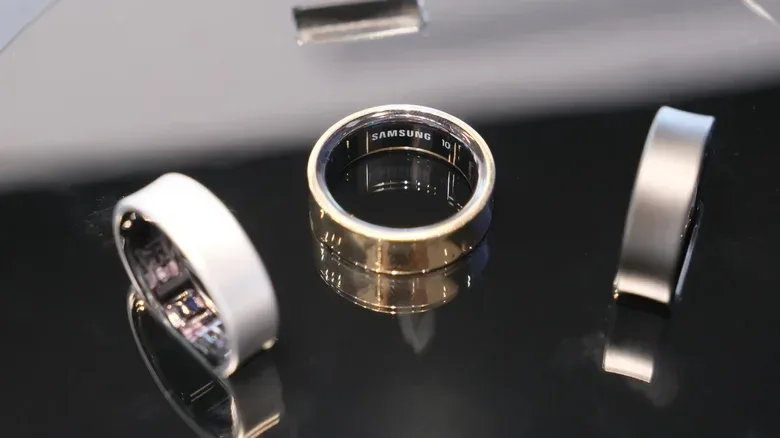
Samsung’s Galaxy Ring has a $399.99 list price, essentially matching the starting cost of Oura Ring 5. It has also been listed at $324.99, although retailer pricing can change. The important cost difference is not necessarily at checkout: Samsung does not charge a membership for health-tracking features, and the ring includes a charging case.
At Oura’s annual membership rate, a no-fee Galaxy Ring can become less expensive over time even if the initial hardware prices are close. It is a classic total-cost-of-ownership decision. The hardware price tells buyers what they pay today; the membership policy indicates what they may keep paying to access the experience they expected.
There are meaningful ecosystem boundaries. Galaxy Ring is Android-only, excluding iPhone users outright. Some Galaxy AI features additionally need a compatible Samsung Galaxy phone. Android compatibility therefore is not the full story: owners of other Android handsets should distinguish the ring’s basic eligibility from access to particular Samsung-specific capabilities.
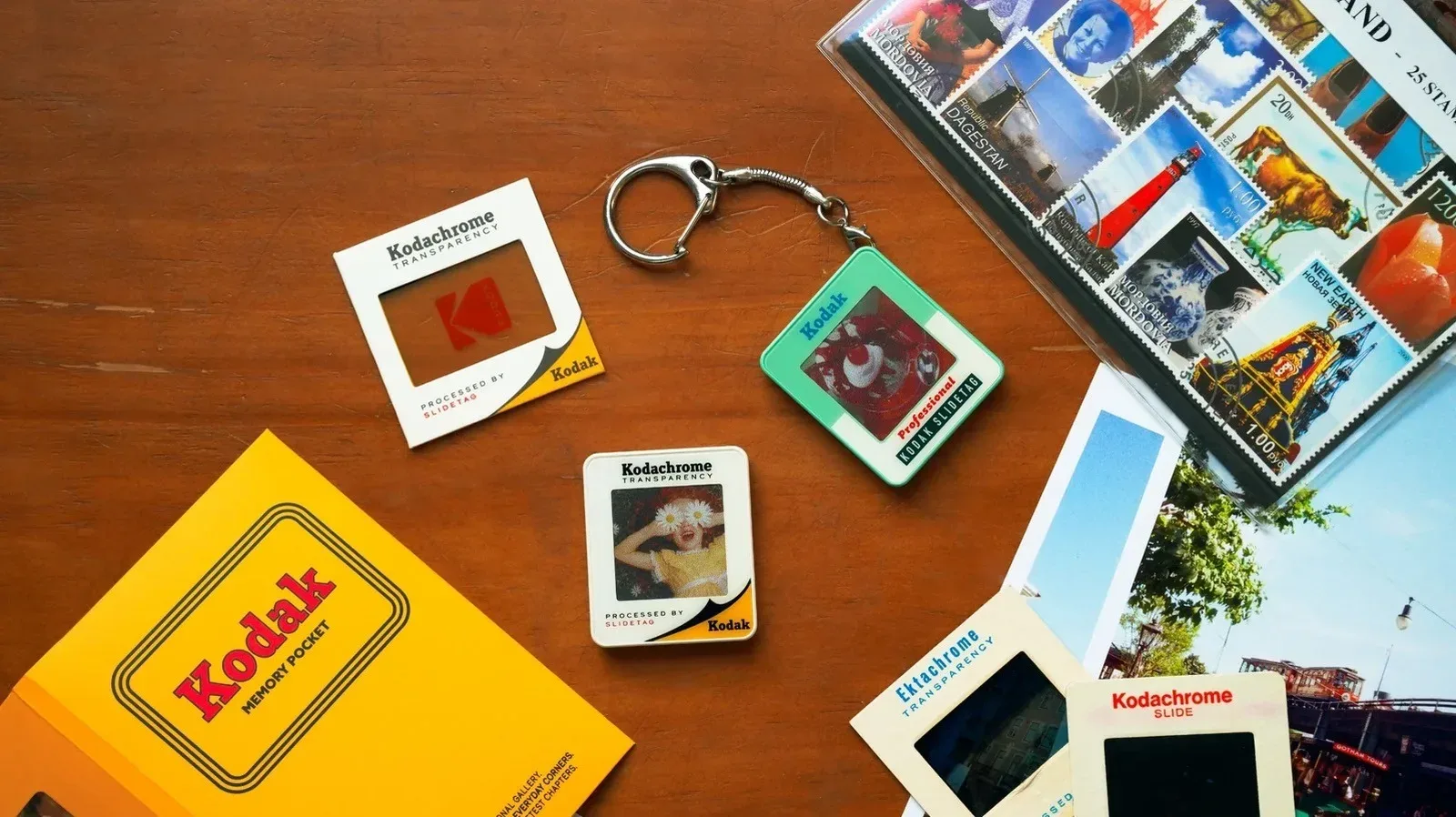
The Galaxy Ring has been characterized as somewhat basic for its price, so it should not be treated as an automatic replacement for Oura simply because it avoids a membership. But for an Android user—particularly one with a compatible Samsung phone—its lack of recurring health-feature fees and included case can make its longer-term economics compelling. The broader gadget world is also seeing more small connected accessories, including the e-ink display and tracker combination in this Kodak SlideTag report, but phone ecosystem and ongoing costs remain essential questions in any wearable purchase.
Circular Ring 2: advanced-sounding hardware meets software friction
Circular Ring 2 is priced at $349 and includes sleep tracking, heart-rhythm monitoring and single-lead ECG readings without requiring a subscription. An ECG, or electrocardiogram, records electrical activity associated with the heart. “Single-lead” describes a more limited form of ECG capture than multi-lead medical systems, and Circular explicitly says its health measurements are not intended for medical diagnosis.
That warning is not fine print to skip. Features such as heart-rhythm monitoring can be useful as personal information, but a consumer wearable should not be used to diagnose a condition. Anyone concerned about symptoms or a health issue needs appropriate medical guidance rather than a ring’s app result.
Circular’s basic package does not end every charge: some advanced functions require an additional payment. Buyers considering it specifically to escape subscriptions should identify which features they actually expect to use and whether they fall into the extra-cost category.
The larger reported concern has been software. Reviews have described the app as cluttered and slow to synchronize, though Circular has issued updates intended to address connectivity problems. That creates an unresolved but important purchasing consideration. Hardware capability matters only if the day-to-day software reliably receives, displays and explains the information. Prospective owners should recognize that updates may improve an experience, while not assuming every prior concern has disappeared.
Ultrahuman Ring Pro: robust core tracking, extra add-ons and a legal cloud
Ultrahuman Ring Pro costs $479, making it more expensive than Oura Ring 5 at the point of purchase. It includes a charging case and free core health tracking, however, while optional PowerPlugs cost extra. That structure differs from a broad mandatory membership: the base tracking is included, but buyers interested in particular optional additions may still spend more.
The Ring Pro’s app has been noted for its detail, and its battery life is about 10 days. Automatic workout detection has not been flawless, though, sometimes failing to capture workouts. Automatic detection means the device attempts to recognize exercise without the wearer manually starting an activity. When it misses a session, the convenience of passive tracking is reduced and activity records may be incomplete.
There is also a purchase-risk issue unrelated to sensors or battery. In October 2026, Oura sued Ultrahuman again while seeking to block U.S. sales of Ring Pro. An earlier patent ruling had already blocked imports of the Ring Air. This does not establish the outcome of the newer action, but it does create uncertainty around the product’s U.S. sales situation. Anyone considering Ring Pro should account for that uncertainty rather than evaluating it solely on its capabilities and no-fee core tracking.
How to choose without getting distracted by the ring itself
The cleanest way to narrow these options is to start with non-negotiables. iPhone users can remove Galaxy Ring from consideration. People who do not fit sizes 8, 10 or 12 can do the same with Helio Ring. A buyer who wants sleep-apnea pattern monitoring cannot assume it is part of the RingConn Gen 2 Air package. Someone who values automatic workout capture should note the reported misses on Ultrahuman Ring Pro.
Then calculate a time horizon. Compare the device price today with the charges likely over one or two years, including any optional paid features you know you want. After that, weigh charging habits: a four-day rated battery, a weeklong battery and a 10-day claim are meaningfully different for a device intended to track nights as well as days.
Finally, do not let a long feature list replace questions about fit, software and trust. The best no-subscription smart ring is not simply the least expensive one. It is the one whose available size, phone support, charging setup, included metrics and app quality fit the particular wearer—without turning health tracking into another bill they did not plan to keep paying.
Shop the products
Check current price, model and availability at the retailer.