A phone accident has an annoying way of turning into a budgeting boss battle. One drop can mean a fractured display, an unreliable charging port, a camera lens that now resembles a spiderweb, or the all-purpose dread of possible water damage. The immediate instinct may be to shop for a replacement, especially when every new flagship is advertising sharper cameras, brighter screens and features your current device cannot receive.
But a damaged phone is not necessarily a dead phone, and a new handset is not automatically the sensible financial answer. With many premium models already comfortably above $1,000, paying for a targeted repair can be the much better move. On the other hand, pouring money into an aging, sluggish device with limited support can turn a repair bill into a costly delay of the inevitable.
The goal is not to obey a universal rule. It is to compare the condition of the phone you have, the actual cost of restoring it, and how long it can still serve you after the repair. Think less “new gadget versus old gadget” and more “what purchase gets me a reliable phone for the least regret?”
Start with the phone’s current market value
A useful benchmark is to consider repair when the quoted cost is below roughly 30% of the device’s current market value, provided that you expect to keep using it for at least another year. This is not a law engraved on the back of a SIM tray, but it is a practical starting point.
For example, a single cracked screen or worn battery can be an easy repair decision on a phone that still has meaningful resale value, competent day-to-day performance and years of updates remaining. The same repair quote can look far worse when applied to an inexpensive or much older model that has fallen sharply in value.
Current market value matters more than the original retail price. A phone that cost a great deal at launch may now be worth much less, while a repair price can remain relatively high because parts and labor do not always decline at the same pace. Before committing, compare the repair estimate with prices for equivalent used or refurbished devices, as well as the trade-in credit available for your damaged handset.
Use the 30% rule as a checkpoint, not a substitute for judgment
A repair slightly above that threshold is not automatically irrational. A well-functioning phone may still be worth preserving when the issue is isolated, you prefer its size or features, and it remains supported by its maker. Likewise, a repair below 30% is not necessarily wise if the device has several looming problems waiting in the queue like unskippable side quests.
- More favorable repair cases: a cracked display, tired battery, faulty charging port, or damaged camera lens on an otherwise dependable phone.
- Less favorable repair cases: liquid exposure, a damaged motherboard, a bent frame, recurring faults, or several components failing at once.
- Key question: after paying for this repair, will the rest of the phone plausibly work well for another year or longer?
Identify whether the problem is one component or the whole device
Not all damage carries the same risk. A battery that has lost stamina is a relatively clear problem: replace the battery, and the phone may regain much of its usefulness. The same is often true of a screen or charging port when there is no evidence of broader internal damage.
Water damage is much harder to evaluate. Even if a phone powers on after drying out, corrosion or intermittent issues can emerge later. Motherboard damage can be expensive, difficult to address, or simply not worthwhile on a device that has already aged out of its best years. A bent frame can also complicate what sounds like a simple screen replacement, since a new display may not fit or remain secure as intended.
Ask for a formal assessment and a full quote from a repair shop before deciding. That estimate should clarify whether the listed price solves one obvious fault or whether technicians have found additional damage. An inexpensive-looking repair that leaves two expensive unresolved problems is not the bargain it first appears to be.
Software support is part of the phone’s remaining lifespan
A repaired phone needs more than functional hardware. It also needs a credible future for security updates and operating-system support. A device can be physically restored but still be nearing the point where its software experience becomes less secure, less compatible and increasingly compromised.
Apple’s iPhones have commonly received around five to seven years of software updates. Samsung, beginning with the Galaxy S24 generation, committed to seven years of the latest updates for its S-series and Z-series flagships. Its lower-cost A-series phones have a shorter stated window of three years of updates. Those timelines do not mean every newer feature will arrive on every supported device; hardware-specific functions can remain exclusive to newer models. But continued support can substantially strengthen the argument for repairing a phone.
That distinction is important for people tempted by a particular new feature. The Pixel 11’s custom Camera Looks presets and the iPhone 17 family’s Dual Capture video recording are tied to new hardware. A screen replacement will not transform an older handset into either of those devices. Yet missing a marquee feature is different from having a phone that no longer handles everyday communication, apps, maps, banking or media reliably.
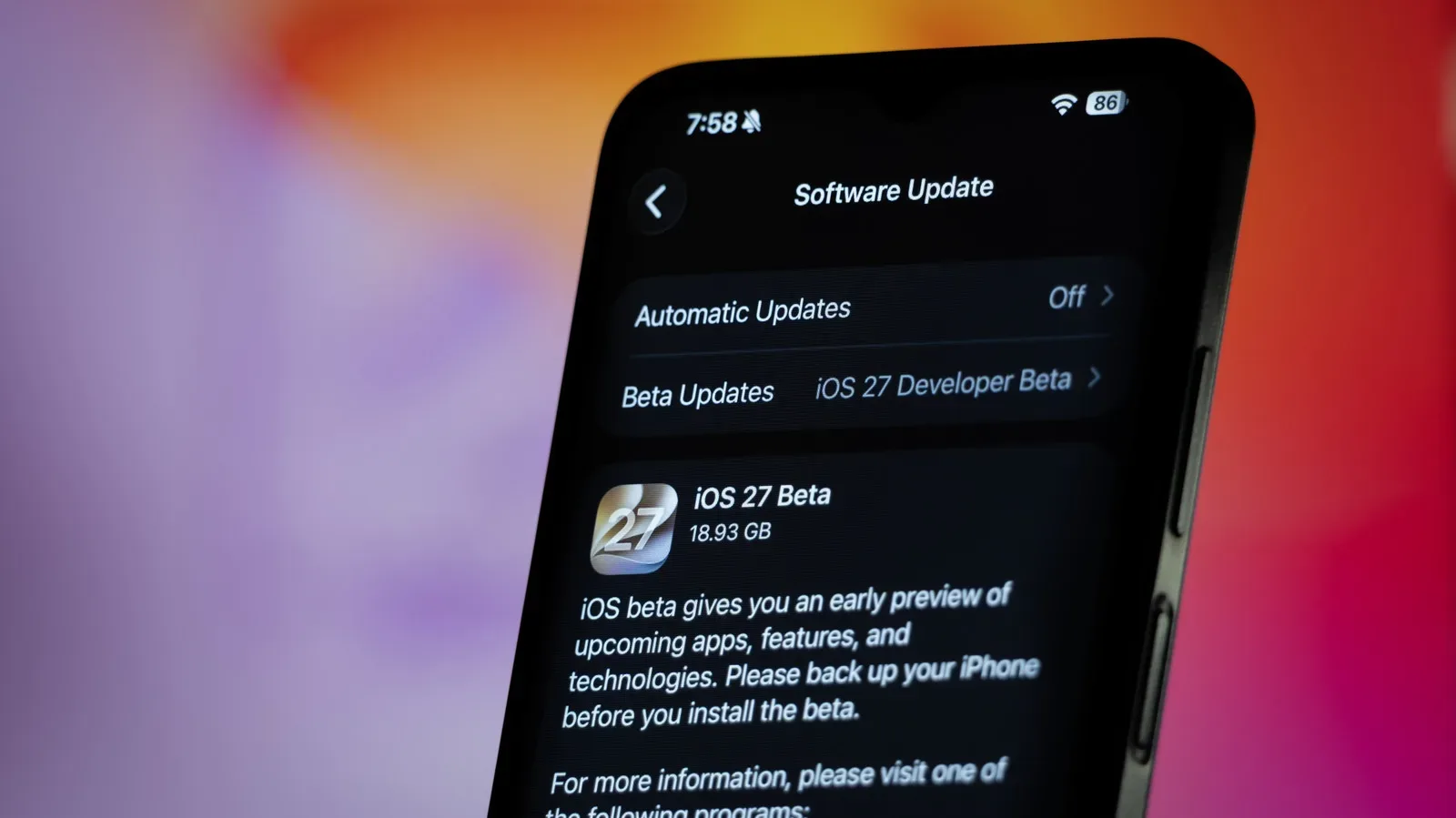
Small quality-of-life changes can be reason enough to upgrade for some people, but do not mistake them for proof that an otherwise capable phone has expired. For iPhone owners weighing whether a software feature changes the equation, our look at iOS 27 alarm volume behavior is a reminder that not every useful improvement requires buying an entirely new device.
Performance and warranty status can tip the scales toward replacement
When a phone has become noticeably slow, frequent repairs are more difficult to justify. A new screen can remove the crack; it cannot make an aging processor feel modern. A battery replacement can extend time between charges; it cannot solve persistent lag, app instability or storage constraints that affect daily use.
This is especially true once a device is out of warranty. If it is slow and faces a major repair, spending more money may merely restore a frustrating phone to its previous frustrating state. In that case, replacement becomes less about chasing the newest release and more about buying back dependable performance.
Protection plans can change the calculation. AppleCare+ and Samsung Care+ may reduce the cost of certain repairs, making it more feasible to keep a phone that would otherwise be too expensive to fix. Check the specific coverage, deductible and eligibility for the device in question rather than assuming every kind of damage will be handled the same way.
A quick replacement checklist
- Is the phone sluggish in routine tasks? If performance is already a regular problem, repair has less value.
- Is the handset outside warranty? Out-of-warranty major damage is more likely to produce an unattractive quote.
- Are there multiple failures? A broken motherboard, damaged frame and shattered screen together are a major warning sign.
- Is software support running short? A repair is easier to defend when updates will continue for years.
- Would a trade-in or seasonal promotion narrow the replacement gap? Damaged devices may earn less credit, but promotions around Thanksgiving and Black Friday can sometimes improve trade-in values.
Factor in trade-ins, but do not let them do all the talking
Trade-in programs can make a replacement look more affordable, including programs that accept phones from other brands. Damaged handsets generally receive lower offers, so it is worth comparing the reduction in credit against the price of repairing the phone first. In some situations, paying for a modest repair could improve usability enough to keep the device; in others, the repair cost may exceed any trade-in benefit it creates.
Major retail events can also offer elevated trade-in incentives. These deals are worth checking, but they should be treated as one number in a larger calculation, not as a magical coupon that erases the cost of a more expensive phone. Review the terms, including whether the promotion requires a particular plan, financing arrangement or model.
Changing ecosystems is a legitimate reason to replace
Sometimes the best case for a new phone has nothing to do with damage. Moving from Android to iPhone, or from iPhone to Android, may make sense if you want to align with the watches, earbuds, tablets, computers or other accessories you already use. Staying within a familiar product family can also reduce friction when sharing files, messages and settings.
Switching is less intimidating than it once was. Both platforms provide migration tools intended to carry over photos, contacts and other information. That does not make every app, accessory or service perfectly interchangeable, but it lowers the practical barrier to changing sides.
The smart decision is rarely about whether a new phone is exciting. It is whether a repair produces another solid year of service at a sensible cost—or merely extends the life of a device already asking to be retired.
Before buying or repairing, gather three figures: the complete repair quote, the phone’s present market value and the all-in cost of a replacement after trade-in. Then place those numbers beside the less visible factors: remaining updates, performance, warranty coverage and the likelihood of further failures. That comparison turns a stressful cracked-screen moment into a decision with a clear logic behind it.