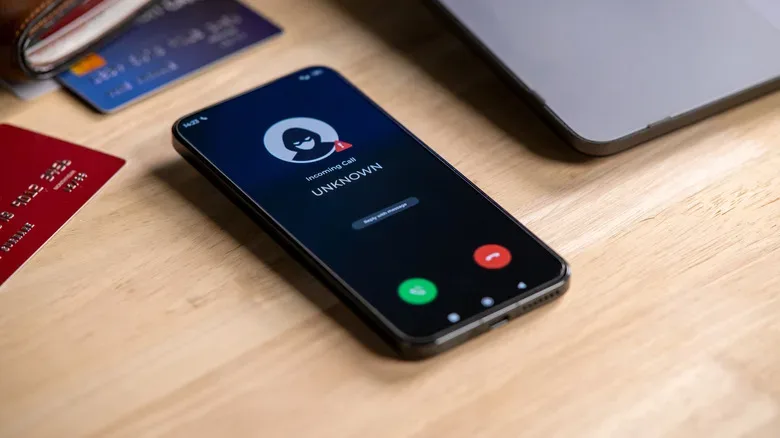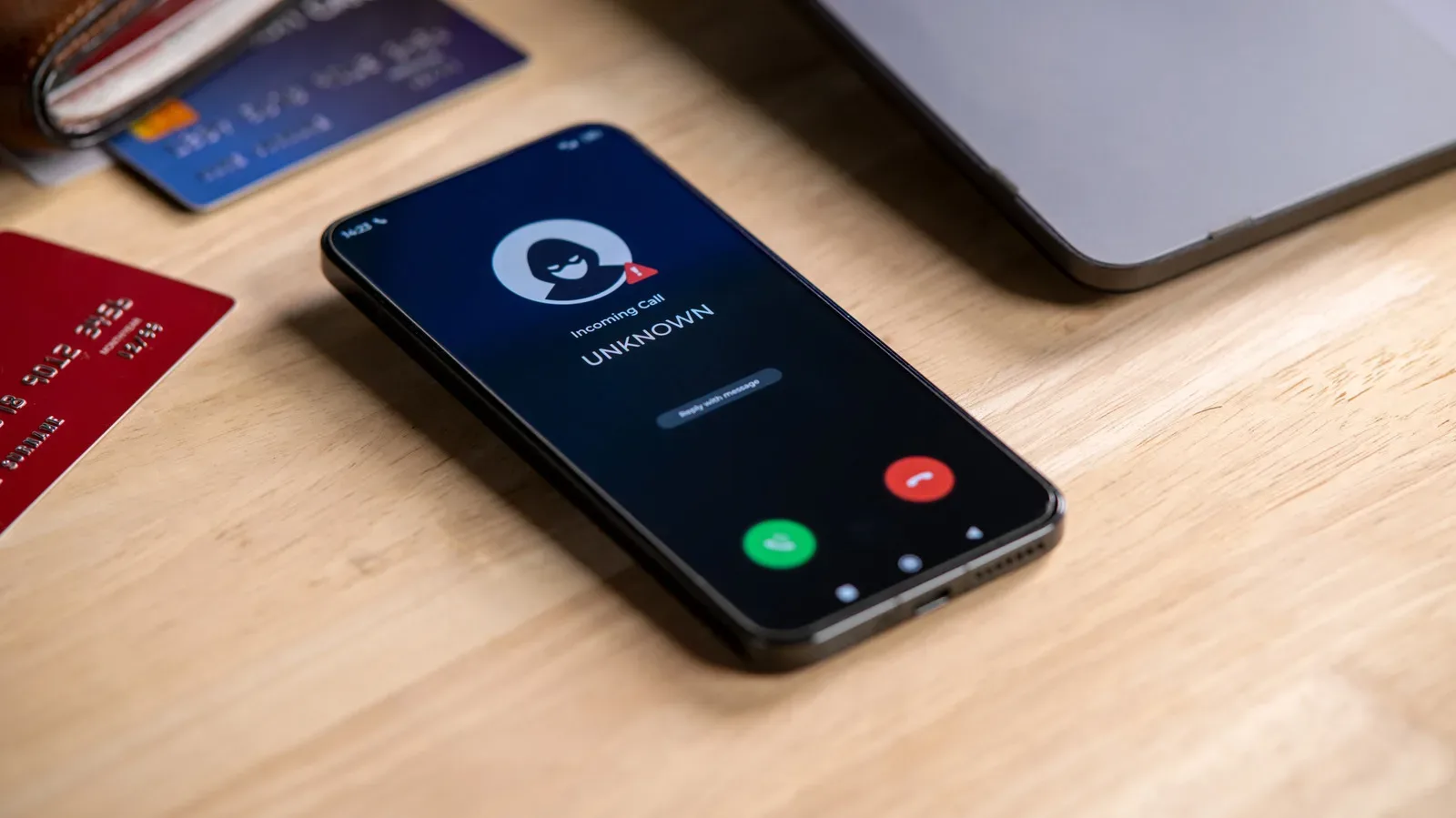
Your Android phone is a remarkably capable pocket computer, yet it still occasionally has to answer to the ancient menace of the unsolicited call. Whether the number belongs to a persistent spammer, an unwanted contact, or somebody who has apparently made calling you their side quest, Android provides built-in controls to block it.
The important wrinkle is that Android is an ecosystem rather than a single, identical interface. Samsung uses its own apps and labels in several places, while Google Pixel phones and many devices using stock Android follow Google’s Phone app layout. The destination is the same: a blocked number should not be allowed to interrupt you normally. The route there varies slightly by device.
This guide covers the practical paths for Samsung devices, Pixel phones, and stock Android. It also explains what blocking actually changes, how to reverse it, and why a SIM-card move can make a previously defeated nuisance feel like it has respawned.
What blocking a phone number does on Android
When you block a number, your phone automatically declines its calls before they ring or appear as a normal incoming-call alert. Text messages from that number will generally be filtered into a blocked or spam folder rather than placed in your usual conversation list.
That is useful for reducing interruptions, but it is not necessarily a permanent, account-wide spell cast on the number. Blocking is handled by the device, not the mobile carrier. In practical terms, the block list belongs to the phone you are using. If you take the SIM card out and place it in another handset, you will likely need to block the number again on that new device.
There is also a one-way-door detail worth knowing before unblocking someone: calls they made while blocked do not later materialize in the call log. Once the block period has passed, those missed attempts remain unavailable. Unblocking restores future calling and texting; it does not reconstruct a record of what happened while access was denied.
How to block a number on a Samsung phone
Samsung offers more than one sensible route. If the caller is already saved in your contacts, block them from the Contacts app. If it is an unsaved number, or you prefer managing a list directly, use the Phone app. Recent callers can also be handled from the call history without the ceremonial copying and pasting of digits.
Block a saved contact in Samsung Contacts
- Open the Contacts app.
- Select the contact you want to block.
- Tap More.
- Choose Block contact.
- Confirm the block.
This is the cleanest option when the number has a name and contact card already attached to it. It avoids manual entry and lets you act directly from the person’s saved details.
Related coverage includes How to Block and Unblock Numbers on Android Phones.
Add an unsaved number to Samsung’s block list
- Open the Phone app.
- Find and copy the number you want to block.
- Tap the More menu, represented by three dots near the top of the screen.
- Select Settings.
- Tap Block numbers.
- Select Add phone number.
- Paste or type the number.
- Tap the plus sign to add it.
This route is especially practical when a number is not in your contacts and you want it placed explicitly on the blocked list. Think of that list as the phone’s no-entry roster: the number is stored there so future incoming calls can be declined automatically.
Block a recent Samsung caller from Recents
If the unwelcome number has called recently, there is a faster route through the Phone app’s Recents section:
- Open the Phone app and go to Recents.
- Find the number.
- Tap Details.
- Open More Options.
- Tap Block number.
For a fresh nuisance call, this is usually the most direct approach. You do not need to save the caller as a contact, copy the number, or navigate through the general settings menu. Locate the recent entry, open its details, and send it to the digital penalty box.
How to block a number on Google Pixel and stock Android
On a Google Pixel phone or a device running stock Android, the Phone app provides the main path. The relevant command is labeled Block/report spam. The wording is useful to understand: blocking is the action that stops the number from reaching you normally, while reporting spam indicates that the call is suspected unwanted or fraudulent.
- Open the Phone app.
- Tap More, the three-dot menu.
- Select Call history.
- Choose a call from the number you want to block.
- Tap Block/report spam.
Call history is simply the list of received, placed, and missed calls. Using it means you can deal with a recent number where it already appears, rather than manually entering each digit. It is the phone-management equivalent of fixing the problem at the point where it showed up.
That small, ordered approach is useful beyond call settings. When a device issue has several possible causes, start with the specific place the problem is visible before escalating into broader settings changes. The same method underpins this rollback-first troubleshooting order for emulator audio crackle and stutter: isolate the recent change or immediate symptom, then work outward only if needed.
How to unblock a number on Samsung
Blocking is reversible. That matters when a number was blocked by accident, when a legitimate contact used an unfamiliar number, or when circumstances change. The exact unblocking path depends on whether you used a contact card or Samsung’s Phone-app block list.
Unblock a contact through Samsung Contacts
- Open the Contacts app.
- Select the contact you want to unblock.
- Tap More options, represented by three dots.
- Select Unblock contact.
After that action, the contact can call and text normally again. Remember, though, that normal service resumes from that point forward; the phone does not retroactively add attempts made during the period they were blocked.
Unblock a number through Samsung Phone settings
- Open the Phone app.
- Tap More, the three-dot menu.
- Select Settings.
- Choose Block numbers.
- Tap the minus symbol beside the number you want to remove.
Opening the block list is the best choice when you do not remember precisely who was blocked, or when the number was added manually and has no saved contact attached to it. Review the list carefully before tapping the minus symbol. Removing a number is immediate, so it is worth ensuring you have selected the intended entry rather than a similarly formatted one.
How to unblock a number on Pixel and stock Android
Pixel and stock Android devices keep the relevant controls in the Phone app’s settings, under Blocked numbers.
- Open the Phone app.
- Tap More, the three-dot menu.
- Select Settings.
- Tap Blocked numbers.
- Tap Clear, shown as an x, next to the number you want to unblock.
Once cleared from this list, the number can again place calls and send texts as normal. As with Samsung’s controls, clearing the block does not produce a delayed list of calls that were rejected earlier. Those attempts were not added to the call log and remain absent.
Choosing the right route without overthinking it
The menus may look different, but the decision process is thankfully much less complicated than an Android settings maze can make it feel:
- The number is saved as a Samsung contact: Open that contact and use the block or unblock command from its options.
- The number just called on Samsung: Use Recents, then Details and the block option.
- You need to enter a number manually on Samsung: Go through Phone app settings to Block numbers and add it.
- You use a Pixel or stock Android phone: Select the call in Call history and choose Block/report spam.
- You need to reverse a Pixel or stock Android block: Open Phone settings, then Blocked numbers, and clear the entry.
It is also wise to distinguish a number you merely do not recognize from one you definitely want blocked. A missed call from an unknown number can be unwanted, but it may also be a legitimate call you were expecting from a number not saved in your contacts. Checking the digits and the context first can prevent an accidental block. On the other hand, repeated calls that you do not want to receive are exactly what these built-in controls are for.
The SIM-card caveat to remember
The most easily missed detail is that the block is stored on the device rather than by the carrier. A new phone can therefore mean a fresh block list, even when you keep the same SIM card and phone number. If an unwanted caller returns after a handset change, this does not necessarily mean the old block failed. It may simply mean the new device does not share that prior setting.
For that reason, after switching Android phones, it can be useful to check the Phone or Contacts app if there are numbers you know you previously blocked. The controls are simple, but their device-level nature makes them part of the basic setup work whenever you change handsets.
Android will not prevent every unwanted attempt from existing, but its built-in block controls can prevent a known number from constantly demanding your attention. Whether you use Samsung’s Contacts and Phone options or Pixel and stock Android’s call-history controls, the goal is uncomplicated: fewer interruptions, fewer mystery calls, and one less tiny boss battle in your pocket.