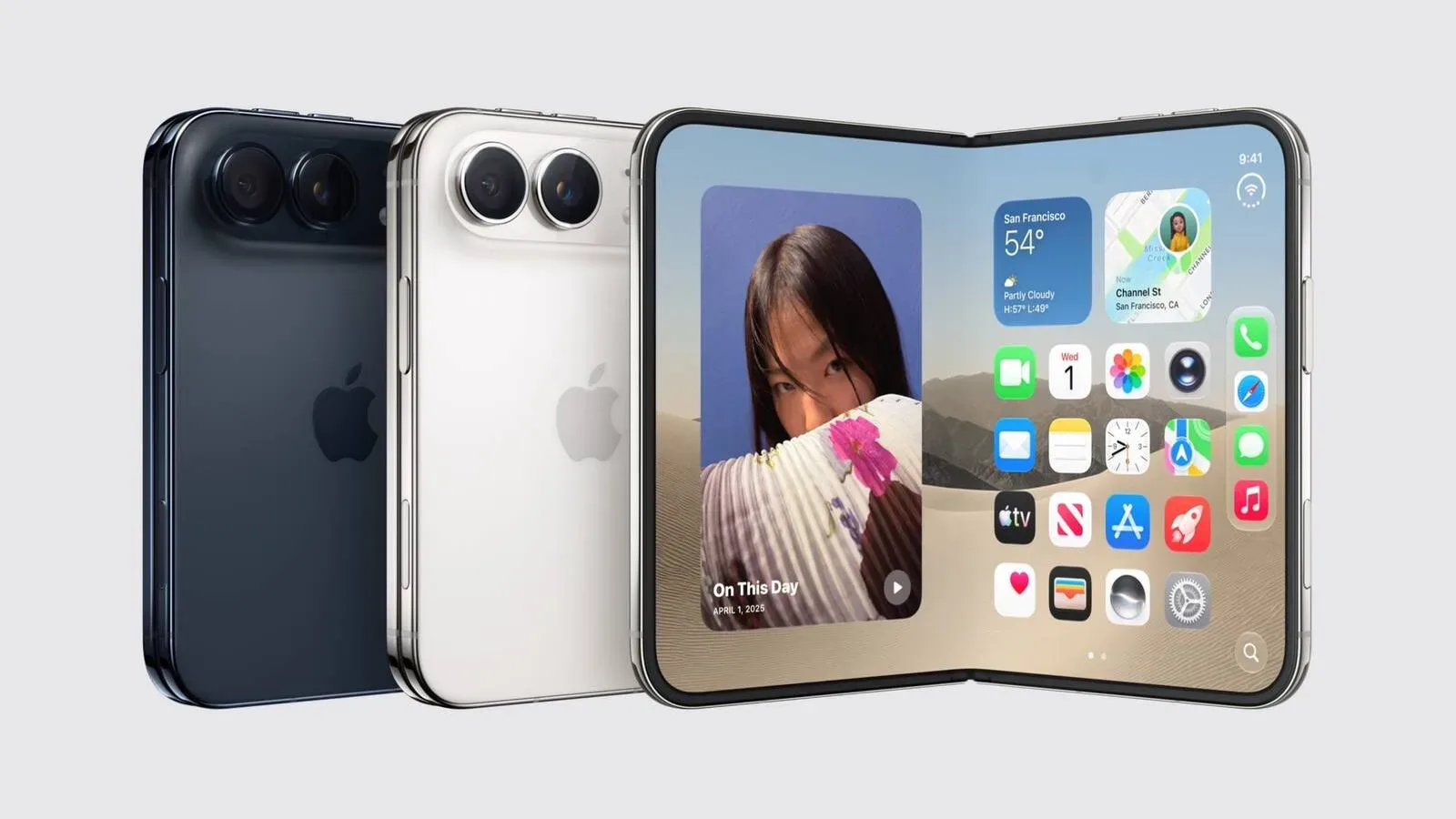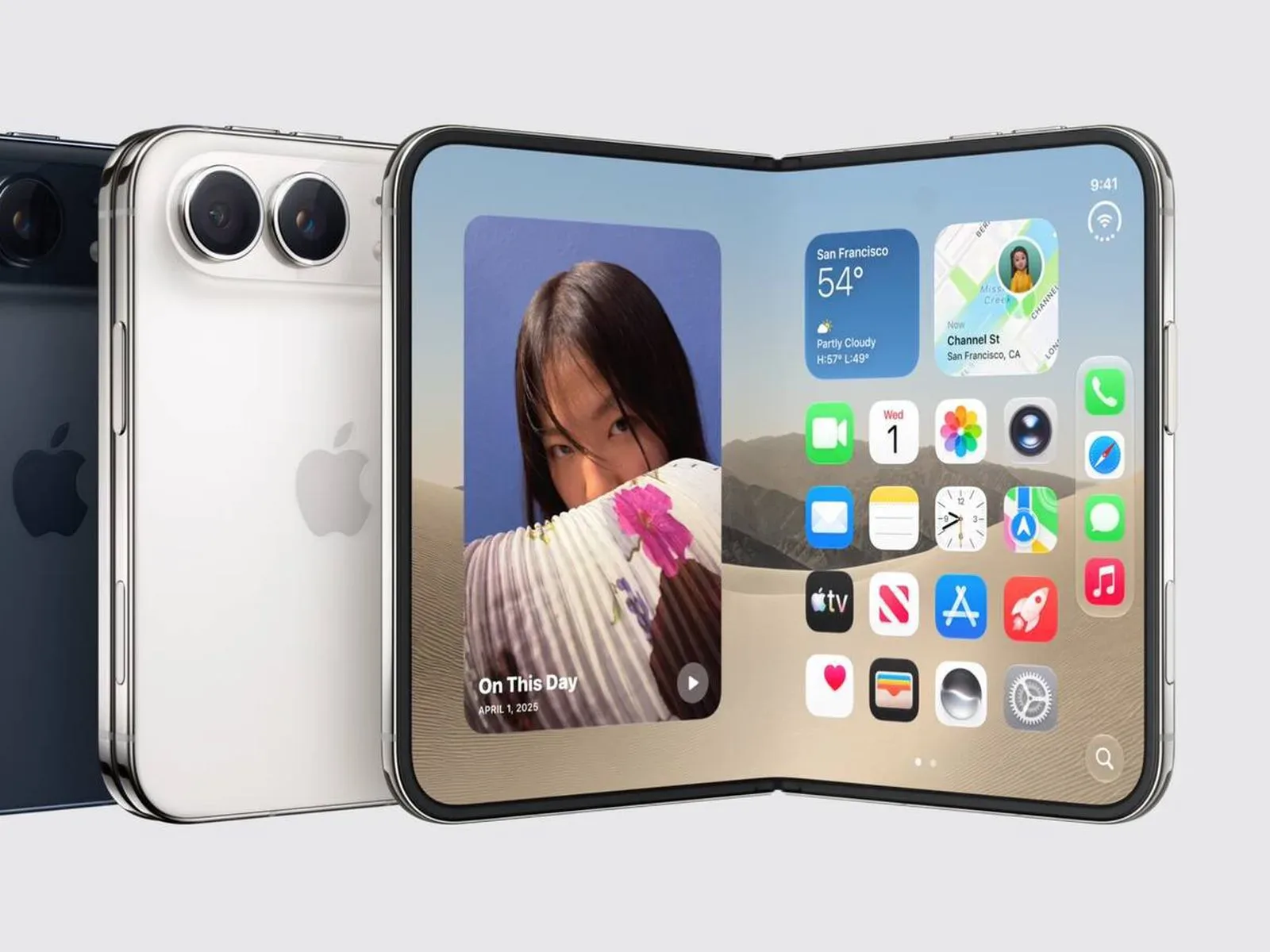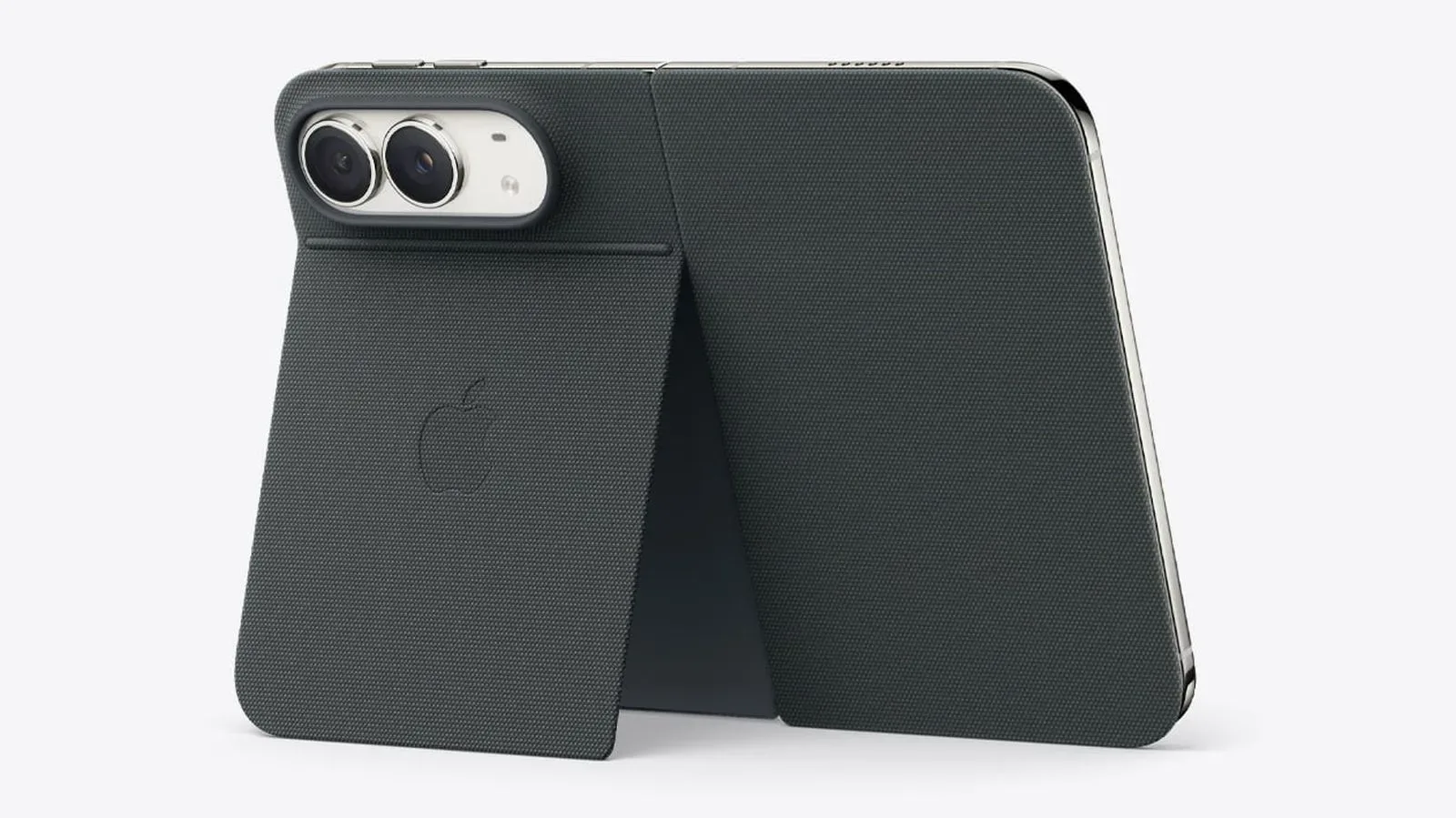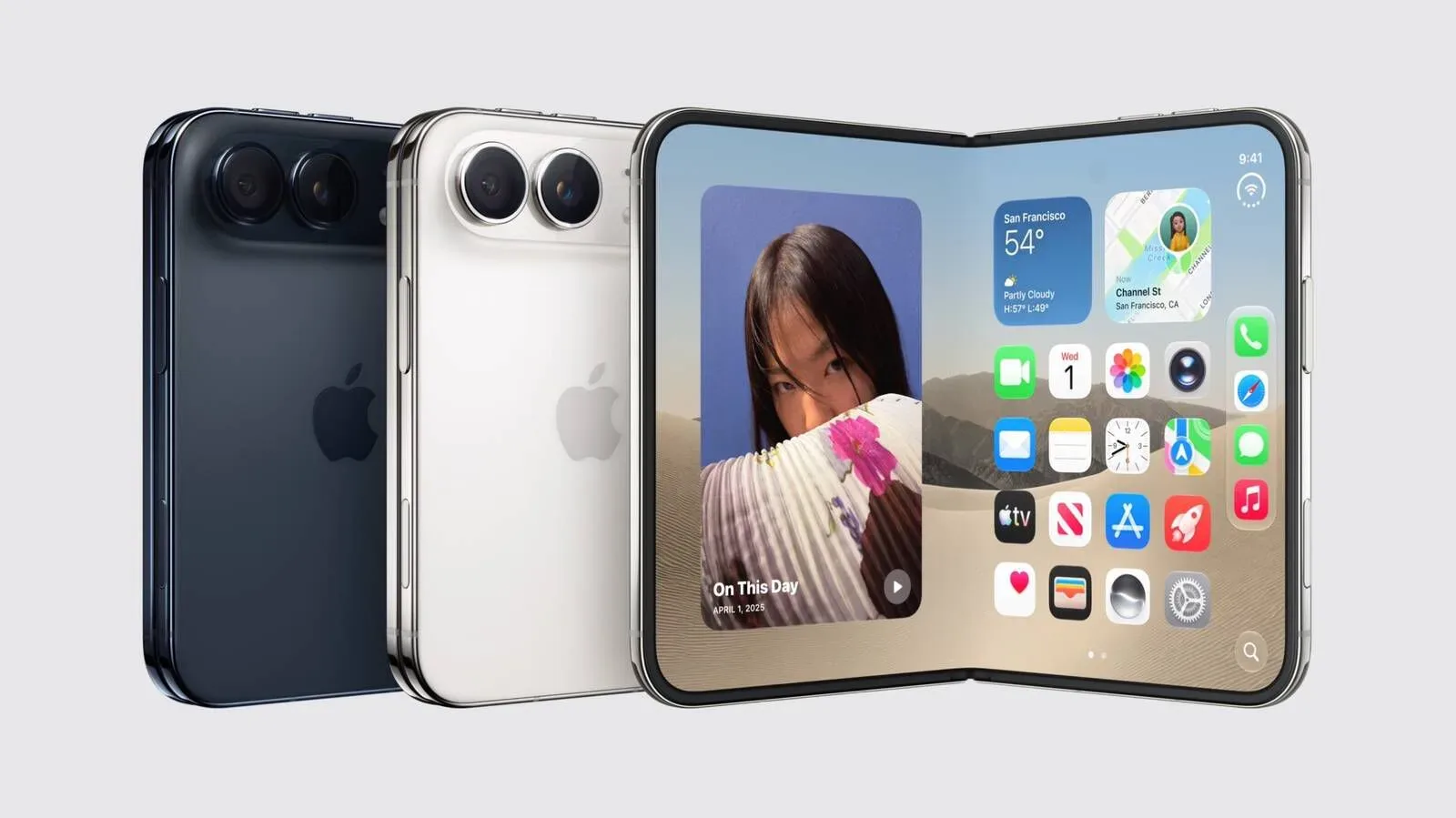
Samsung did not wait for the iPhone Duo announcement to settle into the internet’s collective group chat. As Apple unveiled the device on September 9, Samsung used social media to post a compact series of sarcastic messages aimed squarely at the moment—without actually saying “Apple” or “iPhone Duo” in the posts themselves.
The company’s approach was all implication, punctuation and a marketing elbow to the ribs. One post read, “Let us know when you’re done reheating our leftovers.” Another went for the brisker, deadpan version of the same energy: “Was it exciting? No. Did it happen? Yes.”
Some of Samsung’s posts also used the #ItsTimeToSwitch hashtag, leaving very little doubt about the desired destination for anyone who interpreted the remarks as an invitation rather than merely a roast.
An unnamed rival gets very specifically named by context
There is a long tradition in technology marketing of saying everything except the competitor’s name. It is the corporate equivalent of entering a room, clearing one’s throat, and declaring that certain people should perhaps stop taking credit for the potato salad. Samsung’s posts fit neatly into that tradition.
Neither Apple nor the iPhone Duo was explicitly identified in the sarcastic messages. Yet their timing, arriving while Apple announced the iPhone Duo, makes the intended target plain. The “leftovers” wording frames the announcement as Samsung’s competitor revisiting territory Samsung believes it covered earlier. The second message reduces the moment to a dry checklist: something occurred, but Samsung does not consider that occurrence thrilling.
That is a useful distinction for a social post. A company does not need to make a lengthy technical case to establish its preferred framing. It only needs a phrase memorable enough to travel. “Reheating our leftovers” is designed to do exactly that: it recasts a rival’s new-device moment as a delayed serving of something old.
Whether people agree with that framing is, naturally, another matter. Samsung’s posts do not provide a feature-by-feature comparison, specifications, a product demonstration or an extended explanation of what it considers borrowed. They are not trying to be a spreadsheet. They are trying to be the reply that gets screenshotted.
The roast is also a switch pitch
The hashtag matters because it turns the jokes into an overt marketing nudge. #ItsTimeToSwitch is not simply a declaration that Samsung thinks it has already seen this kind of idea. It is a call to action aimed at people watching Apple’s announcement and wondering what to do next.
That combination is common sense for a competing brand: first puncture the excitement around a launch, then offer an alternate path. The humor creates the opening; the switch message supplies the commercial purpose. Samsung’s social strategy here is not only to say that the iPhone Duo is unexciting in its view. It is also to suggest that consumers should treat that reaction as a reason to consider Samsung instead.
There is an intentionally casual feel to this kind of communication. The posts do not read like a formal product-comparison page, and they do not need to. Their short structure resembles the reactive language audiences use during live events: a one-liner, a dismissive aside, a little bit of “we noticed that too.” For a company, that voice can make a huge brand seem as though it is sitting on the couch reacting alongside everyone else—albeit with an advertising budget and a hashtag.
Why launch-day social posts are built for speed
A rival device announcement brings a concentrated burst of attention. People are looking for details, reactions, jokes and immediate arguments about what did or did not change. Samsung’s response entered that window with messages designed to be understood in seconds. No technical vocabulary is required to grasp “leftovers,” and no product briefing is needed to understand “Did it happen? Yes.”
That speed is the point. A post can become part of the announcement-day conversation before a more elaborate response would even be drafted. It also allows Samsung to speak broadly. Readers can supply their own assumptions about what the company means, which tends to make a deliberately vague jab feel more personal to the ongoing debate.
There is a tradeoff, of course. The more concise the remark, the less it can establish. These posts communicate Samsung’s attitude, not a fully argued case. They can spark a conversation about design direction, novelty and competition, but they do not settle any of those discussions. In other words, the posts bring the seasoning, not the nutritional label.
The iPhone Duo conversation is already larger than one button
Samsung’s reaction also arrives as attention turns toward what the iPhone Duo changes and what it leaves behind. One reported detail already attracting its own discussion is that the device drops the Action Button, with Silent Mode moving to Control Center. The iPhone Duo’s Action Button change is a separate piece of the broader launch-day conversation, but it illustrates why competitors love a major device reveal: every new choice, removed control and altered feature becomes material for instant analysis.
Samsung did not tie its social posts to that particular change. It did not spell out a specific feature list at all. Still, the iPhone Duo announcement gives the company a large, ready-made audience discussing product decisions in real time. A playful rival response can ride that attention without requiring a new product announcement of its own.
For people who enjoy brand rivalries, this is part of the spectacle. Major companies have product ecosystems, dedicated customers and very online audiences prepared to defend a preference with the intensity normally reserved for a tournament bracket. A short post can ignite familiar debates about originality, timing and which company is actually responding to whom.
What Samsung actually said—and what it did not
It is worth keeping the record tidy amid the inevitable pileup of reactions. Samsung made sarcastic social-media posts as Apple announced the iPhone Duo. The posts did not explicitly name Apple or the device. Among the wording used were “Let us know when you’re done reheating our leftovers” and “Was it exciting? No. Did it happen? Yes.” Samsung also included #ItsTimeToSwitch in some posts.
Beyond that, the posts themselves do not offer detailed claims that can be measured from the text alone. They do not identify which product feature Samsung considers a leftover. They do not lay out a technical comparison. They do not provide a list of reasons a person should switch, beyond the broad prompt conveyed by the hashtag.
That ambiguity is not a flaw in the campaign’s design; it is a feature of the format. By declining to make the jab overly literal, Samsung leaves the post open enough for people to attach it to whichever part of the announcement they are already discussing. The line does its work precisely because it is punchy and unspecific.
A familiar competitive playbook, served cold
Samsung’s September 9 response is ultimately a straightforward piece of competitive social marketing: use the timing of a rival’s announcement, question the excitement around it, imply that the rival is late to an idea, and point viewers toward a switch. The company expressed all of that in a handful of lines rather than a detailed argument.
The result is a response that will likely be remembered less for what it proves than for how efficiently it packages the rivalry. “Reheating our leftovers” is a culinary metaphor built for a technology feud, and “Was it exciting? No. Did it happen? Yes.” is the sort of intentionally blunt verdict that asks the audience to laugh first and litigate the details later.
For Samsung, the timing ensured the posts would land while the iPhone Duo had everyone’s attention. For Apple watchers, it adds another layer to the announcement-day noise. And for anyone merely observing the eternal device-brand sparring from a safe distance, it is a reminder that the most durable accessory in consumer tech may be a preloaded joke about the other company’s launch.