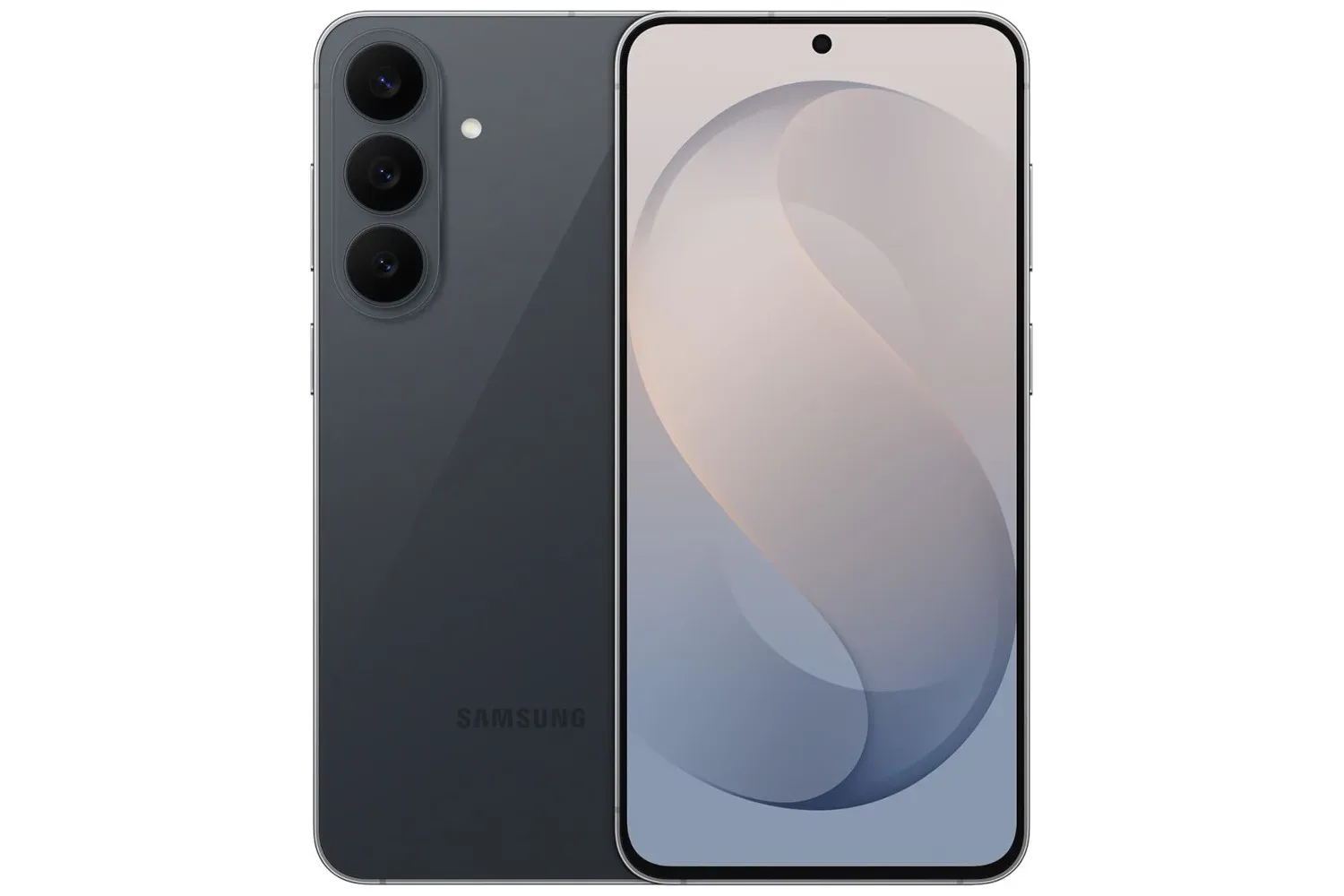
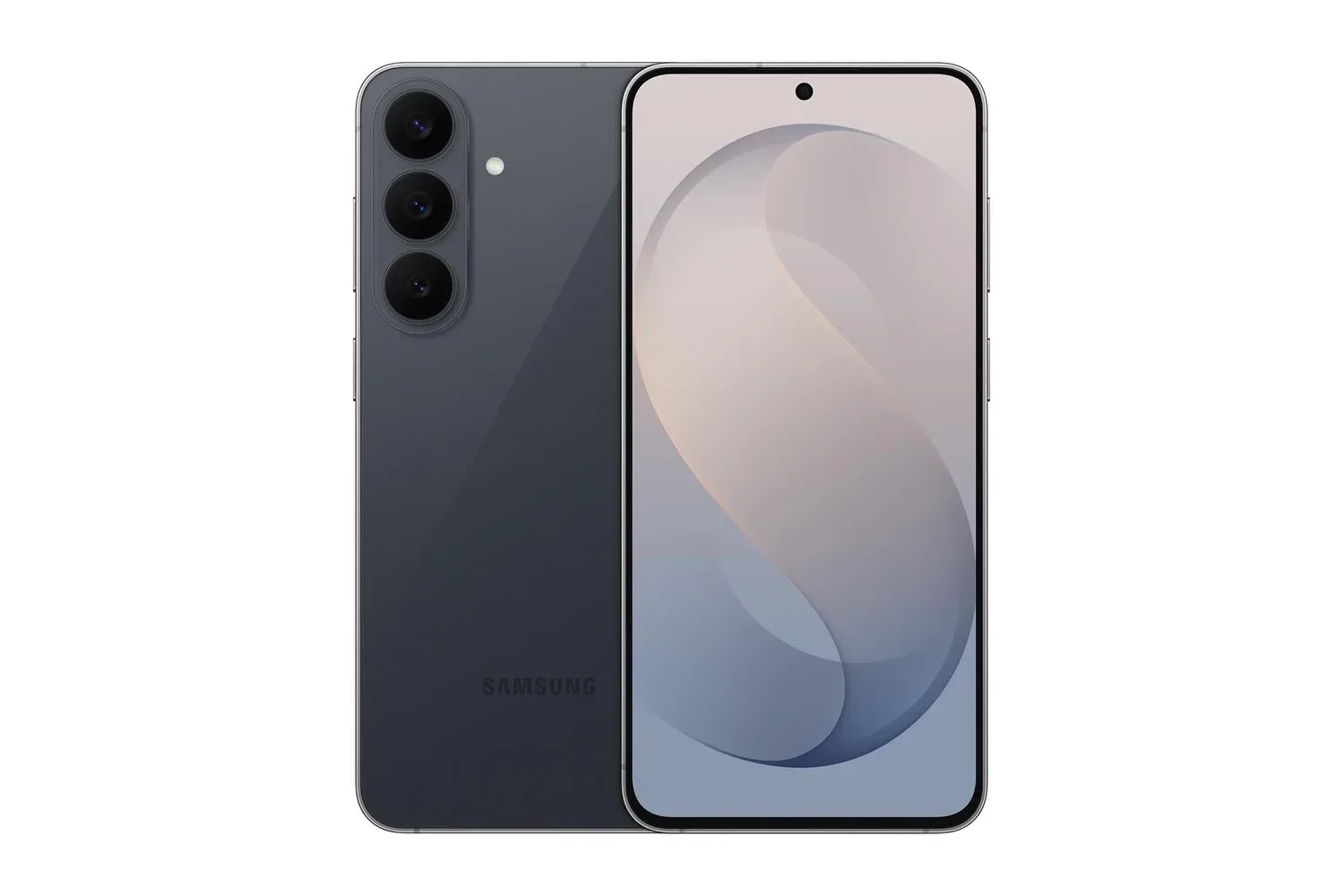
Samsung’s Galaxy S26 FE is listed at $550, down $150 from its stated usual price of $700. That is a 21% reduction on a phone positioned around a large high-refresh-rate display, a triple-camera system, Galaxy AI features and an unusually long stated update commitment.
For people who use one device for messaging, video, photography and games, the most relevant parts of the specification sheet are not just the discount. The Galaxy S26 FE combines a 6.7-inch Dynamic AMOLED 2X display with a 120Hz refresh rate, Samsung’s Exynos 2500 processor, 8GB of RAM and a 4,900mAh battery. Samsung also says it will provide seven generations of operating-system upgrades and seven years of security updates.
That package does not turn a phone into a dedicated gaming handheld or a replacement for a console or PC. It does, however, point to a practical consideration for players of mobile games: a device intended to remain supported for years may be more useful than a short-term bargain that loses platform or security support much sooner. The stated $550 price makes that longevity promise a central part of the value calculation rather than a small bonus.
What the $550 Galaxy S26 FE deal includes
The reduction takes $150 off the $700 usual price. The phone is available in Blueberry, Graphite and Pistachio, measures 7.4mm thick and weighs 193g. Storage configurations go up to 512GB, although the supplied information does not specify which storage capacity is attached to the $550 listing. That is worth checking before buying, especially for anyone who keeps large games, offline media, screenshots and camera files locally.
The S26 FE is the first phone in Samsung’s S26 line stated to ship with One UI 9. Its Exynos 2500 chip handles game processing and Galaxy AI functions, while 8GB of RAM is assigned to support general multitasking and apps. RAM, or random-access memory, is the short-term working space a phone uses while applications are open. More broadly, it affects how comfortably a device can move between tasks, though game performance also depends on the software, the processor and thermal conditions.
There is no supplied benchmark data, frame-rate testing or game compatibility list for this model. It would therefore be a stretch to claim performance for a particular game. What can be said is that the S26 FE has the processor and memory specifications Samsung is presenting for games and AI-enabled tasks, plus a display specification that should matter in games designed to take advantage of smoother motion.
A 120Hz screen explained for mobile play
The 6.7-inch display has Full HD+ resolution and can refresh at up to 120Hz. Refresh rate describes how many times the screen can update its image per second. A 120Hz panel can update more frequently than a 60Hz panel, which can make interface movement and supported game motion appear smoother. It does not independently guarantee that every game will run at 120 frames per second; software and hardware still determine the rate at which new frames are produced.
The display can reach up to 1,900 nits. A nit is a measure of brightness. In plain terms, higher peak brightness can help a phone remain legible in brighter surroundings, although the figure alone cannot describe every real-world viewing condition. For a mobile game played during travel or outside, readability can be as important as speed: a fast screen is less helpful if interface elements cannot be comfortably seen.
The 6.7-inch size also creates a trade-off. More screen area gives on-screen controls, text and maps room to breathe, which is useful in games with dense menus. At the same time, the larger physical footprint means prospective buyers should consider whether a 193g handset is comfortable to hold for long sessions. That is a personal fit issue rather than a performance measurement, and it cannot be settled by a specification sheet.
Battery and charging: useful figures, sensible expectations
Samsung rates the Galaxy S26 FE battery at 4,900mAh. Milliamp-hours, abbreviated mAh, describe battery capacity; they are useful for comparing the size of a battery, but they do not produce a universal hours-of-use result. Screen brightness, refresh rate, signal conditions, camera use, background tasks and the demands of a particular game all influence endurance.
The supplied claim is that the battery lasts all day. For buyers who play mobile games, it is sensible to read that as a broad everyday-use claim rather than a guarantee of all-day gaming. Demanding games typically place a greater load on the screen and processor than messaging or reading. The more concrete numbers are on charging: wired charging reaches up to 45W and is said to take the battery to about 69% in around 30 minutes. Wireless charging is supported at up to 15W.
The phone also supports Wireless PowerShare, allowing compatible earbuds or a smartwatch to be charged by placing them on the rear of the handset. That can be useful on a trip, though it naturally draws from the phone’s own battery reserve. It is best thought of as a convenience function, not as extra battery capacity.
Long software support may be the bigger story
Samsung says the S26 FE will receive seven generations of operating-system upgrades and seven years of security updates. Operating-system upgrades bring new platform features and interface changes. Security updates address vulnerabilities and help keep the device protected over time. Those are separate commitments, and the distinction matters: one is about moving forward with the software platform, while the other concerns ongoing protection.
For mobile players, extended support can have practical implications. Games and apps change their operating-system requirements over time, while account-based services often depend on a device continuing to run current, secure software. A long update policy does not promise that every game will remain available or that every future OS feature will behave the same way. It does give the phone a stated long runway for platform and security maintenance.
That perspective also helps keep the purchase decision grounded. A lower upfront price can be appealing, but the total value of a phone is shaped by how long it remains suitable for a buyer’s apps, communications, camera needs and security expectations. On Samsung’s stated policy, the S26 FE’s support horizon is a major reason to look beyond the immediate $150 reduction.
Cameras and AI tools broaden the everyday package
The rear camera array consists of a 50MP main camera with optical image stabilization, a 12MP ultrawide camera and an 8MP telephoto camera with 3x optical zoom. Optical image stabilization, often shortened to OIS, physically helps counter small movements when shooting. Samsung highlights its usefulness for steadier shots in situations including concerts, sports and moving pets. The 12MP front camera is intended for video calls and self-portraits.
For video, Super Steady with Horizontal Lock is designed to stabilize footage while walking. The main camera also has Nightography capabilities intended to produce clearer low-light photographs. These capabilities may appeal to players who use a phone for event clips, social posts and everyday photography alongside games, but they should not be mistaken for evidence of quality in every lighting scenario; no comparative camera testing is provided here.
Galaxy AI features include Photo Assist, which accepts plain-English editing descriptions; Circle to Search with Google, which can search for an object on screen after it is circled; Now Brief, which surfaces updates connected to a daily schedule and local weather; and Now Nudge, which suggests actions based on current activity. Gemini is integrated for voice-based questions and message drafting. These are productivity and search conveniences rather than gaming features, but they are part of the broader device proposition powered by the Exynos 2500.
Who should consider it, and what to verify first
At its listed $550 price, the Galaxy S26 FE appears most straightforward for someone seeking a large Android phone with a 120Hz AMOLED screen, a 3x telephoto camera, wired and wireless charging options, and Samsung’s stated seven-year security-update plan. It may be especially relevant to a buyer who intends to keep their phone for a long time and wants one device to accommodate daily tasks as well as mobile games.
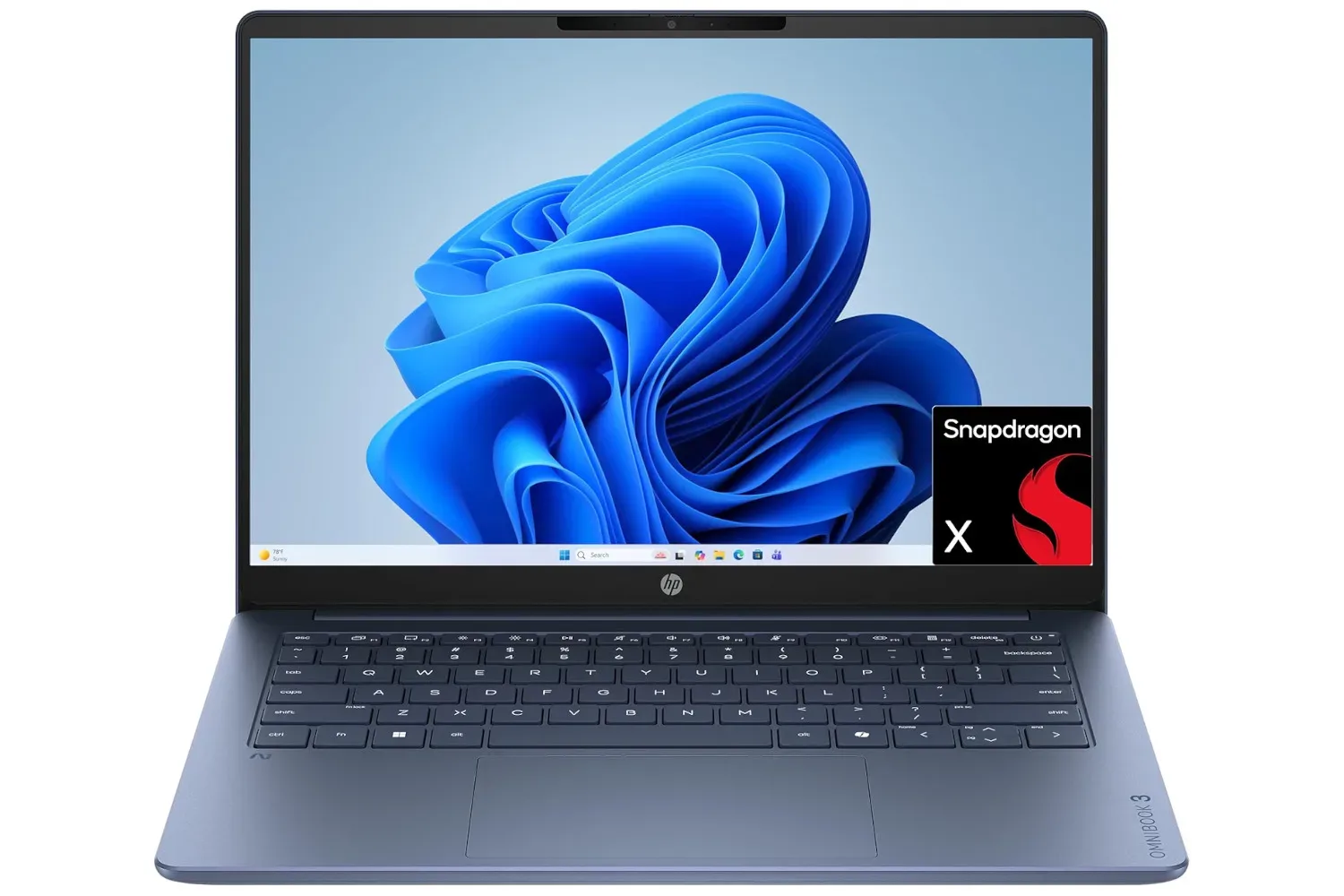
Before treating any phone promotion as an automatic upgrade, verify the exact configuration in the listing, including storage capacity and final price. Buyers should also consider how much internal storage their current games and media occupy, whether a 6.7-inch handset suits their hands and pockets, and whether their priorities are mobile play or a dedicated platform. Those looking for a separate computer for higher-end gaming workloads should also distinguish between general-purpose discounted hardware and purpose-built gaming gear; our look at the HP OmniBook 3’s limitations as a gaming laptop illustrates why category labels and intended workloads matter.
The Galaxy S26 FE’s discount is significant because it lowers the entry price while retaining the features that define the handset: the 6.7-inch 120Hz screen, Exynos 2500, 4,900mAh battery, versatile camera setup and lengthy update pledge. For a buyer whose existing phone is struggling with battery life or whose software support is nearing its end, those durable fundamentals may matter more than the promotion alone.
Shop the products
Check current price, model and availability at the retailer.