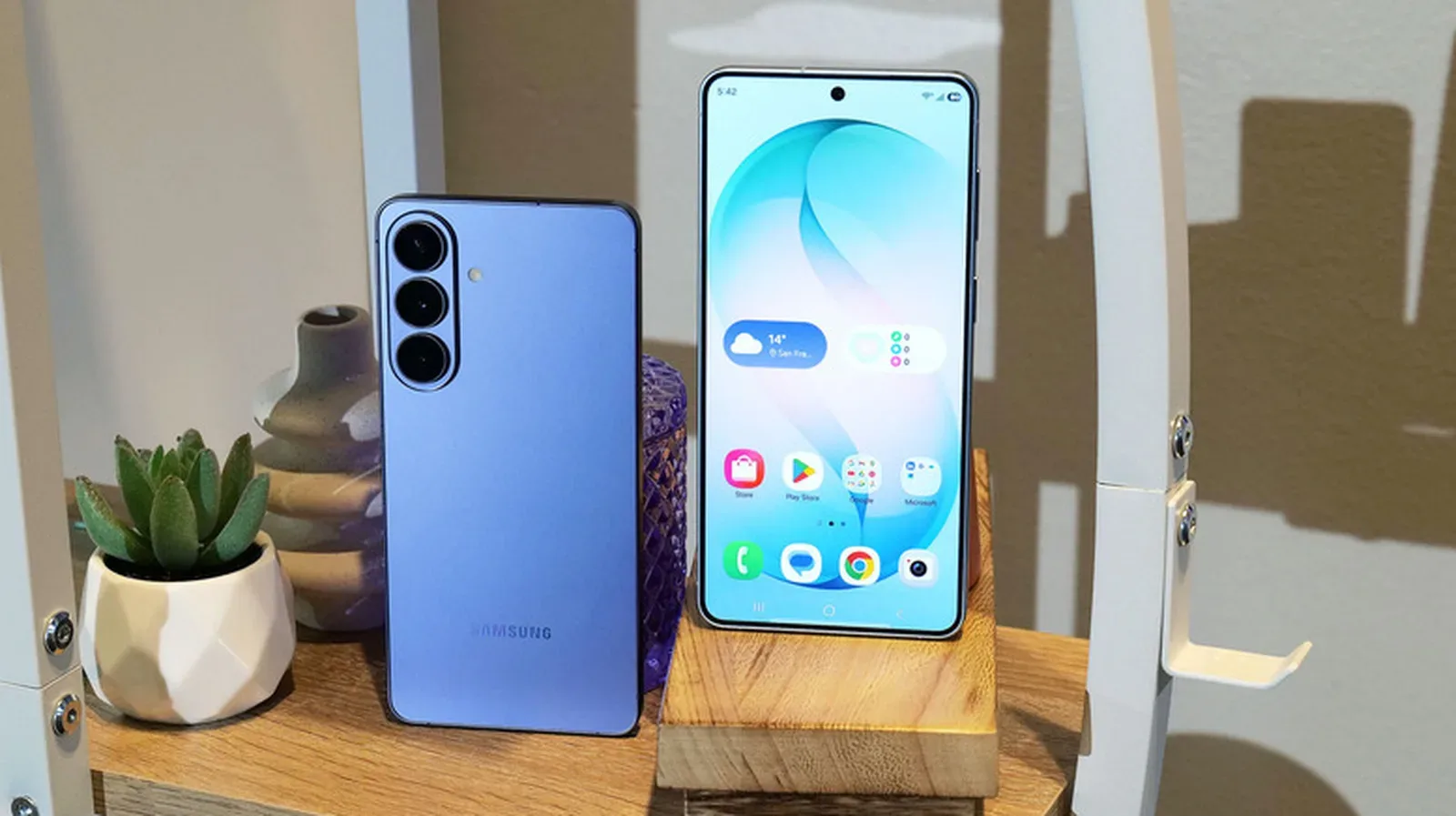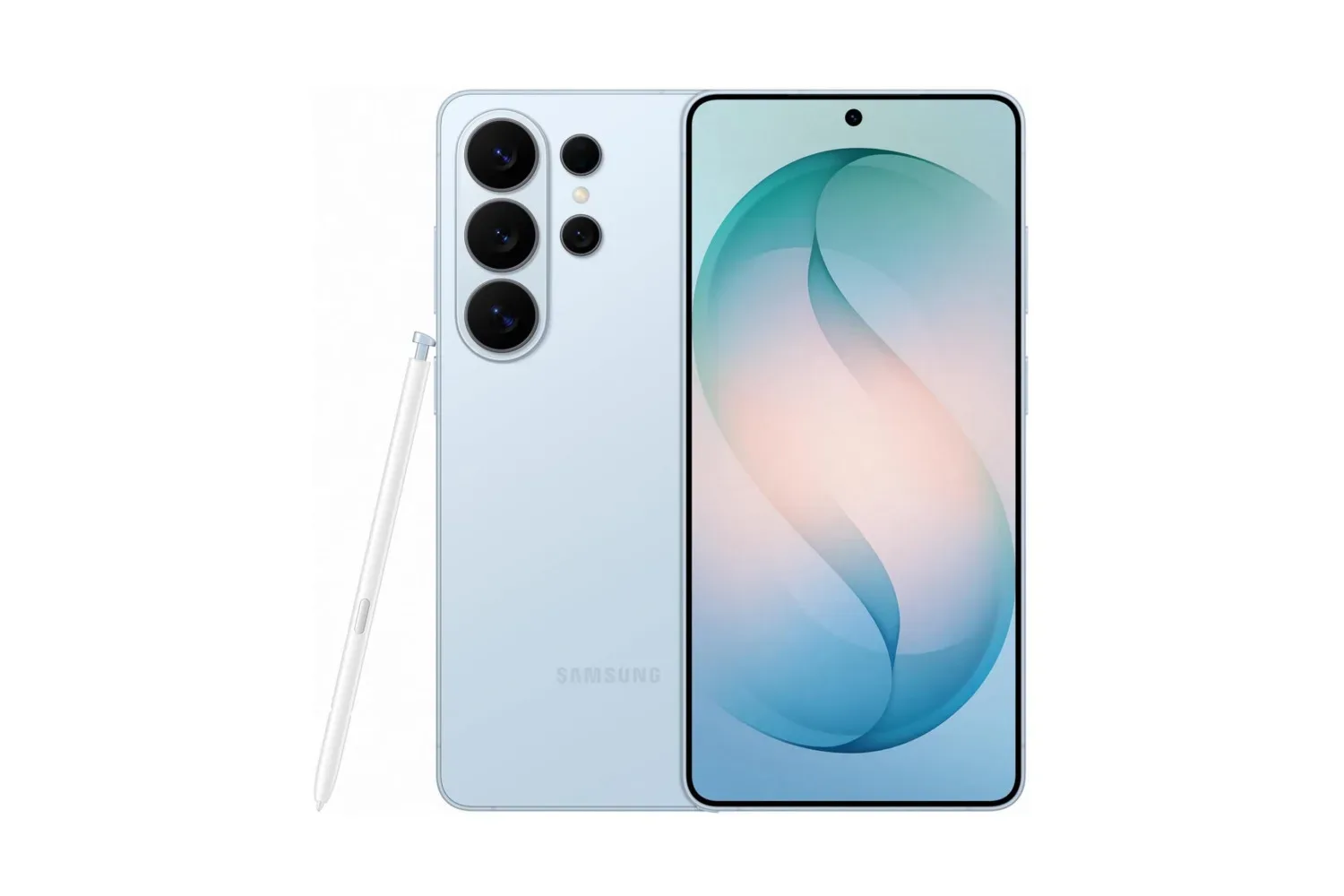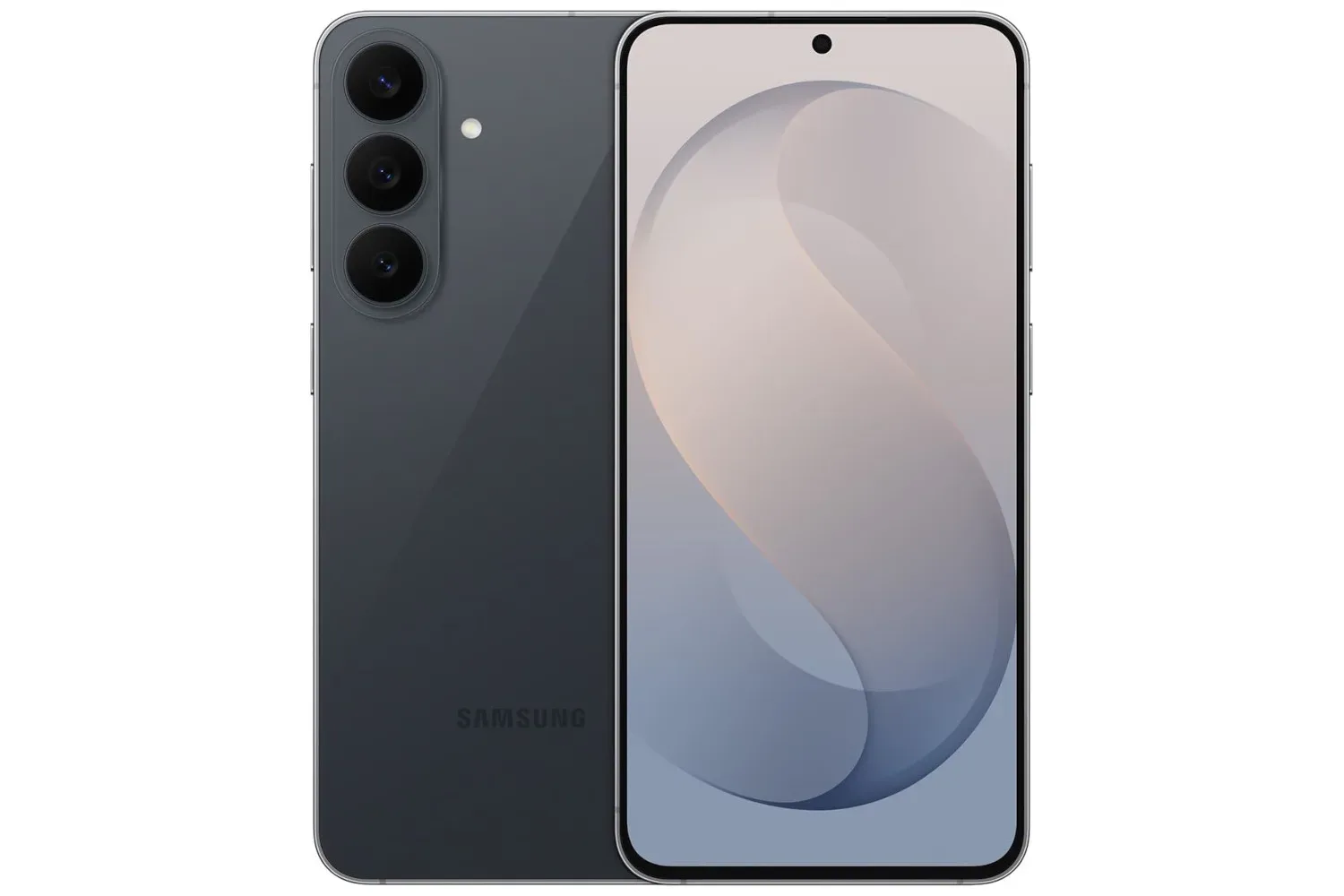
The Samsung Galaxy S26 FE is listed at $575 for Amazon Prime members during Prime Big Deal Days, a reduction from its stated $700 regular price. That is a $125 difference, or roughly 18% off, and the listing is available in multiple colors.
For people whose phone doubles as a games machine, streaming screen, messaging hub, camera and general-purpose pocket computer, the simple appeal is the price: this is a current-generation Samsung handset positioned below the main S26 models rather than an older device being cleared out. The FE designation marks it as the more affordable member of the S26 family, with some compromises to reach that lower tier.
The promotion is tied to Prime membership. That condition matters just as much as the headline price. Someone already subscribed can evaluate the $575 listing directly; anyone considering a membership solely to access it should include that additional cost in the actual purchase decision. Promotional inventory and pricing can also change, so the listed price and eligibility should be checked before ordering.
What the Galaxy S26 FE is being positioned to offer
The central trade-off is performance versus price. The Galaxy S26 FE is described as taking a reduction in power compared with the wider S26 line, but it is still framed as a substantial step up for owners of older phones. That distinction is more useful than a blanket claim that a cheaper model is identical to a flagship: the FE is meant to preserve much of the modern S26 experience while accepting some limits.
Several features in the listing speak to the everyday parts of that proposition. It has a 4,900mAh battery, an aluminum-alloy frame and Gorilla Glass Victus+ protecting the display. It is also described as fast when moving among apps, while its screen is presented as a strength for both video and viewing photos taken with the handset.
mAh, short for milliampere-hour, is a measure of battery capacity. A larger figure can be a useful starting point when comparing phones, but it is not a direct guarantee of identical battery life across devices. Screen use, apps, network conditions and the rest of the hardware all affect how long a charge lasts. In this case, the 4,900mAh figure establishes the size of the battery being advertised, while real endurance will vary with how the phone is used.
Gorilla Glass Victus+ is the named glass material on the display, and the aluminum-alloy frame is the named structural material. Those details signal an emphasis on durability, but they should not be treated as a promise of invulnerability. A protective case and sensible handling can still matter, particularly for a device that may spend a lot of time being used outdoors, on commutes or during long play sessions.
Why the display and app switching matter for players
A phone does not need gaming branding to be important to people who play games. The features emphasized here overlap with the essentials of mobile play: a screen for games and video, sufficient responsiveness for moving between apps, and a battery intended to last through a full day of general use.
For a player, app switching is relevant because a session rarely happens in isolation. A game may be interrupted by a message, a browser search, a chat app or a video. The listing’s claim of quick movement between apps therefore has practical appeal, although it does not establish specific game frame rates, graphics settings, cooling behavior or benchmark results. None of those performance measurements are provided here, so buyers looking for a phone around a particular demanding game should avoid assuming them.
The same restraint applies to the display. It is described as attractive for messages, video and photos, which supports the idea of a pleasant general viewing experience. But the available details do not specify refresh rate, resolution, brightness measurements, panel type or touch response. Those are all specifications that can affect gaming and media use, but they cannot be filled in from the deal listing alone.
That does not make the offer unhelpful. It simply defines the decision correctly: the Galaxy S26 FE appears to be a current-model Android phone offered at a meaningful discount, with broad everyday strengths highlighted, rather than a listing that proves a particular level of enthusiast gaming performance.
The practical value of the $125 reduction
At $700, the Galaxy S26 FE already occupies the more affordable side of Samsung’s S26 range. Cutting $125 from that price moves it to $575, which is the deal’s tangible value. Percentage discounts can make a promotion sound abstract; the cash difference is what stays in a buyer’s budget for accessories, a case, a screen protector, headphones or simply a lower overall upgrade bill.
It is worth separating that arithmetic from the broader value judgment. A discount alone does not make any handset right for every buyer. The better question is whether the FE’s stated compromises are acceptable for the person replacing their current phone. Someone coming from an older model may prioritize getting a newer device, a large-capacity battery, a modern app ecosystem and a durable design at a reduced price. Someone focused on maximum power may decide the full S26 range remains the better fit, even at a higher cost.
Storage capacity, carrier compatibility, payment terms, trade-in opportunities and the exact configuration being purchased can all change a phone’s effective value, but those specifics are not established by the information available here. They are therefore worth confirming on the live product page rather than assuming that every version is priced or equipped the same way.
Prime eligibility is part of the deal, not fine print
The $575 price is presented as a Prime-member offer. That means the membership requirement should be considered an explicit part of the transaction, not an afterthought once a buyer reaches checkout. It also means a deal comparison should use the price a particular shopper can actually receive, including any membership costs if they are not already a subscriber.
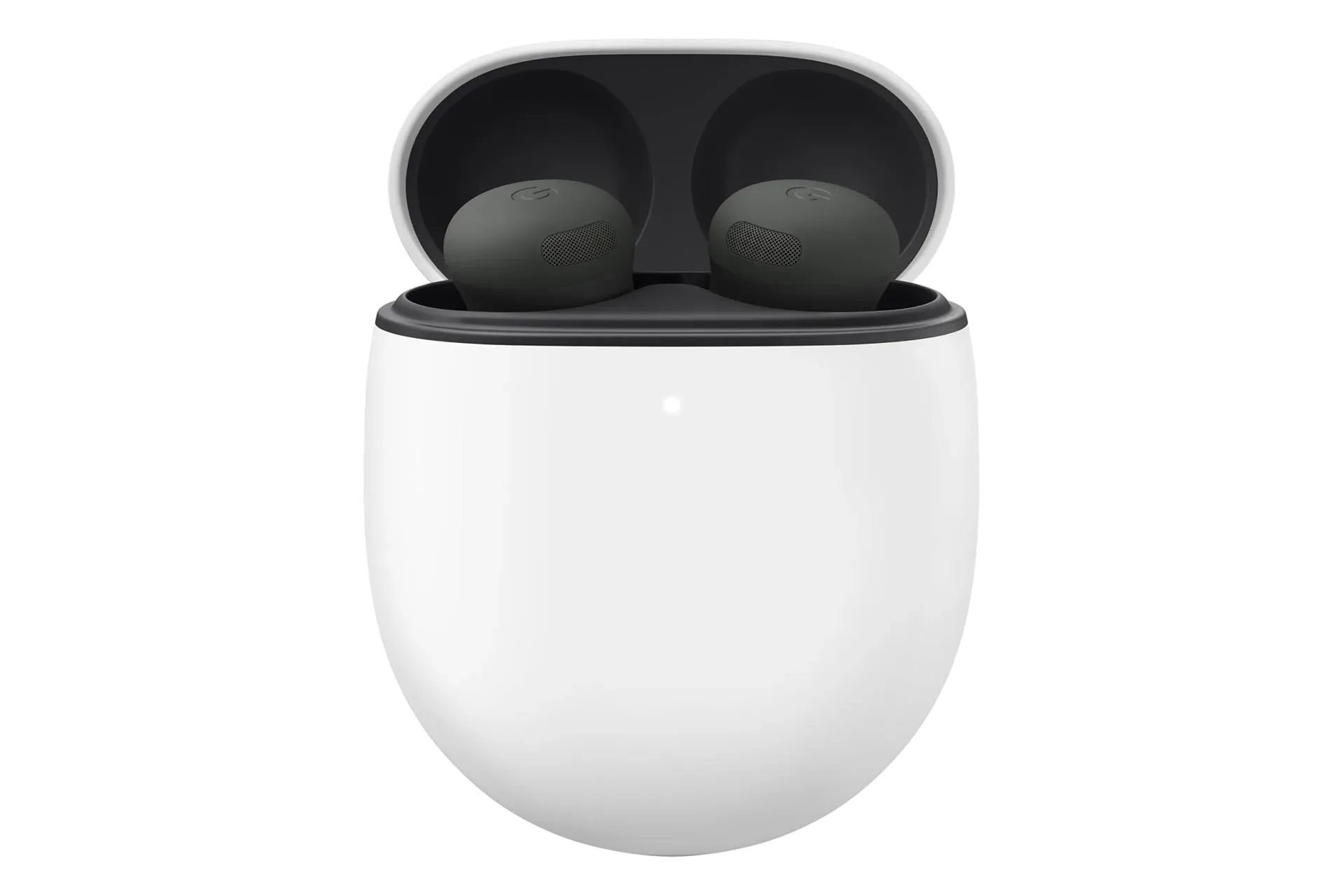
Prime Big Deal Days has also produced discounts on other personal tech, including a separate listing for Google Pixel Buds Pro 2 at $170 for Prime members. That wider sale context can make it tempting to bundle purchases, but the sensible approach is still to judge each item on its own need and final cost.
What prospective buyers can verify before committing
- Confirm that the $575 price is still active and applies to the selected color and configuration.
- Confirm Prime eligibility and account status before treating the discount as guaranteed.
- Check the listed storage, network and carrier details for the exact handset being purchased.
- Compare the FE’s lower-power positioning with the needs of the apps and games used most often.
- Factor in a case or screen protection if the aluminum frame and Victus+ glass are key reasons for choosing the phone.
The Galaxy S26 FE deal is most straightforward for an existing Prime member seeking a current Samsung phone without moving to the top of the S26 price ladder. The advertised package combines a $125 reduction with a 4,900mAh battery, durable named materials, a screen intended for media and photos, and the broad Android app library. The key caveat is equally clear: it is the less expensive S26 variant, and the available information identifies a compromise in power without quantifying exactly how large that gap is.
Shop the products
Check current price, model and availability at the retailer.