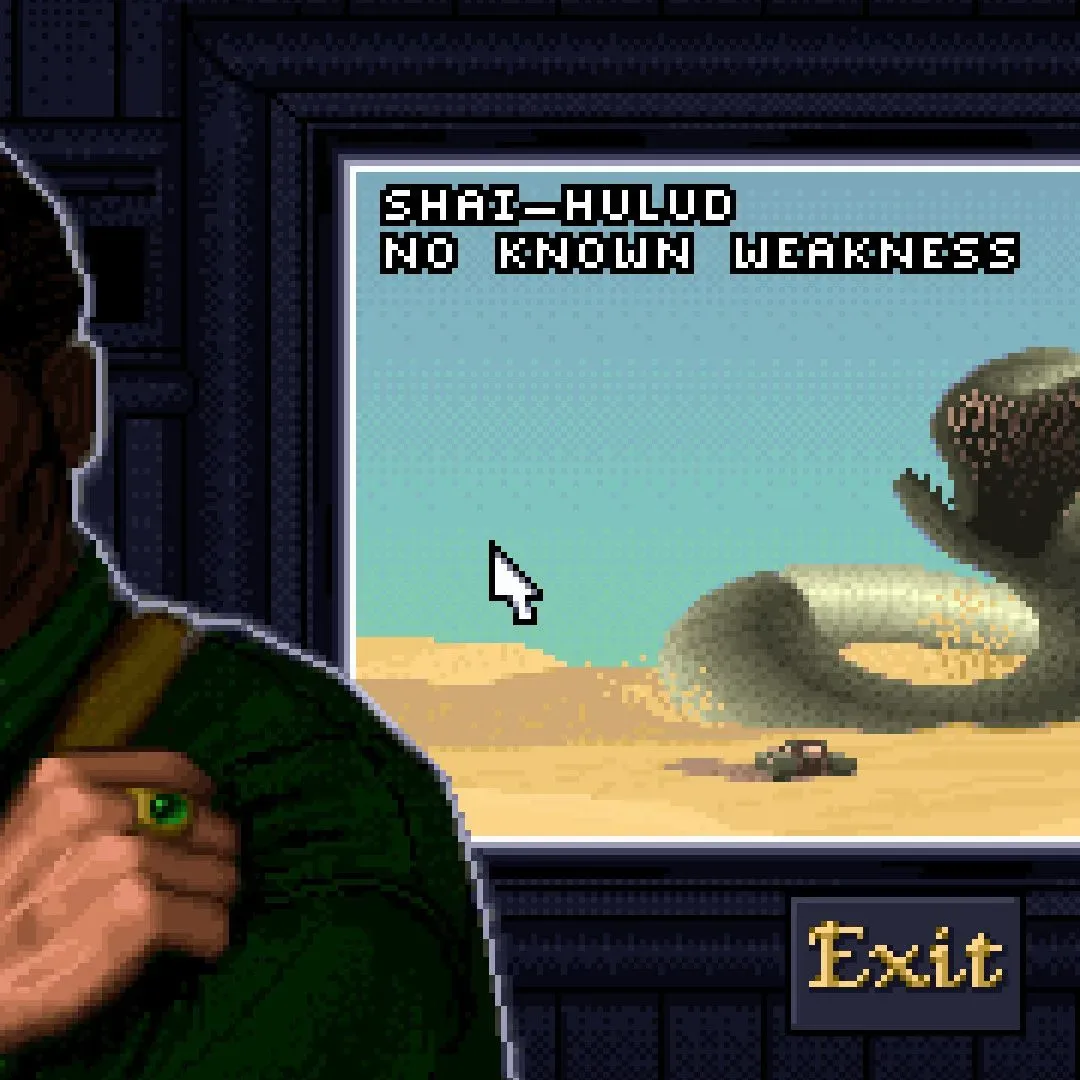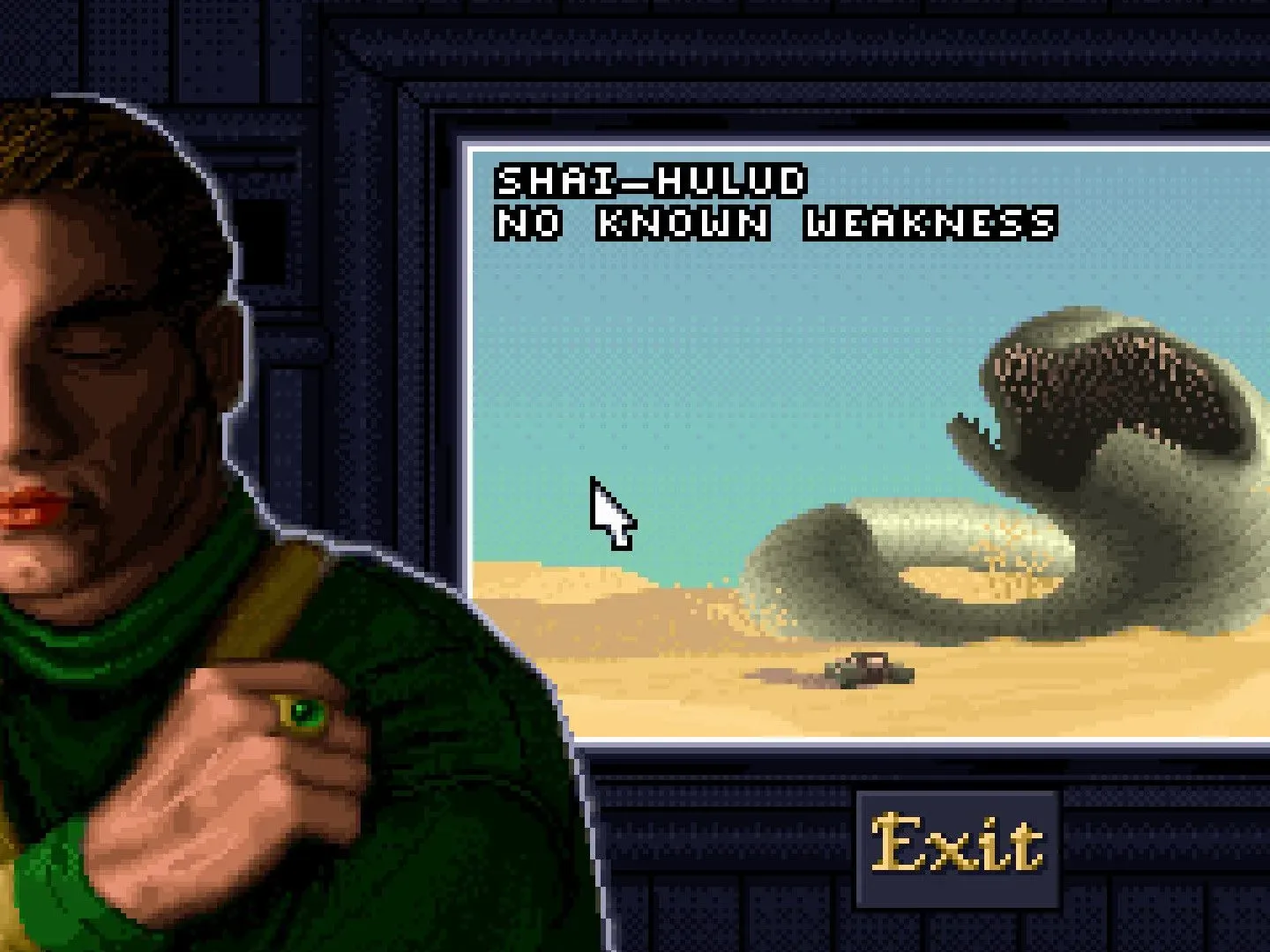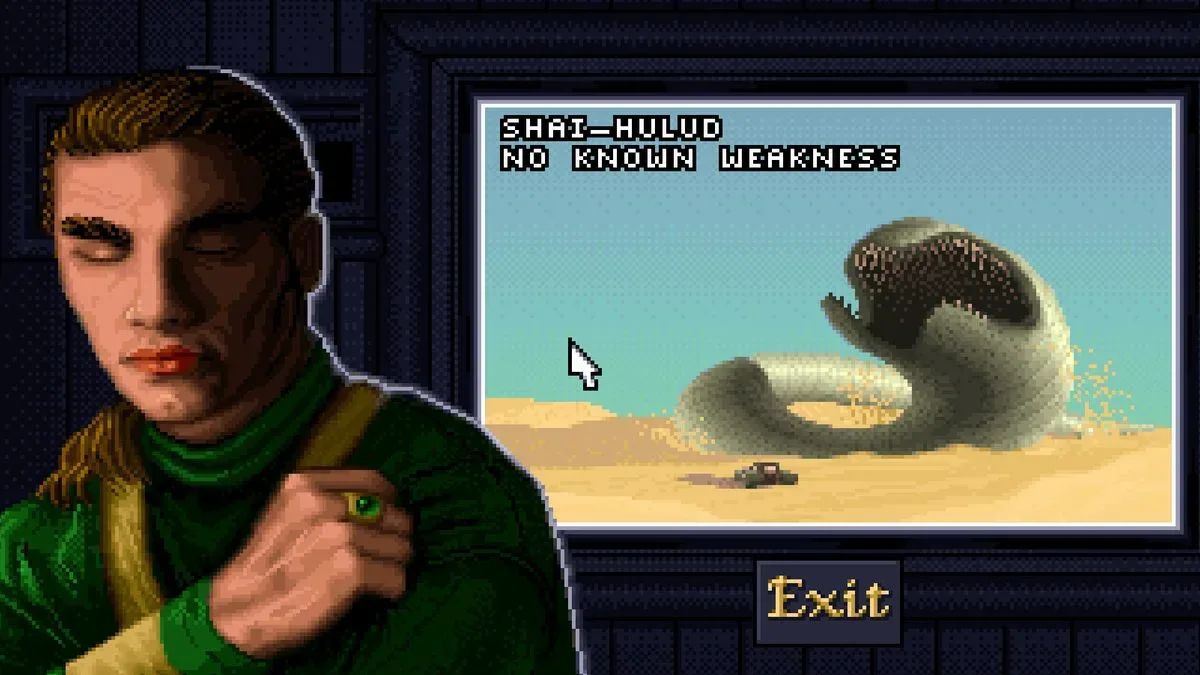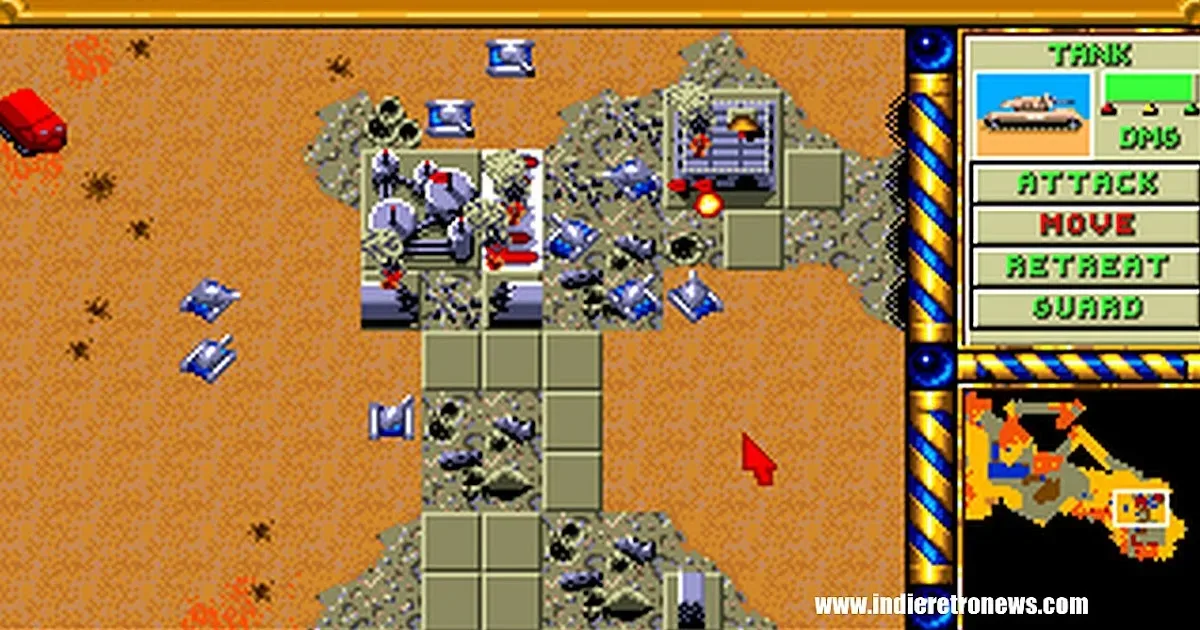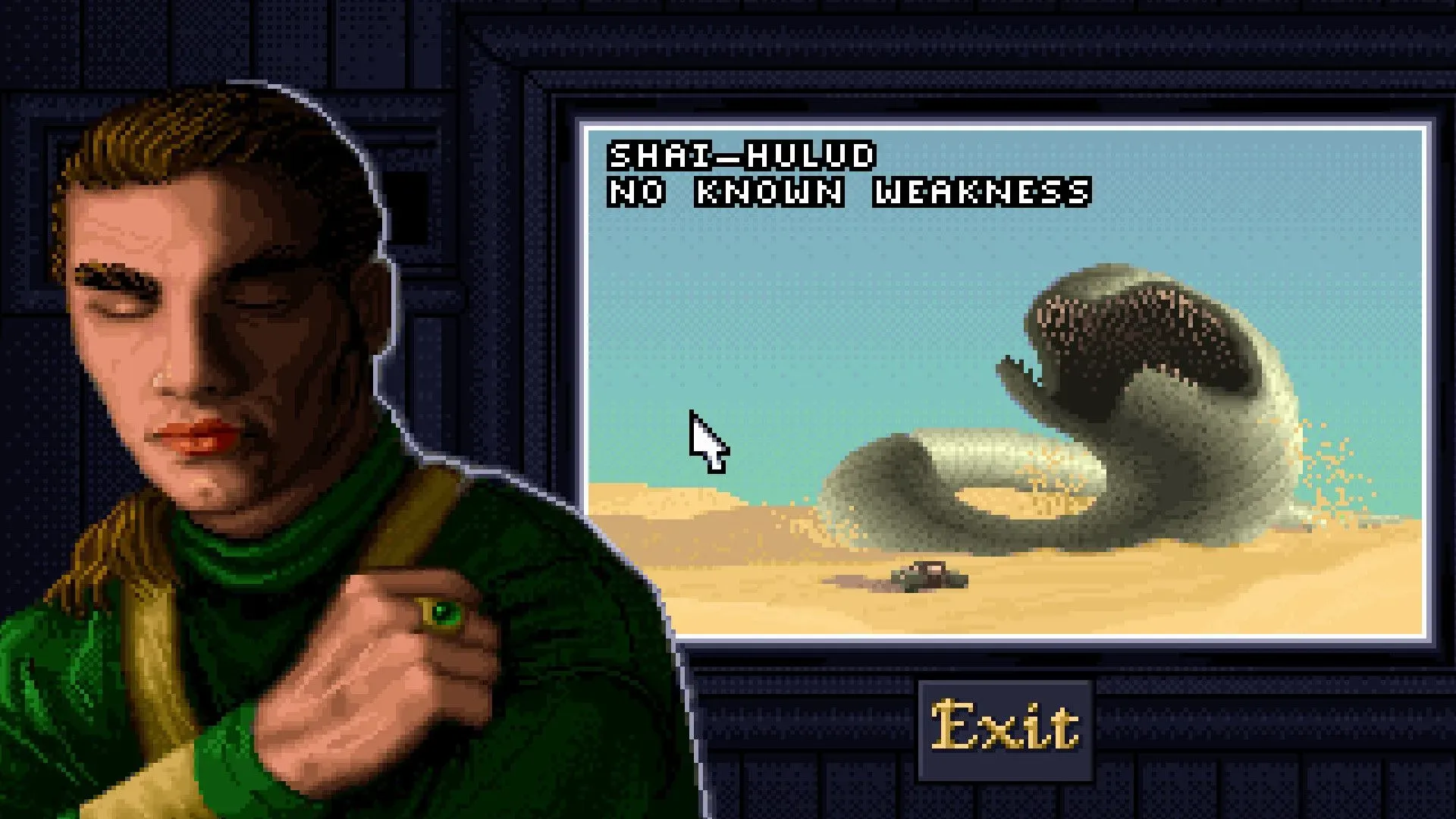
Dune II: The Building of a Dynasty, also known as Battle for Arrakis in some versions, remains one of PC gaming’s most consequential absences from modern storefronts. The 1992 Westwood Studios game helped establish the template for real-time strategy, or RTS: players gather resources, construct bases, produce military units and make decisions under constant time pressure rather than taking turns.
Its influence reaches far beyond its desert setting. Later RTS series including Warcraft and Westwood’s own Command & Conquer took direct inspiration from the model Dune II established. Yet the game has not received an official contemporary re-release. The problem, as described by GOG senior business development and partnerships manager Marcin Paczynski, is not simply finding old files or making an aging game run on a current operating system. It is identifying—and reaching agreement with—the many parties whose rights may be implicated.
That makes Dune II a sharp example of a preservation problem that fans often underestimate. A game may have a developer, a publisher, an underlying fictional setting, a film adaptation that informed the game, and newer commercial agreements tied to the same franchise. Those layers do not necessarily sit with one company, and ownership of one layer does not automatically authorize a new release of the whole work.
A foundational RTS with an unusually difficult path back
Paczynski called Dune II one of the “holy grails” for a potential catalog release, citing both its historical importance and personal nostalgia. But its route to a store page is unusually complicated because the game was based on the 1984 Dune film rather than directly on the novels.
That distinction matters. In ordinary conversation, saying that two works are “Dune” may sound sufficient. In licensing, it can be decisive whether a game uses elements authorized through a book property, a particular screen adaptation, or a separate agreement covering a more recent version of the franchise. A re-release can involve not only the code and artwork made for the original game, but also names, imagery, story elements and other protected material connected to its licensed source.
Westwood Studios developed Dune II and was eventually acquired by Electronic Arts. Paczynski said EA holds the game code, assets and related game materials. In practical terms, those are the components that would be needed to package and distribute the historic software: the program itself, its audiovisual assets and the materials around it.
But holding those materials is different from controlling every permission needed to market them again. IP, short for intellectual property, is an umbrella term for legally protected creative material and associated rights. A company can own a game’s underlying software while another party controls the franchise license that gave the game its setting and recognizable identity.
The five interests described in the Dune II puzzle
The situation outlined by Paczynski involves at least five connected interests, each tied to a different part of Dune II’s history or the franchise’s current commercial landscape.
Related coverage includes Dune 2 Re-Release Remains Stuck in a Complex Web of Rights.
- Electronic Arts: Following its acquisition of Westwood, EA holds the code, assets and other game-related materials described by Paczynski.
- Universal Pictures: The 1984 film was created by Universal, placing it within the chain relevant to a game based on that film.
- The successor to Dino De Laurentiis’ rights: Paczynski said the film’s main producer held part of the movie license. Because De Laurentiis died 15 years ago, a successor would hold that portion.
- The Herbert Foundation: Paczynski identified it as the holder of rights to the Dune IP as a whole.
- Legendary Pictures: Paczynski identified Legendary as holding rights connected to the newer Dune films.
This is not a simple checklist in which permission from each named party automatically produces a re-release. The precise scope of every agreement, any successor interests, and what rights remain usable from past deals would need to be established. That is why Paczynski’s account is important as an illustration of the hurdle, but it should not be mistaken for a public legal ruling on every right involved.
What is clear from his description is the commercial mismatch at the center of the problem. A historic game can be culturally important while still representing a modest sales opportunity compared with the time, expense and coordination required to clear it. Paczynski suggested a re-release might sell roughly 50,000 to 100,000 copies at $5.99 or $9.99. Those are estimates, not a confirmed plan, forecast or price.
For a prospective distributor, that means negotiating across several major rightsholders for a product whose potential audience is comparatively niche. The work could include legal review, contract discussions, technical preparation and a determination of what can be advertised and sold in which territories. The value of preservation is real; the business case may nevertheless be difficult to assemble.
Dune: Awakening adds a current-license complication
The rights picture is not confined to old agreements. Paczynski said Legendary licensed the ability to create games within the Dune IP to Funcom for Dune: Awakening, and that the agreement includes exclusivity. Exclusivity generally means that a license gives one party sole rights to use specified material in a specified way, for a set period, market or category. Its exact boundaries depend on the contract.
Here, those boundaries are the unanswered question. Paczynski said it is currently unclear how the Funcom exclusivity would affect a re-release of Westwood’s Dune titles. That uncertainty extends beyond Dune II to Dune 2000 and Emperor: Battle for Dune.
It would be easy to assume that an old game and a newer tie-in game serve completely different audiences and therefore cannot conflict. Licensing does not always work that way. Agreements may define covered uses broadly or narrowly, and an older work’s connection to a different adaptation can make its position especially hard to assess. Without the contracts, there is no basis for declaring that the current license blocks a re-release—or that it does not.
The key word, then, is unclear. There has been no stated promise of a Dune II return, no announced agreement among the relevant parties and no confirmed timetable. Nostalgia and historical importance do not erase contractual obligations.
Why preservation is more than keeping an old executable
Dune II’s predicament shows why game preservation has a legal as well as technical dimension. Software preservation often begins with questions such as whether files survive, whether the original program can run on modern machines, and whether installers or manuals can be reconstructed. Licensed games add another question: may anyone lawfully redistribute the finished work at all?
The result can be frustrating for players. A game influential enough to help define a genre may be discussed in histories of strategy games while remaining unavailable through an official modern re-release. Its importance to the lineage that includes Warcraft and Command & Conquer does not consolidate its ownership.
This problem also complicates the usual idea that a corporate acquisition solves archival access. EA’s possession of Dune II’s code and assets, as described by Paczynski, is significant. It does not by itself supply the Dune permissions connected to the game’s film-based origins, the broader property or newer licensing arrangements. Put plainly: having the game is not necessarily the same as having clearance to sell the game.
That gap is part of a bigger industry reality: games are both software products and bundles of rights. Their long-term availability can depend on creative contracts made decades earlier, shifts in corporate ownership, and subsequent deals made for an active franchise. For a broader look at how business decisions have shaped gaming’s major platforms, see Xbox vs PlayStation: Console History, Sales and What the Numbers Mean.
What players should take from the stalemate
For now, the most accurate reading is cautious. Paczynski’s comments show interest in bringing Dune II back and explain why that interest has not translated into an announced release. They do not establish that a deal is impossible. Rights can be clarified, licenses can expire or change, and companies can negotiate. They also do not establish that such a deal is underway.
Dune II’s status is therefore less a story about a forgotten classic than a reminder of how many permissions can surround a famous licensed game. Westwood’s 1992 RTS helped shape an entire genre. But its future availability may require alignment among holders of historic game materials, film-related rights, the larger Dune property and a franchise currently supporting a newer game license. Until that alignment happens, one of strategy gaming’s formative works remains a remarkably complicated candidate for an official return.