Tyrian, the 1995 DOS shoot-’em-up from Eclipse Software, is now playable through a browser build from the OpenTyrian team. The version comes packaged with the game’s original freeware data, meaning players can launch into its scrolling space combat without first downloading and installing a separate game file.
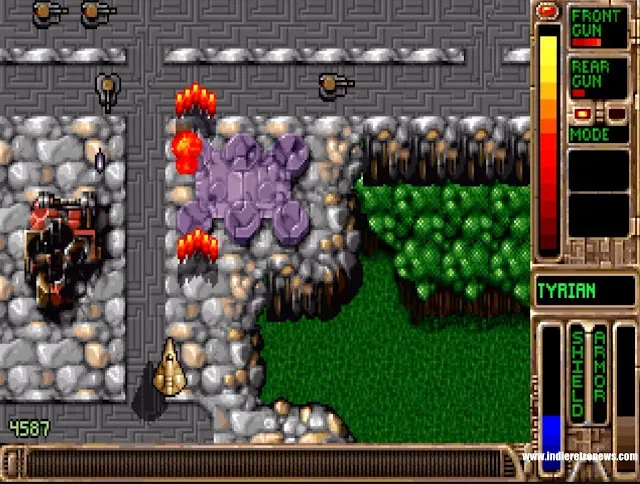
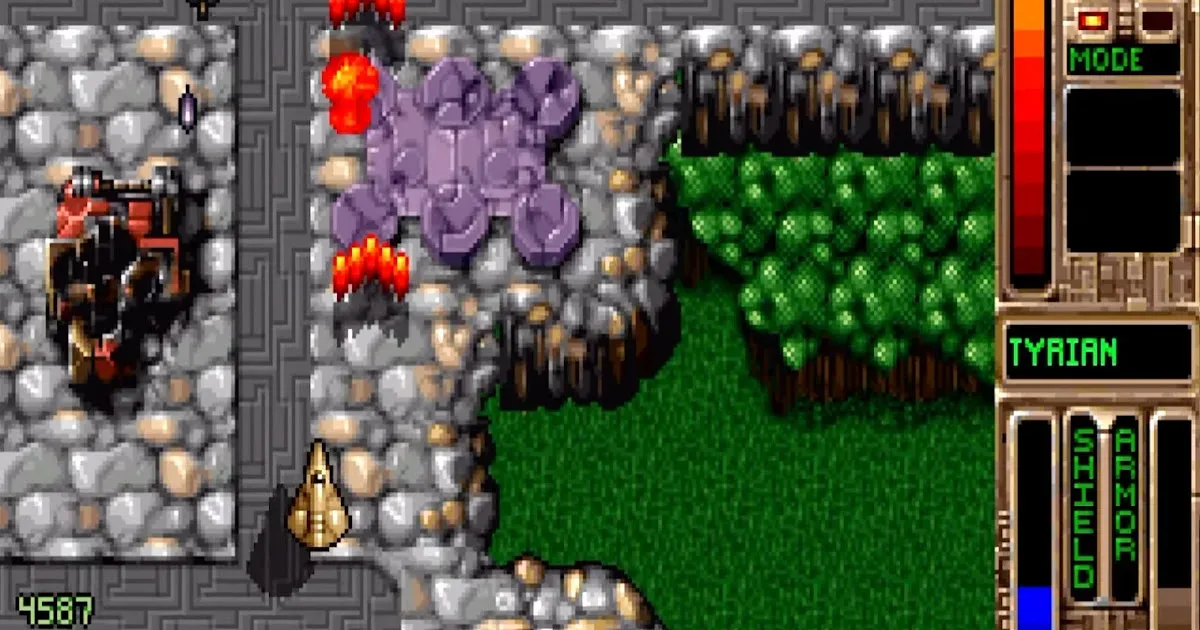
That is a fittingly direct route into a game built around direct action. Tyrian is a vertical-scrolling arcade shooter: the playfield moves upward while the player pilots a craft through enemy formations, firing continuously, dodging incoming attacks and picking up power-ups. It is the kind of design where a short session can be a complete event—one more level, one more attempt at a difficult enemy wave, one more opportunity to see whether a stronger weapon setup changes the outcome.
The browser release does not turn Tyrian into a new game or suggest a remake. Its appeal is access. A DOS title originally released in 1995 can now be sampled for a few minutes or approached as a full campaign from a browser window. For a genre that thrives on immediate response and repeat runs, removing the usual setup step is a meaningful change in how easily curious players can meet the game on its own terms.
A classic shooter built for movement, pressure and upgrades
“Shoot-’em-up,” often shortened to shmup, describes action games centered on firing at large numbers of enemies while avoiding their attacks. In Tyrian’s case, that action is presented through a vertical-scrolling format. The view advances through the level, rather than remaining in a static arena, so players must respond to threats while continually reading newly arriving space ahead of their ship.
That creates a layered challenge. A player is not merely trying to eliminate enemies. They are also judging where enemies will enter, how much screen space is safe, when to collect a power-up, and whether a momentary detour is worth the risk. The essential pleasure of the form comes from turning a crowded screen into something legible: recognizing patterns, finding gaps and maintaining control when the game tries to overwhelm the cockpit.
Power-ups are a central part of that rhythm. The game’s premise emphasizes blasting through waves of opponents while collecting upgrades, and that progression matters because it gives each run momentum. A stronger attack does more than make the ship look more formidable. It can alter how aggressively a player can deal with formations and how quickly a dangerous section can be cleared. In a scrolling shooter, clearing a threat sooner can also reduce the amount of time spent dodging it.
That relationship between offense and survival is why old-school shooters remain easy to understand even for people without deep genre knowledge. The immediate objective is obvious—shoot opponents and avoid getting hit—but the better a player becomes, the more the game reveals about positioning and decision-making. Tyrian offers that familiar arcade language in a science-fiction setting without requiring a modern onboarding ritual before its basic loop begins.
Trent Hawkins’ fight against MicroSol
Tyrian is set in the year 20,031 and follows Trent Hawkins, a capable fighter pilot hired to confront the corrupt MicroSol corporation and save the galaxy. That setup gives the campaign a protagonist and a larger conflict rather than treating each stage as an isolated score challenge.
Related coverage includes Tyrian, the classic DOS shooter, is now playable in your browser.
The story framework is especially useful for a game that can now be opened casually in a browser. Someone who only wants a brief blast of arcade action can play a couple of levels, while someone interested in seeing the whole conflict through can pursue the complete campaign. Those are different commitments, but the browser format supports both. The same build can serve a returning player checking in on a remembered DOS favorite and a newcomer discovering why the game earned a reputation long after its original release.
It is worth keeping the scope of the available information clear. The browser version is presented as a way to play the original freeware game data, not as evidence of new campaign content, redesigned systems or a newly expanded story. Its significance is preservation and convenience: the original game’s action is being made straightforward to access in a current, commonplace environment.
What “browser playable” changes—and what it does not
Browser play means the game runs through a web browser rather than requiring a conventional standalone installation. The practical benefit is simple: there is no separate download step before starting. For an older PC game, that can remove a point of friction for people who might otherwise need to locate software, configure it and decide whether they have time for all of that before they even see the first stage.
In this instance, the inclusion of the original freeware data is important. Freeware refers to software made available for use without a purchase price; it should not be confused with an assumption that every old game is free to redistribute or play. Here, the supplied game data is explicitly part of the browser package, allowing the OpenTyrian build to provide an immediate starting point.
That distinction also keeps the announcement grounded. The news is not that every DOS shooter has suddenly become plug-and-play online. It is that this particular version of Tyrian, supported by the relevant freeware data, has been made available through the browser. The circumstances around a game’s rights and data matter, even when the user experience feels as simple as clicking play.
Browser availability can be particularly valuable for retro PC games because it lowers the barrier between curiosity and context. Tyrian originally arrived in the DOS era, when a game was typically associated with the environment and hardware expectations of its time. A browser build cannot erase that history, nor should it. What it can do is make the game’s core design easier to encounter without asking a new player to first become an expert in older PC setup.
Why Tyrian still makes sense as a rediscovery
There is no need to pretend that a 1995 shooter needs to compete feature-for-feature with modern releases to be worth playing. Tyrian’s value is in the clarity of its proposition: take control of a fighter, push through hostile space, gather upgrades and survive the next increasingly busy stretch of scrolling action. Its soundtrack, power-ups and enemy waves are all parts of a concentrated arcade identity.
For players who know Tyrian already, a browser edition offers a low-commitment way to revisit its campaign or squeeze in a handful of levels. For everyone else, it is a chance to encounter a DOS game in the form most likely to communicate why it was remembered: not as a file to preserve in a folder, but as a game in motion, with enemies filling the screen and a ship trying to carve a safe route through them.
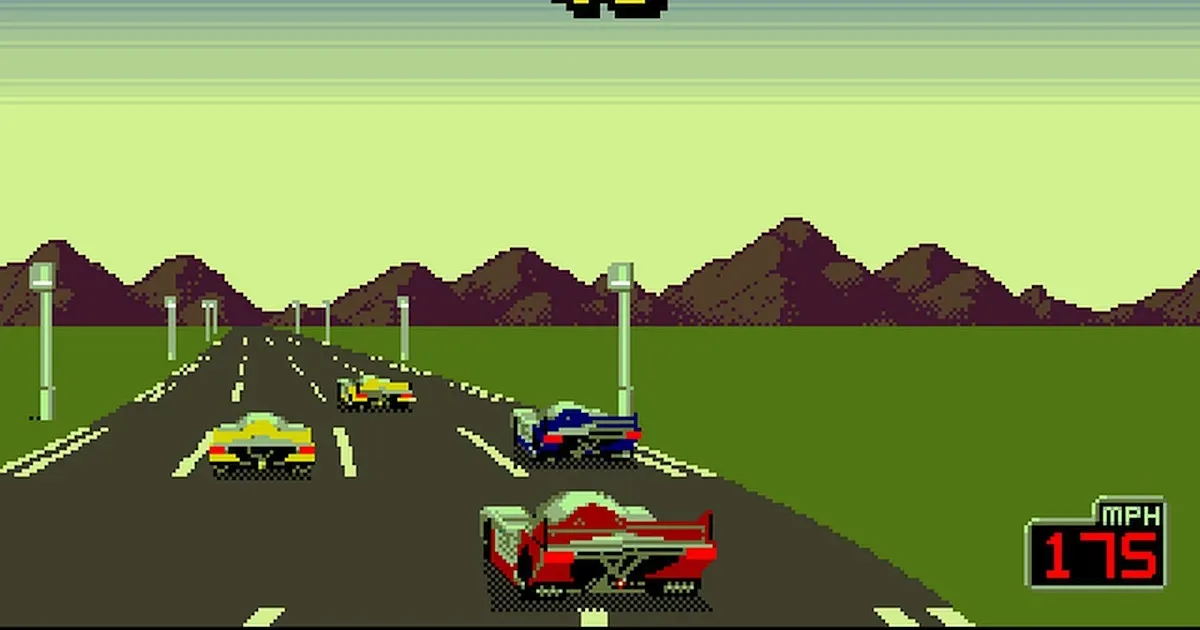
The wider retro scene has plenty of projects aimed at keeping older systems and games accessible, from browser adaptations to new software created for vintage machines. Recent work such as FASTER’s 50fps 2.5D arcade racing on Commodore Amiga illustrates how enduring the appetite is for both preserving and actively extending older gaming traditions. Tyrian’s new browser route belongs to the preservation side of that picture: it makes a known classic easier to play without requiring it to become something else.
A no-download invitation to a 1990s space battle
The key practical takeaway is refreshingly uncomplicated. Players can now access Tyrian’s freeware version in a browser, whether their goal is a full trip through Trent Hawkins’ battle against MicroSol or simply a few stages of concentrated scrolling-shooter action. Its original 1995 identity remains central: this is a DOS-era vertical shooter, built around hostile waves, power-up collection and the pressure of staying alive when the screen gets crowded.
For a game with that structure, accessibility is not a minor detail. The fewer obstacles between the player and the first burst of enemy fire, the easier it is for Tyrian’s strengths to speak for themselves.