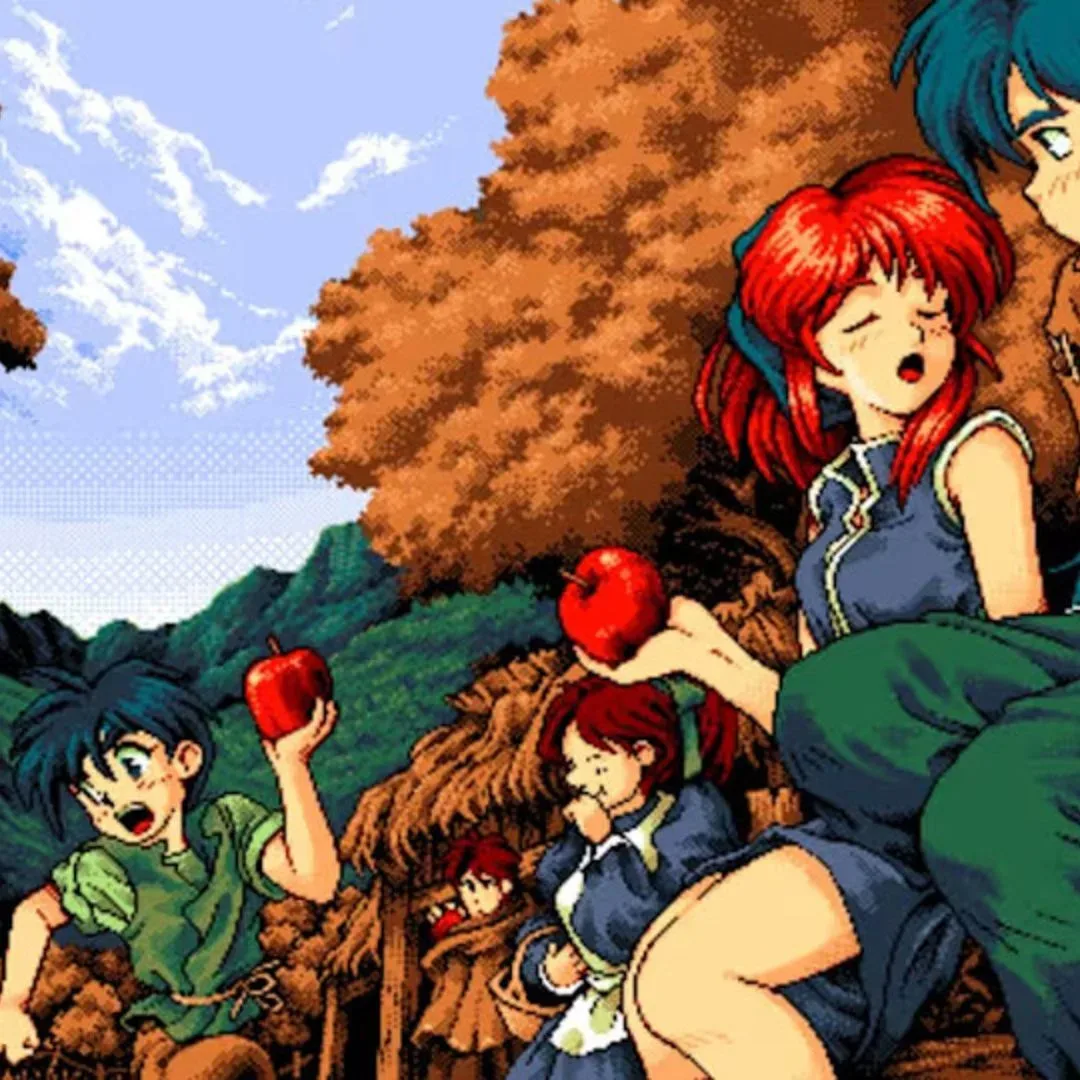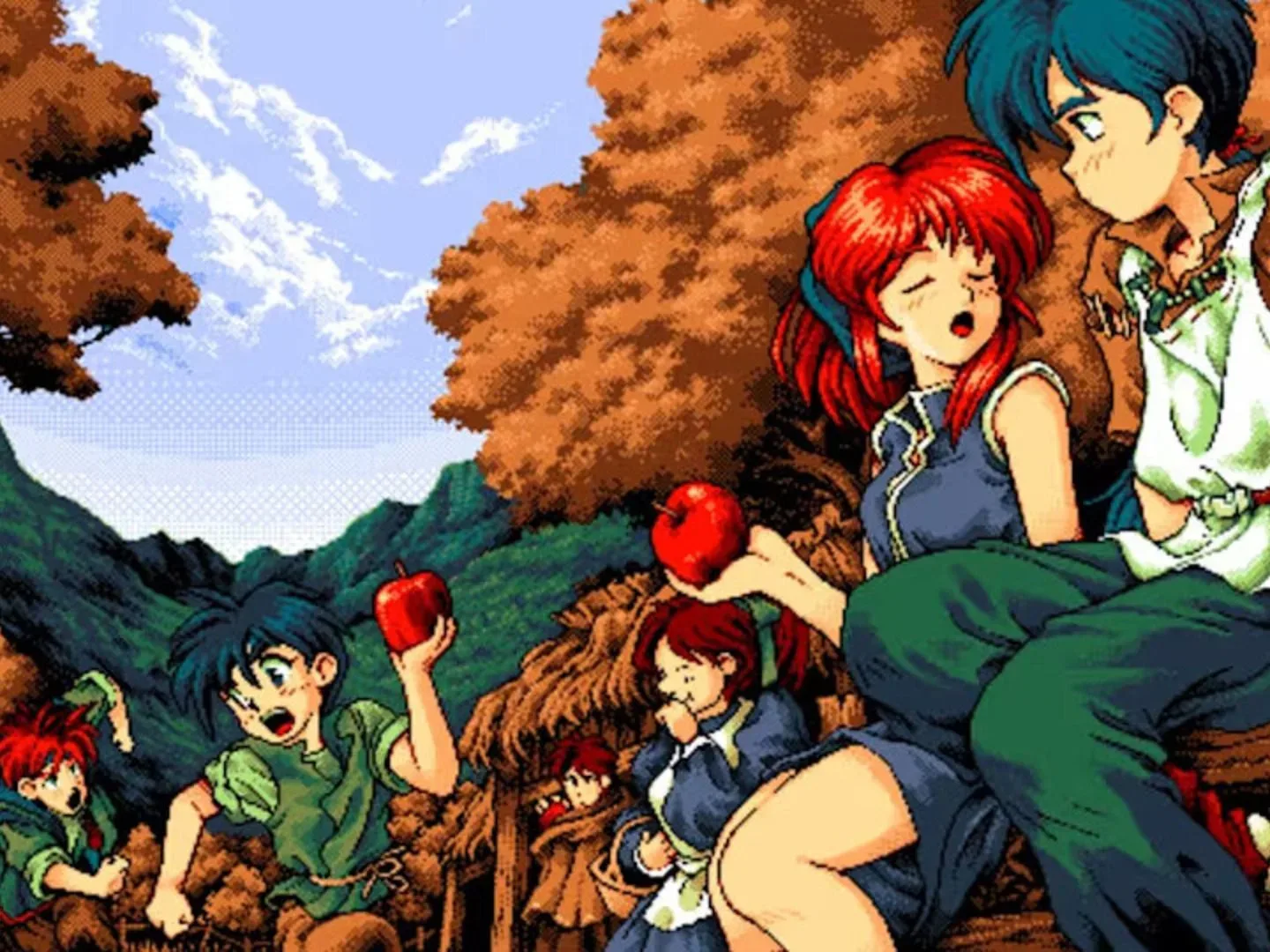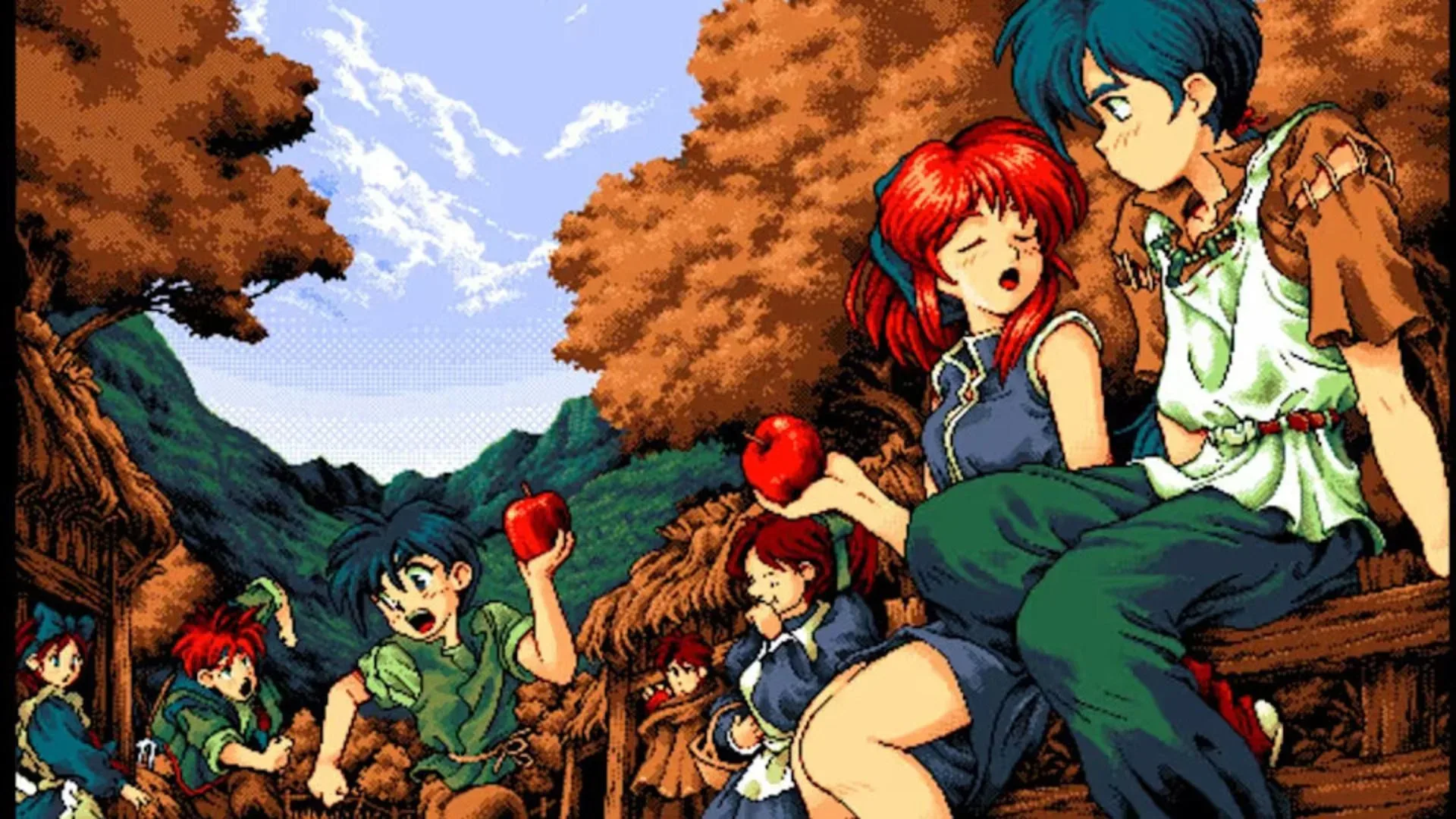
Neowiz is bringing The Legend of Heroes 3: The White Witch back for PC and consoles, giving a much wider audience a path to a 1994 JRPG that has had an unusually awkward history in English. The company describes the project as a “revival and recreation,” with the stated goal of delivering a polished, updated adaptation that preserves the original game’s emotional impact.
The announcement is significant less because every detail is already known—far from it—and more because of how limited the game’s English availability has been. Its official North American localization arrived on PlayStation Portable in 2006 and remains exclusive to that handheld. No release date, specific console list, visual approach, or clear remake-versus-remaster classification has been disclosed for the new version.
That leaves an important but simple takeaway: this is a confirmed effort to modernize and rerelease The White Witch, but players should not assume particulars about its gameplay systems, graphics, localization, extra content, or target platforms until Neowiz provides them.
A familiar game with a very unfamiliar English name
Part of the challenge in following this release is that English-speaking players may know it as The Legend of Heroes 2, not The Legend of Heroes 3: The White Witch.
The numbering mismatch came from release order rather than from a newly discovered sequel. The game originally known as The Legend of Heroes 4 was released in North America in 2005 simply as The Legend of Heroes. When its predecessor was localized the following year, it was called The Legend of Heroes 2. In practical terms, the Western titles inverted the relationship: the game arriving under “2” was originally the third entry, while the earlier North American “Legend of Heroes” corresponded to the Japanese fourth game.
Neowiz is using the original Japanese-series naming convention for its revival: The Legend of Heroes 3: The White Witch. That is helpful for historical accuracy, though it also means prospective players searching for information should keep both names in mind. Discussions, old PSP listings, and fan references may use The Legend of Heroes 2; current material tied to the revival is expected to use The Legend of Heroes 3: The White Witch.
The quick name guide
- Original Japanese designation: The Legend of Heroes 3: The White Witch.
- North American PSP localization title: The Legend of Heroes 2.
- Modern revival title: The Legend of Heroes 3: The White Witch.
This is not merely trivia. Search terms matter for games with fragmented release histories. Someone looking only for “The Legend of Heroes 3” could miss PSP-era English material, while someone looking only for “The Legend of Heroes 2” could incorrectly conclude that the newly announced project is a different game.
Why the revival matters for accessibility
At present, the official English localization’s platform situation is unusually narrow. It was released for PSP and has stayed there. Meanwhile, D4 Enterprise has made the Japanese version available on Nintendo Switch through its EGGCONSOLE retro-port line, but that edition has English text available only in menus rather than a full English localization.
Related coverage includes The Legend of Heroes 3: The White Witch Is Returning for PC and Consoles.
That distinction is crucial. English menu text means players can navigate interface options in English; it does not turn the game’s story, dialogue, and other localized content into the official English release. For a narrative-focused RPG, that difference can define whether a version is practical for a player who needs English throughout the experience.
The upcoming PC-and-console adaptation therefore has the potential to resolve an access problem rather than simply provide another way to buy a well-preserved classic. It would move the game beyond a single discontinued handheld for English-language players, while also bringing it to contemporary hardware. Neowiz has not laid out the localization plan in detail, so it remains safest to describe the release as an updated adaptation of the title rather than to promise the exact treatment of the old PSP script.
Older games frequently survive in uneven forms: an original-language reissue here, a long-out-of-print localized version there, and a naming convention that becomes less intuitive with every new generation of hardware. A properly supported revival can make a work easier to find, understand, and legally access—provided its final platform, language, and release details match that ambition.
What “revival and recreation” tells us—and what it does not
Neowiz has not called the project strictly a remake or strictly a remaster. Those words are often used loosely, but they imply different levels of change.
- A remaster generally updates an existing game presentation or technical framework while keeping its fundamental design substantially intact.
- A remake generally rebuilds a game more extensively, potentially changing visuals, interface design, systems, or structure.
- A revival is a broader label: it signals the return of an older title without, by itself, defining how thoroughly it will be rebuilt.
“Recreation” likewise suggests more than a bare reissue, but does not settle the question. Neowiz’s public language points to an effort intended to feel polished and updated while recapturing the original emotional experience. That gives fans a useful statement of intent, not a specification sheet.
Until more is revealed, several questions remain open: Will this use new artwork or a reworked presentation? Will it retain the original structure and interface? Which consoles will receive it? Will the old English localization be revised, preserved, replaced, or supplemented? Will there be additional quality-of-life options? None of those details have been confirmed.
That uncertainty is worth keeping separate from enthusiasm. The strongest confirmed facts are the game, the companies involved, the broad PC-and-console target, and the desire for an updated adaptation. Everything beyond that belongs in the “wait for details” column.
Neowiz and Nihon Falcom are framing this as a partnership
Neowiz, the publisher associated with the Soulslike Lies of P, says the agreement is the beginning of a strong partnership with Nihon Falcom. Its statement emphasizes that The White Witch has been treasured by RPG fans for more than three decades and that the new project is intended to welcome both returning players and newcomers.
That framing matters because this is not being positioned solely as a museum-piece rerelease for people who already own a PSP. The declared objective is to carry the game’s emotional core into an updated version. Whether the eventual release accomplishes that will depend on details that have not yet been shared, but the intended audience clearly extends beyond longtime series historians.
It also places a particularly old entry in a franchise that many modern players chiefly connect with Trails. The broader Legend of Heroes lineage later produced The Legend of Heroes: Trails in the Sky in 2004. For readers who associate Nihon Falcom primarily with Trails, the return of The White Witch offers a chance to look at an earlier branch of that larger history without pretending it is simply another modern Trails installment.
That distinction is useful. Shared franchise lineage does not automatically mean identical structure, tone, or expectations. The announced release should be approached as an updated version of a 1994 RPG in its own right, not as a substitute for, or direct continuation of, the later Trails games.
A practical watch list for interested players
For now, the most sensible approach is to track the project without filling its gaps with assumptions. The announcement leaves plenty for Neowiz to clarify before launch.
- Confirm the exact platforms. “PC and console” establishes a broad destination, not a platform-by-platform release list.
- Watch for language information. The PSP version’s English exclusivity makes full localization details especially important.
- Look for the scope of the update. Future trailers or product pages should establish whether “recreation” means a remake-scale overhaul, a remaster-like upgrade, or something between those two poles.
- Use both historical titles when researching. The Legend of Heroes 2 is the PSP localization name; The Legend of Heroes 3: The White Witch is the original and revival name.
- Avoid treating a date as settled. No release date has been announced.
The story also fits a broader retro-gaming issue: preservation is not the same as accessibility. A game can exist in a reissued Japanese edition and still be difficult for English-speaking players to experience in the form they need. Likewise, a localized version can technically exist while being locked to one aging platform. For another perspective on approaching an older game on its own terms rather than turning it into a chore, see How to Play Shenmue Without Treating Every In-Game Day Like an Assignment.
For The Legend of Heroes 3: The White Witch, the immediate news is encouraging but deliberately incomplete: a long-obscure English-localization case is finally getting a modern PC-and-console revival, the original title is being restored, and Neowiz is promising an updated experience built around the original’s emotional appeal. The next meaningful update needs to answer the practical questions—where, when, in which languages, and in what form players will actually get to experience it.