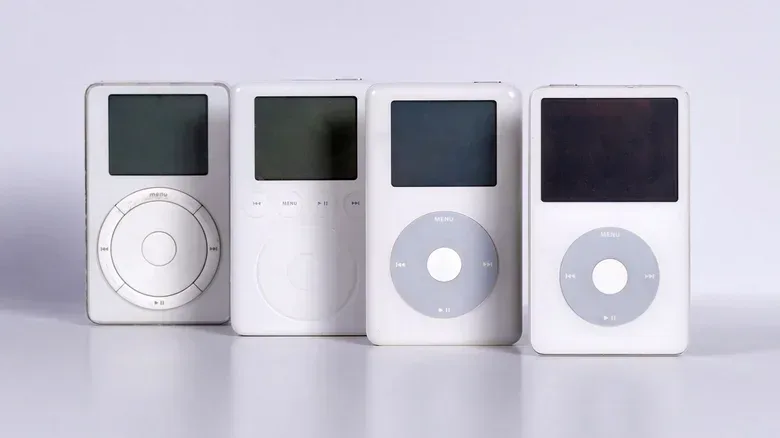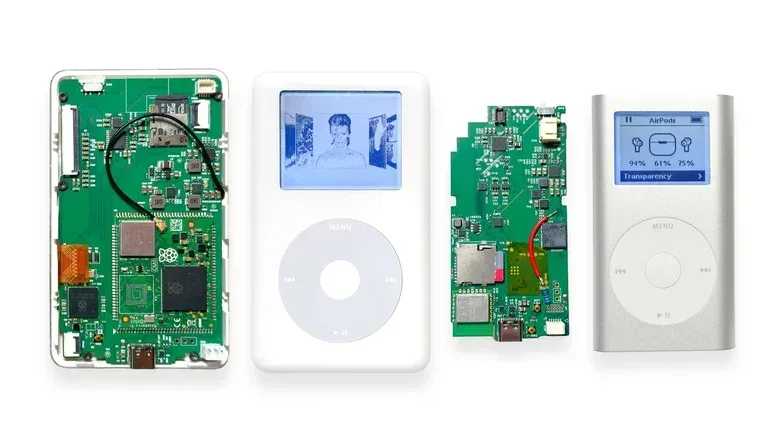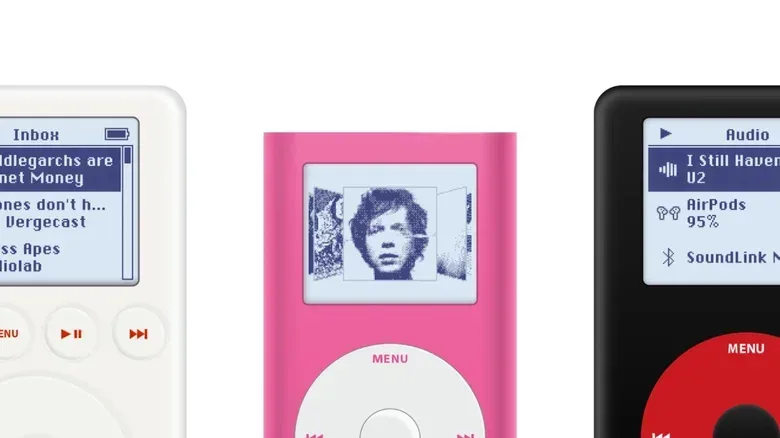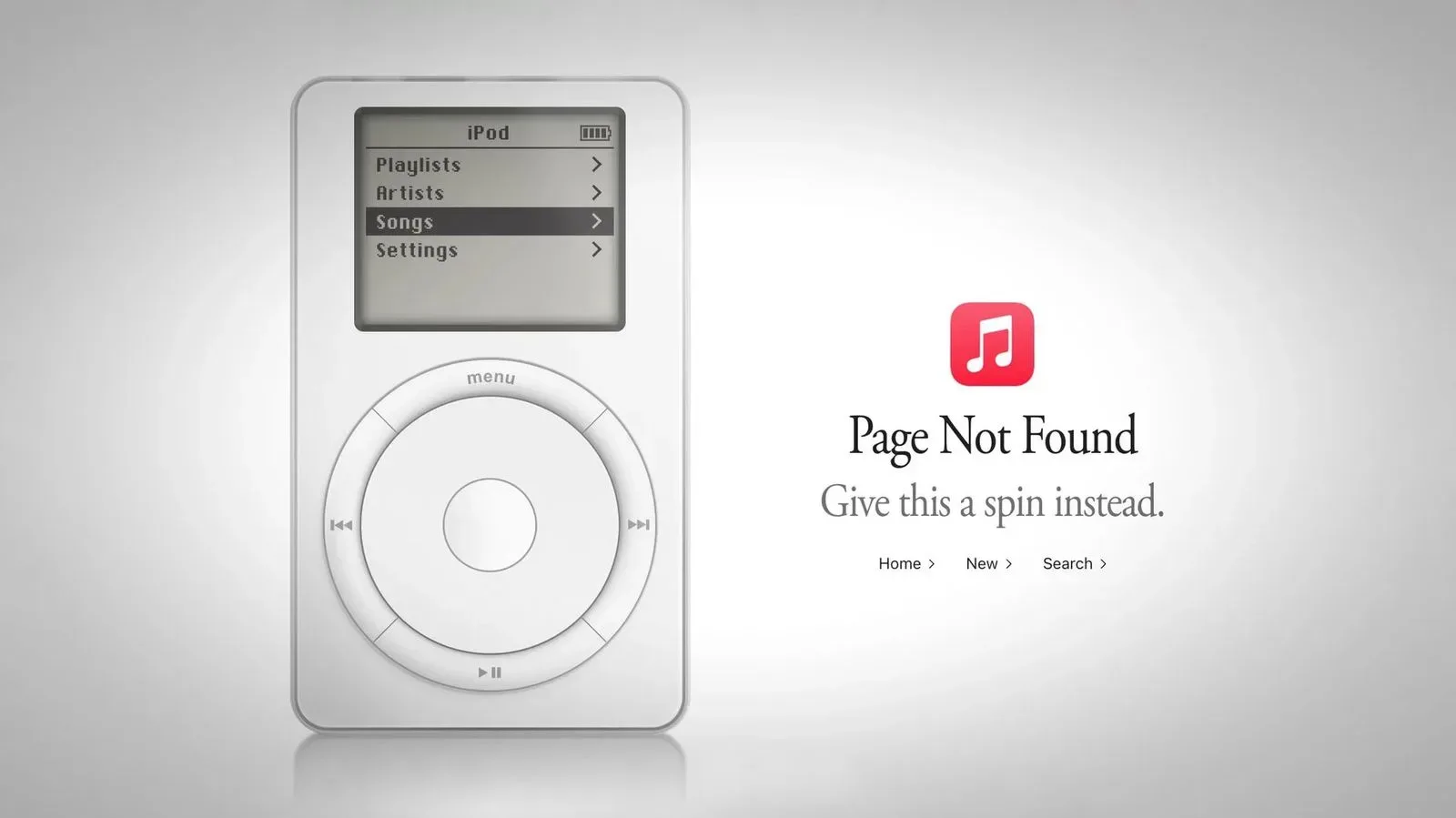
Old iPods are enjoying a distinctly modern second act, but a proposed hardware project wants to take the idea much further than a bigger battery or a storage swap. The Sprout Pi Mainboard is designed as a replacement logic board for a small selection of classic iPods, retaining the familiar screen and click wheel while changing the electronics that make the device work.
If the project reaches its stated goals, compatible iPods could gain USB-C charging, Bluetooth, Wi-Fi, microSD-based storage, a high-fidelity digital-to-analog converter, and an interface styled after the original iPod experience. The Wi-Fi-equipped version is also intended to support streaming from Spotify and Apple Music, along with AirPlay. That is an ambitious prospect for hardware identified primarily with locally synced music—and it needs to be treated as a prospect for now, rather than a finished product.
The project arrives as the iPod reaches its 25th anniversary in October 2026. Apple no longer sells the player, having discontinued the line in 2022, but restoration and modification communities have kept many models in use. A launch video for Sprout has passed one million views on YouTube, a useful sign that the appeal of the click-wheel iPod remains unusually durable.
What makes Sprout different from a typical iPod modification?
Many established iPod upgrades are targeted repairs or quality-of-life conversions. A hard drive may be replaced with flash storage, for example, while a worn battery can be swapped for a higher-capacity unit. Those changes can make an aging player more practical while leaving its original logic board, operating system and core capabilities in place.
Sprout takes a broader approach. The logic board is the central circuit board that connects and manages a device’s main components. Replacing it means the project is not merely modernizing the storage inside an old iPod; it is attempting to provide a new technical foundation in the original enclosure. The stated idea is to preserve the outward character of supported players—their displays and click wheels—while replacing the parts responsible for connectivity, charging, storage and audio processing.
That distinction matters because it changes what an owner is signing up for. A conventional flash-storage conversion generally preserves the original iPod software workflow. That can be exactly the point for someone who wants the historical experience, but it also preserves its limitations. Music syncing can be less straightforward than current listeners expect, and classic iPods built around wired playback do not simply pair with modern wireless earbuds.
A full-board replacement could potentially make a classic shell operate more like a contemporary connected music device. It also makes the modification more dependent on the new board’s software, continuing development and compatibility. The visible click wheel may be old-school, but the crucial question becomes how reliably the replacement hardware and interface perform once they are available.
The promised features, explained
Sprout’s feature list blends several modern conveniences with the charm of a dedicated music player:
- USB-C charging: Rather than relying on the older iPod connector, compatible units would charge through USB-C. For prospective users, that could reduce the number of dedicated legacy cables needed for a player.
- Bluetooth: Bluetooth is the short-range wireless standard commonly used for headphones, speakers and earbuds. Its addition is especially relevant for listeners who want to use wireless audio gear with a click-wheel iPod.
- Wi-Fi: Wi-Fi provides local-network and internet connectivity. In Sprout’s stated plans, this is the feature that would enable streaming applications and AirPlay on the Wi-Fi model.
- MicroSD storage: A microSD card is a small removable flash-memory card. Sprout is described as supporting up to 2TB of music storage, avoiding the mechanical hard drives associated with many older iPods.
- Hi-fi DAC: A DAC, or digital-to-analog converter, turns digital audio data into the analog signal used for playback. The project describes its DAC as high fidelity and intends to support lossless audio.
- Streaming and AirPlay: The Wi-Fi board is intended to offer Spotify and Apple Music streaming, plus AirPlay. AirPlay is Apple’s wireless media transmission system.
On paper, this creates a compelling divide between the preserved physical interface and the replaced internals. The player could look like an older iPod while avoiding the strictly cable-bound listening and older synchronization routines associated with many classic models.
There is an important caveat: the streaming, Wi-Fi and AirPlay functions are still under development. The project’s appeal rests heavily on those capabilities, so they should not be assumed to be final, complete or available on any particular timeline. The board comes in two planned versions: one for local audio playback only, and another with Wi-Fi for streaming apps and AirPlay. Anyone considering the project should make that split central to their decision, not an easily missed specification.
Compatibility is narrow, and the model matters
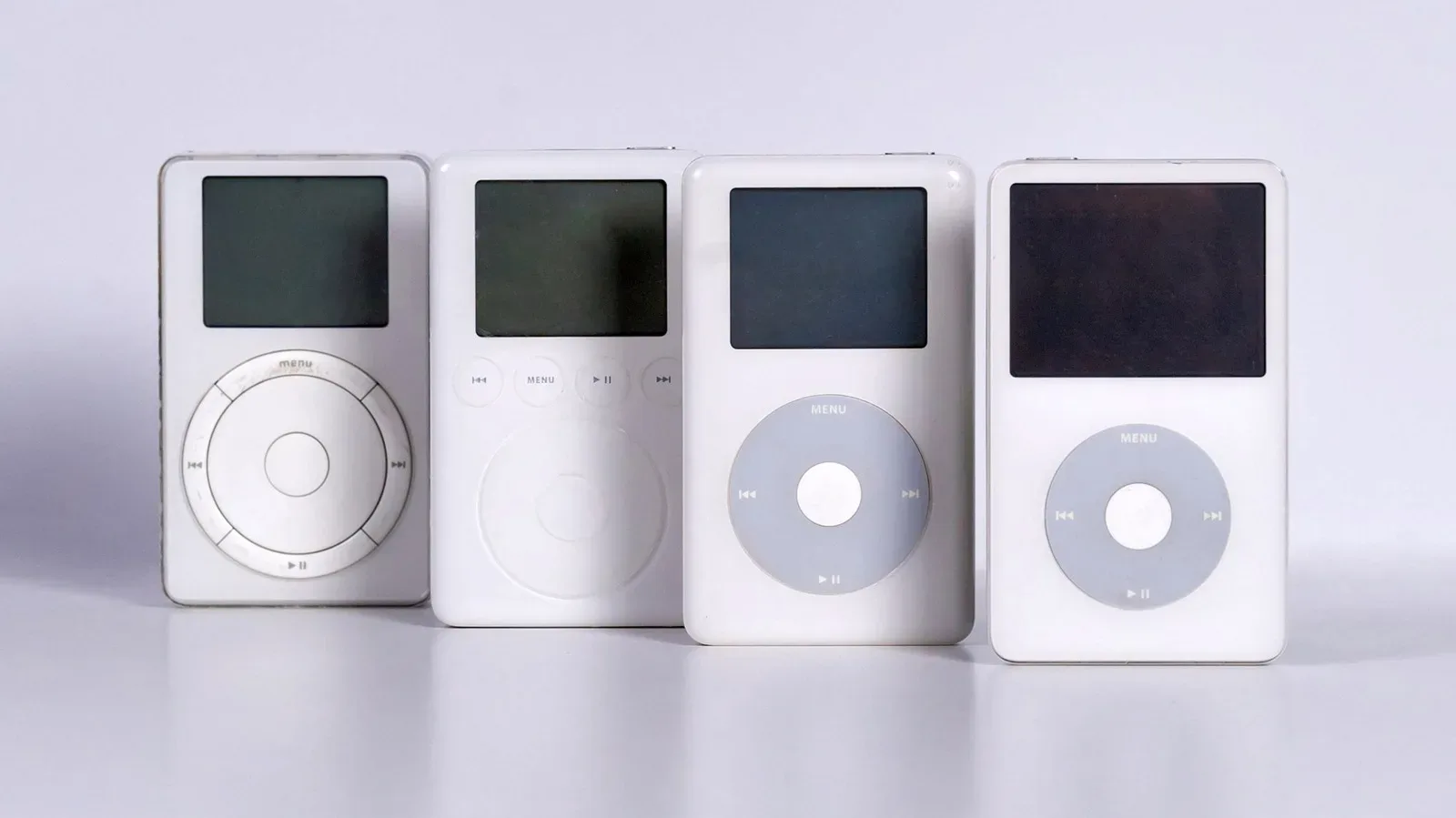
Sprout is not presented as a universal iPod upgrade. Its listed compatibility currently covers the first- and second-generation iPod mini and the third- and fourth-generation iPod. The iPod classic, iPod nano and original iPod models with color displays are not listed as compatible.
That limitation has practical consequences. “Classic iPod” is not a sufficiently precise shopping term for anyone hoping to use this board. A prospective owner would need to confirm the exact generation and form factor before obtaining a donor unit. Older iPods can also be costly depending on the model, adding a second expense before the replacement board itself enters the picture.
It also means that someone who already owns an iPod classic or nano should not assume it can be converted. The attraction of Sprout is closely tied to its physical preservation of a given device’s screen and click wheel, but the project’s current scope is narrower than the broader nostalgia surrounding every iPod model.
Why an iPod touch is not the same answer
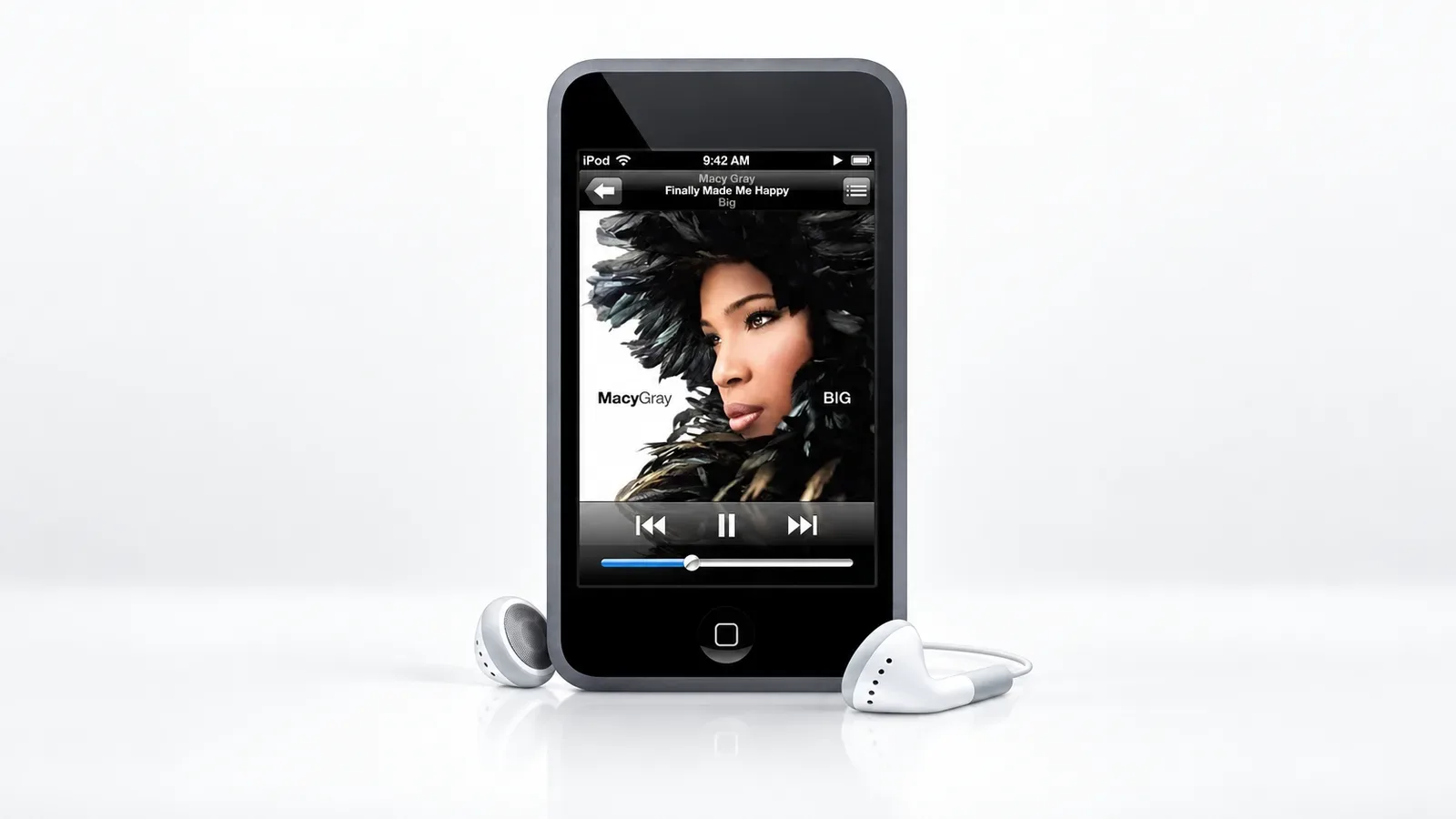
Some iPods already had wireless hardware. The first iPod touch included Wi-Fi, while later iPod touch models included Wi-Fi and Bluetooth. The final iPod nano, released in 2012, also had both connections. Those specifications do not necessarily make them practical streaming players today.
The issue is software support. Streaming services generally require newer operating-system versions than older iPod touch devices can run. The seventh-generation iPod touch—the final model Apple sold—tops out at iOS 15. Meanwhile, the final iPod nano did not support app installation at all. Wireless hardware by itself is therefore not the same thing as having access to current streaming apps.
That limitation helps explain Sprout’s appeal. It is not just offering Bluetooth where there was once only a headphone jack; it is attempting to bridge an old hardware design with services that normally depend on a current software platform. The challenge is substantial because the project must deliver both the physical board and the software environment behind its promised modern functions.
For readers interested in how Apple technology can give old inputs a new purpose, our guide to Apple Watch AssistiveTouch gesture control explores a different example of interaction design being extended through software and accessibility features. Sprout’s approach is much more hardware-centric: it keeps a historic physical control scheme while rebuilding the electronics underneath it.
What remains unknown before any purchase decision
The Sprout Pi Mainboard campaign has not launched on Crowd Supply, and no price or availability date has been provided. Those are not minor omissions. They are core factors in determining whether a restoration is sensible compared with continuing to use a standard flash-storage mod, maintaining an existing player, or buying a used iPod touch for local music playback.
More importantly, the most attention-grabbing features are not yet finished. The proposed streaming support should be understood as development work, not a guarantee. A device intended to access services such as Spotify and Apple Music must also contend with the ongoing demands of account systems, application support and internet-connected software. The supplied details do not establish precisely how those elements will work in the finished product, so it would be premature to make assumptions.
There is still plenty of potential value in the local-playback version for listeners who chiefly want a modernized dedicated music player with removable storage, USB-C and an old iPod’s physical feel. But that is a different proposition from buying specifically for streaming. The two-board setup makes it especially important to identify whether local playback alone is enough, or whether the unfinished Wi-Fi ambitions are the real reason for interest.
A promising modernization, not a completed comeback
Sprout captures why classic iPod modification has endured: the original hardware is valued not only as a collectible object but as an interface people still want to use. The click wheel and compact player format can remain intact while the underlying limitations of old batteries, hard drives, connectors and wired-only listening are addressed.
For now, however, the sensible reading is cautious optimism. The board’s compatibility list is limited, the campaign is not live, prices and dates are unknown, and several headline features remain in development. Owners of the supported iPod mini, third-generation iPod or fourth-generation iPod can watch the project with interest. Everyone else should verify their model rather than treating “old iPod” as a blanket compatibility label.
If Sprout ships with its proposed feature set, it could offer a notably different path for retro music hardware: preserve the iPod’s recognizable controls and display, while replacing the technology that had trapped it in an earlier era. Until then, it is best viewed as an intriguing restoration-oriented concept with promising stated goals, rather than a guaranteed route to Spotify, USB-C and wireless listening.