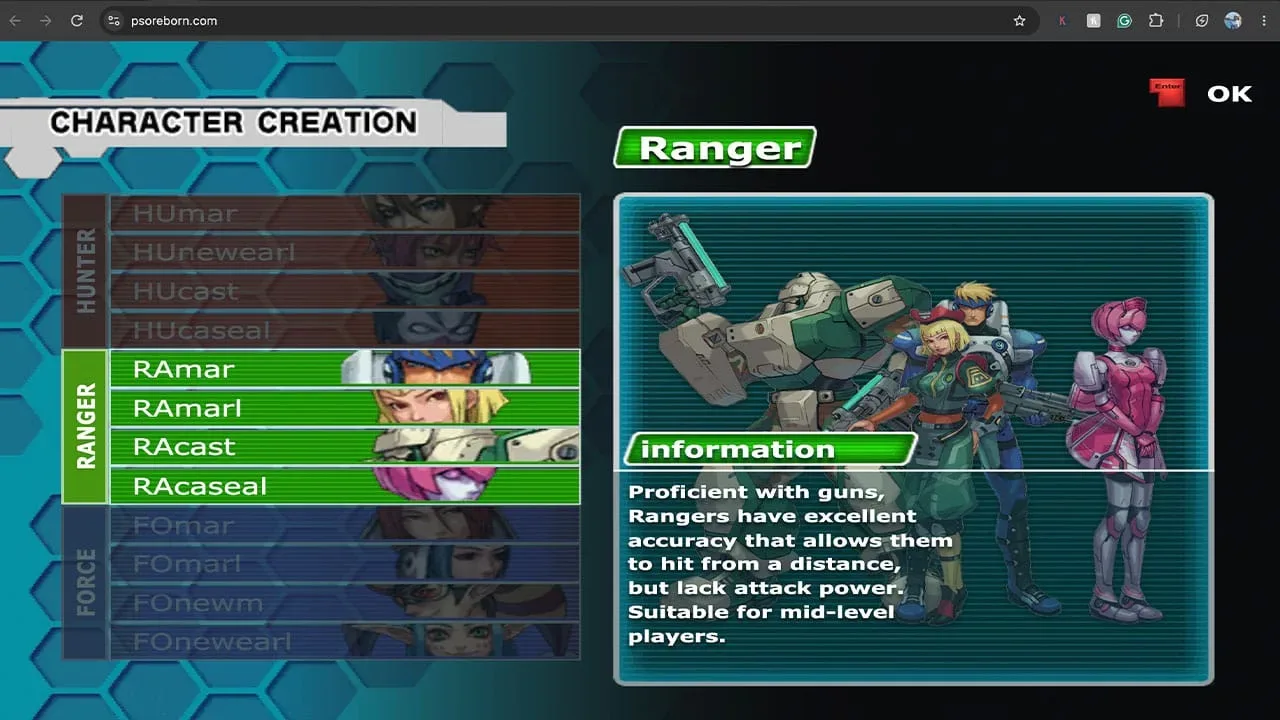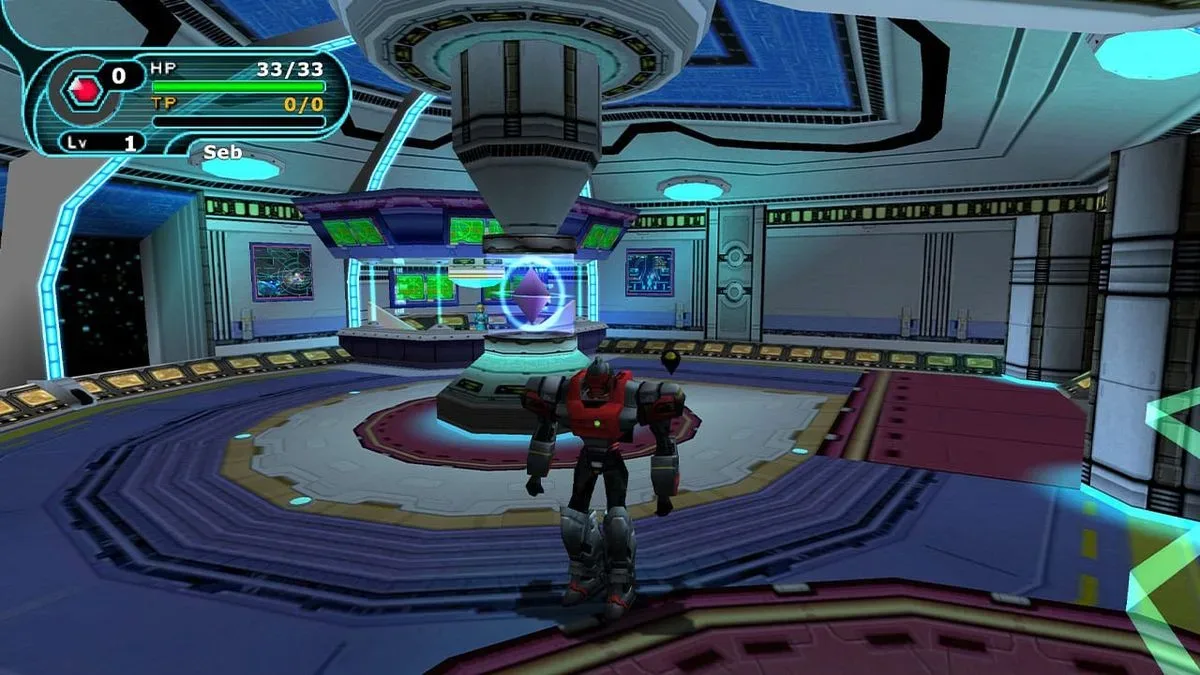
A fan project called PSOReBorn is presenting a striking proposition for Phantasy Star Online fans: run the game in a web browser, play alone or with others, and use anything from a conventional controller to touchscreen controls. The project is said to target 60 frames per second, potentially making one of the most fondly remembered online console games accessible without a traditional install-and-play setup.
That technical ambition is being met with a substantial caveat. The project’s creator, known as Bottled_Captain, has reportedly made extensive use of AI tools for programming, bug fixing and multiplayer work. That has prompted criticism from players who see the project’s apparent browser achievement as difficult to separate from concerns about how it was built, who is accountable for its code, and whether an AI-heavy workflow deserves community trust.
In other words, this is not simply a story about old software showing up in a new place. It is also a live example of the uneasy conversation around AI-assisted development reaching fan preservation and revival work.
What PSOReBorn says it offers
PSOReBorn is described as a fan-made recreation available through PSOReBorn.com. Its core pitch is browser-based access to Phantasy Star Online, with both offline solo play and online multiplayer. Reported control support includes physical controllers and touchscreen input, broadening the types of device on which it could be used.
The 60fps claim matters because frame rate is the number of visual frames a game displays each second. A higher and steadier rate can make movement and menu interaction appear smoother. It is not, by itself, proof that every component of a game is accurate or dependable; network behavior, input responsiveness, saving, compatibility and stability all matter too. Still, a 60fps browser implementation of a game associated with Dreamcast and GameCube memories is an attention-grabbing technical target.
Browser delivery has an obvious appeal. The game is not framed around a particular legacy machine, disc drive or operating-system installation. In principle, that lowers the barrier between a curious returning player and a first session. For a game whose identity includes playing alongside other people, reducing setup friction could be particularly meaningful. An online game only feels alive if people can get into it, understand its controls and find one another.
There is an important distinction, however, between a project being easy to launch and being a settled, durable replacement for an older release. The available information establishes the project’s stated capabilities, not a comprehensive picture of its long-term support, technical maintenance, rights position or the consistency of its online environment. Anyone weighing whether to use it should treat those as open questions rather than assumptions.
A legacy built across Dreamcast and GameCube memories
Phantasy Star Online holds a particular place in retro gaming because players associate it with both Dreamcast and GameCube. The project’s premise taps directly into that cross-platform nostalgia: it is asking fans to revisit a game connected to dedicated console hardware through the most general-purpose gaming platform of all, the browser.
Related coverage includes Phantasy Star Online Fan Project Brings 60 FPS Browser Play With AI Debate Attached.
That shift is compelling even before the AI debate enters the picture. Retro access is often tied to a collection of practical obstacles: original hardware, accessories, compatibility, storage, and the fact that online functions can be more complicated than local single-player play. A browser version promises to make the route from interest to play far shorter.
It also changes the expectations around input. A player who remembers a controller can still use one, while a touchscreen option points toward devices that were not part of the original experience. Whether that makes the game equally comfortable in every scenario is separate from the point: the project is attempting to meet players where they are rather than requiring them to reconstruct a period-correct setup.
For a look at how platform history can still shape what people want from older games today, our guide to Wii adventures for different solo moods explores the practical side of returning to console-era experiences. PSOReBorn approaches that same desire from another angle: not choosing a game around a specific old machine, but attempting to remove the machine from the equation.
Why the AI issue has eclipsed the technical pitch
The contentious element is not that AI was used in a small, clearly limited role. The reported concern is the degree of use: AI assistance for writing code, addressing bugs and helping create multiplayer functionality. Critics have characterized the result as heavily “vibe-coded.”
Vibe coding is an informal term for directing an AI coding tool in broad terms and accepting, adapting or iterating on generated code without necessarily working through every underlying implementation in the way a developer traditionally might. The phrase is often used critically, though it does not automatically describe one fixed technical standard. It can mean anything from fast prototyping to a workflow where a human has limited understanding of crucial systems.
That ambiguity is exactly why the label produces such a strong reaction. A browser game with offline functionality is one thing; an online multiplayer game adds more moving parts and more reasons for players to care about who understands and maintains the software. Multiplayer code has to coordinate people connecting to the same experience. When something goes wrong, the practical questions are straightforward: Can the issue be diagnosed? Can it be repaired? Is there a clear person responsible for decisions and changes?
AI can assist with tasks such as generating code suggestions or proposing fixes. But assistance and authorship are not interchangeable concepts. The concern voiced around PSOReBorn is not a claim that AI-generated output can never work. It is that heavy reliance may make the project harder to evaluate, harder to sustain, or less appealing to people who want a fan project to be deeply understood by its maintainers.
“It runs” and “it is trustworthy” are different claims
One reason this debate has become heated is that both sides of the reaction can be understandable at the same time. If PSOReBorn delivers responsive browser play, controller support, touch controls, solo play and multiplayer at its stated frame rate, that is a notable accomplishment in terms of accessibility. A working result has value to players.
Yet functionality alone does not answer every question players may have about an online fan project. Trust can involve confidence in maintenance, transparency about the build process, the handling of technical problems and the project’s future. Those are especially relevant where multiplayer is involved, because a community may invest time and expectations into a shared service rather than a self-contained file on one person’s device.
The reported use of AI therefore becomes more than a philosophical argument about creative tools. It is a practical consideration about stewardship. A project can be impressive in its immediate output while still facing skepticism about the process behind it.
Unconfirmed claims should remain separate from the central issue
There are also rumors linking the creator to cryptocurrency. No supporting detail is established here, so that claim should not be treated as fact or used to judge the project. It is relevant only as an example of how quickly a controversial release can attract adjacent speculation.
The documented topic that players can actually assess from the available information is the reported extensive AI involvement. That is already enough to create a serious debate without adding unsupported allegations. Keeping the issues separate is important: concerns over AI-assisted programming, worries about an online project’s accountability, and rumors about unrelated activity are not the same claim and should not be bundled together.
What players should take from the moment
PSOReBorn’s arrival illustrates why fan projects can spark both enthusiasm and scrutiny. On one hand, browser-based access, multiple input methods, offline play and online multiplayer all speak to the appeal of making a beloved older game easier to reach. On the other, the reaction to its reported development process shows that audiences increasingly care not only about whether a project functions, but also about how its creators got there.
For players, the sensible response is neither automatic dismissal nor automatic endorsement. The project’s claims are attractive, particularly for people who remember Phantasy Star Online on Dreamcast or GameCube and want a low-friction route back. At the same time, the concerns around extensive AI use are reasonable grounds for people to ask for clarity and to decide that they would rather not participate.
That tension is likely to define the project more than its frame-rate target. PSOReBorn may demonstrate how quickly browser technology can reshape access to an older game, but it also demonstrates that convenience does not make questions of authorship, technical ownership and long-term responsibility disappear. If anything, making an online experience easier to enter makes those questions more visible.