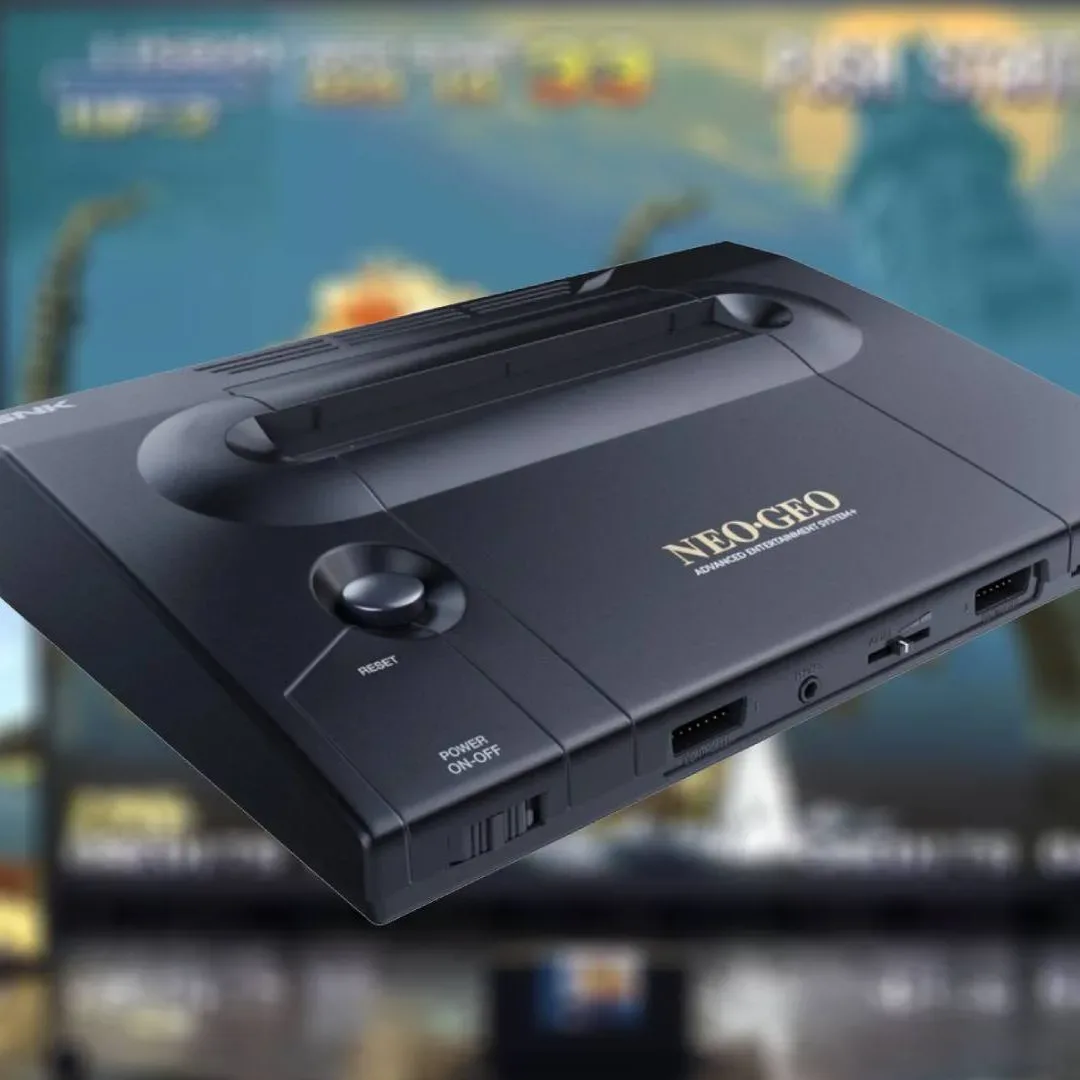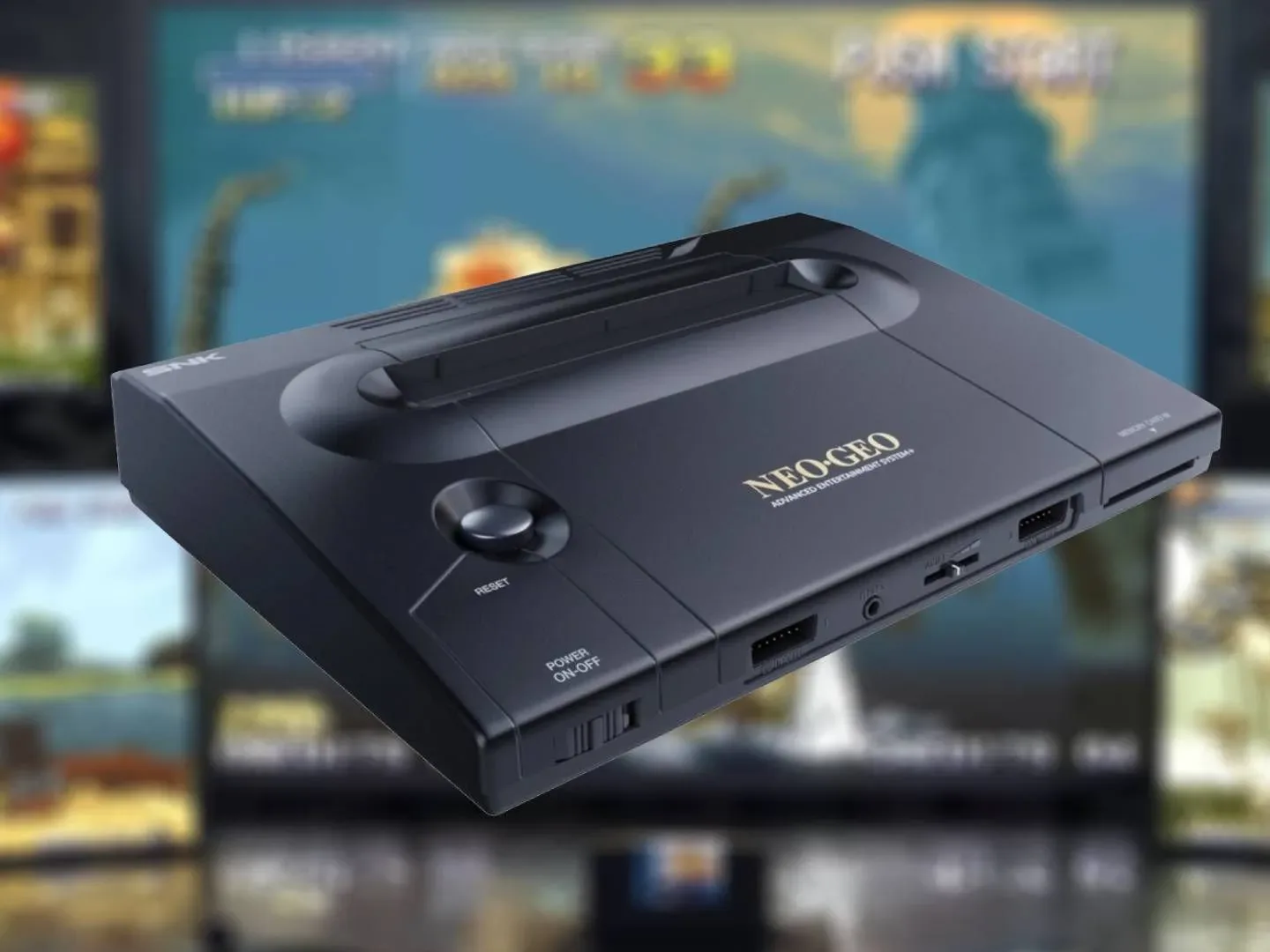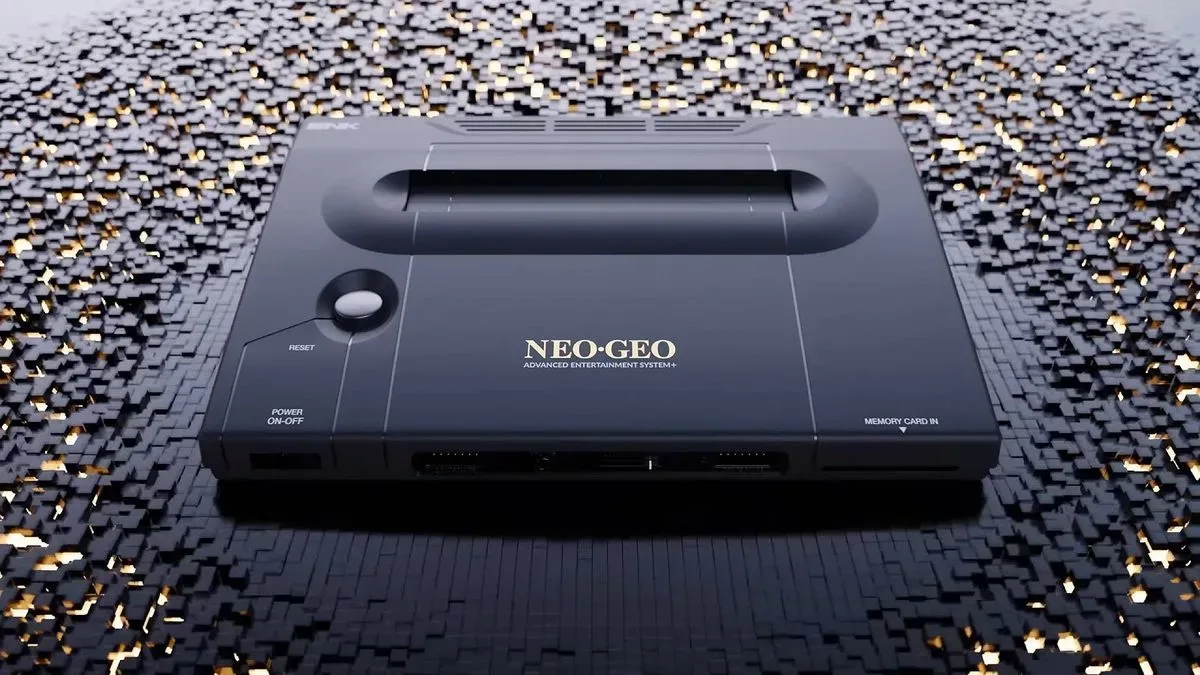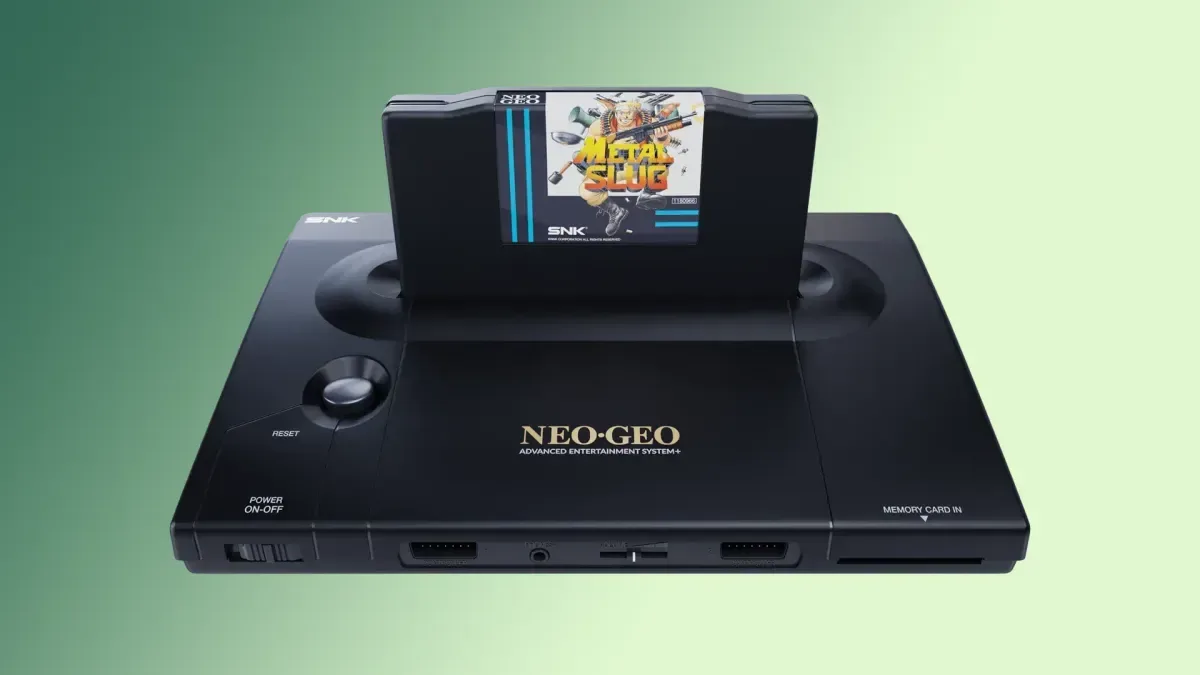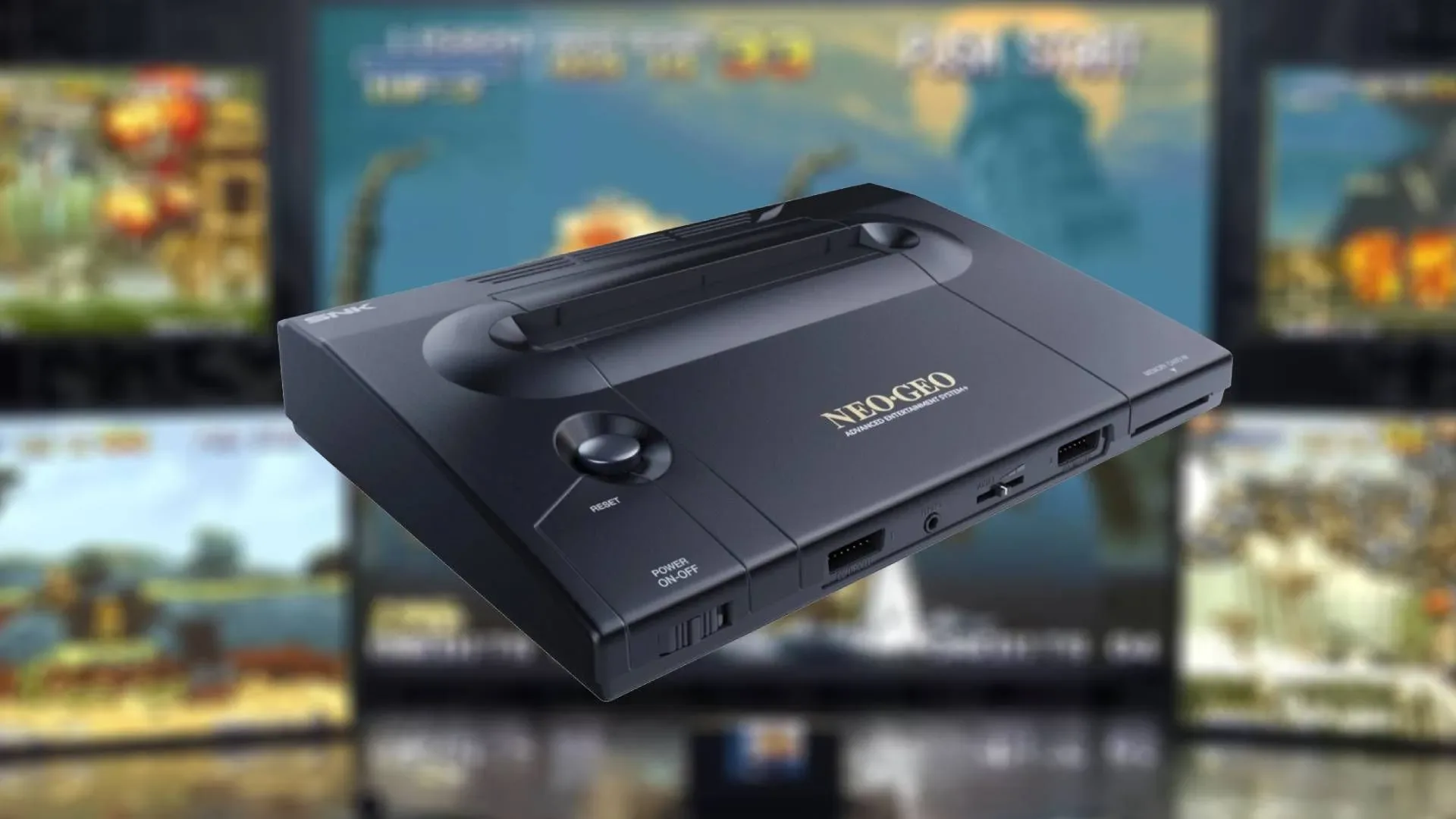
The Neo Geo AES+ has survived a threat far less glamorous than a cartridge slot full of arcade classics: a shortage of the flash memory components required to build it. Plaion’s planned remake of SNK’s 1990s home arcade system is now delayed until September 2027, after the company had to rework part of its design around components that were difficult to source.
The complication was serious enough that Plaion hardware and software director Ben Jones described the project as having been “almost dead.” The company had received what Jones called overwhelming interest and significant preorder volumes after unveiling the AES+, then moved to procure chips. That effort ran into an unfamiliar response: suppliers would not accept the required chip order. The underlying explanation, Jones said, was AI.
It is a useful reminder that data-centre demand is not limited to the headline components people associate with AI systems, such as high-performance graphics processors. The effect can reach less conspicuous parts of the component supply chain, including flash memory used in a specialised retro-console project. For a product designed around reproducing the behaviour of older hardware, losing access to an essential modern memory part can still stop production cold.
A supply problem that threatened the whole machine
The AES+ is positioned as a hardware-level recreation of the original Neo Geo AES, rather than a system based on FPGA technology or software emulation. That ambition makes its parts selection especially consequential. The console and its recreated cartridges are intended to work through a specific hardware approach, so simply substituting a broadly available component is not necessarily straightforward.
Jones said Plaion had already made thousands of two application-specific integrated circuits, or ASICs, for the cartridges. An ASIC is a chip created for a particular job rather than a general-purpose processor. In this case, the cartridge ASICs handle the memory chips and communicate with the console itself. That inventory mattered: it meant the cartridge side of the project had advanced far enough that walking away would leave purpose-built hardware without the system it was made to support.
“If you hadn’t had the solution for the flash, I think everything was dead,” Jones said of the project’s crisis and the eventual workaround.
The available cartridge ASICs effectively narrowed the route forward. Rather than discarding the existing cartridge work and beginning again, Plaion investigated whether it could make another form of flash memory fit into the system’s intended communication model. Chief technical officer Bruno Steux found that route, turning what could have been a cancellation into a delay and redesign.
Parallel flash, Serial NOR flash, and the conversion in between
The technical change at the centre of the story concerns the difference between parallel flash and Serial NOR flash. Flash memory is non-volatile storage: it retains its data when power is removed. In a cartridge system, that property makes it suitable for holding game data.
Related coverage includes Neo Geo AES+ Saved From Cancellation by Flash Memory Workaround.
“Parallel” and “serial” describe different ways the memory exchanges data with other hardware. Parallel communication uses multiple data lines at once; serial communication sends data in sequence across fewer lines. The Neo Geo-oriented design used parallel flash, while Plaion identified Serial NOR flash as easier to obtain.
NOR is a category of flash memory often associated with direct code storage and relatively straightforward access to stored data. The important point for the AES+ is not that Serial NOR is a universal drop-in replacement. It is not. Because the Neo Geo design expects parallel flash, using serial memory requires conversion hardware or logic capable of translating between the two approaches.
That conversion is the workaround Plaion has chosen. The company can use Serial NOR flash that is more readily available, then bridge the difference so the hardware can work with it. In practical terms, the solution preserves the project’s cartridge plan while adding engineering work that was not part of the original route to production.
Steux said the company had no real choice if it wanted to avoid waiting too long for the originally intended parts and potentially paying too much. Jones said the team pursued every option, including a trip to Taiwan to speak with suppliers and partners. The result is not an immediate release, but it is a path to manufacturing that Plaion evidently judged viable.
Why the delay matters more than a revised date
The new September 2027 target reflects more than a simple scheduling slip. A conversion solution has to be integrated into a product that is attempting to mimic a legacy machine at the hardware level. Even without assuming the exact validation process, the basic practical implication is clear: the workaround must become part of a stable, manufacturable design rather than a one-off component substitution.
It also illustrates a tricky reality for niche hardware. A small enthusiast-focused console can depend on parts made for a much wider electronics market, yet it cannot necessarily compete for those parts on the same scale as data-centre customers. The AES+ may evoke a 1990s console, but it remains a present-day manufacturing project subject to modern supply priorities.
This is particularly striking because the product’s physical cartridge format is not incidental. The cartridges are central to the AES+ proposition, and the cartridge ASICs were already in place before the flash supply issue emerged. The parts Plaion had managed to secure became the reason a different technical route was worth pursuing.
The broader games-hardware picture remains unsettled. Component pressure has been linked here to rising costs affecting gaming PCs and handhelds, alongside the AES+ issue. Players following the wider technology landscape may also be watching software-facing hardware developments, such as the PS5 Pro update that makes Enhanced PSSR the default in supported games. The AES+ situation is different in scope, but it shows that supply constraints can shape gaming hardware long before a consumer sees the finished device.
What buyers should keep in mind
Plaion has put the AES+ at $249.99, with no cartridges included. Recreated cartridges are priced at $69.95 each. Those figures make the system a premium retro proposition even before the delay is considered. The added supply-chain redesign helps explain why the company is preserving the project rather than abandoning it, but it does not remove the questions prospective buyers may have about value.
There is also a distinction worth making between the stated design goal and a claim of exact historical equivalence. The AES+ is described as mimicking the original system at a hardware level without FPGA chips or emulation. That describes Plaion’s intended approach. It does not by itself settle the enthusiast debate over whether the final console will be a one-to-one replica, or whether its behaviour will match existing hardware in every scenario.
Those are reasonable questions for a device whose appeal rests heavily on authenticity, cartridge operation, and the character of original Neo Geo hardware. The Serial NOR conversion addresses component availability; it does not automatically answer every question about how the finished platform will compare with older systems. That comparison will depend on the eventual retail hardware, not simply the existence of a workaround.
Some prospective customers may also weigh concerns around SNK’s ties to Saudi Arabia and the country’s human-rights record, including the criminalisation of LGBTQIA+ people. That is separate from the engineering challenge, but it remains part of the buying conversation around a revived SNK-branded platform.
A train still moving, on a longer track
The key development is that the Neo Geo AES+ was not merely delayed by an inconvenient component shortage. Its original production path was endangered, and the project continued because Plaion could redesign around a more obtainable category of flash memory while building on cartridge hardware it had already produced.
For now, September 2027 is the target. The redesigned flash arrangement gives the AES+ a route forward, but the extended wait, high entry price, separate game costs, authenticity questions, and wider ethical concerns mean it will remain a closely scrutinised retro-hardware release. The machine has avoided the cancellation scenario described by its creators. It still has substantial distance to cover before it reaches players.
Shop the products
Check current price, model and availability at the retailer.