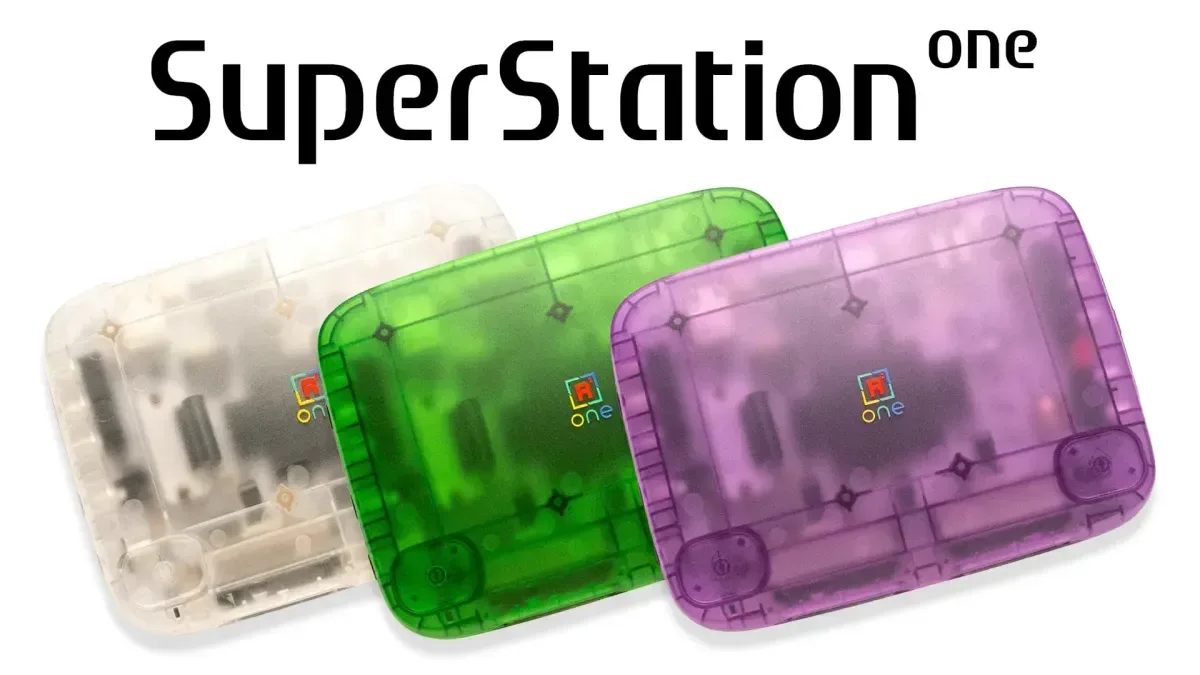
Retro gaming hardware is continuing its transparent-plastic revival with new limited-edition SuperStation One console colorways. The FPGA-based machine, designed by Taki Udon and styled with clear inspiration from the original PlayStation, is now available to pre-order in the new translucent finishes from $249.99.
Shipping for the color variants is planned to begin in December. Prospective buyers should treat the stated limited status seriously: the run is described as a one-time offering, with no plan to manufacture the same colors again after stock is gone. Some variants have already begun selling out.
What is being offered
The new models are transparent editions of the SuperStation One rather than a newly detailed hardware revision. The important practical distinction is that the announcement concerns the exterior color options and their limited production, not a confirmed change to the core capabilities of the console.
That means a buyer’s decision comes down to the combination of its intended retro-game setup, the particular translucent finish they want, and comfort with a pre-order whose shipments are expected later in the year. Limited hardware can create understandable urgency, but “limited” does not automatically make a console the right fit for every library or living-room setup.
For anyone weighing a major console purchase more broadly, the same basic principle applies: compare what a product actually does, what is included, and the timing of delivery instead of judging value solely by a discount label or scarcity. That approach is useful well beyond retro hardware, as explored in this guide to judging PlayStation deal value.
Why FPGA matters here
The SuperStation One is positioned as an FPGA console. FPGA stands for field-programmable gate array: a type of configurable chip that can be set up to reproduce the behavior of different pieces of hardware. In this case, the platform supports many MiSTer FPGA cores, opening the door to more than PlayStation-focused use.
A core is, in simple terms, the hardware configuration or implementation used to target a particular system. The significance of MiSTer-core compatibility is flexibility. Rather than being framed only as a PlayStation-shaped device for one generation of games, the SuperStation One can function as a broader retro console for people building a multi-system setup.
That does not mean every purchaser needs to care equally about the technical side. Someone who primarily wants the PlayStation-inspired design and the ability to use a selected collection may see the FPGA architecture as welcome headroom. A player who wants to explore multiple supported cores, meanwhile, may view it as central to the purchase. Either way, the platform’s reputation rests on its hardware-oriented approach and solid build quality, alongside a form factor that deliberately recalls Sony’s first console.
Related coverage includes Limited-Edition Transparent SuperStation One Pre-Orders Are Live.
The word emulation often appears in conversations around retro gaming, but it can refer to different approaches. In everyday use, it describes recreating the operation of older hardware so software made for that hardware can run elsewhere. The SuperStation One’s FPGA approach is distinct from simply describing any retro device as an emulator, because its appeal is tied to configurable hardware and MiSTer cores. Buyers should still make sure the specific systems and workflows they care about are supported before treating “multi-system” as a guarantee for every game or accessory scenario.
A PlayStation-shaped platform with broader ambitions
The SuperStation One’s visual language is no accident. Its design takes cues from the original PlayStation, placing it squarely in the modern market for dedicated hardware that celebrates the look of classic systems without being restricted to a single original console’s role.
The transparent editions follow a wider recent appetite for see-through game hardware. For collectors and display-minded buyers, the casing can be a meaningful part of the appeal; for others, it is simply an aesthetic preference layered over the same platform. Since these colors are specifically limited and are not expected to return, the appearance may matter more than usual to someone who has already decided the SuperStation One’s technical direction suits them.
There is also a useful distinction between buying a device to play and buying one to preserve as an object. A limited run can be desirable for either reason, but those are different priorities. A player should focus first on compatibility, accessories and intended use. A collector may place greater weight on color, completeness and the fact that the run is not slated for another production batch. Neither motivation is wrong, but mixing them can lead to rushed purchases.
Accessories: Bluetooth and an optional disc tray
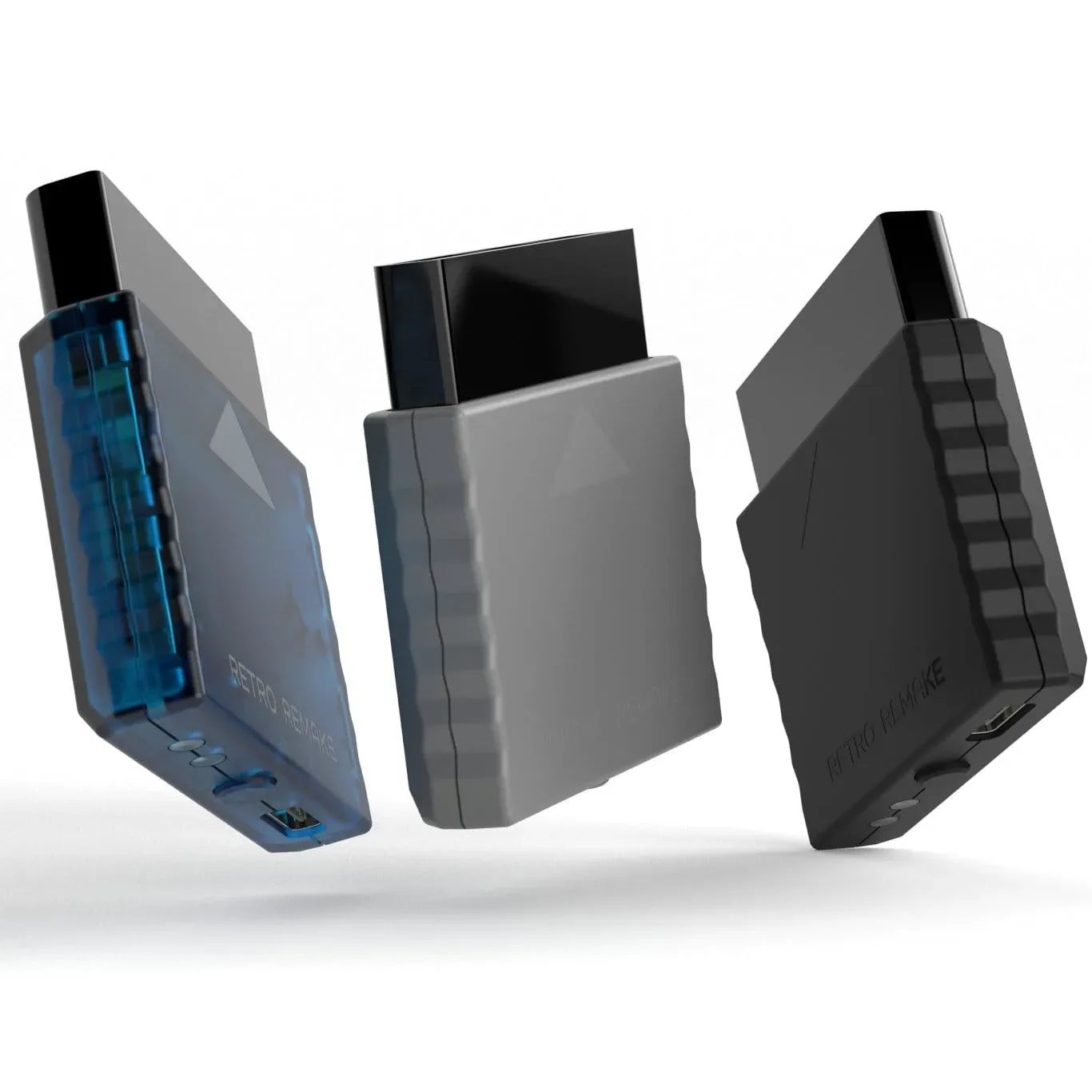
The colorway pre-orders arrive alongside news of a SuperStation Bluetooth Receiver. The receiver uses the controller port to enable use of modern Bluetooth controllers with original PlayStation and PlayStation 2 hardware. For people with functioning legacy consoles, that is a separate proposition from buying a new FPGA machine: it is an accessory aimed at making existing hardware more convenient to use with wireless controllers.
The SuperStation ecosystem also includes additional accessories, including a PlayStation-style disc tray that is on a next-batch pre-order. The disc tray is intended to allow use of classic PlayStation game discs. That option is especially relevant for owners who prefer a physical-disc routine rather than limiting their setup to other methods of accessing compatible software.
Potential buyers should keep the product roles separate when budgeting. The transparent SuperStation One begins at $249.99, while accessories are their own purchases and may be offered on different ordering schedules. It is sensible to check what is in stock, what is a pre-order, and which component is needed for the particular experience being planned before committing to a limited console shell.
What to consider before ordering
- Color is the limited element: The announced transparent finishes are the limited editions. The available information does not describe them as a new performance tier.
- Pre-order timing matters: Shipping is expected to start in December, so this is not being presented as immediate delivery.
- Start with your systems: The platform’s MiSTer FPGA core support is a major attraction, but buyers should evaluate it against the specific retro systems they intend to use.
- Plan the controller approach: The Bluetooth Receiver is relevant to original PlayStation and PlayStation 2 owners seeking modern wireless-controller support through their controller ports.
- Separate console and accessory costs: The disc tray and other accessories should be considered as additional parts of a setup, not assumed to be part of the base console purchase.
- Do not wait if the exact finish is the priority: The manufacturer’s position is that these colors will not be remade after they sell out.
Limited color, long-term use case
The central pitch is straightforward: a PlayStation-inspired FPGA console with support for a range of MiSTer cores is receiving a short-run set of transparent looks. At $249.99 and with December shipping planned, it is a purchase aimed at enthusiasts rather than a casual impulse buy. Its strongest case is for someone who values the technical flexibility of FPGA hardware, likes the PlayStation-era design language, and has a real preference for one of the new translucent finishes.
For those people, the limited run adds a deadline. For everyone else, it is worth remembering that a transparent shell does not change the key questions: which retro platforms matter, whether physical-disc use is important, which accessories are needed, and whether the planned shipping window works. The best reason to order is still that the SuperStation One fits the setup you want to build; the fact that the color may disappear simply makes the decision more time-sensitive.