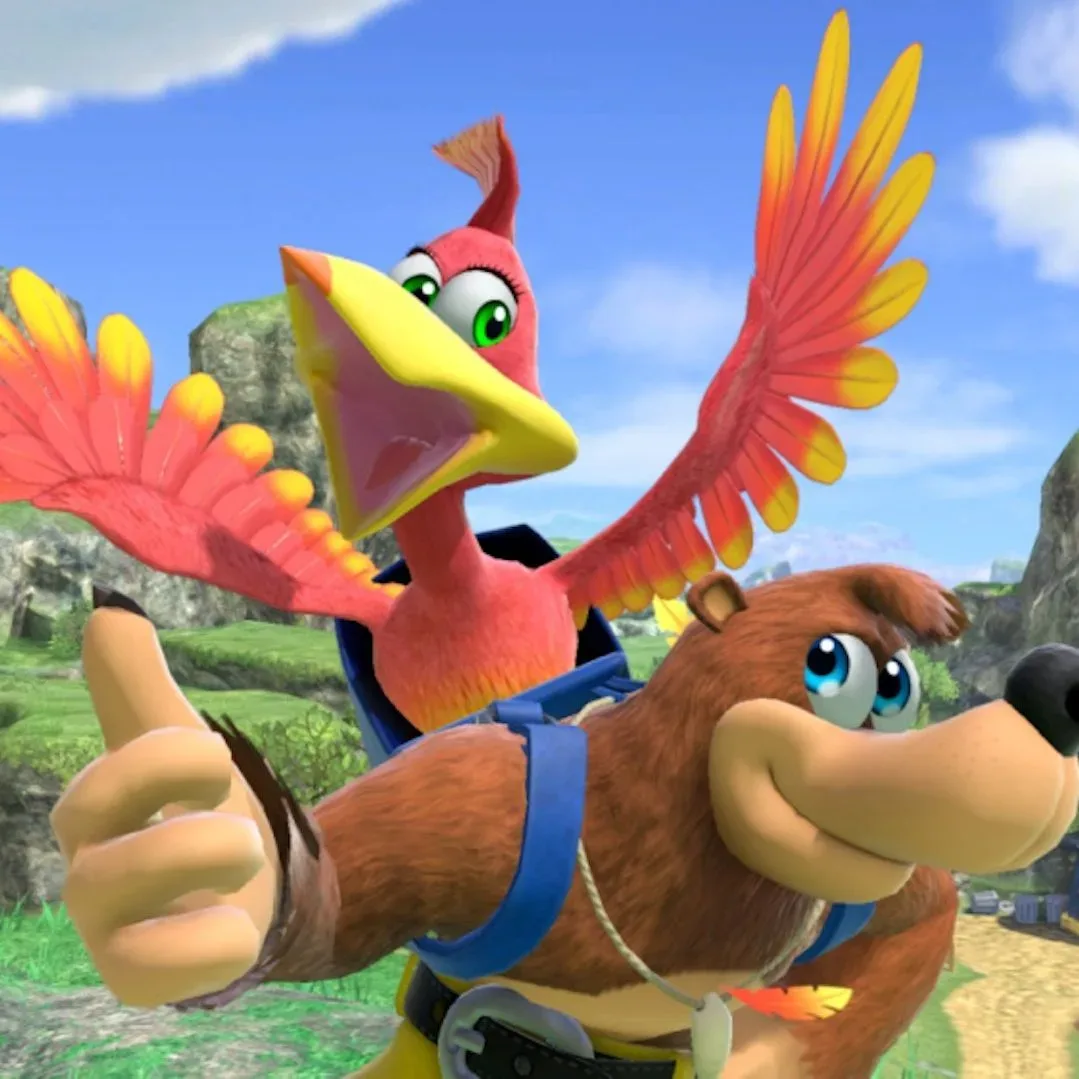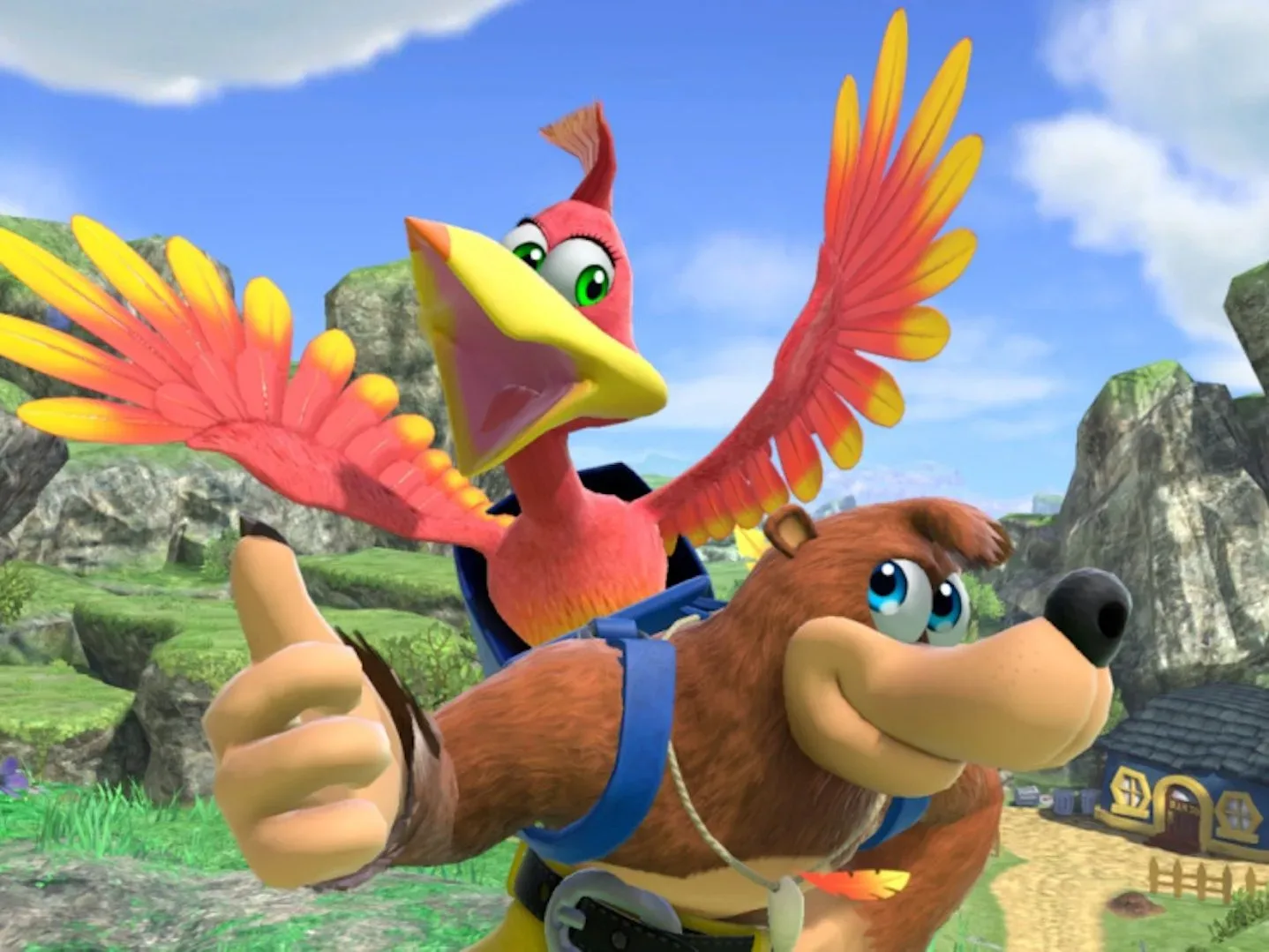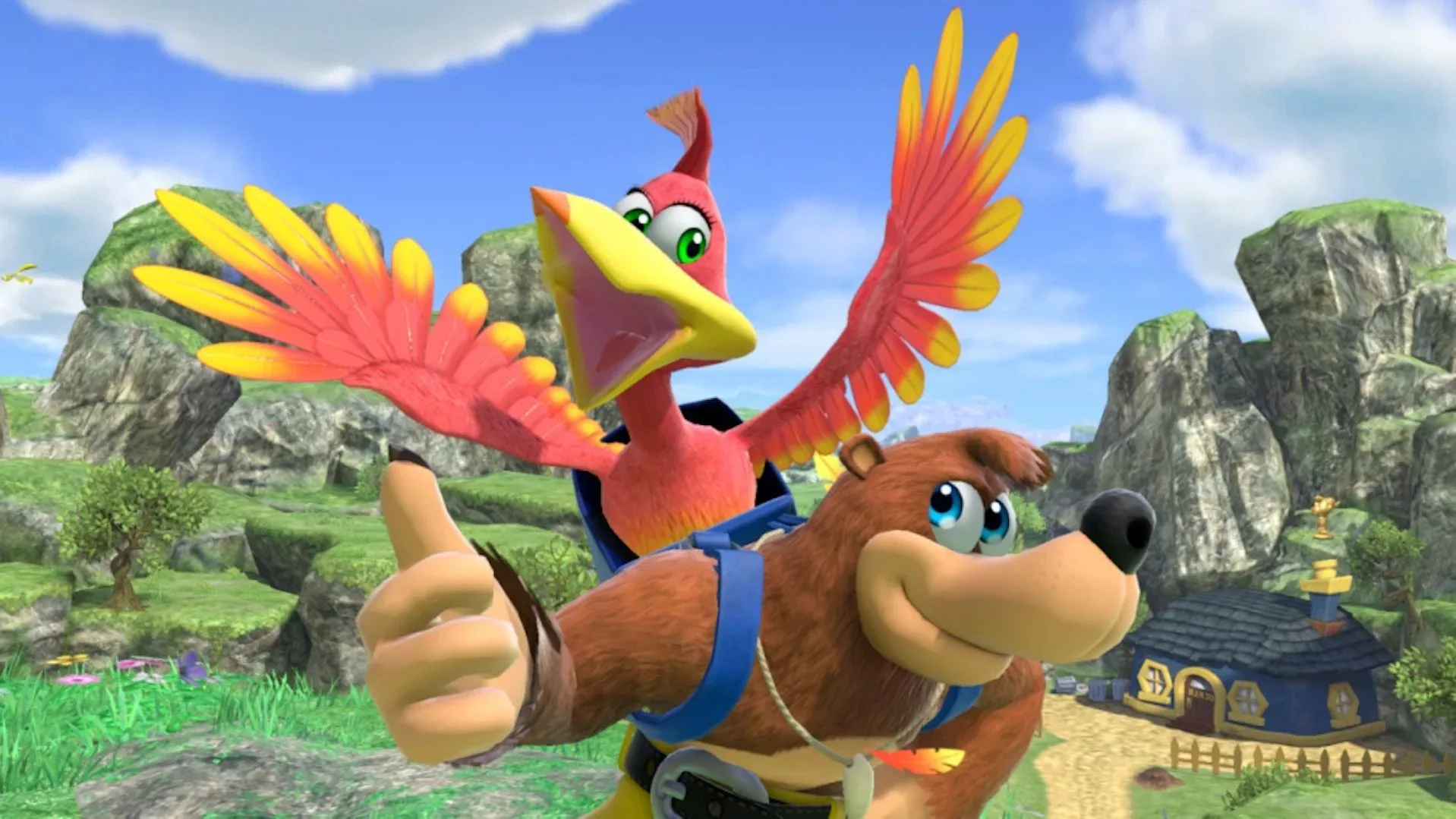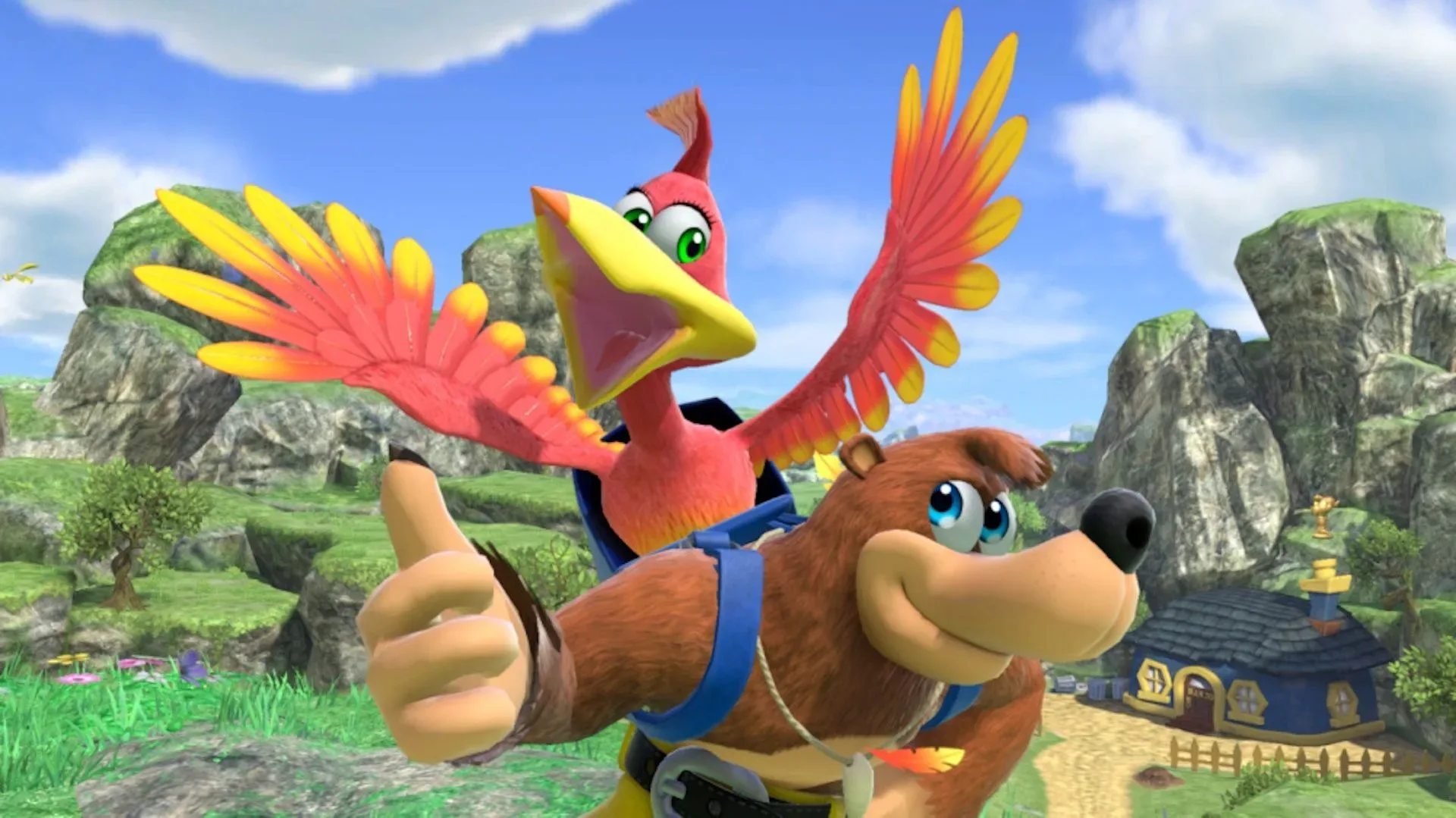
Banjo and Kazooie have spent a remarkably long time waiting at the edge of the map, presumably beside a suspiciously bouncy switch that nobody is authorized to press. But Grant Kirkhope, the composer closely associated with the series’ unmistakably cheerful musical identity, has offered one small reason for fans to keep their jiggy-shaped hopes in circulation.
Kirkhope has said that he no longer considers a new Banjo-Kazooie game completely impossible. His wording remains appropriately cautious: he sees only a “slight chance” of the series returning. Still, that is a meaningful change from his previous view that another game had zero chance of happening.
For a franchise whose absence has become almost as famous as its Nintendo 64 adventures, even a fractional movement on the optimism meter is enough to make the fandom look up from its decades-long puzzle-piece scavenger hunt.
Several studios have reportedly tried to revive the bear-and-bird duo
The key point is that a lack of interest does not appear to be the problem. Kirkhope says he knows of roughly three companies that have pitched the idea of making another Banjo-Kazooie game to Microsoft or Rare. None of those pitches, as far as he is aware, succeeded.
That does not confirm the contents of any proposal, identify the studios involved, or mean an active project exists today. It does, however, suggest that the property continues to attract interest from developers beyond its original home. In an industry where beloved catalog characters can remain dormant for years before suddenly reappearing with a new team, that distinction matters.
Kirkhope’s impression is that Rare has traditionally been reluctant to approve ideas involving the series. He said the company “typically” turns down such proposals, and indicated that adaptations such as cartoons have also been rejected over the years. That is a useful reminder that nostalgia alone does not produce a revival. A publisher can own a recognizable series, know that people want it back, and still decide that no proposed direction is the right one.
It is also worth separating the existence of pitches from the likelihood of a release. Pitches are exploratory by nature. They can range from a broad creative concept to an early business discussion, and most never become games. The reported attempts show potential interest, not a green light, development schedule, platform plan, or announcement.
Why Banjo-Kazooie remains such a persistent request
The original Banjo-Kazooie arrived on Nintendo 64 in 1998 and built its reputation around colorful 3D platforming, collectible hunting, transformations, character comedy, and a score that could shift and recombine as players moved through a world. Its 2000 follow-up, Banjo-Tooie, expanded the formula with larger, interconnected environments and an even denser collection of oddball challenges.
That period of the series is central to what many players mean when they ask for “another Banjo.” They are not merely asking to see the characters again. They are asking for an elaborate, playful 3D platformer in a style that has become less common among major publishers.
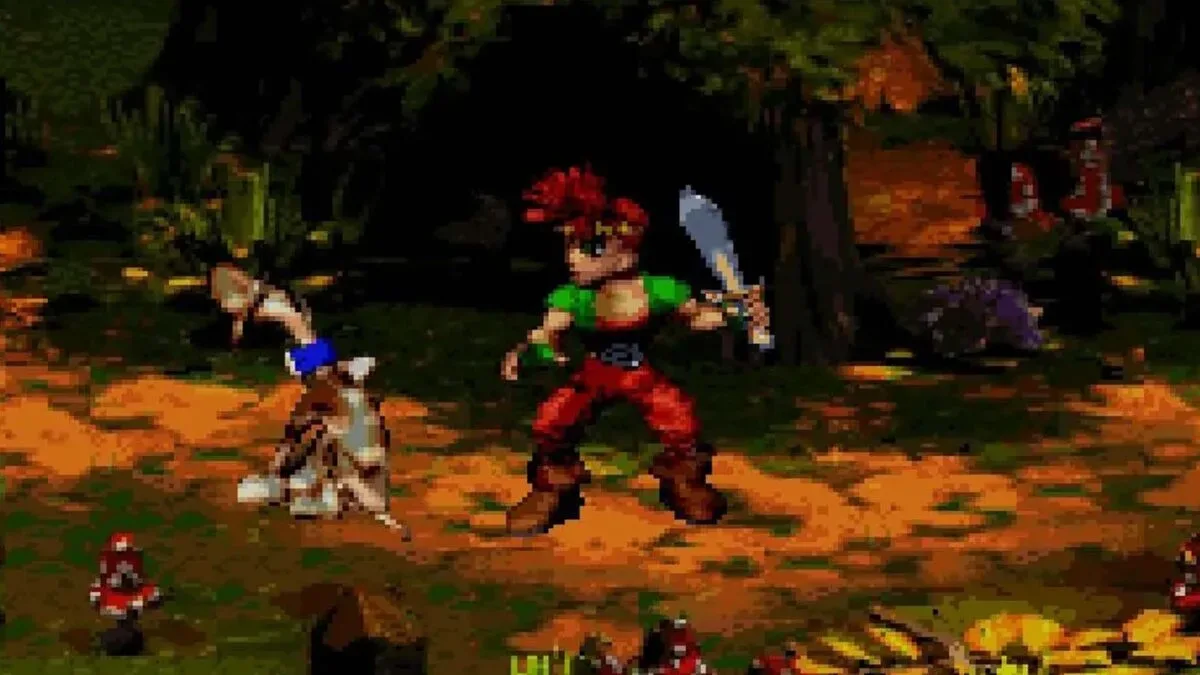
The last wholly new mainline entry, Banjo-Kazooie: Nuts & Bolts, is approaching two decades old. Its central vehicle-building approach sharply divided fans because it moved away from the conventional platforming structure associated with the Nintendo 64 games. At the same time, it has earned appreciation in its own right for its systems, imagination, and willingness to make an unexpected design choice. The disagreement around it is part of why any potential successor would face a tricky creative question: should it follow the earlier 3D platforming blueprint, build from Nuts & Bolts, or attempt to merge both ideas?
That question is bigger than a coat of paint or a cameo. A successful return would need a clear answer about what the modern identity of Banjo-Kazooie actually is.
Kirkhope would want to take part
Kirkhope has made clear that he would be eager to contribute should a new game happen. That interest is especially notable because music has always been one of the series’ strongest anchors. A new entry could change art direction, level structure, controls, and even the size of its worlds, but fans would likely still expect the score to feel mischievous, melodic, and unmistakably connected to Banjo and Kazooie’s earlier adventures.
He previously revisited the duo’s musical world for their 2019 appearance in Super Smash Bros., creating a new arrangement for that crossover. The characters’ arrival there demonstrated that the pair still have substantial recognition, even without a newly released adventure of their own. Their continued visibility through rereleases and guest appearances has helped preserve the series in public memory, but it has not answered the larger demand for an original game.
There is a practical reason a new project might need a different developer. Kirkhope does not expect Rare itself to make another Banjo-Kazooie, describing the studio as too busy. Rare’s current priorities have not been detailed here, and there is no official statement that it has permanently ruled out working on Banjo again. But the idea of an outside studio handling a revival is clearly part of the conversation.
Who could make a new Banjo game?
Kirkhope singled out Day 4 Night Studios as a team he believes could suit the task. He is composing music for the studio’s Bradley the Badger, which gives his suggestion a direct connection to the developer, but it should not be mistaken for evidence of a Banjo project. There has been no announced agreement placing Day 4 Night Studios on the franchise.
Toys For Bob is another name linked to fan speculation and reported interest. The studio is associated with the Spyro series and is currently working on Spyro: A Realm Beyond. Its experience with bright, character-led platforming makes the comparison easy to understand, yet interest and suitability are not the same as a deal. No developer has been officially confirmed to be making a new Banjo-Kazooie.
That uncertainty is important. Fans can reasonably discuss what they would want from a new team, but they should avoid treating an appealing hypothetical as a production fact. At present, Kirkhope’s comments describe past pitches and his personal sense that the odds have improved slightly—not an announced revival.
The legacy is still playable, and preservation still counts
While the future remains unresolved, the classic games have not disappeared entirely. Their returns and rereleases have provided ways for newer players to meet the duo and for longtime fans to revisit Gruntilda’s worlds. Reports around new Banjo-Kazooie releases have also described them as native ports, a detail that can potentially allow additions such as restored material or bonus features for the Nintendo 64 classics.
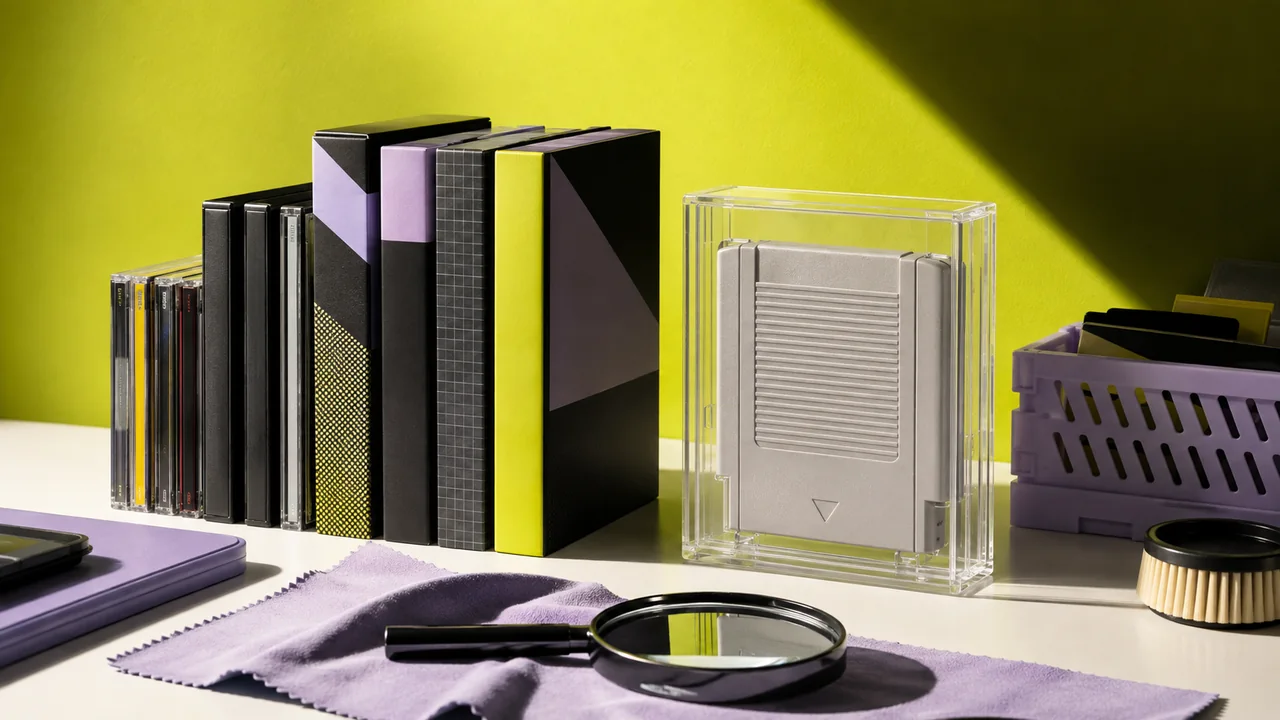
That prospect is separate from a brand-new game, but it is still meaningful. Well-handled ports can preserve design history while making older titles more approachable. They can also give a long-running series a chance to be judged by players who were not around for the original hardware. For collectors who still own physical copies and original consoles, preservation begins at home as well; practical care matters as much as finding a display-worthy cartridge. Our guide on how to store retro games covers the basics of keeping a collection accessible and playable.
And if a revival ever does materialize, it will face one other challenge: recovering the shared, chaotic charm that made the early games so memorable. The original era belongs to the broader tradition of players passing a controller, comparing notes, and watching somebody else repeatedly miss the obvious jump. That social spirit remains worth protecting, as explored in the unwritten rules of couch multiplayer.
For now, Banjo and Kazooie remain in the category of treasured possibilities rather than confirmed plans. Multiple unsuccessful pitches indicate that developers have not forgotten the series. Kirkhope’s willingness to return provides a potentially valuable creative link to its past. And his revised estimate—from no chance to a slight one—will be enough to keep the conversation moving, even if fans should keep their expectations carefully packed away until Microsoft, Rare, or an assigned developer says something official.