A newly circulated file said to be an early Super Nintendo build of Rare’s Dream: Land of Giants—better known to fans as Project Dream—has put one of retro gaming’s most enduring what-ifs back in the spotlight. The upload is being described by its uploader as a “SNES proof-of-concept alpha,” a potentially significant claim for a project that has been known about for decades but has largely remained visible through scattered images, recollections, and limited official material.
The important qualifier is also the obvious one: the file’s provenance has not been independently verified. It should therefore be treated as an alleged Project Dream prototype rather than a confirmed archival discovery. Still, footage said to show the build running on original SNES hardware and early discussion from preservation-minded communities have given the claim real momentum. If authentic, the ROM could offer an unusually direct look at the formative stage of a game that changed platforms, genres, protagonists, and ultimately identity before emerging as the Nintendo 64 classic Banjo-Kazooie.
A possible look at Rare before Banjo-Kazooie
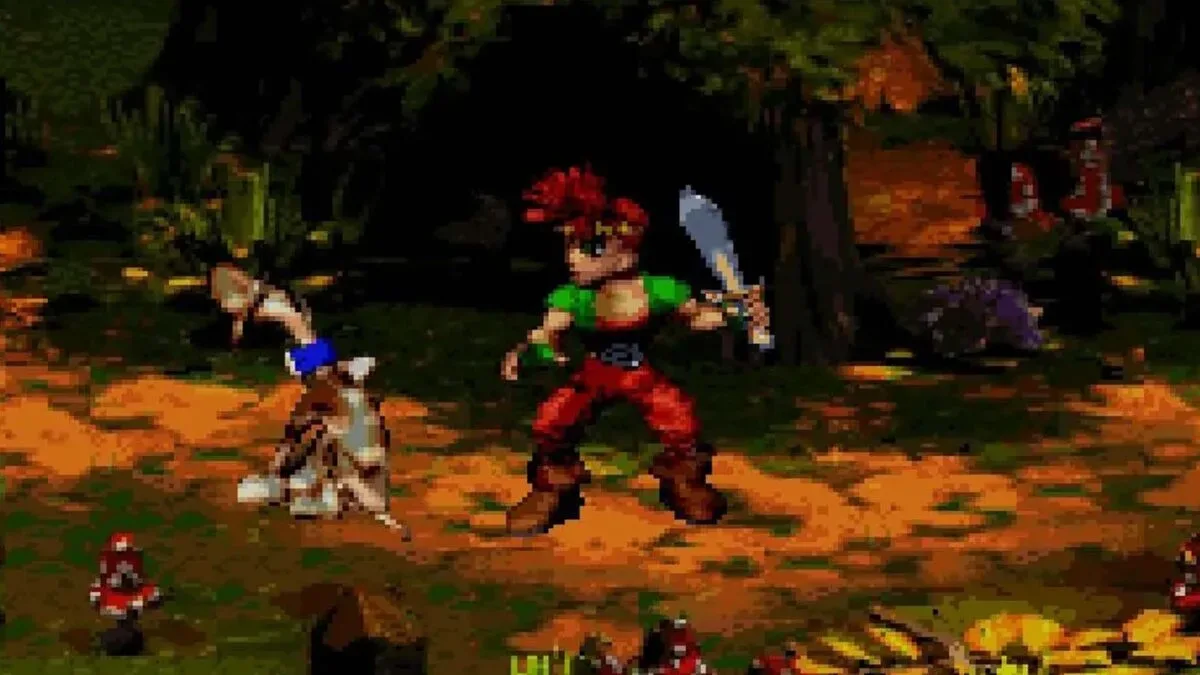
Project Dream began development around 1995 as a fantasy role-playing game for the SNES. In its earliest reported form, the game centered on a young human protagonist in a fantasy setting. That premise sits at a fascinating distance from the colorful 3D platforming adventure players eventually received in Banjo-Kazooie, yet the connection between the two projects has long been part of Rare lore.
Fans have previously been able to piece together portions of Project Dream’s evolution. There were indications of both a Super Nintendo incarnation and a later Nintendo 64 version, with the latter reflecting the project’s growing scope. What has been missing is a playable early build that can be examined in detail rather than merely remembered or glimpsed.
That is why the alleged SNES alpha matters beyond simple curiosity. A prototype can preserve decisions that never reach a finished release: interface experiments, map systems, combat ideas, character art, dialogue structure, technical shortcuts, placeholder material, and content removed so early that it is absent from later accounts. Even an unfinished proof of concept can clarify what a studio was trying to build before circumstances and creative decisions redirected it.
For collectors and historians, that distinction is essential. The value of a prototype is not that it needs to play like a polished commercial game. Its value is often in exposing the route not taken. Project Dream is especially compelling because its route not taken leads straight toward one of the N64’s defining platformers.
From fantasy RPG to pirate adventure to platformer
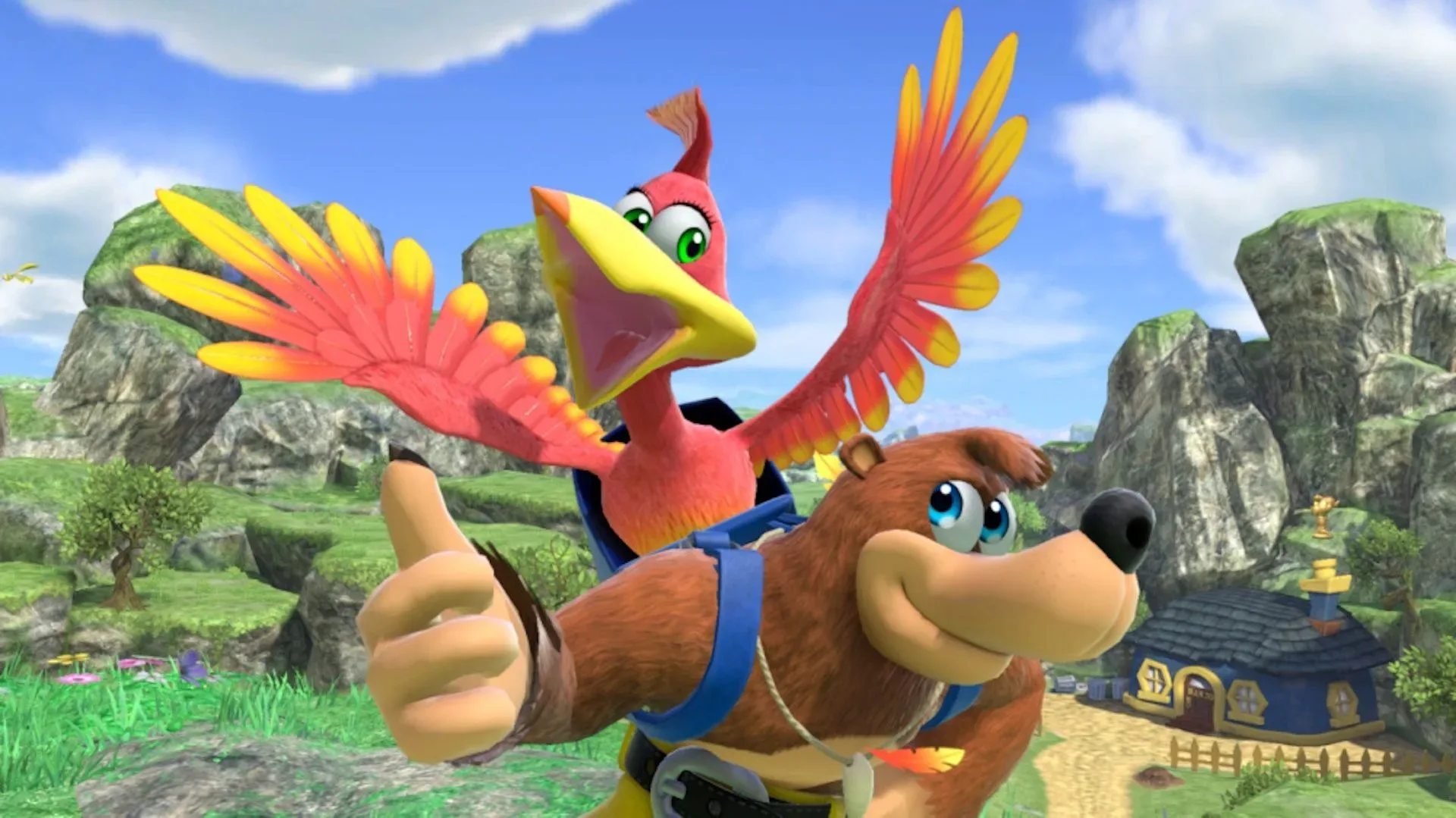
The transition from Project Dream to Banjo-Kazooie was not a simple rename. As the team’s ambitions outgrew SNES hardware, work moved toward the Nintendo 64. The concept reportedly acquired a stronger pirate angle, while its initial young human lead was replaced by Banjo, an anthropomorphic bear who had originally occupied a supporting role in the RPG concept.
That alone would make Project Dream a memorable abandoned game. But the project changed again. After the team encountered work that would later become Conker’s Bad Fur Day, Project Dream’s remaining pieces were redirected into a platformer—a genre in which the developers were reportedly more comfortable at that time. The result was Banjo-Kazooie, while Project Dream itself became a kind of ghost story attached to it.
Related coverage includes Alleged Project Dream SNES Prototype Surfaces Online, Offering a New Look at Rare's Lost RPG.
Some of that ghost story remained visible. Captain Blackeye, the pirate antagonist from Project Dream, appears in Banjo-Kazooie as a cameo and laments that a bear took his glory. It is a small but remarkable connective thread: a character from an unmade fantasy RPG preserved inside the game that inherited its development DNA.
This chain of transformation makes any credible early material valuable context. A SNES-era prototype could reveal whether the aesthetic, story ideas, or character concepts later associated with the N64 project were already present in 1995. It could also underline just how radically a game can shift while retaining fragments of its original creative foundation.
What the uploader claims—and what remains unknown
The file was uploaded on September 9 by an Internet Archive user operating under the name “FVCKAsha&Phil,” apparently referencing current Xbox CEO Asha Sharma and former Xbox leader Phil Spencer. The uploader did not provide a verifiable chain of custody. Instead, they said the build came through multiple unnamed people and declined to identify them, citing concern about causing trouble for others.
That leaves major unanswered questions: where the data was stored, how it was dumped, whether it has been modified, whether it matches known development materials, and precisely which point in Project Dream’s development it represents. Those are not minor technical footnotes. They are the questions researchers need answered before assigning firm historical status to any purported prototype.
The uploader framed the release as an act of preservation and linked it to dissatisfaction with the modern games business, including layoffs, artificial-intelligence concerns, ownership restrictions, and what they characterized as Microsoft’s handling of Rare. They also made political accusations involving Microsoft and Gaza. Those assertions reflect the uploader’s views; the upload itself does not establish them, and no evidence supporting the allegations was provided alongside the claimed prototype.
The broader preservation argument, however, is familiar to anyone who follows unreleased games. Development assets can disappear through studio closures, hardware failures, mergers, personnel changes, storage migrations, or simple neglect. A canceled game may survive only in a former developer’s backup, an old piece of media, or an incomplete build whose ownership and status are difficult to untangle. That fragility is part of why discoveries such as this draw so much attention.
Why authentication work matters more than hype
Retro-game discoveries often create an understandable rush to download, boot, catalogue, and celebrate. But a measured process is more useful than instant certainty. Preservation is strongest when the material is carefully documented without overstating what is known.
For an alleged Project Dream ROM, the most useful next steps would include technical examination by people experienced with SNES software and prerelease preservation. Researchers can study internal file structures, graphics and audio formats, code conventions, dates or identifiers embedded in the data, and whether the build corresponds with previously known screenshots or descriptions. They can also determine whether the ROM behaves consistently across emulation and compatible original-hardware setups.
- Metadata and internal strings may suggest a development period, project naming, or build designation.
- Asset comparisons can test whether character art, environments, or menu elements resemble known Project Dream material.
- Code analysis may identify signs of a native SNES development workflow rather than a modern reconstruction.
- Documentation should record checksums, file variants, observed behavior, and any changes made for preservation purposes.
- Clear uncertainty labels help future researchers distinguish established facts from plausible interpretations.
None of those steps guarantees an immediate answer, but together they provide a better path than treating virality as verification. An incomplete alpha may contain contradictory assets or material from several phases. It might be a legitimate build, a modified build, or something else entirely. Careful analysis protects both the historical record and the enthusiasm of the community.
Project Dream’s place in the preservation conversation
Even the possibility of an authentic build arrives at a moment when physical media, access, and ownership are active concerns for game fans. A game can be famous without being easy to preserve, and a company’s catalog can contain titles, prototypes, and internal history that the public never gets to see. That tension is part of the reason discussions about digital access have become inseparable from discussions about archival survival. The continued case for physical games in a digital-first market is relevant here: control over a release and long-term access to a work are related, but they are not the same thing.
Project Dream also illustrates why “canceled” does not necessarily mean “irrelevant.” Its concepts did not vanish cleanly. They were revised, relocated, and folded into other work. Banjo became the face of a finished franchise, while Captain Blackeye retained a small presence as an artifact of an earlier design direction. The canceled project remains meaningful because it helps explain how the finished one came to be.
There is a temptation to regard prototypes only as treasure for devoted fans, but their historical role is larger. They show how games are made through iteration rather than inevitability. They reveal that beloved characters may begin as secondary ideas, that genre can be a late decision, and that hardware limitations can redirect a studio’s entire creative plan. In Project Dream’s case, the jump from SNES RPG to N64 pirate-flavored adventure to 3D platformer is nearly a miniature history of mid-1990s console development.
A significant claim awaiting firmer confirmation
For now, the alleged Project Dream SNES prototype is best viewed as a major preservation lead rather than settled history. The build’s appearance has the potential to be a landmark moment for Rare enthusiasts, SNES historians, and anyone interested in the unfinished paths behind famous games. It may provide a new, playable record of the project’s earliest public-facing era. But the missing chain of custody means the claim deserves scrutiny equal to the excitement.
If authentication supports the uploader’s description, this could become one of the more consequential unreleased-game finds in recent retro history—not because it is a lost finished classic, but because it captures a famous studio before a pivotal reinvention. Until then, Project Dream remains what its name has always suggested: a tantalizing vision, now perhaps a little less distant.