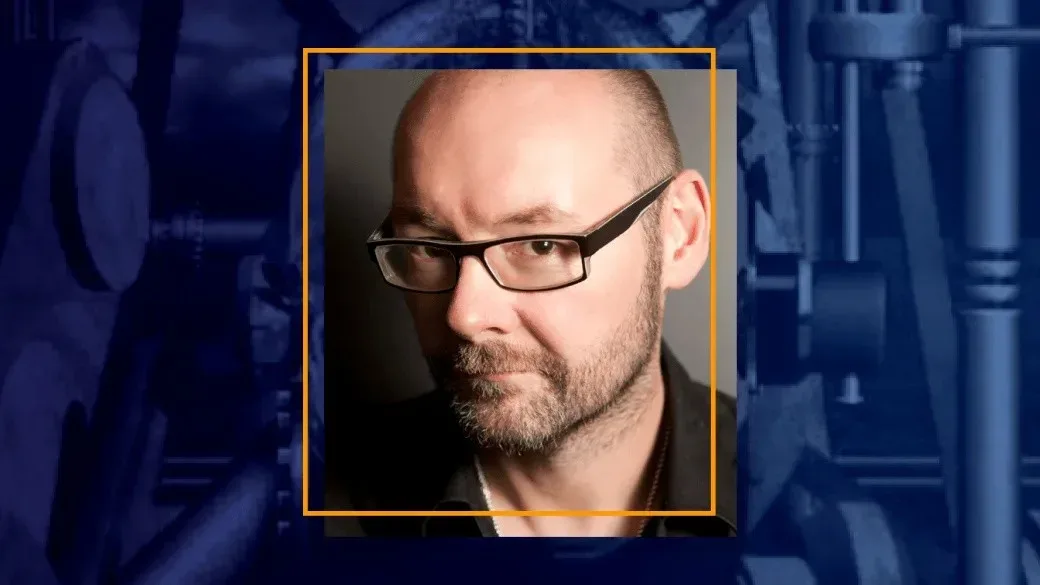
For a generation raised on rapid-fire challenges, oversized sets and gaming television that treated button-mashing like a contact sport, a visit from Dominik Diamond is less a guest appearance than a direct line to the 1990s. The former GamesMaster host is set to attend PLAY Expo Blackpool, bringing a packed schedule that combines conversation, signatures and a musical salute to video games.
The retro-focused event will take place at the Norbreck Castle Exhibition Centre in Blackpool on October 3 and October 4. Diamond is scheduled to deliver a talk, take questions from the audience and then move to the meet-and-greet area. Attendees with old issues of GamesMaster magazine, books or other gaming keepsakes will have an opportunity to bring them along for signing.
He will also close the expo with Dominik Diamond Sings the Video Games, a show built around songs he has written about much-loved games, with comic material between numbers. It is a fittingly unorthodox addition for a presenter associated with a programme that made room for competition, comedy and a very particular kind of televised mayhem.
A GamesMaster reunion point for fans and memorabilia
The appearance has obvious appeal for collectors as well as television nostalgists. Gaming memorabilia is often tied to objects that were meant to be disposable in the first place: magazines read until their spines buckle, strategy guides with folded corners, posters removed from bedroom walls, or a taped-off-the-TV recording that survived several household moves. An autograph session gives those personal artifacts a new story without changing what made them valuable to their owners.
That distinction matters. A signed magazine or book is not automatically the same thing as a museum piece, nor does it need to be. For many fans, the attraction is that the item has remained part of their own history from the 1990s to the present. The signature becomes a marker of a rare occasion rather than a reason to hide the object away forever.
Diamond has framed the weekend with his familiar comic confidence, anticipating emotional recollections from people who grew up with the show and have since become parents, industry figures or, as he put it, possibly military frogmen. He also noted his interest in meeting readers of his newspaper columns, before joking that an appreciation for intellectual company explained the inclusion of Mr Motivator on GamesMaster.
For attendees considering what to bring, the practical priorities are simple:
- Choose an item you are comfortable carrying around an event venue.
- Keep paper memorabilia protected in a sleeve, folder or rigid backing until the signing session.
- Bring a suitable pen only if event guidance permits it; otherwise expect signing arrangements to be managed on site.
- Do not assume every item can be signed, or that the guest will have time for inscriptions, photographs or lengthy conversations.
- Check the organiser’s latest schedule before travelling, as stage and meet-and-greet timings can change.
The signed-item side of an expo can be exciting, but it works best when visitors treat guests and staff with patience. A clean, well-presented item is easier to handle, queues move better when visitors know what they want signed, and a treasured personal memento does not need to become an instant resale listing to have real worth.
Why GamesMaster still carries such a charge
GamesMaster was more than another television programme about the latest releases. It presented games as a lively spectator culture at a point when many players experienced them primarily in bedrooms, living rooms, arcades or small groups of friends. The show brought competition into a theatrical television format, turning the skills of ordinary players into an event and giving viewers a common set of games, jokes and challenges to talk about.
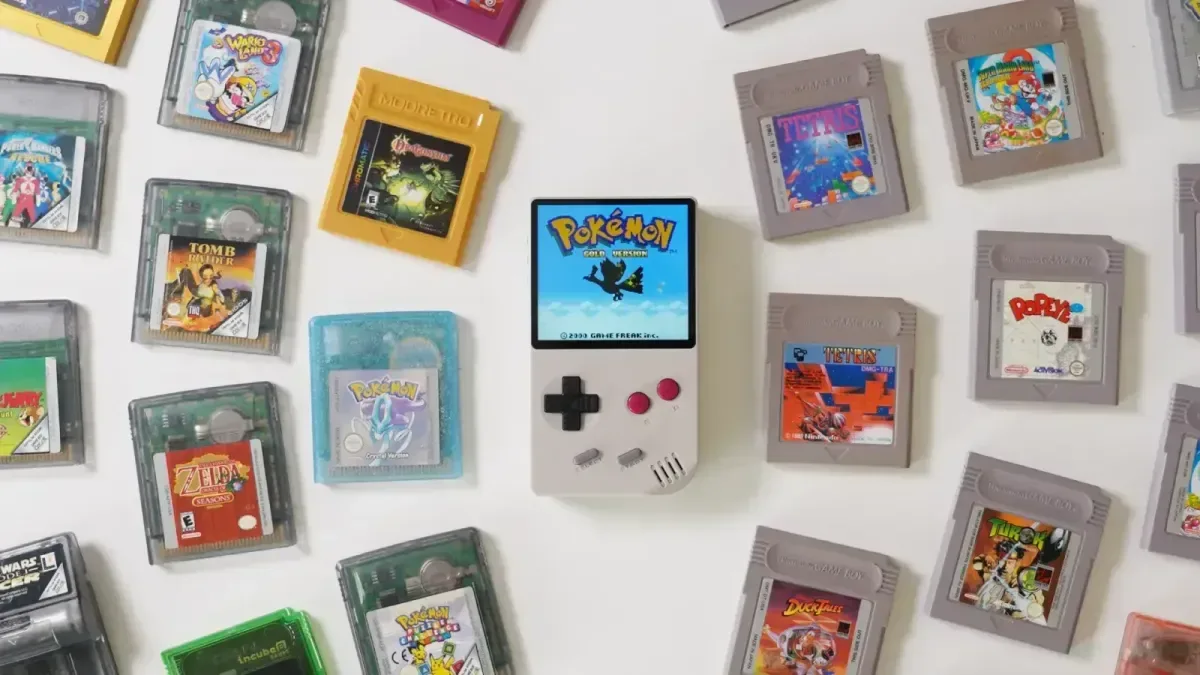
That communal angle is a large part of why retro conventions retain momentum. It is not only about seeing old hardware on a table. It is about the social rituals attached to it: passing a controller, debating whether a challenge was genuinely difficult, recalling games that were rented every weekend, and arguing over who got the best seat near a CRT. The same spirit is alive whenever people negotiate the ancient laws of local multiplayer; our guide to the unwritten rules of couch multiplayer may be useful preparation for any reunion involving a shared screen.
Diamond’s role was central to that identity. His irreverent on-screen manner suited a format that could move from genuine play advice to bizarre television business without warning. That personality helped make the series memorable beyond individual reviews or specific game releases. Decades later, the name still summons memories not merely of a programme, but of a period in which gaming culture was becoming more public and more recognisable to a wider audience.
A stage show built from game memories
Dominik Diamond Sings the Video Games extends that relationship with gaming memory into performance. Diamond describes it as a collection of self-written songs, paired with humorous chat about games people have loved. He characterises the result as both poignant and funny, offering a deliberately extravagant comparison to a famous musical while stressing that his version leaves out the French element.
The closing performance makes the expo’s schedule feel broader than a conventional guest talk. Retro events commonly deliver the pleasures of browsing, buying, free-play machines and panels, but a music-and-comedy show gives the weekend a collective finish. Its subject is especially suited to an audience whose shared memories are full of title music, arcade sound effects and the peculiar emotional force of a game completed after dozens of attempts.
It also avoids pretending that nostalgia must be solemn. Old games can mean a great deal to people, but they were also funny, frustrating, noisy and sometimes magnificently strange. A performance that can make space for affection and absurdity is well aligned with that reality.
Eugene Jarvis and Paul Drury add arcade history to the programme
Diamond is not the only notable guest on the Blackpool bill. Eugene Jarvis, creator of Defender and Robotron: 2084, will also attend. Jarvis is due to be interviewed live on stage by retro gaming writer Paul Drury, who has recently written a book about arcade gaming.
Visitors will be able to obtain a copy of Drury’s book signed by both Drury and Jarvis. That presents a different kind of collectible opportunity: not an item preserved from the arcade era, but a contemporary record of it, linked directly to one of its major creative figures.
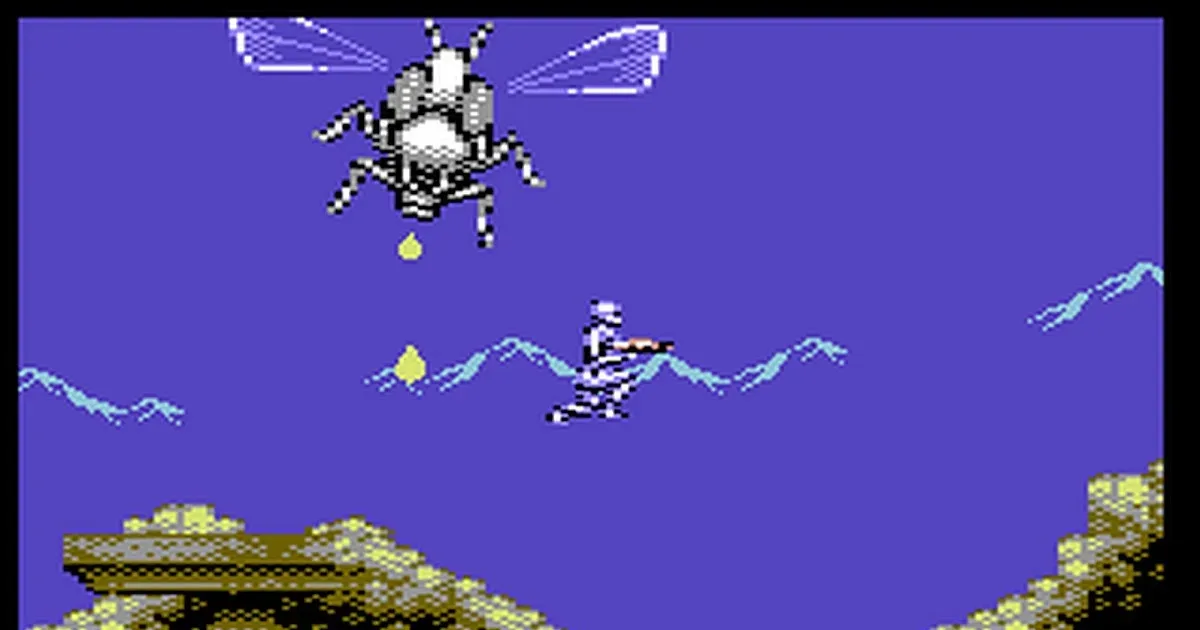
Jarvis’s presence is a reminder that arcade history is not a side branch of gaming history. Games such as Defender and Robotron: 2084 emerged from a period when arcade design had to communicate quickly, demand skill immediately and create a reason to feed another coin into the machine. Their influence remains visible in the language of score chasing, escalating pressure and replayable challenge.
Pairing Jarvis with Drury should offer an opportunity to discuss that heritage in a setting built for people who still care about original cabinets, classic design and the people behind landmark games. It also gives PLAY Expo two complementary forms of gaming remembrance: the television culture that carried games into wider homes, and the arcade culture that helped define their intensity in the first place.
What the Blackpool weekend represents
PLAY Expo Blackpool describes itself as the UK’s biggest retro gaming show, and its announced guests underline the scale of its ambition. Diamond represents a major television touchstone for 1990s British players. Jarvis brings a connection to foundational arcade design. Drury’s participation adds an archival and critical dimension, while the signing opportunities make the event tangible for collectors.
For fans, the most compelling part may be the overlap between those threads. An expo can be a place to hunt for hardware and memorabilia, but it can also be a space where private memories become shared ones: someone brings an old magazine, someone else remembers the same episode, and a game once confined to a bedroom conversation suddenly has an audience again.
With talks, Q&As, autograph opportunities, an arcade-focused live interview and Diamond’s end-of-event music show, the October 3-4 programme is shaping up as a distinctly celebratory weekend for retro gaming culture in Blackpool.