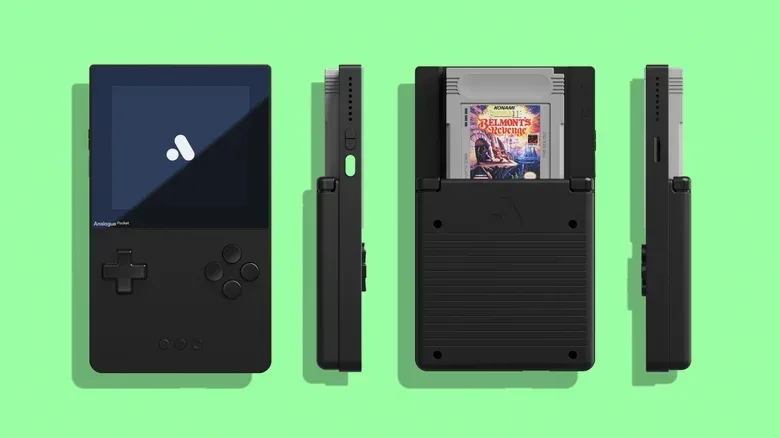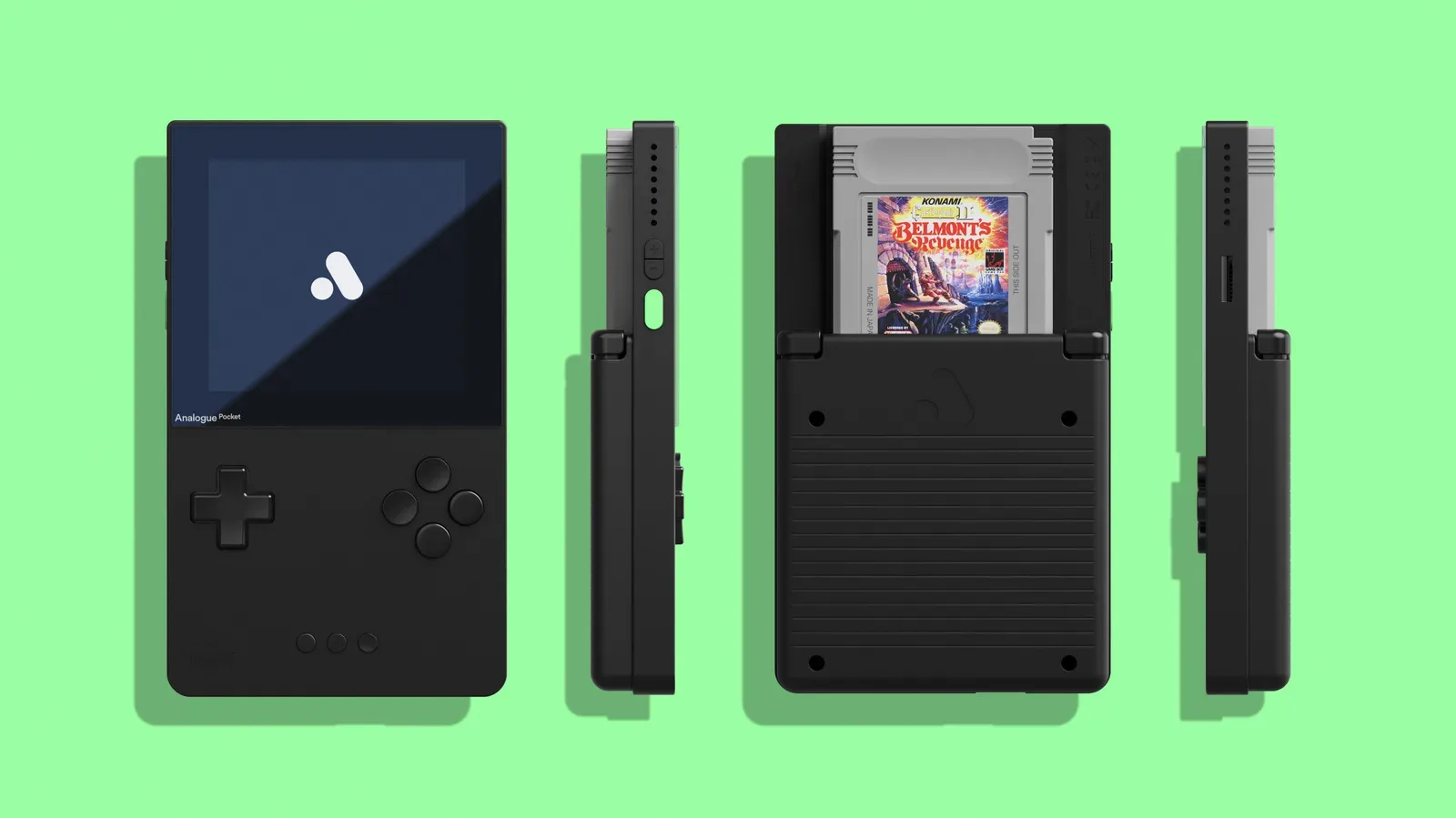
The next opportunity to buy an Analogue Pocket is nearly here, although prospective owners should expect the familiar speed test that comes with one of retro gaming’s most sought-after modern handhelds. Pre-orders for the Analogue Pocket, alongside the Analogue Dock, are set to reopen on October 2 at 11am ET.
For the Pocket itself, the current price is $240. Orders secured during this window are expected to ship within two weeks. That is a notably concrete delivery expectation for a device that has repeatedly been difficult to purchase at the moment stock becomes available, but it does not change the central practical challenge: anyone interested will need to be ready when the order window begins.
The Pocket was previously restocked in March. Its price increased by $20 at that time in connection with tariffs, bringing it to the current $240 figure. The approaching sale also arrives as the handheld nears its fifth birthday, a reminder that demand for the machine has persisted far beyond the excitement of a brand-new hardware launch.
What makes the Analogue Pocket different
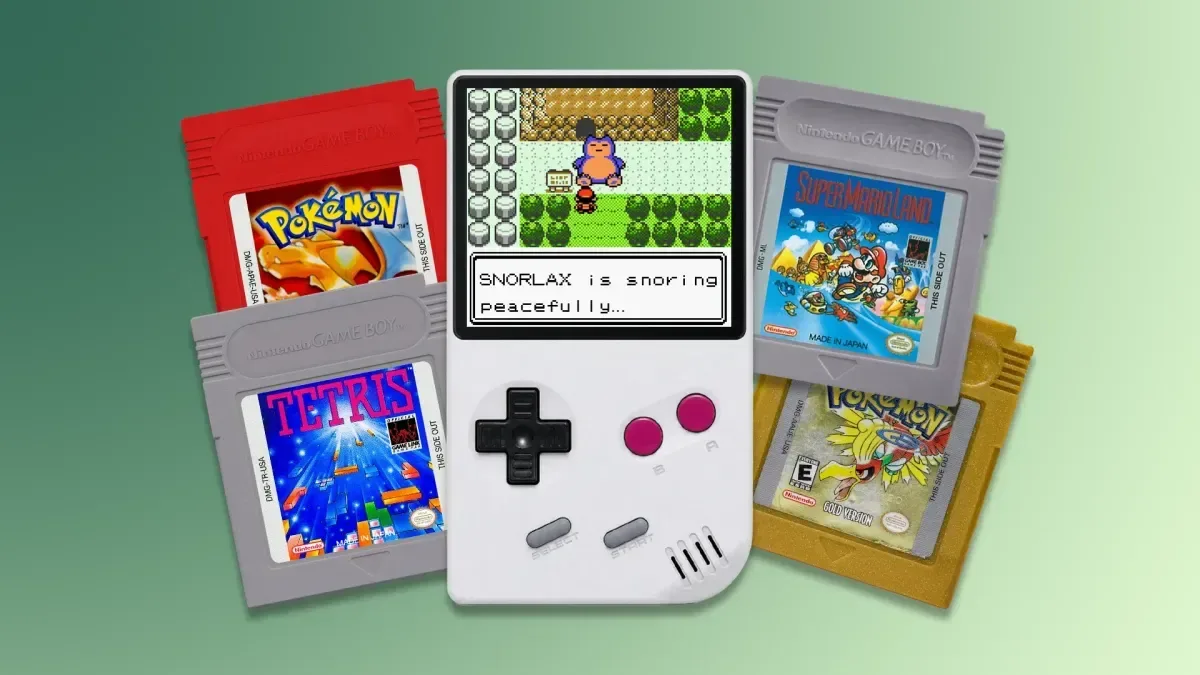
The Pocket occupies a specific niche in the crowded retro-handheld market. It is intended to play original Game Boy, Game Boy Color and Game Boy Advance cartridges rather than asking players to load emulated game files. In plain terms, the cartridge is part of the experience: players can take an existing physical game from those handheld families, insert it into the Pocket and play it on modern hardware.
That distinction matters especially to people who still own their original games. A device built around cartridges offers a direct route back to a personal library: childhood saves, worn labels, oddball purchases and games that never left the shelf all remain relevant. The Pocket’s appeal is therefore not simply that it can run old software. It is that it is designed around the original physical media.
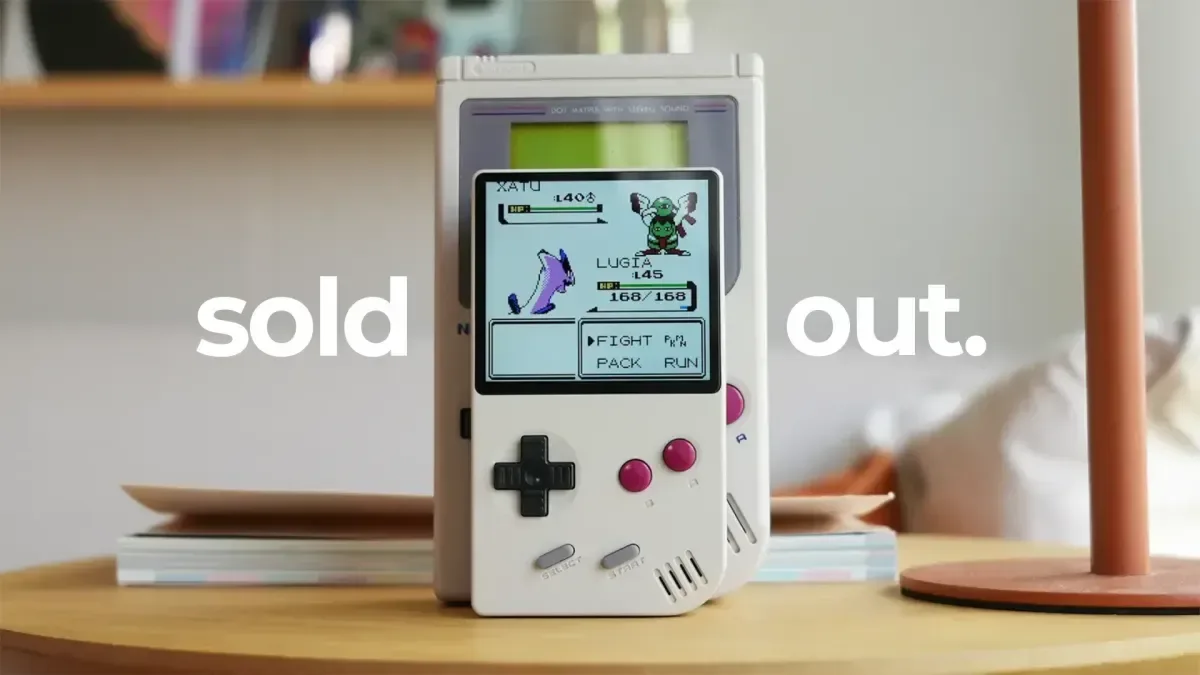
Analogue describes the Pocket experience in visual terms that are easy to understand even for people who have not followed the hardware closely. Compatible games are presented at 10x the resolution, with substantially improved color, while scaling is designed to remain accurate. “Scaling” is the process of enlarging an older game image for a newer display. Poor scaling can make pixel art look uneven or blurred; accurate scaling aims to preserve the deliberate grid-like look of the original artwork while allowing it to look clean on a sharper screen.
For Game Boy-era games, that presentation can be a major part of the proposition. These games were designed for very different screens, and their art, menus and text were created within strict visual limits. A bright modern LCD and a crisp enlarged image can make those details easier to see without changing the underlying cartridge or replacing the game with a new version.
A restock for players with physical libraries
The October 2 event is most relevant to players who already have Game Boy, Game Boy Color or Game Boy Advance cartridges, or who prefer building a collection around physical games. The Pocket does not erase the need for those cartridges; instead, it makes them the centerpiece. That is an important buying consideration. Someone starting with no games should factor the cost and availability of the cartridges they want separately from the $240 handheld.
For owners of existing games, the calculation is more straightforward. The Pocket can offer a dedicated place to play cartridges that may otherwise be split between aging original systems, older screens and assorted adapters. The source material highlights The Legend of Zelda: Link’s Awakening as an example of the feeling at stake: slotting an original cartridge into a sharp LCD display is a tactile, physical alternative to browsing a digital menu.
That does not mean a cartridge-focused device is automatically the best retro option for every player. The retro handheld field has changed considerably since the Pocket first arrived, and the ideal choice depends on what a player values. A person who prioritizes access to a large digital library may reach a different answer than someone who values original carts, accurate scaling and a premium display. The Pocket’s continued scarcity suggests that its particular combination still has a committed audience.
The Dock is returning, too
The Analogue Dock will be available to pre-order during the same October 2 window. No price, shipping estimate or further feature detail for the Dock is provided here, so prospective buyers should avoid assuming that its purchasing terms precisely match the Pocket’s. What is clear is that both products are returning at the same time, potentially giving buyers who want the broader Pocket setup a single date to watch.
Because the Pocket is a portable system, the Dock’s simultaneous availability is notable in practical terms. It gives shoppers the option to consider the handheld and its companion accessory together rather than waiting for separate purchase windows. But the key confirmed information remains limited: both pre-orders reopen at 11am ET on October 2, while the two-week shipping expectation is stated for a successfully ordered Pocket.
What to do before the order window opens
Availability has been the defining complication of Pocket ownership since launch. The best preparation is administrative rather than technical: know which product you intend to buy, be signed in where needed, and be ready before 11am ET. Do not wait until the sale time to decide whether the $240 Pocket fits the budget or whether an existing cartridge library is broad enough to justify the purchase.
- Mark the time precisely: pre-orders reopen at 11am ET on October 2.
- Separate the products in your plan: the Pocket and Dock return together, but only the Pocket’s $240 price and expected two-week shipping window are confirmed here.
- Check your cartridge goals: the Pocket is designed for Game Boy, Game Boy Color and Game Boy Advance cartridges, so make sure the games you care about fall within that group.
- Expect demand: previous drops have been hard to catch, and the Pocket has remained difficult to obtain even as it approaches five years on the market.
It is also worth keeping expectations grounded. A pre-order reopening is an opportunity to place an order, not a guarantee that the product will remain available for an extended period. The strongest takeaway from the Pocket’s history is that hesitation can be costly when a restock lands.
Why this handheld still attracts attention
Retro hardware is often discussed in terms of convenience: can it run old games, does it fit in a bag, and is the screen better than the original? The Pocket adds another consideration—how much the player wants the original cartridge to remain central. For some, that is sentiment. For others, it is about using the game copies they already own in a more polished way.
The approach also places the Pocket at an intersection between retro gaming and the care of a physical game library. The software is not merely represented by a title in a catalog; it is a cartridge selected, inserted and played. That ritual will not matter equally to everyone, but it helps explain why a handheld with a relatively high $240 price can remain compelling years after release.
October 2 will be the next test of that demand. For buyers who have been waiting, the relevant details are simple: Pocket and Dock pre-orders open at 11am ET, the Pocket costs $240, and a successful Pocket order is expected to ship within two weeks. For a wider look at current games beyond the retro-hardware space, see our critical-design feature on Reap and Rush.