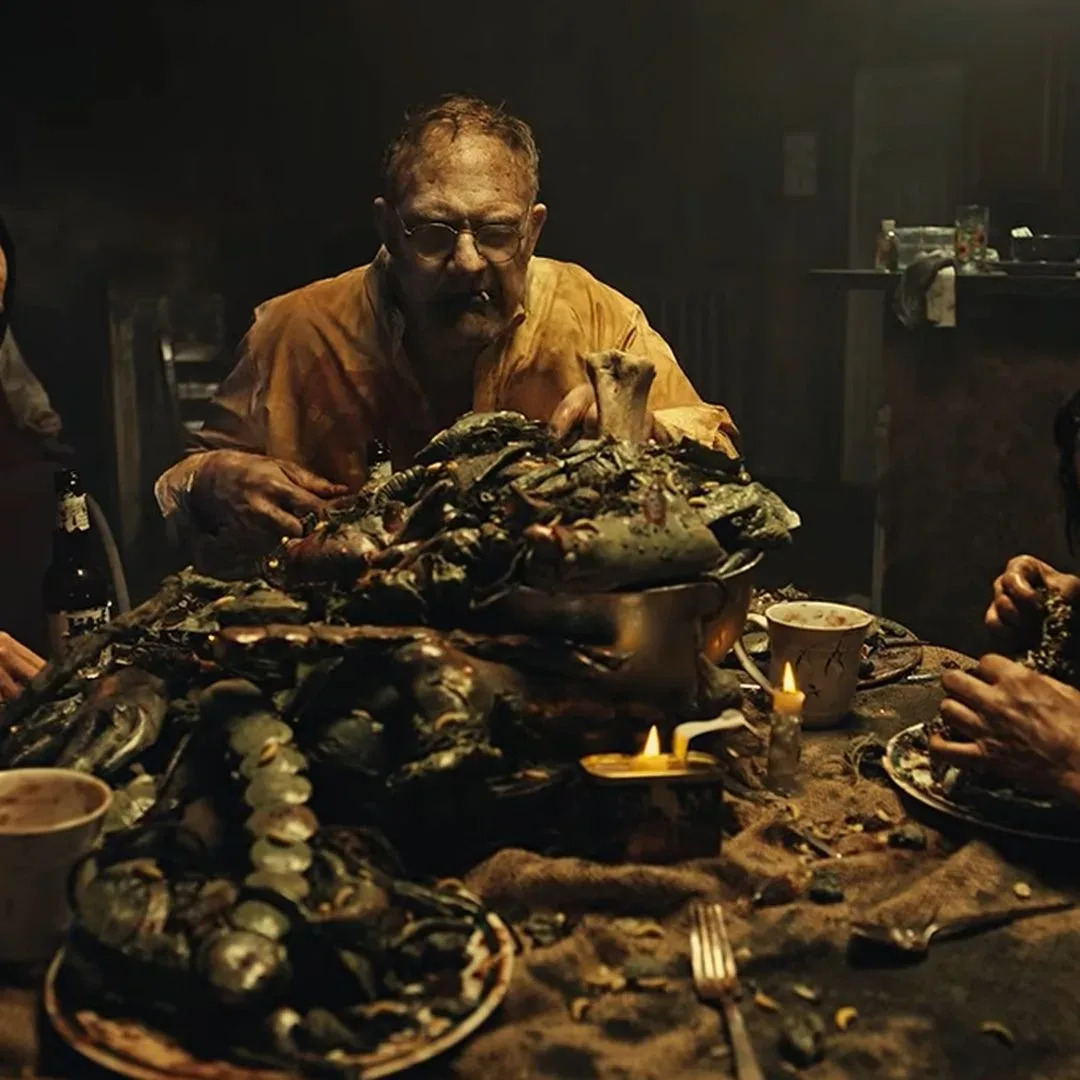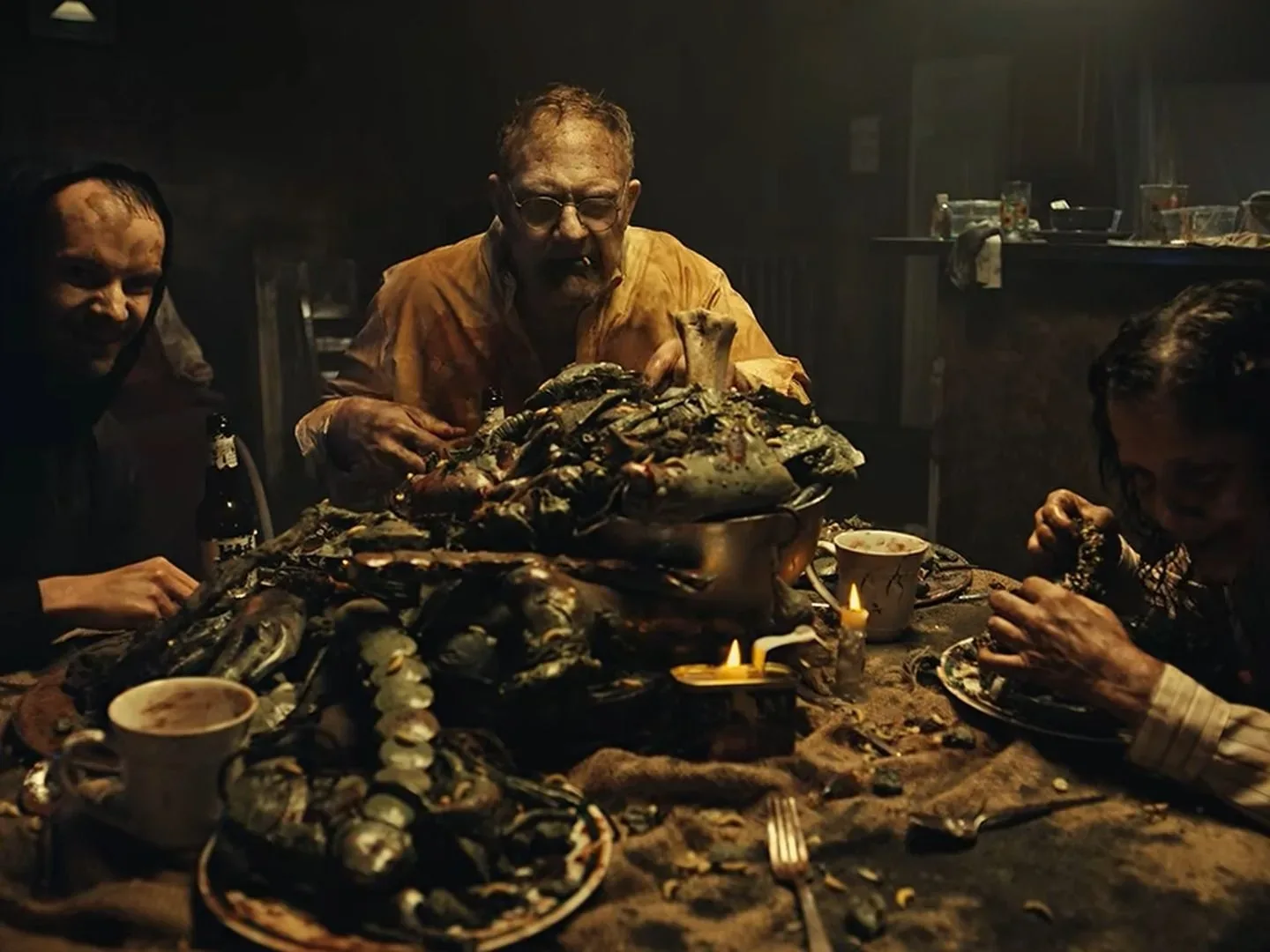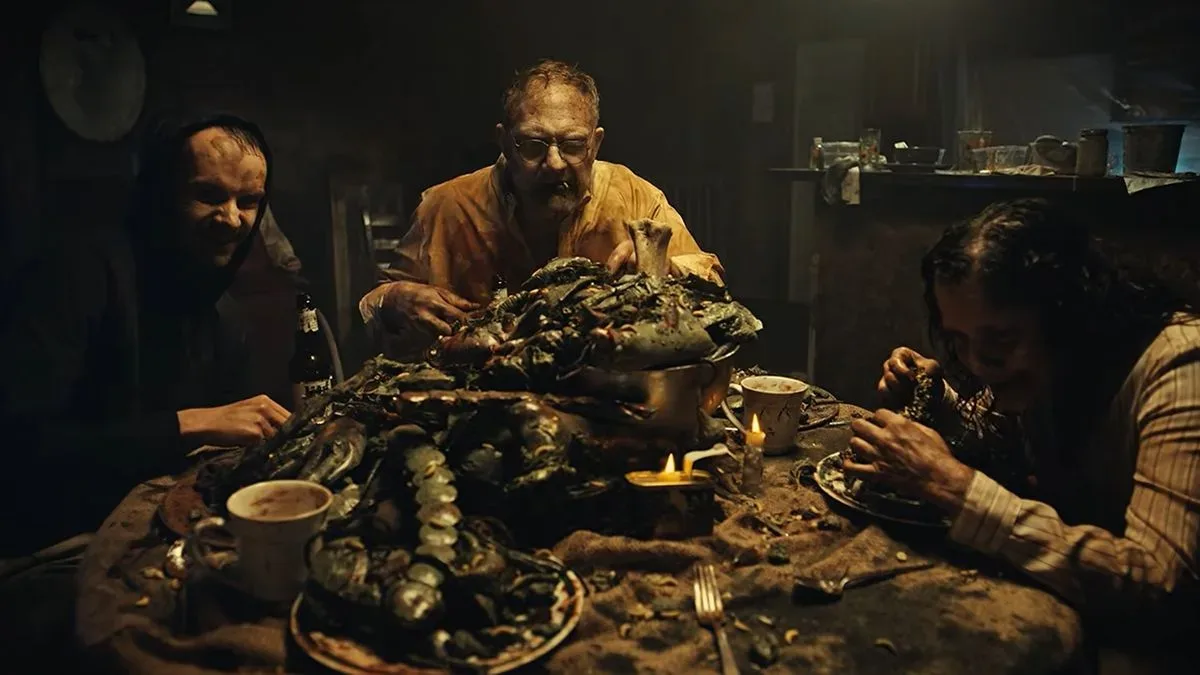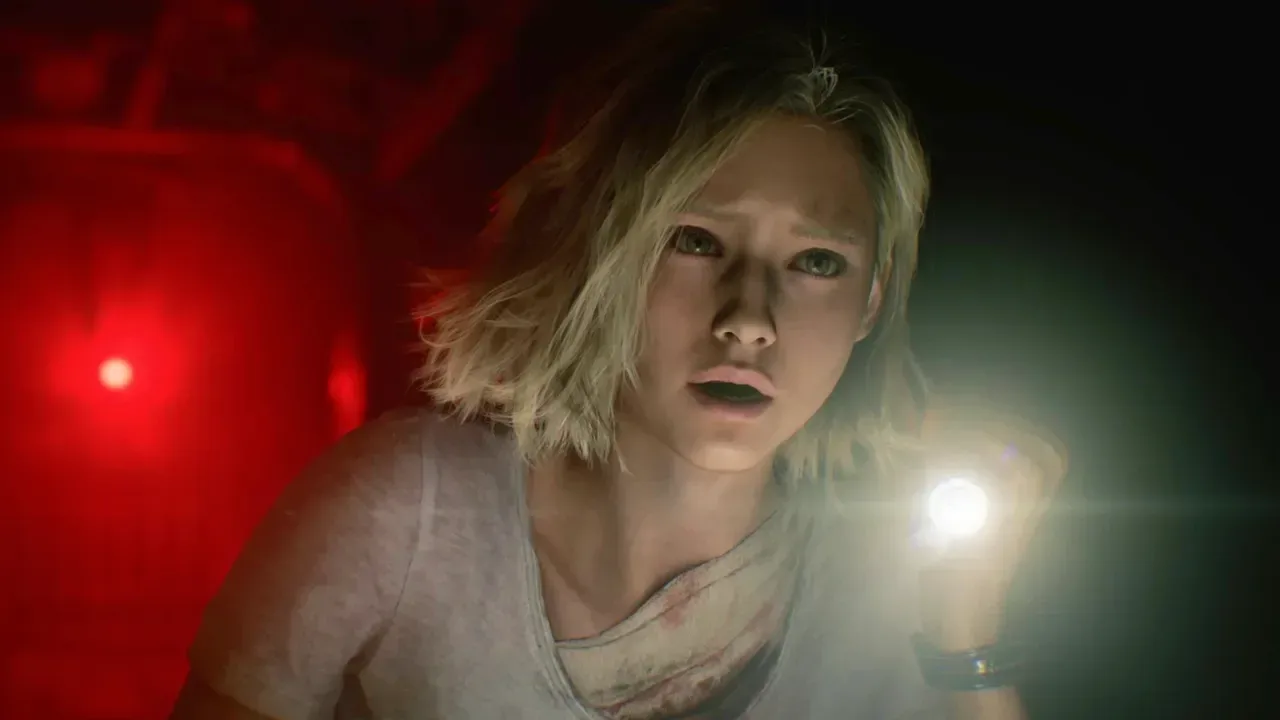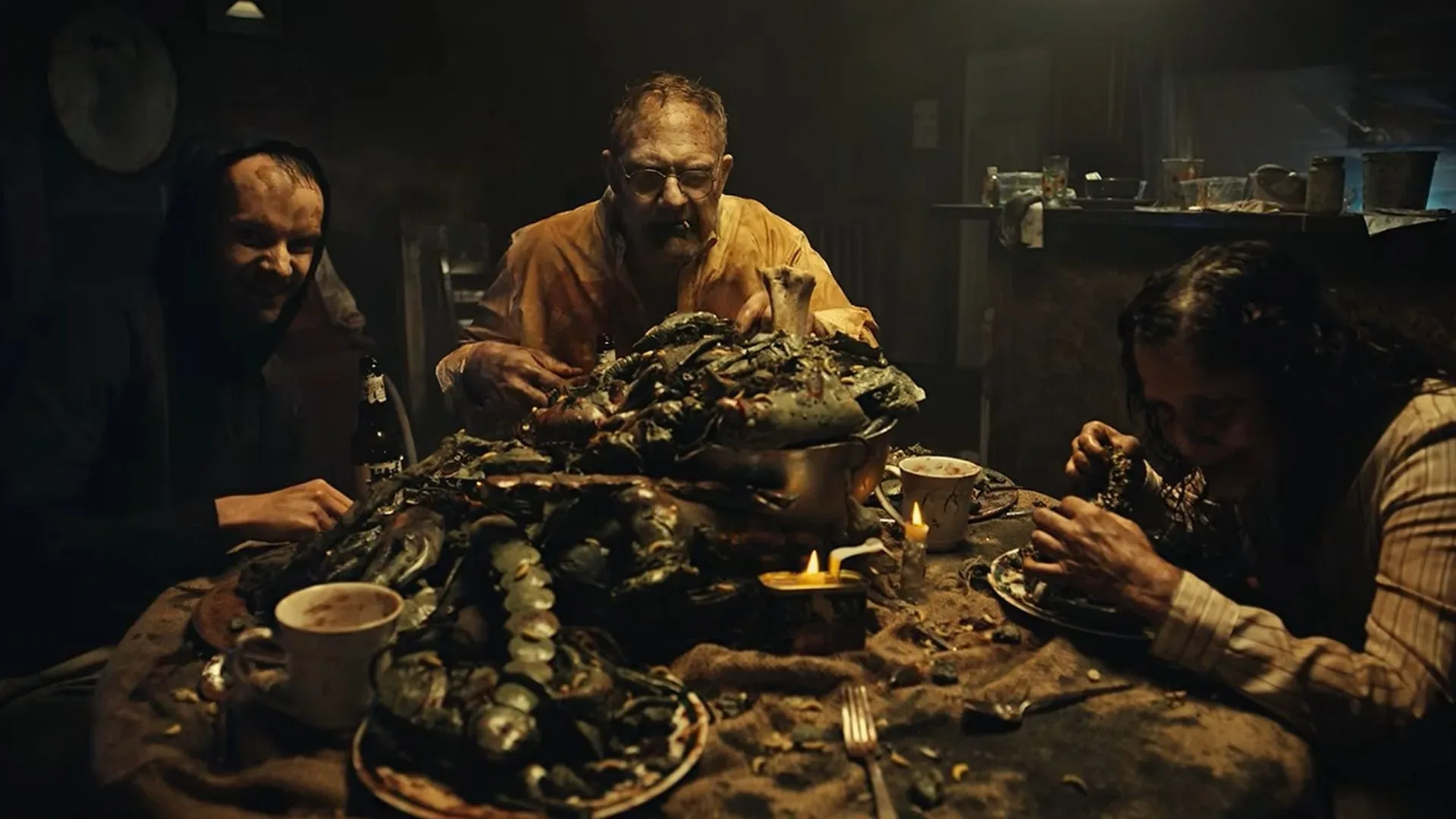
A fan-made Resident Evil 7 short film from Chandler Riggs has earned a small but meaningful show of support from Koshi Nakanishi, the director associated with both Resident Evil 7 and Resident Evil Requiem. Nakanishi shared the film’s YouTube thumbnail on Instagram with a colorful “Wow” graphic, an unmistakably positive reaction even if it stops short of a formal critique.
The 20-minute film adapts Ethan Winters’ brutal confrontation with Jack Baker, one of the defining antagonistic forces in Resident Evil 7. Riggs, known to many viewers for playing Carl in The Walking Dead across eight seasons, is credited here not merely as a performer but as a horror director working in the shadow of a game with an unusually precise sense of dread.
That is why Nakanishi’s response matters. Fan productions do not require a creator’s endorsement to be worthwhile, and a social-media repost is not the same thing as an official collaboration or approval from a rights holder. Still, this is direct public recognition from the filmmaker who helped shape the game being adapted. For a short that takes on one of the series’ most punishing sequences, that is a particularly fitting response.
A short film built around a nasty Resident Evil 7 encounter
The selected material is important. Resident Evil 7 centers Ethan Winters’ struggle against the Baker family, and Jack Baker is a towering, relentless threat within that story. The fan film focuses on Ethan’s fight with Jack rather than trying to compress the entire game into a short runtime. That narrow approach gives the project a clear dramatic engine: survival, pursuit and a protagonist trying to endure an opponent who feels far harder to put down than a conventional movie villain.
In game design terms, a memorable boss encounter is not simply a powerful enemy. It is a sequence built around pressure: constrained space, uncertain safety, escalating danger and the player’s responsibility for every response. Film cannot reproduce player control. There is no controller in a viewer’s hands and no choice over where Ethan runs next. A screen adaptation instead has to translate the feeling of agency and vulnerability through staging, pacing, editing, sound and performance.
The short’s approach is described as retaining the game’s oppressive horror tone while adding a more action-oriented edge. That distinction is useful. Horror and action can coexist, but they create tension in different ways. Horror usually asks the audience to wait for something awful, to listen for danger and to feel trapped alongside the character. Action provides motion, impact and release. A faithful adaptation of a frantic Jack Baker sequence needs some of both: enough speed to make the confrontation feel physical, but enough discomfort that survival never seems routine.
Why references matter in a fan adaptation
The film is also packed with references to the game, ranging from subtle details to far more obvious nods. In a fan project, those touches can do more than prompt recognition. They establish a shared vocabulary with people who know the original. A familiar prop, location detail, line, visual composition or threat can quickly tell an audience that the filmmaker understands what they came for.
References are not automatically a substitute for storytelling, of course. The best ones support the scene rather than pause it. A game adaptation has to remain legible for someone who only knows that a man named Ethan is in serious trouble, while still rewarding longtime players who can identify the specific source material. A 20-minute format makes that balance especially valuable. There is limited time to establish stakes, characters and the physical rules of the threat.
Related coverage includes Resident Evil 7 Fan Film Earns Koshi Nakanishi's Approval.
That may be the most practical lesson in this kind of fan filmmaking: adapt a concentrated piece of the experience, not just a collection of recognizable elements. By basing its story on Ethan’s struggle with Jack Baker, Riggs’ short has a built-in escalation and a clear horror focal point. The references then have a dramatic job to do, reinforcing the relationship between a pursued survivor and the figure hunting him.
Nakanishi’s reaction is brief, but it is still notable
The Instagram post does not offer detailed notes on the film’s direction, adaptation choices or performances. It does not establish that Nakanishi participated in its making, and it should not be read as an announcement of any official Resident Evil screen project. Its significance is simpler: he saw the work and chose to amplify it with a playful, affirmative visual response.
Public encouragement carries a different weight when it comes from someone closely connected to the material. Nakanishi directed Resident Evil 7, the game whose atmosphere and confrontation are being reinterpreted, as well as Resident Evil Requiem. His “Wow” is therefore not an exhaustive review, but it is a sign that the short made an impression on a creator whose horror sensibility is central to the reference point Riggs was chasing.
It is also a reminder that fan work can be a serious creative exercise rather than a disposable novelty. A short film has no opportunity to rely on dozens of hours of exploration or progression systems. It must make its case quickly: establish mood, create danger, give viewers something to follow and land the sequence before the tension goes flat. Choosing a single major clash provides a solid framework for doing that.
Resident Evil’s screen legacy makes tone the real challenge
Adapting video games to the screen often becomes a debate about plot accuracy: which characters are present, what events changed and whether particular lore is included. For Resident Evil 7, tone may be the harder thing to preserve. The game’s reputation rests heavily on claustrophobia and sustained anxiety, especially in virtual reality, where its first-person perspective can make close-range threats feel even more immediate.
A screen version cannot recreate VR’s sense of presence exactly. It can, however, pursue adjacent effects. Tight framing can deny the audience a comfortable view of the room. Sound can imply movement outside the frame. Editing can hold back information long enough to make the viewer anticipate the worst. A character’s exhaustion or injury can make every attempted escape feel less dependable. These are the filmmaking counterparts to the uncertainty that makes a horror game encounter work.
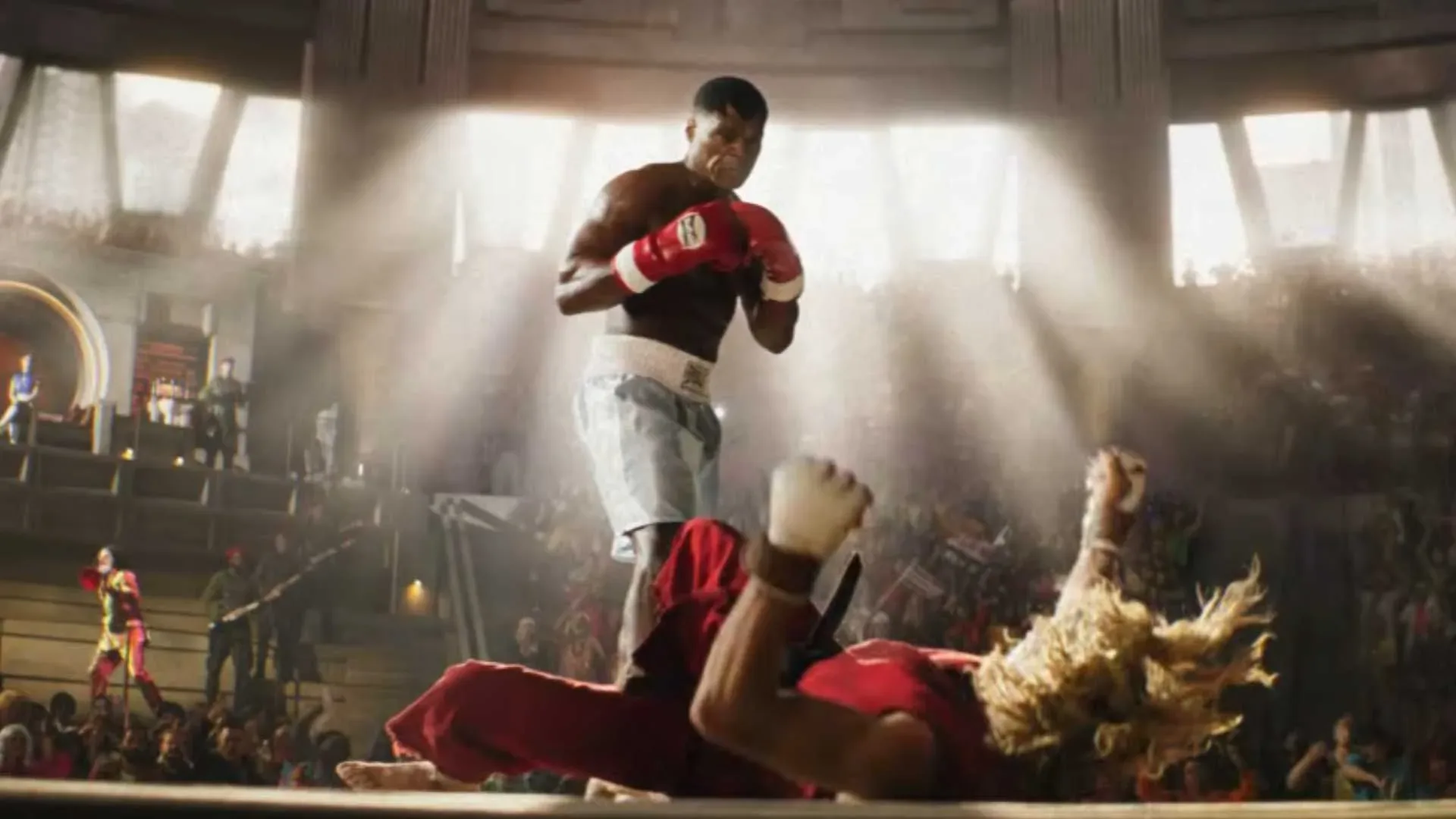
That focus on mood is particularly timely in a broader period where game adaptations are constantly scrutinized for whether they preserve the spirit of their source material. The conversation around screen versions is rarely limited to fidelity alone, as seen in the debate captured by the mixed early reaction to Street Fighter. Riggs’ project occupies a different space from a major studio release: it is a focused fan interpretation of one game sequence, not a franchise-wide reinvention. That smaller scope can be an advantage when the goal is to capture a particular flavor of fear.
What the response does—and does not—mean
- It does mean: Nakanishi publicly reacted positively to the short by sharing its thumbnail with a “Wow” graphic.
- It does mean: The project has caught the attention of a director directly connected to Resident Evil 7 and Resident Evil Requiem.
- It does not mean: The short has been announced as official Resident Evil material.
- It does not mean: Nakanishi has provided a detailed review, production involvement or confirmation of any future partnership.
Those limits do not diminish the moment. A 20-minute fan film that takes on Ethan Winters and Jack Baker already makes an ambitious choice, because the scene depends on an aggressive blend of recognizable game imagery, physical intensity and oppressive horror. A cheerful public response from Koshi Nakanishi is a concise endorsement of the result—and a notable one for Riggs as he explores horror filmmaking beyond his established acting work.