A supposed Geekbench result for an unreleased Apple M6 Pro chip should not be treated as evidence of a coming product. John Poole, the creator of Geekbench, found internal inconsistencies in the entry that led him to believe it may not be legitimate.
That assessment matters beyond one eye-catching performance number. Benchmark listings often travel quickly through social media, forums and hardware speculation, where a product name plus a high score can become a provisional roadmap in a matter of hours. But a listing is only as credible as the device, software environment and identifying information behind it. When the creator of the benchmark itself flags inconsistencies, the sensible reading is not that the M6 Pro is merely unconfirmed; it is that this particular result is unreliable.
Why the name itself is a major warning sign
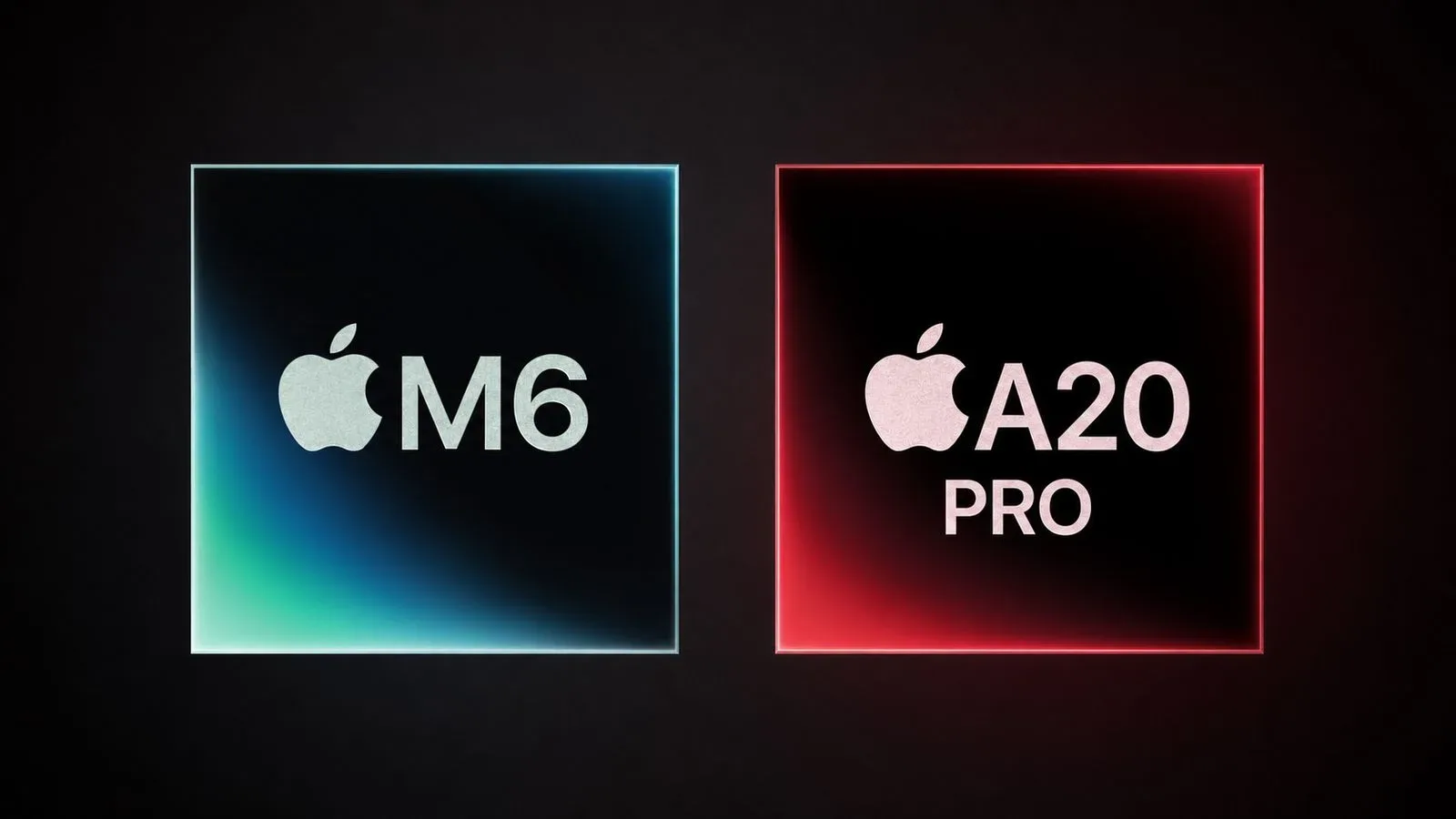
The claimed result is also awkward because previous reporting has said Apple plans to skip M6 Pro and M6 Max chips altogether. That does not establish Apple’s eventual chip lineup by itself, but it means a result carrying the M6 Pro name needs substantially more scrutiny than an ordinary early listing.
Two ideas can be true at once: a benchmark record can look detailed, and the conclusion drawn from it can still be wrong. In this case, the record’s apparent association with a chip name is undermined both by the identified inconsistencies and by the possibility that the named chip will never be part of Apple’s public product range.
For readers following device rumors, the key distinction is between a claim and corroboration. A claim is the presence of a result labeled with a product name. Corroboration would be independent evidence that the result reflects real hardware and that the name matches Apple’s actual plans. The information available here does not provide that corroboration.
What Geekbench results can—and cannot—tell us
Geekbench is benchmarking software: it runs a standardized set of tasks and produces scores intended to help compare computing performance. In broad terms, a score can be useful for comparing systems tested under comparable conditions. It is not a complete description of a chip, a computer, or the experience of using either.
Even a genuine benchmark entry must be read with care. A score addresses performance in the benchmark’s workload, rather than every task a person may perform. It does not, on its own, establish a product’s release plans, price, thermal behavior, battery life, ports, memory options, graphics capabilities or real-world performance across every application. It also cannot tell an observer whether Apple will use a particular branding scheme until Apple itself establishes that lineup.
That limitation becomes more important with unreleased hardware. Public benchmark databases are useful places to spot potential signals, but they are not official product catalogs. A listing can be misunderstood, mislabeled, manipulated or otherwise fail to represent the conclusion being circulated. The M6 Pro entry is a clear reminder that a numerical result is not a substitute for authentication.
Internal consistency is part of the evidence
“Internal inconsistencies” refers to conflicts within the information attached to a result. The specific inconsistencies identified were not detailed here, so it would be inappropriate to guess at them. The important point is narrower: Poole’s assessment concerns the entry’s own information, rather than simply skepticism about an unusually strong score or an unfamiliar product label.
That is a meaningful difference. Hardware rumors are often judged from the outside—whether a number seems plausible, whether a name follows expectations, or whether a launch window feels believable. An internal inconsistency instead suggests the record does not coherently support its own identity. For a benchmark result presented as a glimpse of unannounced silicon, that is a fundamental problem.
What not to infer from the disputed listing
- It does not confirm that Apple has made an M6 Pro chip.
- It does not establish any M6 Pro performance figure.
- It does not prove a future Mac configuration, release timing or product strategy.
- It does not overturn the report that Apple may skip M6 Pro and M6 Max chips.
- It does not provide a dependable comparison point for current or future hardware.
Equally, the situation does not settle every unanswered question about Apple silicon. A questionable listing does not reveal what Apple will call its next chips, which devices they may appear in, or when those devices might arrive. It simply removes one would-be piece of evidence from the pile.
Practical advice for reading early benchmark leaks
There is a straightforward way to approach spectacular pre-release results: begin with the least exciting interpretation. Treat the score as an unverified claim, separate the visible label from confirmed product information, and avoid extrapolating a full roadmap from a single database entry.
Next, pay attention to the status of the product name. A label that conflicts with existing reporting deserves special caution. Product names are easy to repeat and easy to assume, especially when a company’s previous naming conventions create expectations. They are not confirmation that a planned product exists.
Finally, distinguish a benchmark’s technical signal from its rumor value. If a result cannot be authenticated, its number is not a useful data point. Sharing it as if it were a trustworthy measurement can create a false comparison, with later rumor coverage and discussion built on a foundation that was never secure.
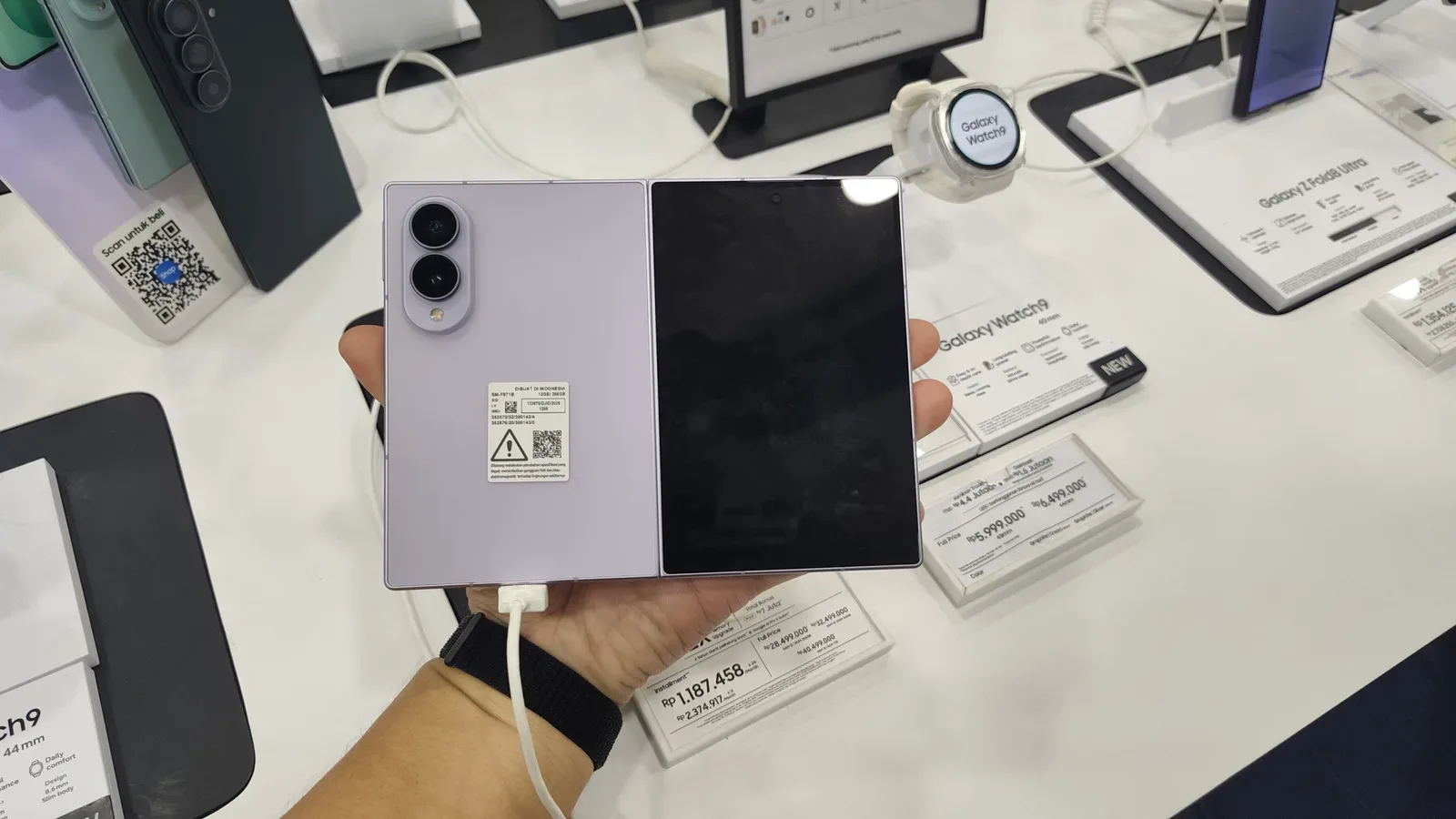
This is not limited to laptops or desktop hardware. The same discipline applies whenever a screenshot, database record or apparent test result is used to make claims about unreleased technology. Readers of other device coverage, including discussions of desktop-style features on foldable phones such as Gadesk’s Samsung DeX approach on the Galaxy Z Fold 8, benefit from keeping product claims, observed behavior and unverified speculation in separate boxes.
The immediate takeaway
The purported M6 Pro Geekbench result is likely fake, based on the concerns raised by Geekbench creator John Poole. Its claimed identity is further complicated by prior reporting that Apple intends to bypass M6 Pro and M6 Max chips. Until stronger, independently supported information emerges, there is no sound reason to use the entry as evidence of Apple’s next-generation professional chip plans.
For now, the most accurate headline is also the least glamorous: an intriguing score is not a confirmed chip, and a familiar-looking product name is not a roadmap.