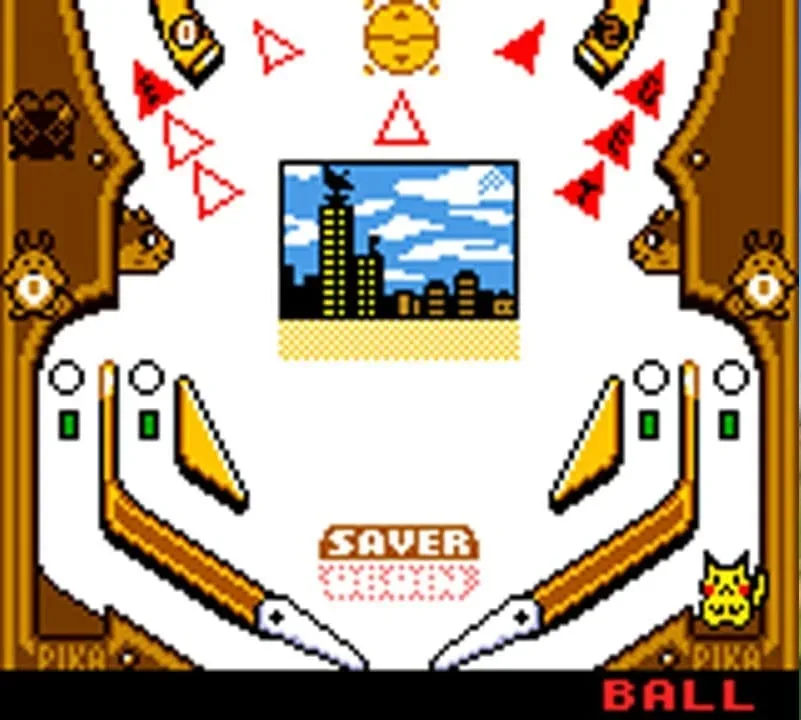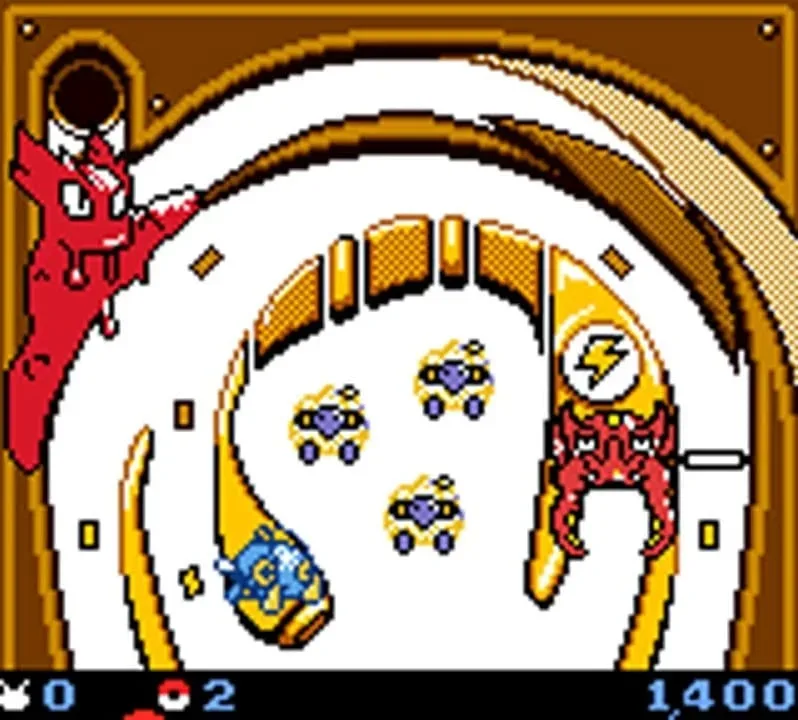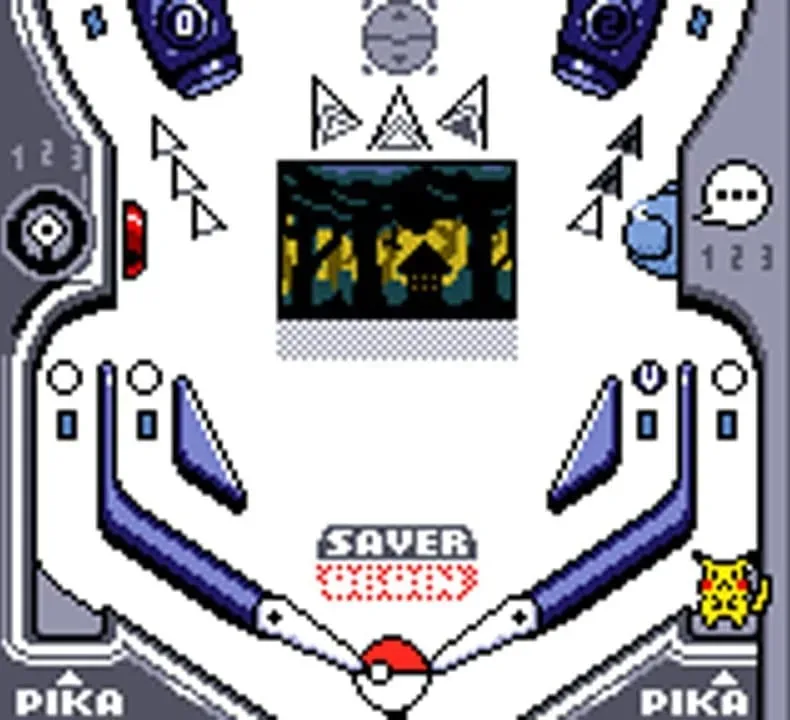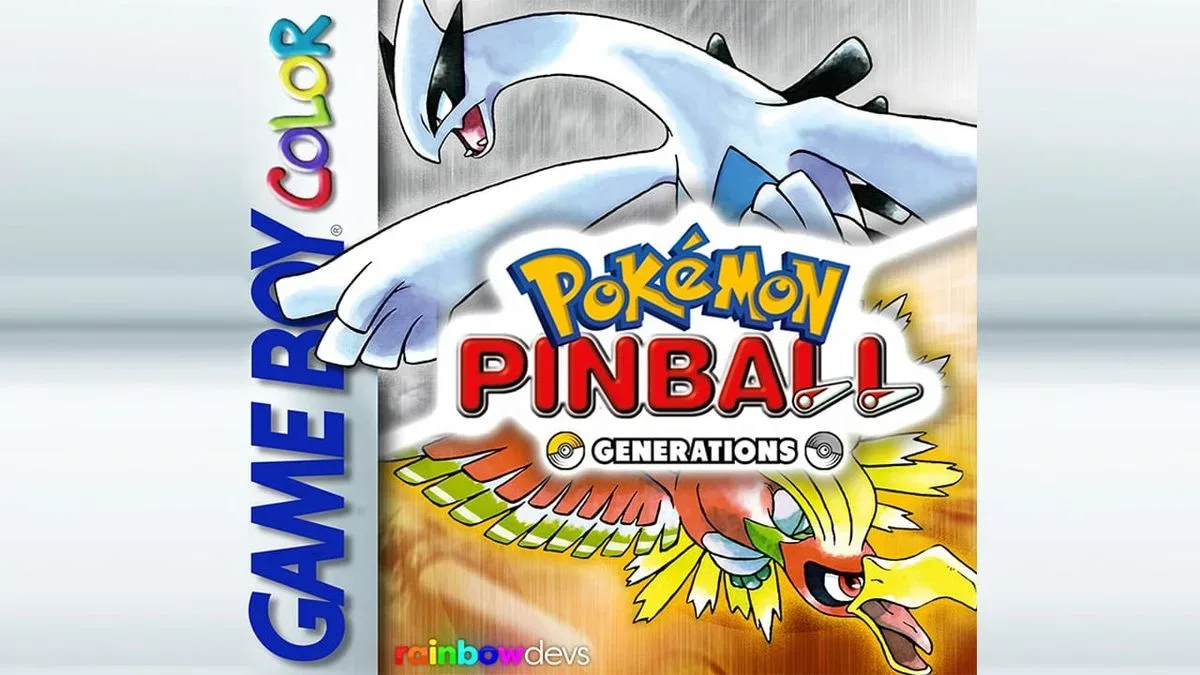
Pokémon Pinball Generations, a fan-made expansion built for the original Pokémon Pinball, has received a version 1.6 update. The project from Rainbow Devs expands the game’s Pokédex to 251 Pokémon by incorporating the second-generation roster and adding Gold & Silver-themed fields for a trip through Johto that the original release never officially received.
The new build concentrates on practical compatibility and preservation-minded changes rather than merely adding creatures to chase. Version 1.6 addresses saving problems reported when the hack is used with Flash Carts, repairs broken mid-game saves, corrects Ho-Oh’s name, and includes the project’s source files.
A bigger Pokédex, built around pinball
Pokémon Pinball Generations is described as a ROM hack: a fan-created modification applied to data from an existing game. Its central ambition is straightforward but substantial. Where the original game’s collection goal was limited to its original roster, this expansion raises the total to 251 Pokémon, encompassing the Generation 2 additions associated with Pokémon Gold and Silver.
That matters because Pokémon Pinball is not simply a conventional pinball table with Pokémon artwork around the bumpers. Its appeal is the marriage of score-chasing pinball action and collection progress. A larger Pokédex gives that loop more room to run: players have more creatures to pursue while working their way through the hack’s Johto-oriented material.
The new Gold & Silver fields are therefore more than a cosmetic change. They frame the expansion as an attempt to extend the original game’s Pokémon journey into the era represented by Johto. It is an especially fitting direction for a pinball project, where a table can be both a physical playfield and a compact representation of a wider game world.
What version 1.6 changes
The most consequential fixes in 1.6 concern saves. The update improves saving functionality on Flash Carts and resolves broken saves that can occur during play. For a game built around assembling a Pokédex over time, dependable saving is not a minor housekeeping detail. A collection-driven game needs persistent progress to feel worthwhile; losing a session or being unable to resume it undermines one of the hack’s defining purposes.
A Flash Cart is a cartridge-like device that can load game files on compatible original handheld hardware. It is a popular route for enthusiasts who want to use homebrew or fan-made patches on physical systems rather than only through software emulation. Compatibility fixes for that use case make the project more practical for players who prefer original hardware setups.
Version 1.6 also fixes the displayed name for Ho-Oh. It is a small correction next to save stability, but the detail reflects the scope of a project handling a much larger Pokémon catalog. When a hack is presenting itself as a full Generation 2 expansion, accurate creature names are part of making that added Pokédex feel coherent.
Related coverage includes Pokémon Pinball Generations 1.6 Expands the Game Boy Classic With Johto's Full Pokédex.
Finally, Rainbow Devs has included the source files. In software terms, source files are the editable materials used to build or modify a project. Their inclusion can be useful for preservation, study, and future development, though it does not by itself promise any particular future update or feature. For a fan project, however, it makes the work less opaque than a release distributed only as a finished patch.
Performance is a major part of the pitch
Rainbow Devs says Pokémon Pinball Generations runs at 60 frames per second with no lag. Frame rate describes how many individual images a game displays each second. A steady 60 fps is particularly meaningful in pinball, where the ball’s path, paddle timing, and reactions after each impact are the entire experience.
“Lag” in this context means a perceived delay or slowdown between the game’s action and what appears on screen. Pinball punishes that kind of inconsistency quickly: a hesitant response can turn a well-timed save into a drain. The project’s stated smooth performance is thus not just a technical bullet point. It speaks directly to whether players can reliably read the ball, react with the paddles, and maintain the rapid rhythm that makes a virtual table satisfying.
The expanded Johto content has the potential to be more demanding than a simple visual reskin because it adds a larger collection target and new themed fields. Maintaining fluid play while broadening the Pokémon side of the experience is a sensible priority. For fans, the appeal is not just having more Pokémon present, but having them integrated without sacrificing the immediacy of the original game’s pinball action.
How players can use the hack
The project can be played through handheld emulators, on iPhone, or on original hardware with a Flash Cart. Each route has a different practical appeal. Emulation can make access convenient on a compatible handheld device or phone, while original hardware and a Flash Cart offer a way to play on the physical systems associated with the game.
There is one essential legal and technical distinction: Pokémon Pinball Generations is a patch, not a replacement copy of Pokémon Pinball. Players need a legally acquired ROM of the original game, then apply the fan-made hack to it. In other words, the patch supplies the alterations; the player’s own lawful game dump supplies the underlying game data.
- Start with a legally acquired Pokémon Pinball ROM.
- Obtain the current Pokémon Pinball Generations patch from Rainbow Devs.
- Apply the patch to the original ROM using an appropriate patching method.
- Use the resulting patched file in a compatible emulator, iPhone setup, or Flash Cart workflow.
Players using Flash Carts have an especially good reason to ensure they are using 1.6, given the update’s specific work on saving behavior in that environment. Anyone returning after an earlier build may also want to note the repair to mid-game saves before investing further time in Pokédex progress.
Why this sort of expansion resonates
Fan expansions often land best when they identify an obvious unanswered question in an older game and build around it. Here, that question is easy to understand: what would Pokémon Pinball look like if it received a Gold & Silver-era follow-up within the framework of the original?
Pokémon Pinball Generations answers through scale and focus. It does not abandon pinball for a different kind of Pokémon experience. Instead, it retains the existing premise—keeping a ball alive while pursuing Pokémon-related objectives—and broadens the collection pool to the full 251. The addition of Johto fields gives the larger roster an appropriate thematic home.
That focus is also why save fixes are central to the update. A pinball score can be fleeting, but a Pokédex is a long-term objective. The project’s expanded collection component gives each play session a purpose beyond a single high-score attempt. Reliable persistence lets that purpose carry from one session to the next.
The arrival of source files is similarly notable from a practical perspective. Fan-made game modifications can depend heavily on continuing access to their technical foundations. Making those files available gives technically inclined community members a clearer view of how the project is put together, while also supporting the broader idea that such work should remain understandable and maintainable.
For players whose Pokémon nostalgia extends beyond cartridges and battles, there is also no shortage of adjacent curiosity around the franchise; even reports around potential LEGO Pokémon blind boxes underline how broadly the series continues to invite collection-minded enthusiasm. Pokémon Pinball Generations channels that same urge into a much more active format: every entry is tied to keeping the ball in play.
The practical takeaway for returning players
Version 1.6 is most clearly a maintenance update with real value. It does not need to reinvent the premise to matter. Flash Cart save improvements and repaired mid-game saves address the sort of issue that can determine whether an extended collection project is enjoyable or frustrating. The corrected Ho-Oh name and included source files round out an update that improves accuracy and accessibility around the core hack.
For newcomers, the headline remains the same: this is a fan-made way to experience an imagined Generation 2-scale Pokémon Pinball expansion, complete with 251 Pokémon and Johto-themed playfields. For existing users, 1.6 is the build to consider for its more dependable saving support. Either way, its appeal lies in an unusually clean proposition—more Pokémon, more Johto, and pinball action intended to remain smooth at 60 fps.