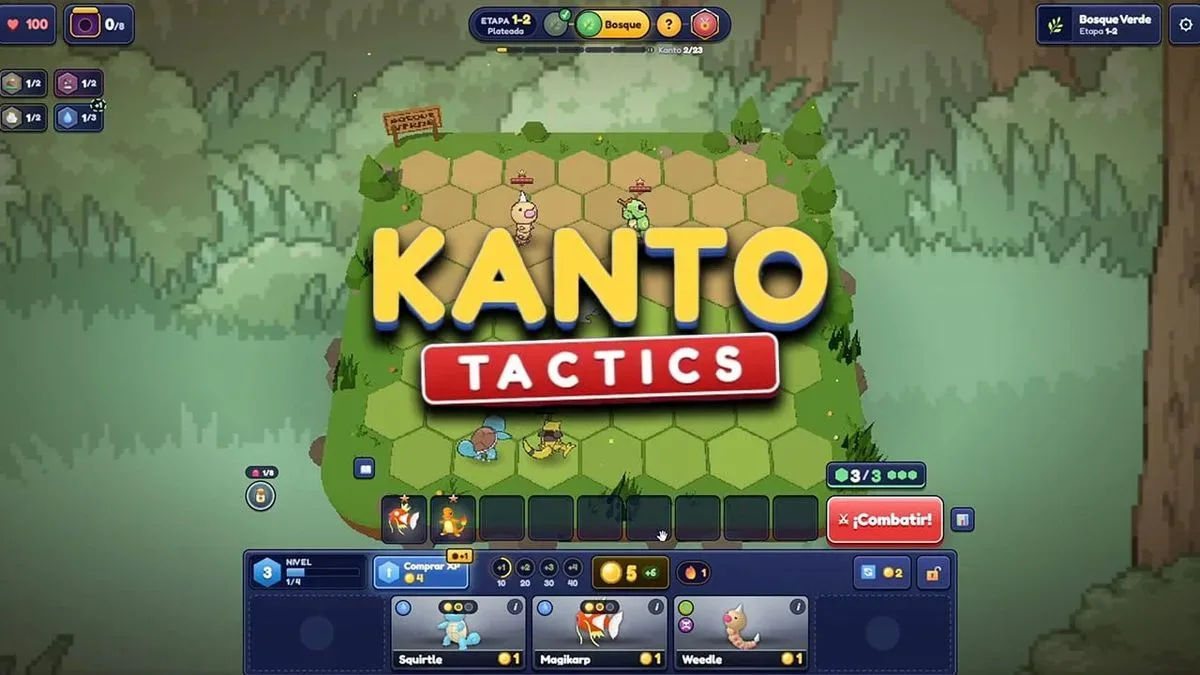
A familiar trip through Kanto is being rebuilt around a very different battle question: not “which move should this Pokémon use?” but “where should this Pokémon stand before the fighting begins?”
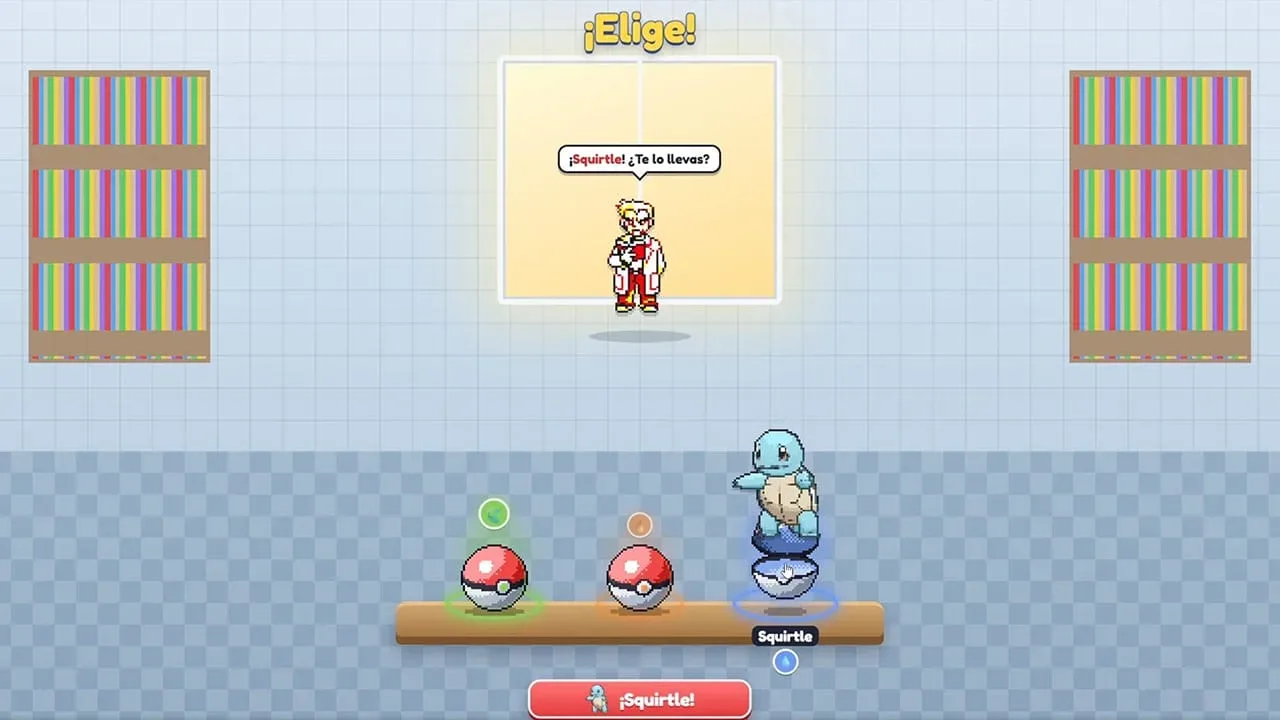
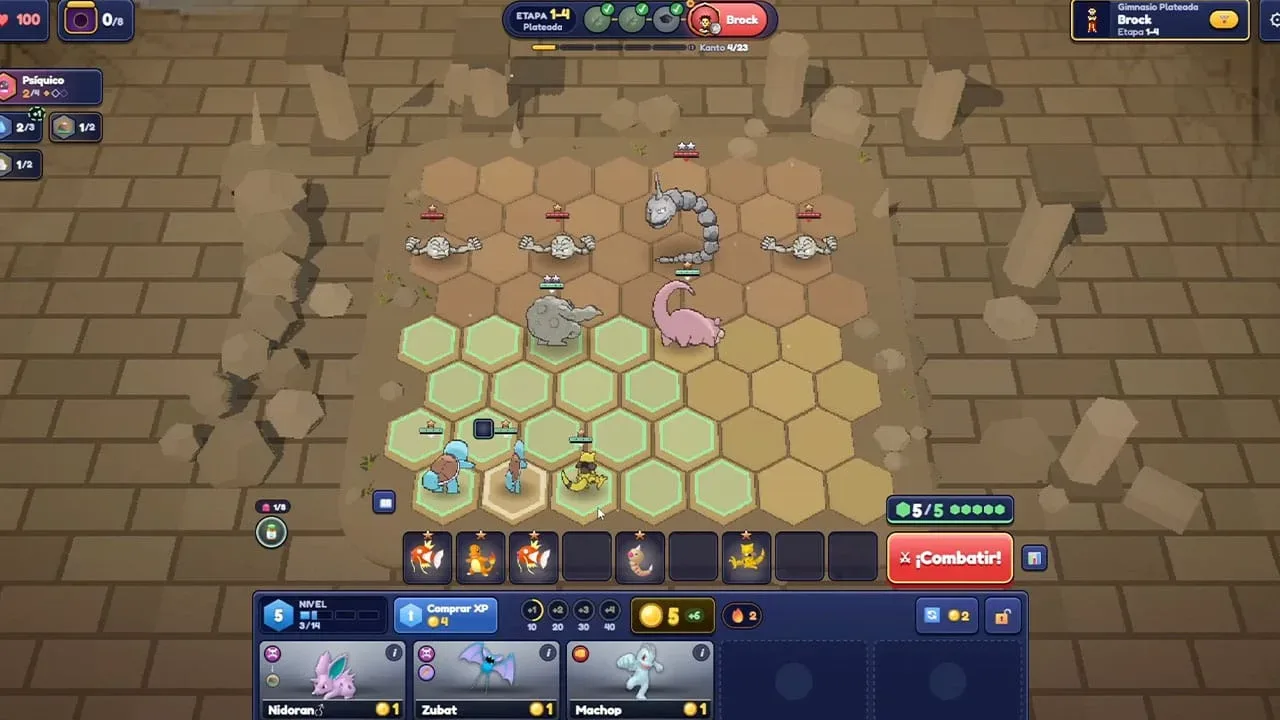
Kanto Tactics, an in-development fan game from José Luis, applies grid-based tactical team combat to a Pokémon-inspired Kanto campaign. The announced premise is a PvE journey in which players choose a starter, assemble a team, pursue Gym Badges and ultimately take on the Elite Four. Rather than relying on the traditional one-on-one, turn-based structure associated with the mainline Pokémon games, battles are framed around positioning a full squad on an arena and managing the engagement from a higher-level tactical view.
That change sounds simple, but it could substantially alter what matters from battle to battle. In a conventional Pokémon fight, an individual combatant’s moves, type matchups, health and timing usually dominate the decision-making. Kanto Tactics instead appears to put squad arrangement and broad team construction at the forefront, while Pokémon auto-attack once the action is underway. The player is still expected to oversee events and reposition Pokémon when necessary, creating a format that sits between hands-on command selection and a fully passive simulation.
What Kanto Tactics is trying to change
The project is described as using TFT-style battles. In practical terms, that means a tactical format built around a grid or defined field, where placing units is a meaningful pre-battle decision and the encounter proceeds through automated attacks. In Kanto Tactics, Pokémon are those units.
The key tactical concept is positioning: the location selected for each team member before a fight, and potentially the way that placement is adjusted while the battle develops. A formation can determine which Pokémon meet the opposition first, which ones are exposed, and where a team’s strength is concentrated. Even without a full public breakdown of Kanto Tactics’ systems, the visible premise makes it clear that the game wants players to think about the group as a formation rather than only as a list of individual monsters.
That is a notable contrast with the classic Pokémon rhythm. Traditional battles ask players to evaluate moves and resources turn by turn, with choices delivered through menus. The Kanto Tactics approach appears faster-moving: set up the board, begin the encounter, watch automated combat unfold and make tactical interventions as needed. It is a different kind of pressure. The decisive moment may be the setup itself, while mid-fight movement offers a way to react when the original plan stops working.
The available footage and descriptions also indicate that Pokémon can evolve through battle, increasing a team’s overall power. Evolution is a central part of Pokémon’s identity, but its role here appears connected directly to progression within this tactics-focused loop. The intended appeal is easy to see: a player is not just collecting a roster, but developing one that should become more effective across a campaign built around gyms and the Elite Four.
A Kanto campaign built for PvE
Kanto Tactics is presented as a PvE game, meaning player versus environment. Players are expected to progress against computer-controlled opponents rather than through an announced competitive multiplayer ladder. The goal structure will be immediately legible to Pokémon fans: collect Gym Badges, then defeat the Elite Four.
Related coverage includes Kanto Tactics Aims to Bring Grid Battles to Pokémon Fans.
That familiar campaign spine may be particularly important for a tactical format. A sequence of gyms gives the game clear milestones, while the Elite Four provides a natural endgame target. It also means the project is not merely using Pokémon as a collection of units in disconnected matches; the stated ambition is to wrap team building and grid combat around a recognisable Kanto-style adventure structure.
For players, the practical implication is that choices should extend beyond choosing a favourite starter. A tactics game lives or dies by whether the roster encourages adaptation. A team that looks powerful in one layout may need a different arrangement in another arena or against another opponent. Kanto Tactics has not yet laid out a detailed public ruleset for those interactions, so it would be premature to assume exactly how type advantages, moves, targeting or individual abilities will work. But its core pitch strongly suggests that formation decisions will be a major part of its identity.
Auto-battling does not necessarily mean hands-off
“Auto-battler” can sound like a genre where the player simply watches. Kanto Tactics’ described structure points to something more involved than that. Auto-attacking refers to Pokémon carrying out attacks automatically after combat begins. The player’s contribution appears to come through building the team, choosing placements and moving Pokémon around when the situation calls for it.
That distinction matters. The automated part handles the moment-to-moment exchange of attacks, while the tactical layer shifts attention to planning and battlefield management. The better comparison is not a menu-driven duel with every action selected manually. It is a contest of preparation, arrangement and response, where the player watches to see whether their battle plan holds up.
There is also a visual departure from an earlier Pokémon fan-game comparison. Kanto Tactics has been likened to Pokémon Auto Chess in broad concept, but it is described as having a more three-dimensional presentation rather than a top-down, SNES-like 2D look. Its arenas also appear more polished than that earlier project’s initial presentation. That does not establish a feature-for-feature connection between the two games, but it helps explain the lane Kanto Tactics is aiming for: Pokémon-inspired tactical combat with an arena-based, more modern visual approach.
Browser play could be the project’s most practical advantage
One of Kanto Tactics’ clearest announced ambitions is platform access. José Luis has said the game is intended to run in a browser on both laptops and mobile devices. If realised as described, that removes the need to install a dedicated client or use an emulator simply to access the game.
Browser-based delivery can be especially fitting for a game centred on short-form tactical matches and roster progression. A player could potentially return to a team from a computer or a phone without treating the game as a platform-specific download. It does not, by itself, answer important questions such as performance, controls, account systems or the final mobile interface. None of those details have been confirmed. Still, the cross-device browser target is a meaningful part of the pitch rather than a small technical footnote.
It also helps separate Kanto Tactics from a remake or a direct recreation of an older Pokémon release. The project is taking recognisable Kanto objectives and Pokémon progression, then placing them in a format designed around a different style of play. That broader willingness to revisit familiar material through new structures remains a major topic around Nintendo-related gaming; recent discussion around remakes and Nintendo’s release strategy shows why familiar worlds continue to invite debate. Kanto Tactics is not a remake, however: its central hook is the tactical reinterpretation itself.
Free is the plan, but it is not released yet
The game is planned to be free for everyone to play once José Luis reaches a version he considers ready. That wording is important. Kanto Tactics is not being presented as a finished release with a confirmed launch date. It remains in development, and the creator’s stated threshold is a “decent version” that meets their own standard before it is made available.
There has been enthusiastic reaction on X, and the early concept has obvious appeal for people who want an alternative to standard Pokémon combat. Yet interest should not be confused with a confirmed product feature list. Details such as the final roster, combat rules, progression pace, browser performance and release timing remain unconfirmed from the available information.
For now, the strongest reason to keep an eye on Kanto Tactics is the clarity of its core idea. Gym badges, starters, evolutions and the Elite Four are instantly understandable goals. Moving those elements into a grid-focused PvE game gives them a new strategic frame: build the team, choose the formation, then see whether that plan survives once the arena comes alive.