Spoiler warning: This article discusses major story events and the ending of The Last of Us Part II.
The final Joel and Ellie scene in The Last of Us Part II was not always intended to be the game’s final scene. Troy Baker, who plays Joel, has said that the conversation was originally scripted to occur immediately before the story’s major turning point. Its ultimate placement at the end changes the weight of nearly every action that comes before it.
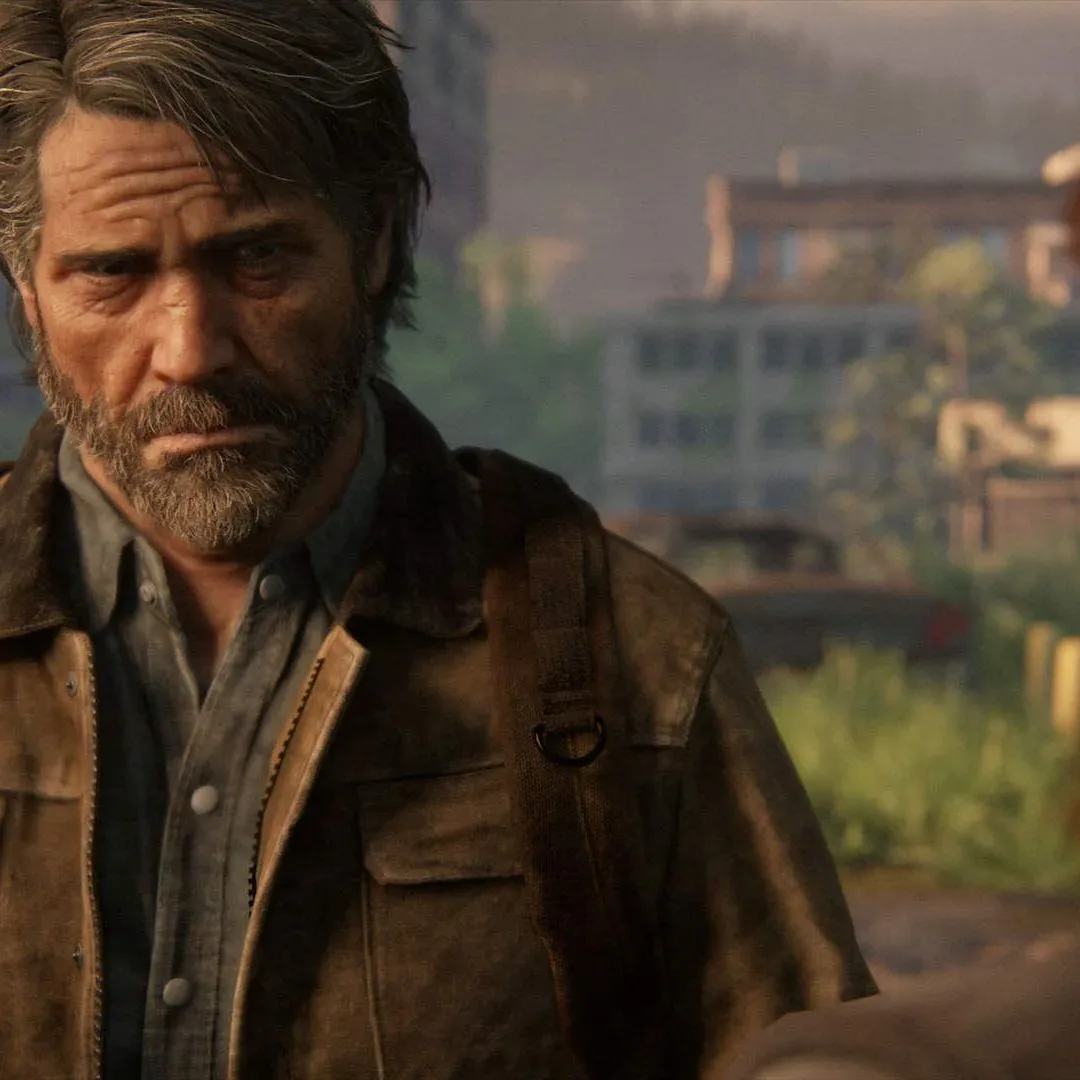
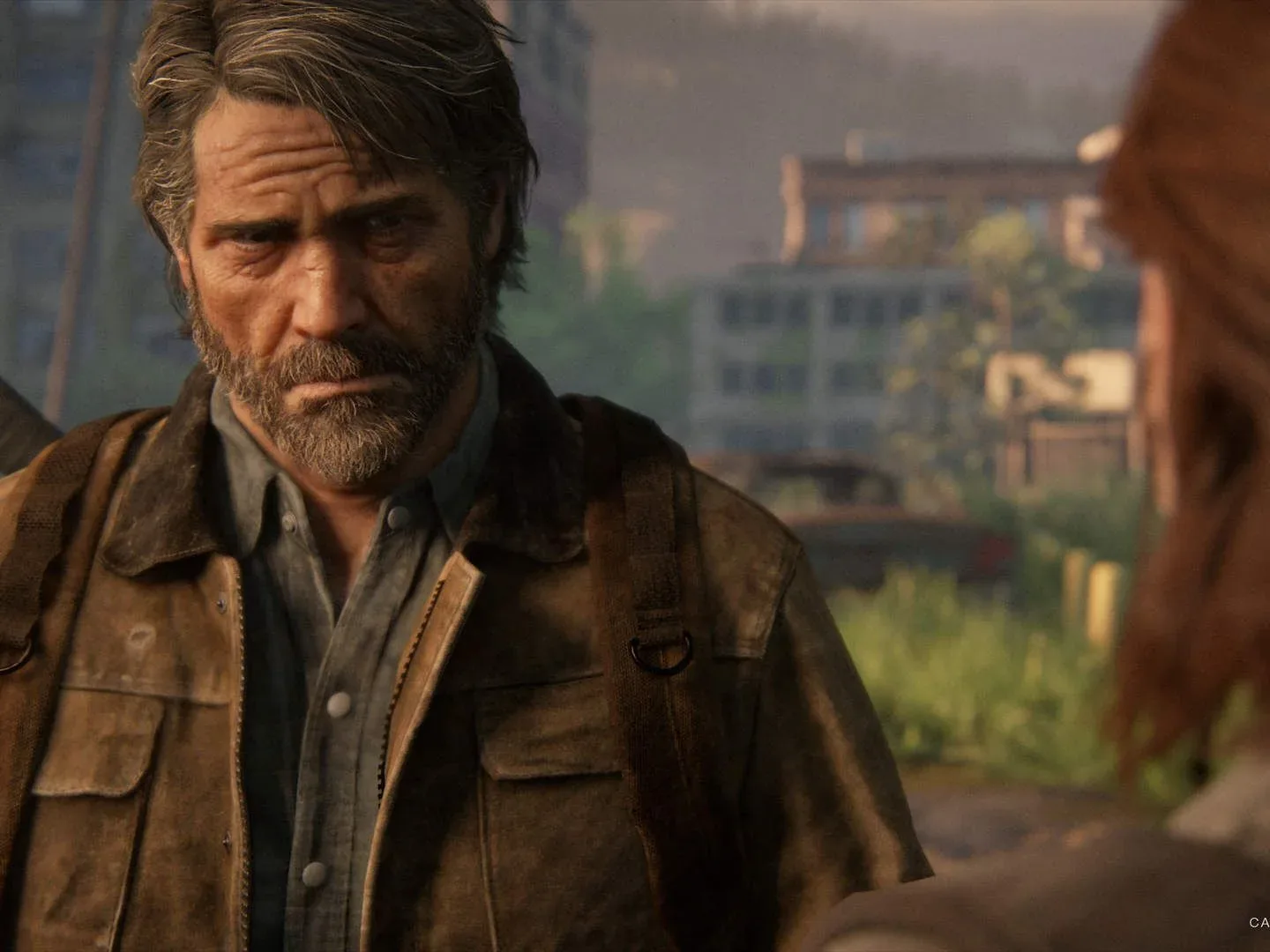
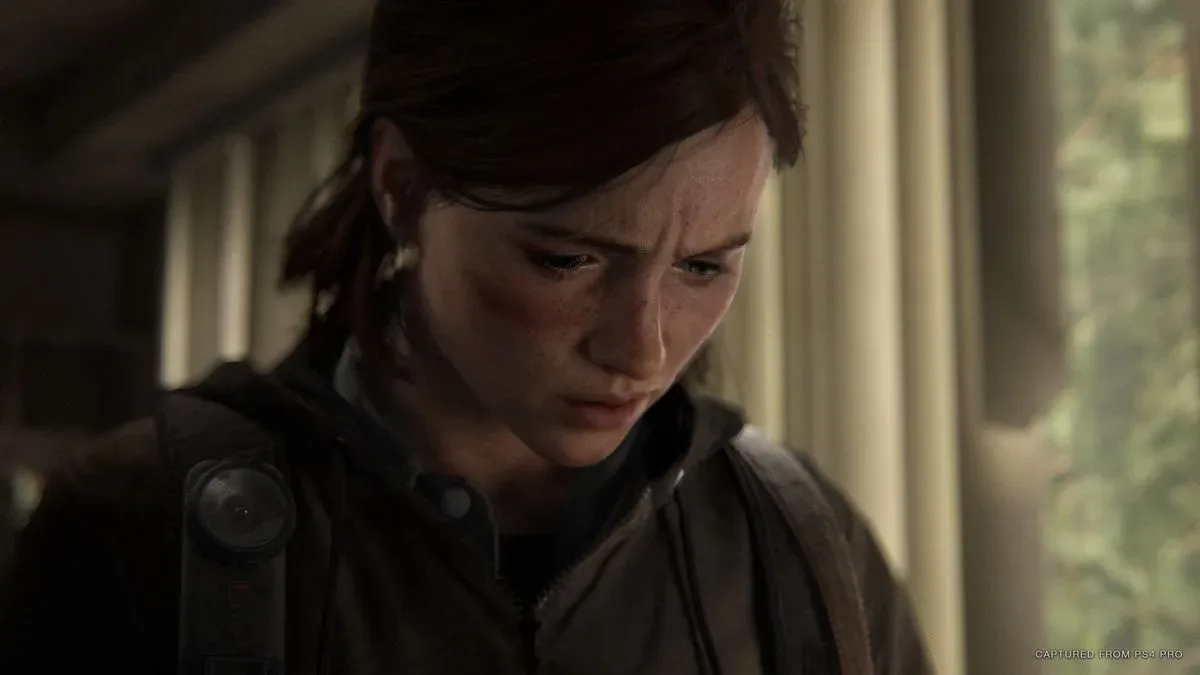
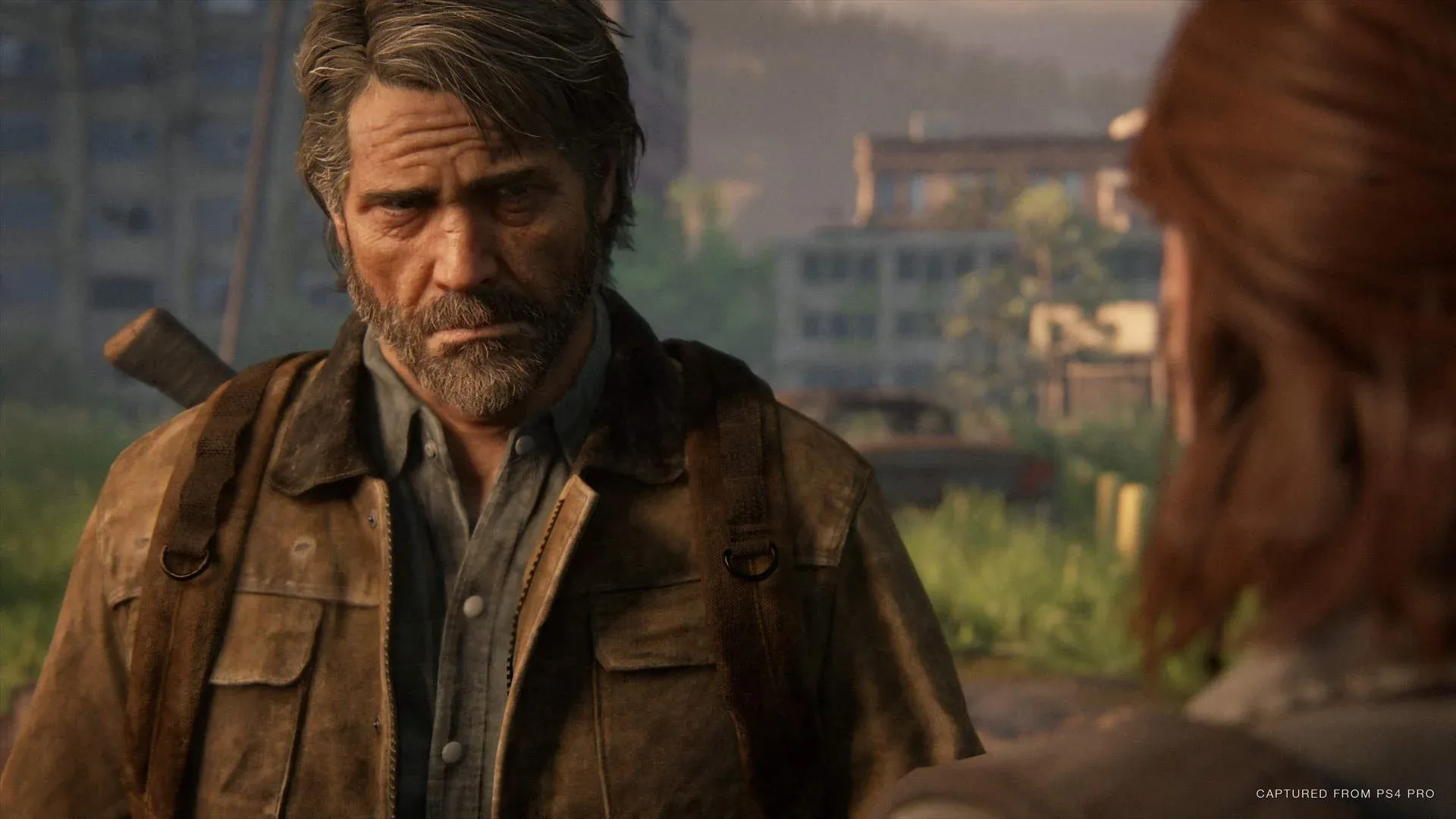
The scene is set before Joel’s death at Abby’s hands. Ellie and Joel, whose relationship has been fractured by Joel’s choice at the end of the first game, finally have a painfully tentative conversation about that betrayal. Joel saved Ellie from scientists who intended to sacrifice her in pursuit of a vaccine, taking away what Ellie believed could have been her chance to help humanity. The two characters are not suddenly healed by the exchange. They simply begin, at last, to acknowledge that healing might be possible.
“I don't think I can ever forgive you for that... But I would like to try,” Ellie tells Joel. He answers, “I'd like that.”
That small opening—the prospect of trying rather than a completed reconciliation—is the point. It is also why revealing it only at the end is so devastating. The player learns that Ellie had not permanently shut Joel out, but that the time needed to turn that possibility into a real repaired relationship was never available.
A scene moved from setup to aftermath
Baker said the scene was initially planned to play right before “everything goes down.” He also said he did not know it would ultimately become the game’s final scene until afterward. This is a striking example of how narrative placement can radically alter a scene without changing its dialogue or basic events.
Narrative placement means the point at which an audience receives information. A flashback shown near the beginning typically gives viewers context for decisions still to come. Put the same flashback at the end, and it becomes a re-evaluation tool: it asks the audience to revisit everything they have already seen with an additional emotional fact in mind.
If the reconciliation scene had appeared before Joel’s death, it would have established a comparatively direct motive for Ellie’s anger. Players would know, from the start, that Abby had taken Joel just as Ellie and Joel had reached the first fragile step toward making peace. That approach could have foregrounded Ellie’s loss as the immediate emotional engine of the story.
Related coverage includes Troy Baker Reveals The Last of Us Part II's Final Joel and Ellie Scene Was Once Planned for the Opening.
By withholding it until the ending, however, the game makes the conversation feel less like straightforward setup and more like a final wound. Ellie’s pursuit has already played out. The player has already watched grief, rage and violence create damage that cannot be simply undone. Then the game supplies the missing piece: Ellie had been preparing to try to forgive Joel, and now must live with the fact that she never got to see what that effort could become.
That is not a twist in the conventional sense. It does not reverse a plot fact or reveal that events happened differently than assumed. Instead, it revises the emotional meaning of known events. Joel’s death was already horrific; the final flashback clarifies that it also stole a future that had only just become imaginable.
Why the missing hug matters
Baker also recalled that the original script called for Ellie to hug Joel. Ashley Johnson, who plays Ellie, reportedly said she was not emotionally at that point for the character. The embrace was not used.
That decision is crucial to the scene’s emotional grammar. A hug would communicate physical acceptance, or at minimum a larger degree of immediate trust. Ellie’s spoken willingness to try is already a major movement for a character carrying years of anger and betrayal. But she does not have to perform a complete reconciliation to make that movement meaningful.
The distance between them makes the scene more specific. Ellie is not declaring Joel forgiven. She explicitly says she may never be able to forgive him. What she offers is an intention to begin. Joel’s quiet response meets that offer without demanding more from her. The scene ends in uncertainty because the relationship itself is uncertain.
This is what Baker meant in saying the version without the hug is better because it remains tense and unresolved. Resolution is often treated as the reward a story owes its audience, especially in a reunion between estranged family members. Here, withholding that release gives the scene its force. The audience can see a path forward, but not walk down it with the characters.
It also avoids turning Ellie’s pain into something neatly corrected for the player’s comfort. Joel’s decision at the end of the first game had consequences for Ellie personally and for their bond. A single affectionate gesture could risk simplifying those consequences. The final version preserves both truths at once: Ellie loves Joel deeply, and she remains profoundly hurt by what he did.
Found family, grief and an unfinished promise
Joel and Ellie’s relationship has the emotional shape of found family: a bond built not through a conventional parent-child origin, but through survival, care and shared experience. That makes their rupture particularly complicated. Joel’s decision is rooted in his attachment to Ellie, yet Ellie experiences the decision as a denial of her agency and a denial of the meaning she gave to her immunity.
The final conversation does not settle the ethical argument around Joel’s choice. It does something more intimate. It shows that the characters were still trying to find a way to live with the consequences of that choice and with the love that endured beneath their resentment.
That context sharpens Ellie’s grief without making it simple. Grief in the game is not presented as one clean emotion. It contains affection, guilt, anger, memory and the desire to change what cannot be changed. Ellie is mourning Joel, but the ending suggests she is also mourning the conversation they might have continued having: more nights, more attempts, perhaps eventually some form of peace.
This is why the final scene can alter how players read Ellie’s actions even though it arrives after those actions are complete. It does not excuse the harm caused by her revenge or supply a tidy justification. Instead, it exposes a private regret beneath her fury. Ellie was not only denied Joel’s presence; she was denied the chance to tell him, in a fuller and more sustained way, that she was willing to keep trying.
The ending’s structure asks players to do some work
The Last of Us Part II relies heavily on shifting perspective and withheld context. Its ending extends that approach. Rather than finishing on a plot explanation, it finishes on a character memory. The choice directs attention away from the mechanics of revenge and toward the unresolved emotional history that helped make revenge feel necessary to Ellie in the first place.
That does not mean every player must draw the same conclusion. Baker’s recollection of the scene’s original placement makes clear that another structure was considered. Either order could have supported a coherent story, but they would have encouraged different emotional responses.
Placed early, the scene would provide dramatic motivation: players know why Joel’s death devastates Ellie in this particular way. Placed last, it provides retrospective meaning: players realize how much that loss contained after watching the consequences unfold. The latter structure trusts the audience to carry ambiguity rather than resolving each motivation when it first becomes relevant.
For players revisiting the game, Baker’s comments offer a useful lens for noticing how the final flashback functions. The question is not only what Ellie says, but when the player is allowed to hear it. Pay attention to how the absence of that conversation shapes assumptions about Ellie and Joel’s relationship throughout the game, then how its appearance reorders those assumptions in the closing minutes.
What this says about performance and collaboration
The anecdote also underlines that a scene on the page is not necessarily the scene that reaches players. The broad scenario existed in the script, but the absence of a hug—an apparently small physical adjustment—changes the emotional temperature. Baker’s recollection credits Johnson’s sense of where Ellie was emotionally, while the later decision to move the scene reshaped its story function.
That is a practical reminder of the many layers involved in game storytelling. Writing establishes a foundation, performance interprets the characters’ internal state, direction determines emphasis, and editing or sequencing decides when the audience receives each piece. In a cinematic game, those elements are inseparable from the player’s eventual understanding of the story.
It is also a reminder that “unresolved” does not mean incomplete by accident. In this case, the unresolved quality is the dramatic design. Ellie and Joel are left in a moment of difficult honesty, not certainty. Their relationship is not fixed, but the possibility of repair has been named. That is precisely what makes losing the chance to pursue it so painful.
The broader discussion around ambitious game narratives often turns on whether a story makes players uncomfortable, whether its perspective shifts land, and whether its ending offers enough closure. Character history and perspective remain central questions across story-driven games, but Joel and Ellie’s final exchange illustrates a more focused principle: sometimes a story’s most powerful closure comes from showing that the characters themselves never received closure at all.
Baker’s description of the alternate structure does not diminish the scene that players know. If anything, it highlights the precision of the final arrangement. The last conversation is not merely a sad memory placed after the action. It is the game’s final argument about Ellie’s loss: she did not lose a relationship that had already ended. She lost the chance to see whether it could begin again.