A community-made Tekken 6 rollback-netcode package has turned an old fighting game into the centre of a very current argument: not simply whether players want better online matches, but what they owe the people and companies behind games that are no longer readily sold or officially supported.
The project, created by community member Ekspym, enables online play with rollback netcode and has spread quickly through the fighting-game community. The supplied figures put it above 10,000 players by October 17, with 4,547 downloads recorded by October 15. Its documentation says the package does not include PlayStation 3 firmware or the game itself, although it functions in a manner comparable to an emulator.
That distinction is central to the argument, but it has not settled it. Supporters see a way to play a much-loved older entry online under better technical conditions. Critics, including players and competitors in Japan and Korea, see an unauthorised use of copyrighted work that may undermine the series and its rights holder. The discussion has rapidly moved beyond the mod’s code to encompass access, preservation, platform ownership, regional values and the limits of fan-led preservation.
What rollback netcode changes for a fighting game
Netcode is the set of systems that makes an online match appear responsive despite the delay involved in sending information between players. In a fighting game, that is unusually important. A fraction of a second can decide whether a block, throw break, punish or combo connects. When a match feels delayed or inconsistent, its competitive value can collapse even if the game’s mechanics remain popular.
Rollback netcode is designed to reduce the feeling of that delay. Rather than forcing both players to wait for every input to arrive before advancing the match, a rollback system predicts an input, keeps the simulation moving, then corrects the game state if the real input differs. Those corrections can occasionally be visible, but the intended benefit is more immediate control than a more wait-based approach can offer.
That practical benefit helps explain the enthusiasm around the Tekken 6 package. Players who retain an attachment to Tekken 6’s particular systems can potentially find opponents without accepting the online limitations they associate with older releases. The project has also fed wider comparisons with Tekken 8, with some players expressing a preference for Tekken 6 rather than the newest game.
Preference alone does not establish the project’s legal or ethical standing. It does, however, explain why this is not being treated as a niche technical experiment. Online infrastructure determines whether an older competitive game is playable as a social activity rather than merely accessible as a single-player artifact.
Why the response has been so divided
Prominent Japanese fighting-game competitor Dogura was among the strongest critics, characterising the setup as a pirated version of Tekken 6 and expressing alarm at what he viewed as a lack of overseas criticism. Another Japanese participant, Higemura, argued that running an unofficial service could redirect players and money away from official games, ultimately harming the Tekken series. Higemura also acknowledged an affection for Tekken 6’s Bound system and move balance, but argued that fans who want that style should create a new Tekken 6-like fighter rather than use the original game and its assets without permission.
Those objections combine two related concerns. The first is copyright: ownership and control over a game’s code, assets and distribution remain meaningful to critics even if the title is old or difficult to purchase through conventional retail channels. The second is commercial: a thriving unofficial alternative can be seen as competing for attention with official games, particularly when it offers a feature players value.
Some participants in Japan and Korea used extreme analogies in opposing the mod. Those comparisons are neither useful nor proportionate for understanding an emulation dispute. What matters is the substantive claim beneath the rhetoric: that unauthorised use may be morally wrong regardless of convenience, nostalgia or an absence of an immediately available storefront.
There is not a single unanimous regional position. Some Japanese players have challenged the hard-line response, including one person who pointed to a professional player using a cracked arcade cabinet in reply to the initial criticism. That counterpoint does not resolve the argument, but it is a reminder that online reactions should not be treated as a complete map of what every player in a country believes.
The preservation argument is really an access argument
Supporters of the rollback project have focused on a different practical reality: many players say they cannot simply buy and support Tekken 6 through an official channel in their region. A used physical copy, where one is available, is a secondhand sale rather than a new transaction that directly returns revenue to the original developer or publisher. From that perspective, repairing or reviving access to an abandoned product can feel less like taking a current sale and more like maintaining cultural and competitive access that has otherwise disappeared.
This is where conversations about emulation often become imprecise. Emulation generally means software reproducing the behavior of another hardware environment so that software designed for that hardware can run elsewhere. It is a technical method, not by itself a complete answer to questions involving games, firmware, copied data, distribution or unauthorised services. Likewise, saying a package excludes the original game and PS3 firmware describes what that package contains; it does not by itself decide every legal or moral issue participants are debating.
For players, the lived question is more direct: can they obtain the game, can they play it with other people, and can they do so reliably? The gap between those questions and formal ownership rules is precisely why old competitive games generate so much friction. A disc on a shelf is not equivalent to a healthy online scene, while an online scene built through unofficial means can still raise serious rights-holder concerns.
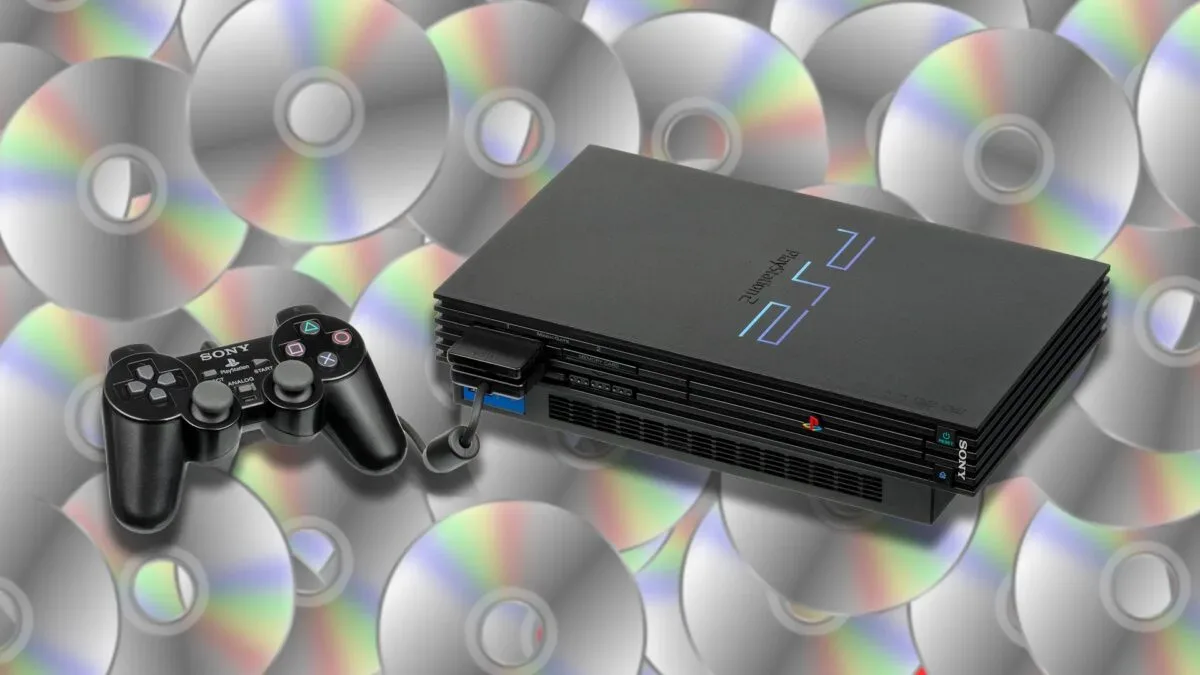
Related debates are appearing across PlayStation-era preservation and compatibility efforts. Recent discussion around PS2 and PS3 discs running on modern hardware similarly highlights how technical possibility can renew questions about official support, user ownership and long-term access.
What the Tekken 6 debate does—and does not—show
The project’s popularity is evidence that there remains significant interest in playing Tekken 6, especially under improved online conditions. It is not, on its own, proof that Tekken 6 is broadly preferred to Tekken 8, nor does it demonstrate that players have stopped supporting current releases. Viral conversation naturally amplifies the loudest preferences, including nostalgia-driven ones.
Similarly, fears that the Tekken series will end because of a single community project are concerns expressed by participants, not outcomes established by the available facts. The available information says the package remained active and that no pushback from Bandai Namco had been reported at that point. It does not establish the company’s view, whether it will act, or what any future policy may be.
That uncertainty should make both sides more careful. Fans should avoid presenting their preferred preservation route as automatically consequence-free. Rights holders and communities, meanwhile, cannot assume that a game’s historic availability solves the modern problem of access. A fighting game needs opponents, dependable connections and a shared place to play. When official pathways do not provide those things, players predictably seek alternatives.
A dispute over values, not just latency
Tekken 6’s rollback mod has become a flashpoint because it places several legitimate interests in direct conflict. Players want access to a game and competitive environment they value. Modders want to solve an old technical problem. Critics want creators’ and publishers’ ownership claims to be respected. Others worry about what happens to an active series if unofficial versions become the preferred gathering place.
No slogan fully handles those tensions. “Preservation” does not erase questions about copyrighted material and distribution. “Piracy” does not answer every concern from people who cannot buy an old game officially or use its original online services. And rollback netcode, for all its technical appeal, is not merely a quality-of-life feature in this context; it is the reason a dormant game can suddenly feel viable again.
For the fighting-game community, the immediate lesson is that online technology can revive more than a player base. It can revive unresolved disagreements about who gets to keep an old game alive, on what terms, and whose definition of support should carry the most weight.