Sony will not have a product showcase at CES 2027. The company has said that neither it nor its affiliates plan to present products at the January event, ending a long run in which Sony press conferences were a familiar part of the annual consumer-tech calendar.
For PlayStation fans, the immediate takeaway is less dramatic than it may sound: Sony is still making gaming hardware, and the PlayStation business is still expanding its accessory lineup with monitors, headphones and speakers. What is changing is the venue. CES will no longer be a dependable place to expect Sony’s broadest statement about devices, media and the technologies sitting between them.
The decision also arrives amid a wider repositioning. Sony says it is giving greater attention to entertainment—including games, anime, film and music—along with its intellectual property and technology that supports creators. That does not mean games are being deprioritized. Rather, it suggests Sony is concentrating its public-facing efforts on the parts of its business where games are one piece of a larger entertainment ecosystem, instead of treating a January electronics expo as the central stage for everything it does.
No Sony product presentation at CES 2027
CES has traditionally offered a highly visible setting for television makers, audio companies, computing brands, automakers and other technology businesses. Sony’s absence from the 2027 edition means attendees should not expect a Sony-run showcase or affiliate product displays as part of the company’s CES strategy.
That clarification matters because a CES appearance can mean several different things. A company may host its own press event, operate a booth, place an individual product on a partner’s stand, or simply be discussed as part of the show’s wider news cycle. Sony is specifically saying that it and its affiliates do not plan to show products at the event. It is a much clearer withdrawal than merely skipping a headline presentation.
Sony did not have its own booth at CES 2026 either, although a prototype Afeela electric vehicle developed with Honda appeared on the show floor. Sony Honda Mobility later dropped that EV project, with the two companies saying they would review the direction of their joint venture. That recent context makes the 2027 decision look less like a sudden one-off and more like a continuing re-evaluation of where Sony puts its event energy.
What the shift means for PlayStation
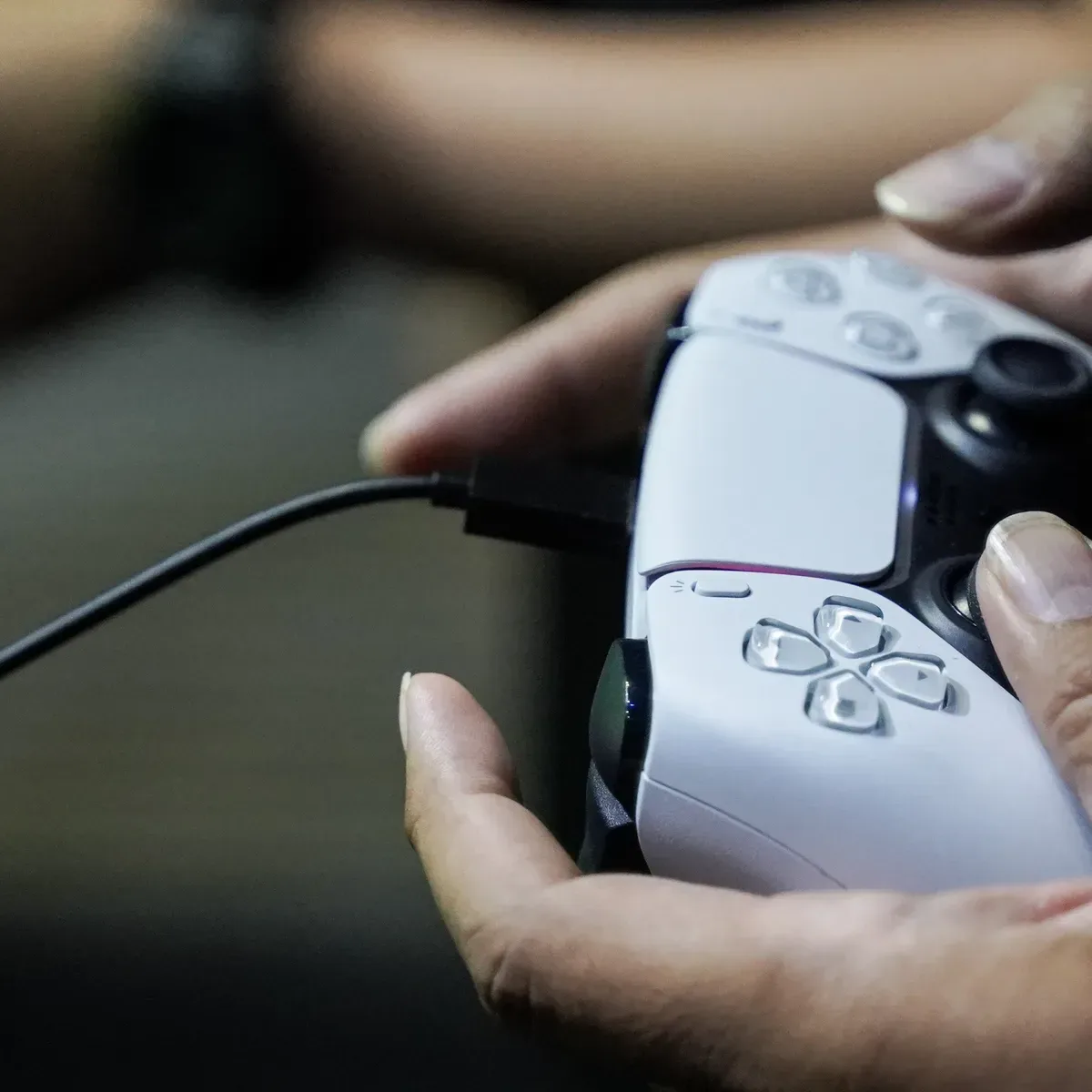
There is no indication here that Sony is stepping away from gaming devices. PlayStation remains a major part of the company’s entertainment focus, and its hardware presence now reaches beyond consoles and controllers. Sony has been expanding the PlayStation-branded peripheral range into monitors, headphones and speakers.
Those categories are useful examples of why a CES exit should not be mistaken for a hardware exit. A peripheral is an accessory that works alongside a core device: in this case, products that can shape the way players see, hear or interact with games without being the console itself. Gaming monitors emphasize display performance for play, while headphones and speakers address the audio side. Sony can continue to develop and market all of those products without committing to an enormous general-purpose show-floor presence every January.
For people tracking PlayStation announcements, the practical change is simple: CES is no longer a venue to watch for Sony’s next major reveal. Future news could instead be shared through a dedicated PlayStation presentation, an individual product event, a corporate announcement or another format chosen for the particular project. The company’s statement is about CES 2027; it does not lay out a replacement event schedule.
That uncertainty especially matters around next-generation-console speculation. A PlayStation 6 announcement in 2027 remains conditional, not confirmed. But if Sony does unveil such a system next year, CES will not be where it happens. Avoid treating the CES decision as evidence that a new console is imminent, delayed, or attached to a particular launch plan. The available information establishes only that CES is off the table for a Sony product introduction.
Players considering today’s hardware should therefore separate an event-strategy story from a buying-strategy story. Nothing in Sony’s CES decision changes the stated existence of its gaming-device and peripheral efforts. Nor does it provide a date, specification, price, release window or feature list for any future PlayStation platform. For a practical primer on tracking hardware costs rather than guessing from event calendars, see our guide to using Alexa price alerts and Auto Buy for games, headsets and hardware.
Entertainment and IP are at the center
Sony’s emphasis on entertainment, intellectual property and creator-supporting technology puts games in a broader corporate picture. Intellectual property, commonly shortened to IP, refers to the characters, stories, names, worlds and other creative assets a company controls. In games, an IP may extend beyond a single release into sequels, adaptations, music, merchandise and partnerships.
That is why Sony’s stated priorities are closely related rather than competing categories. Games, anime, movies and music can all be entertainment products, and they can all connect to recognizable IP. A company organized around that mix may prefer to reveal a specific game, screen project, musical initiative or creative tool in a setting designed for its intended audience, rather than fitting it into a sprawling electronics presentation.
The mention of technology for creators is significant, too. “Creator technology” is a broad label, and Sony has not used this CES decision to announce a particular product or service. In plain terms, it refers to technology meant to help people make professional or creative work. The key point is strategic: Sony is describing its future priorities in terms that include creative production and entertainment as well as conventional consumer gadgets.
That framing helps explain why the news should not be reduced to “Sony is leaving tech.” Sony is adjusting the way it communicates and appears at events while explicitly naming games as an area of emphasis. The company’s priorities appear to be moving toward entertainment-led messages and the technologies that serve those businesses.
A smaller consumer-device footprint provides context
Sony’s CES move follows other changes to its consumer-electronics posture. The company has stepped back from television hardware by handing control of the Bravia brand to TCL. Bravia has long been associated with Sony televisions, so the decision is a notable sign that Sony is not trying to maintain the same role across every mainstream device category.
It would be a mistake, however, to apply that television development directly to PlayStation. The supplied details distinguish the two: Sony has reduced its role in some consumer-tech areas while continuing to make gaming devices and expand PlayStation peripherals. The more accurate reading is selective focus, not a blanket retreat from physical technology.
There is also a communications lesson in the decision. Large trade shows are expensive, demanding and necessarily broad. A company with businesses as varied as games, music, film, anime and creator technology may gain more from targeted appearances than from assembling every message around a single annual consumer-electronics event. Sony has described its process as a continuous strategic evaluation based on the needs and priorities of its diverse business.
That statement is not a promise about what comes next, but it does set expectations for how to interpret future absences or appearances. A missing CES booth is no longer an oddity in isolation. It is consistent with a company that evaluates events by whether they suit the relevant business rather than by whether tradition says it should be there.
What not to infer from the CES exit
- It is not a confirmation of PlayStation 6. The prospect of an announcement next year remains hypothetical.
- It is not a PlayStation shutdown signal. Sony continues to make gaming devices and is growing its monitor, headphone and speaker offerings.
- It is not proof that Sony will never attend CES again. The announced plan concerns the 2027 event, while Sony says it continually evaluates its approach to events and communications.
- It is not a detailed roadmap. There are no new product specifications, release dates, prices or platform plans in the decision.
For now, Sony’s CES absence is best understood as a deliberate change in presentation strategy. The company is steering attention toward the entertainment businesses and IP that it considers central, while retaining gaming hardware as part of that picture. CES 2027 may have one less traditional Sony fixture, but PlayStation news itself is not disappearing—it is simply likely to arrive somewhere else.