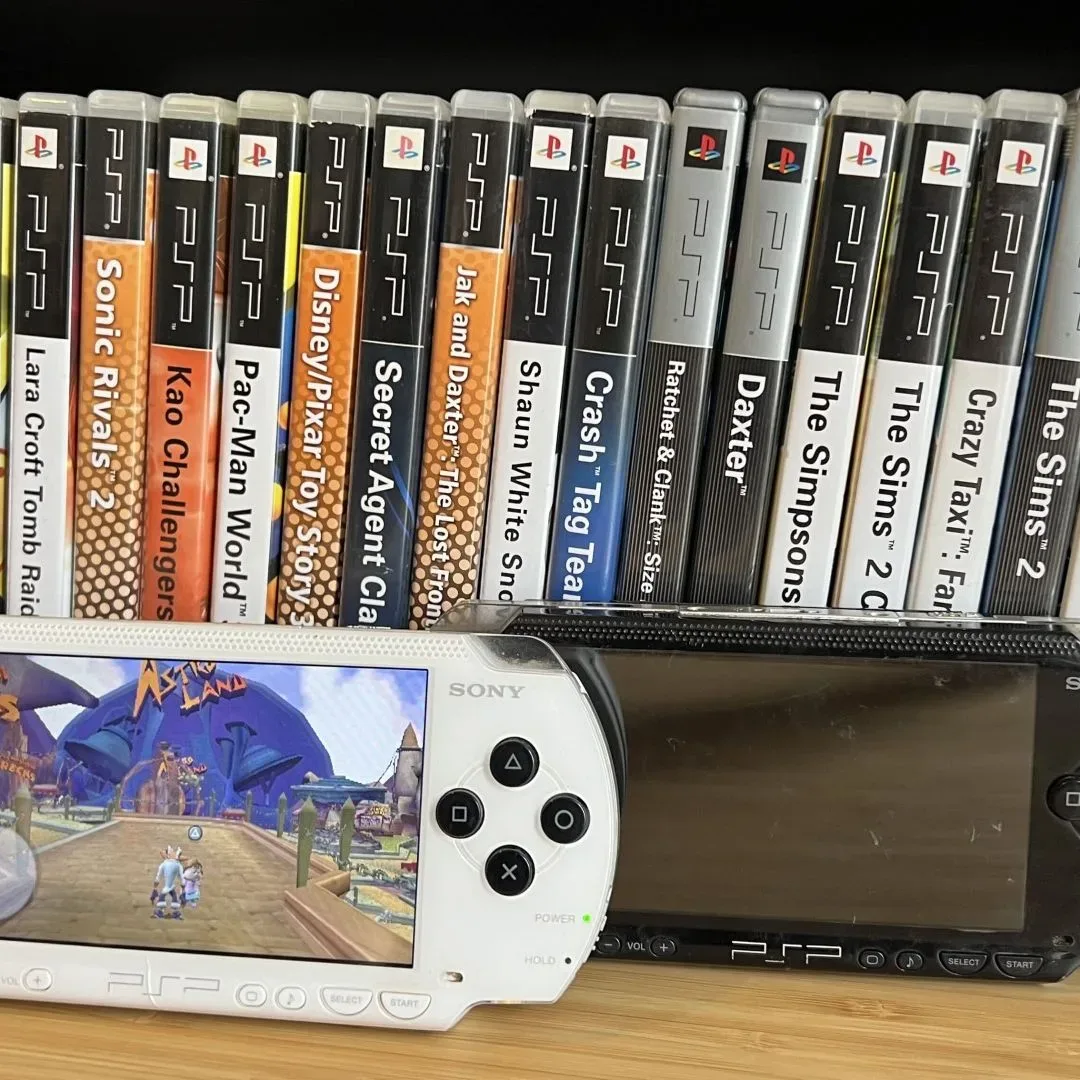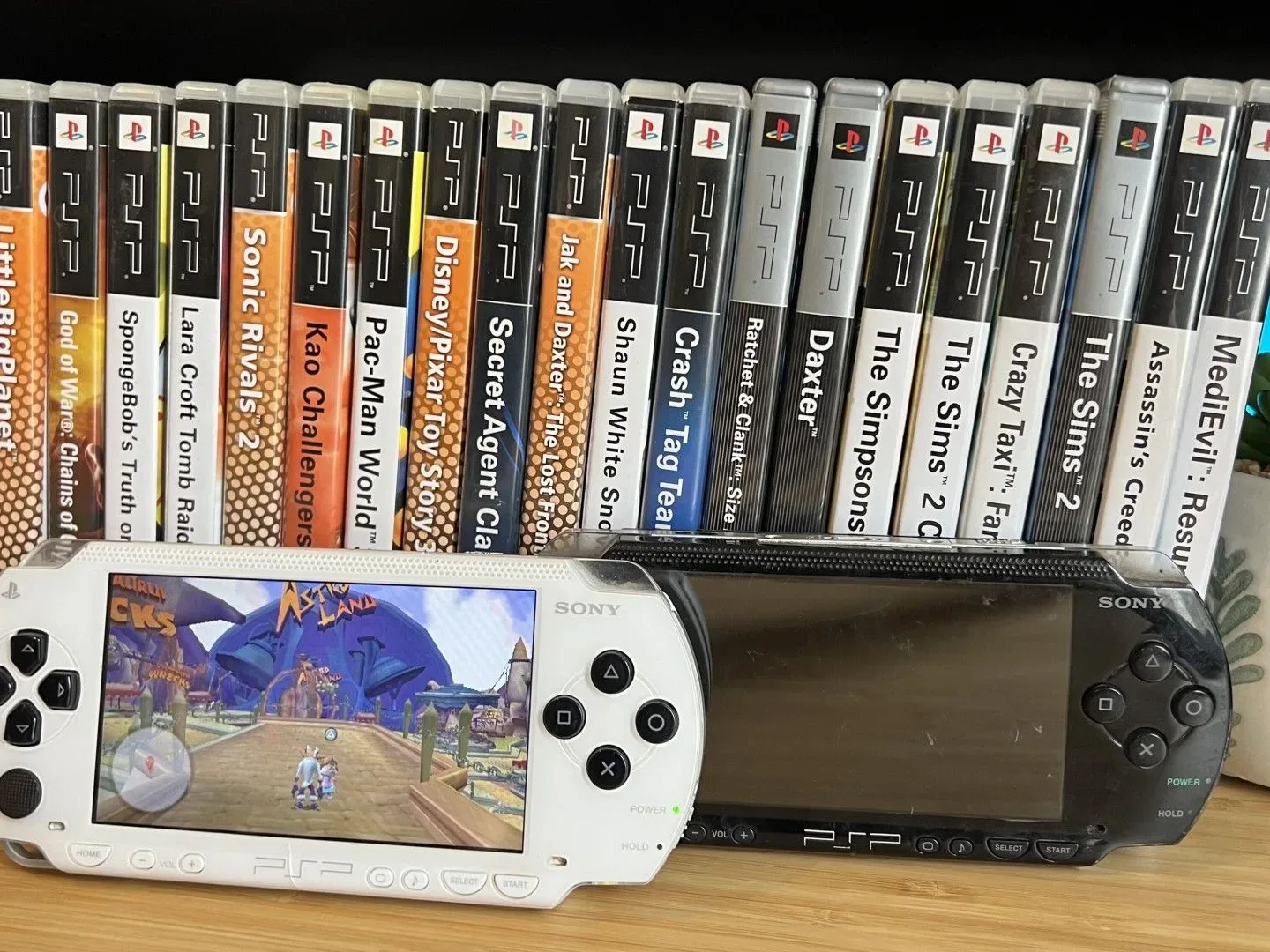
The PlayStation Portable was never merely a side project with a widescreen. In Shawn Layden’s telling, Sony’s first serious handheld challenge landed hard enough that a friend working at Nintendo sent him a terse message after the PSP’s early reveal: “You bastards.” Layden’s answer was friendlier—this was, after all, supposed to be fun and games—but the exchange captures how consequential the device looked at the time.
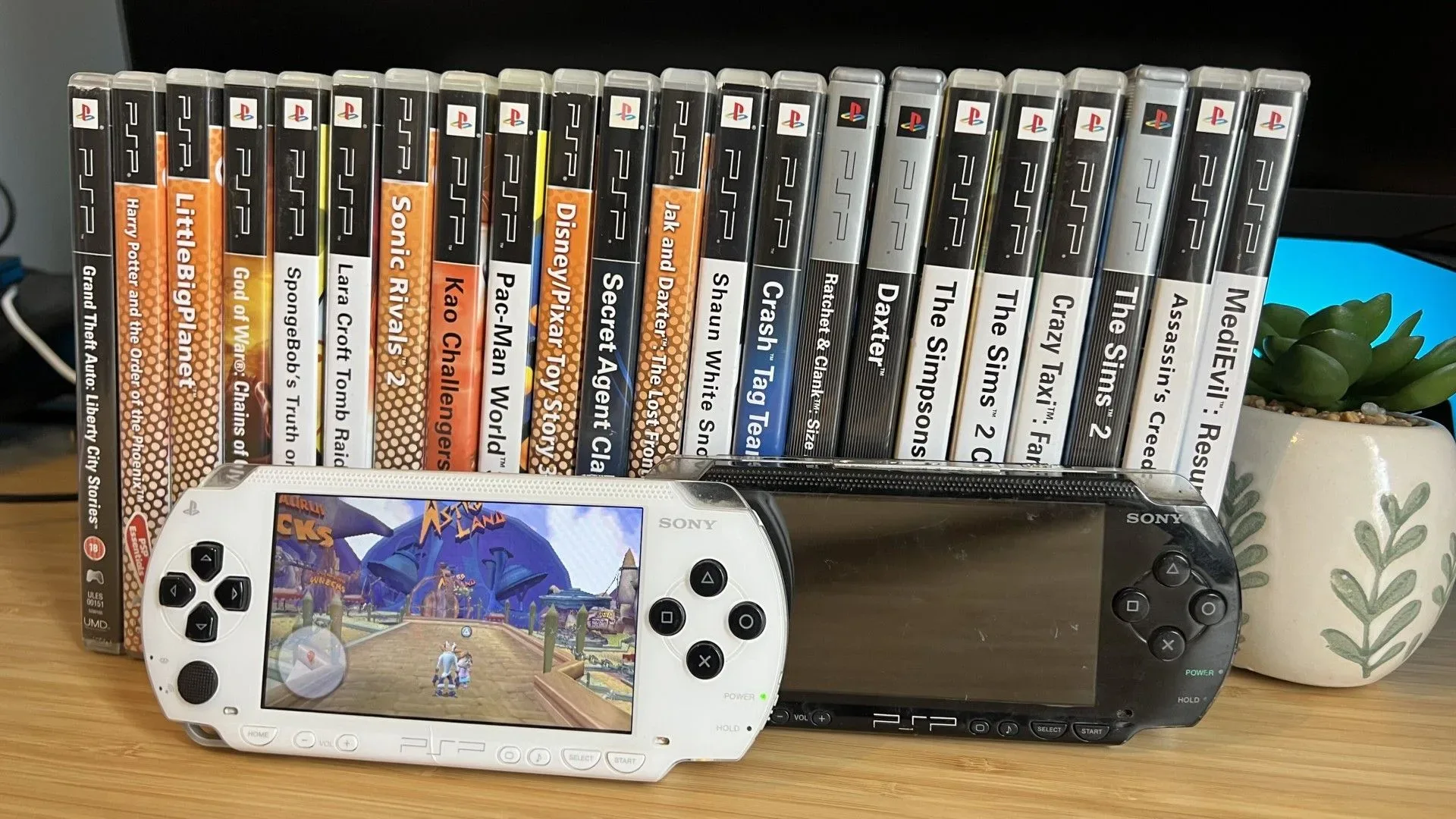
Looking back, the Nintendo DS won the raw sales contest by an enormous margin. The DS passed 154 million units over its lifetime, while the PSP reached 76 million. But treating that outcome as evidence that Sony was never a threat misses the point. The PSP remains the largest-selling non-Nintendo handheld by this measure. It entered a category Nintendo had dominated through Game Boy and Game Boy Advance, and it did so while Nintendo itself was taking a considerable design gamble with two screens and touch controls.
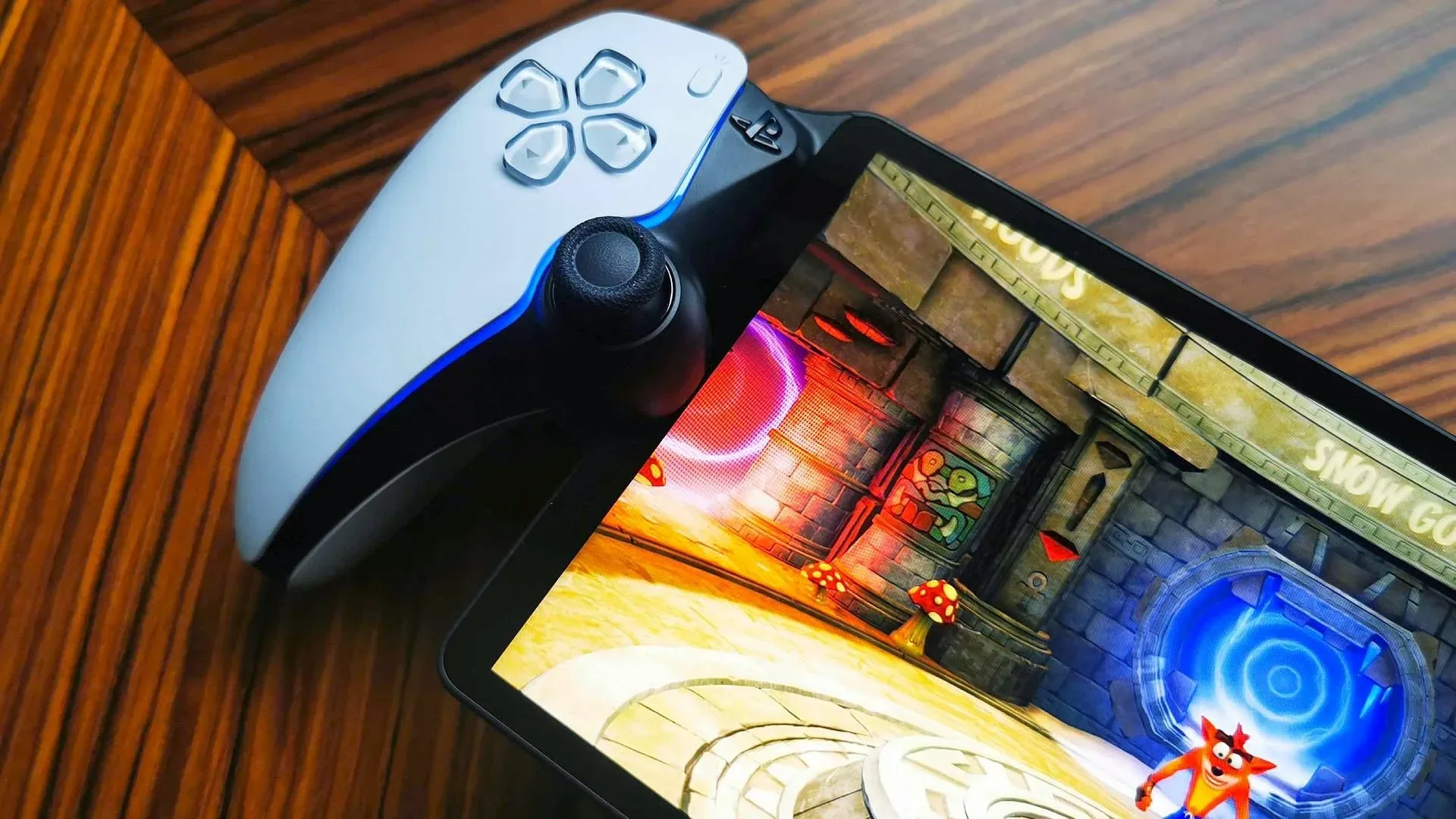
Layden’s recollections are especially relevant now because discussion of a possible PlayStation 6-era handheld has intensified. There is no confirmed product in the material here, and any such device remains rumor rather than a declared plan. What Layden offers is not a blueprint for an unannounced machine, but a useful account of the awkward trade-offs that come with operating a portable platform alongside a major home console.
Why the PSP could provoke that reaction
Nintendo was the established handheld leader when the DS appeared. Its Game Boy family had sold hundreds of millions of systems, and the category’s history gave competitors every reason to be cautious. A portable is not just a smaller console: it needs games that fit intermittent use, hardware that feels worth carrying, and a commercial model that persuades publishers, retailers and players that it will have a long life.
The PSP made the prospect of competition feel more immediate because it positioned PlayStation inside a space Nintendo had long owned. Layden could not pin down the exact year of the first showing in his recollection, offering a range of 2003 through 2005, but the emotional detail is clearer than the date: Nintendo employees understood that Sony’s arrival mattered.
That does not mean the PSP and DS were attempting identical strategies. The DS ultimately broadened its audience, including more casual players, while its touch interface and dual-screen layout gave developers a distinctive set of tools. The PSP, by contrast, carried the appeal of a portable PlayStation identity. Their sales totals show Nintendo’s scale, but Sony’s 76 million systems also show that a rival could build a substantial audience in a market often viewed as Nintendo territory.
Sales alone did not settle the PSP’s business problem
Layden described a sharp complication behind the PSP’s respectable hardware result: its operating system was hacked and the device could be jailbroken with relative ease. Jailbreaking means bypassing restrictions imposed by a device maker’s software so that users can run unauthorized code or otherwise operate outside the intended system. It can be used for many purposes, but in this case Layden connected it directly to widespread piracy.
Piracy, in this context, is the unauthorized copying or distribution of games. The key commercial distinction is between selling a handheld and selling software for it. A platform holder may move a lot of hardware yet still face a damaged software business if players can obtain games without buying them. Layden’s point is that PSP adoption did not automatically translate into the game sales Sony needed.
Related coverage includes Shawn Layden Recalls Nintendo's Blunt Response to PSP Reveal.
That distinction matters whenever old hardware numbers are used as shorthand for success or failure. Seventy-six million PSPs is a major installed base—the number of people who own and can potentially buy software for a platform. But an installed base is an opportunity, not a guarantee of revenue. For publishers, the value of a platform depends on whether its players purchase games. For the manufacturer, it also depends on whether the platform can sustain marketing, developer support and future hardware investment.
In Layden’s version of the story, Monster Hunter became the crucial counterweight. Its cooperative play gave people a social reason to persuade friends to buy both a PSP and a copy of the game so they could hunt together. This is a classic network effect: the value of joining rises when people in a player’s circle already participate. A solo game may convince one person to buy a device; a co-op game can turn a friend group into a reason for several purchases.
The significance is not simply that one game was popular. The co-op structure linked hardware ownership to real-world groups. Someone who wanted to take part had an incentive to own compatible equipment and the game itself. In a system dealing with easy unauthorized access to software, a game with a strong shared-play pull could help create a healthier reason to buy in legitimately.
Layden’s warning is about focus, not just technology
The former PlayStation executive’s biggest concern about a new portable is organizational. He argued that Sony has historically struggled to market two platforms at once. He pointed to a period when the PS3 was under pressure while the PSP was succeeding, then described the reverse sort of tension: the Vita was doing well, but the PS3 improved its position. There are only so many marketing dollars, he said, and spreading them across a console, a handheld and software can blur priorities.
This is a less glamorous issue than processor performance or screen quality, but it may be the harder one. A portable cannot thrive only because it exists. It needs a clear message explaining who it is for, why its games matter, and how it relates to the console business rather than competing for attention against it. Marketing resources are not just advertising money; they represent placement, promotional timing, retail visibility and the internal attention necessary to keep a product from becoming an afterthought.
Layden went as far as suggesting that a returning handheld effort might need a separate company or similarly dedicated organization so it could have an undivided focus. That is an argument about incentives. If one team’s success depends on a handheld, it has more reason to protect that device’s identity. If the same budget and leadership must solve several product problems at once, the urgent needs of the home console may understandably take priority.
It is not an automatic case for separation, and Layden did not present it as one. His core requirement was more basic: Sony would need to decide what it wants a new platform to be before launching it. The PSP and Vita show how quickly a portable’s purpose can get muddled when hardware ambition, software strategy and corporate attention pull in different directions.
Vita’s lesson: portable does not automatically mean console-like
Layden also revisited the philosophy behind the Vita. Sony expected the appeal to be obvious: a console-style experience that could be carried anywhere. In retrospect, he concluded that many players chiefly want a good handheld experience on a handheld, not necessarily a direct replication of the living-room model.
That observation needs a little unpacking. A handheld-friendly experience does not necessarily mean a small or simple game. It means a game that works well with the rhythms and constraints of portable play: picking up the device quickly, stopping without too much friction, reading the screen comfortably, and feeling satisfying in shorter sessions. Those qualities can exist in enormous games, but they are not guaranteed merely by shrinking a console experience onto a portable display.
The current portable PC market complicates the old distinction. Steam Deck and Nintendo Switch have found success with the promise that players can take familiar home-style experiences with them. Layden’s reflection does not deny that appeal. Instead, it cautions against assuming that technical portability alone defines a good handheld library.
The examples cited from Steam Deck’s most-played charts make the distinction visible. Major broadly popular games such as The Witcher 3 and Diablo 4 appear, but portable-friendly titles including The Binding of Isaac and Balatro have stronger representation there than they do on Steam’s overall charts. That suggests the audience is not choosing only on prestige or scale. Session structure and the comfort of playing on a handheld can be just as important.
That is an analytical reading of the examples, not proof that every player wants the same thing. People plainly use handheld hardware for large games as well. But it supports Layden’s narrower claim: portable platforms must be considered on their own terms. A future PlayStation handheld, if one ever arrives, would need a clear answer to whether it is a companion to console gaming, a fully independent platform, or a device designed around a blend of both.
What a future PlayStation portable would have to resolve
For players, the headline-worthy part of this story is the salty Nintendo text. The more durable takeaway is that the PSP era contained both evidence of demand and evidence of risk. Sony proved it could sell a handheld at meaningful scale. It also confronted the consequences of compromised software security and the challenge of sustaining two hardware messages at once.
- Software security: Easy jailbreaking can alter the economics of a platform even when hardware sales are strong.
- Social software: Co-op games such as Monster Hunter can make a device more compelling because players bring friends into the same ecosystem.
- Platform identity: A portable needs a reason to exist beyond being a smaller version of a console.
- Business focus: Supporting a home system and handheld simultaneously can force difficult choices over promotion and attention.
There is also a wider context for PlayStation’s console priorities. Current marquee releases still anchor how audiences understand the brand, as seen in this look at a major console action release. A portable strategy would have to complement that kind of high-profile console conversation without being swallowed by it.
Layden’s own conclusion is deliberately cautious. Before starting another platform, he believes the company must decide what it wants to be. That may sound abstract, but the PSP, DS and Vita comparisons make it concrete. Hardware capability matters. Unit sales matter. Games matter. Yet a handheld’s fate can turn on the less visible question of whether the company behind it has a focused plan for why players should carry it, buy for it and keep returning to it.