PlayStation is putting on a two-part presentation day on Thursday, September 3, 2026, with a standard State of Play followed immediately by State of Play Japan. For anyone who treats showcase calendars like a sacred spreadsheet—or who simply wants to know when to have a second screen ready—this is a notably busy setup. The main broadcast has one confirmed closing game, Final Fantasy 7 Revelation, while the Japan-focused follow-up is intended to spotlight games from studios across Japan and Asia.
The first presentation begins at 6 a.m. PT / 9 a.m. ET / 2 p.m. GMT. State of Play Japan starts when that main event ends, rather than at a separately announced clock time. Sony has not confirmed the running time for either broadcast, which means viewers may want to approach the morning or afternoon with the sort of scheduling flexibility normally reserved for an RPG boss fight that unexpectedly has three forms.
Both shows will stream simultaneously through PlayStation’s YouTube and Twitch channels. There is no stated platform-exclusive wrinkle to solve here: pick the service that behaves best on your device, settle in, and perhaps keep expectations in a sensible carrying case.
When and where to watch PlayStation State of Play
- Date: Thursday, September 3, 2026
- Main State of Play start time: 6 a.m. PT / 9 a.m. ET / 2 p.m. GMT
- State of Play Japan: Begins directly after the main broadcast
- Streams: PlayStation’s official YouTube and Twitch channels
With no official duration attached to the two-show package, there is room for several outcomes. September’s main State of Play last year ran for about 40 minutes, and a November State of Play Japan presentation also landed around the 40-minute mark. That history does not guarantee an 80-minute combined program this time, however. PlayStation has also held hour-long events in February and June of 2026, so a longer overall viewing block remains possible.
The distinction matters because the back-to-back structure could give each broadcast a different job. The main show can handle broadly marketed PlayStation news and a major finale, while the second can spend more focused time with developers and releases tied to Japan and the wider Asian market. Splitting the format may also prevent one huge presentation from becoming a trailer endurance test where every logo begins to look like it is asking for a snack break.
Final Fantasy 7 Revelation is the confirmed closer
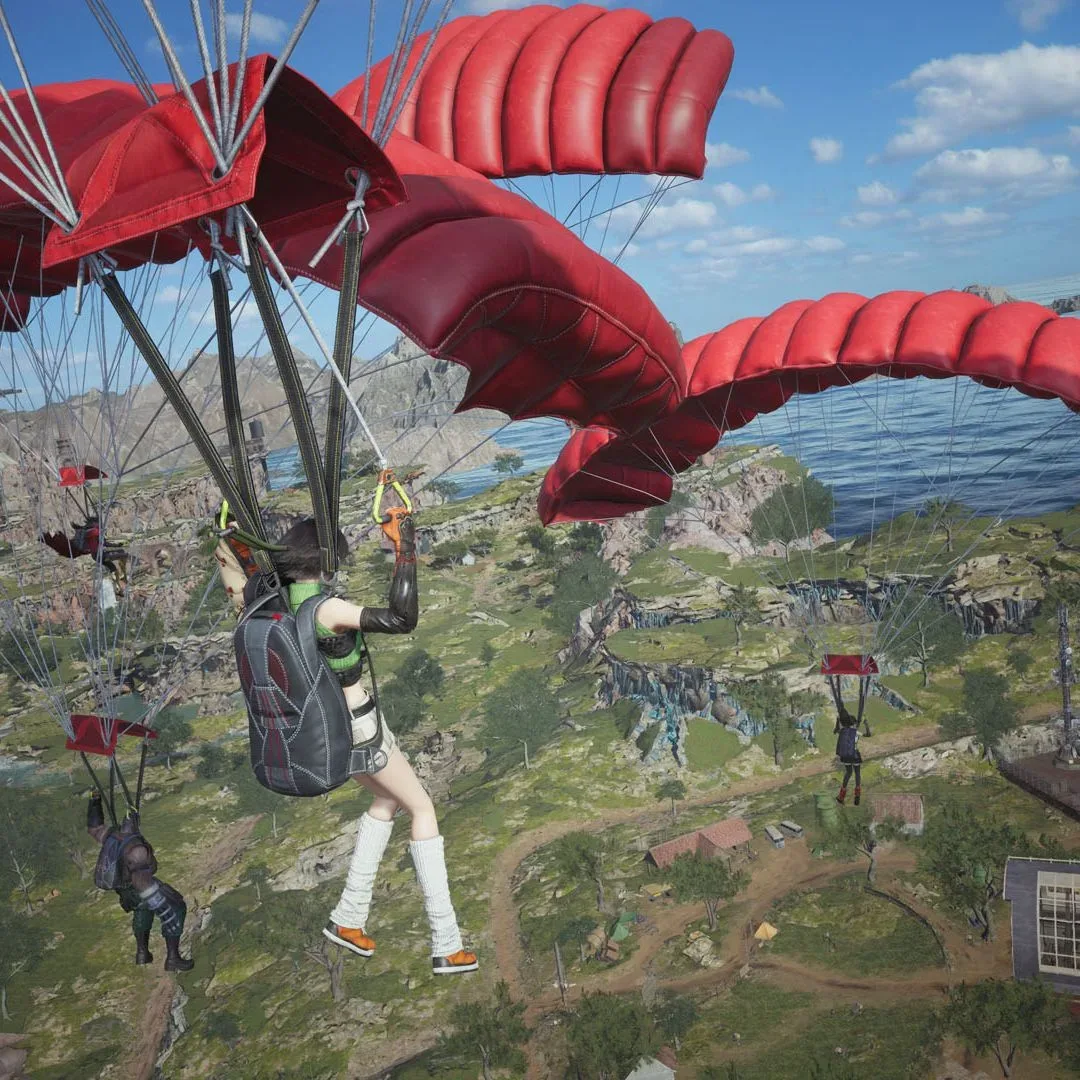
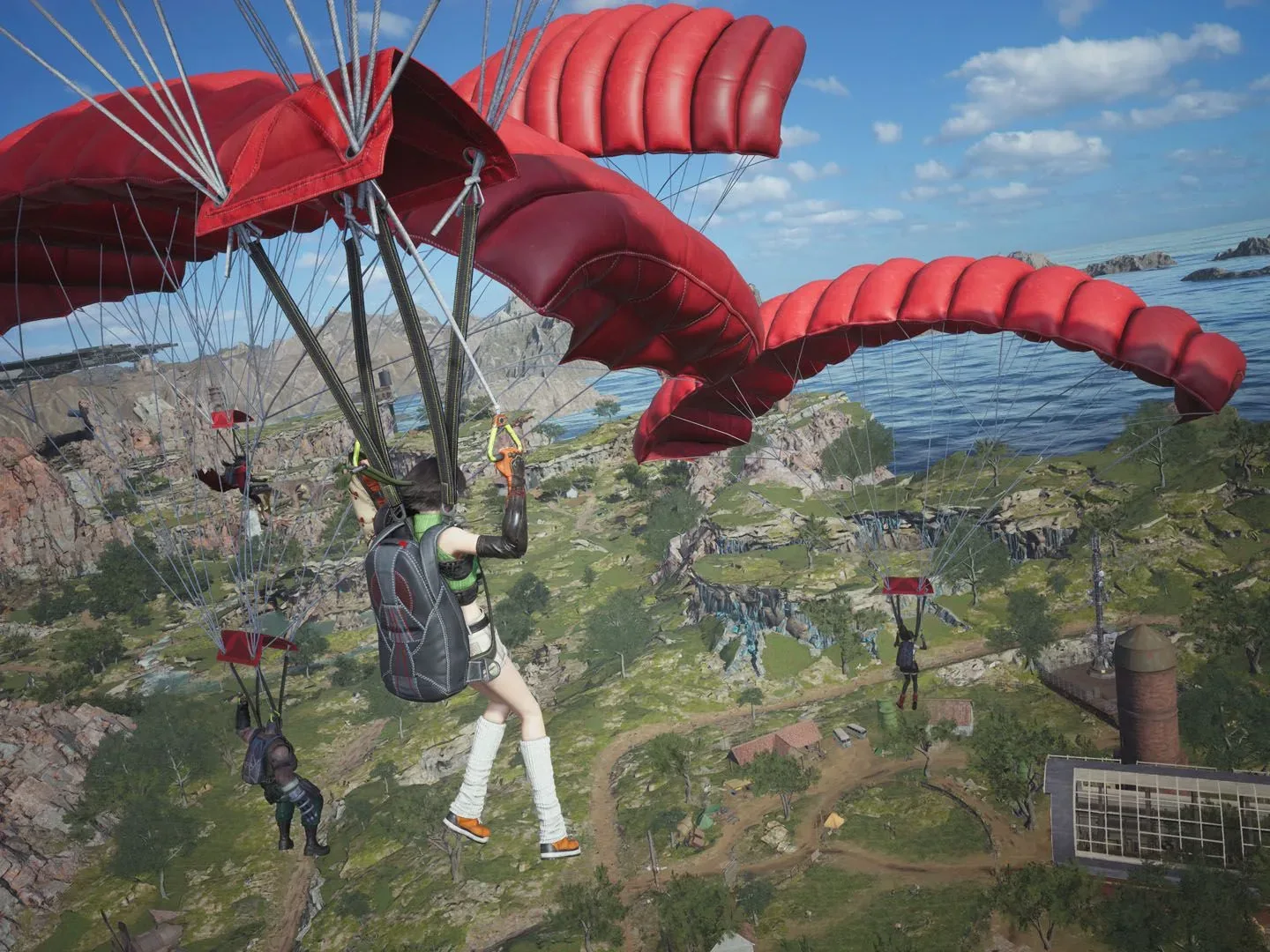
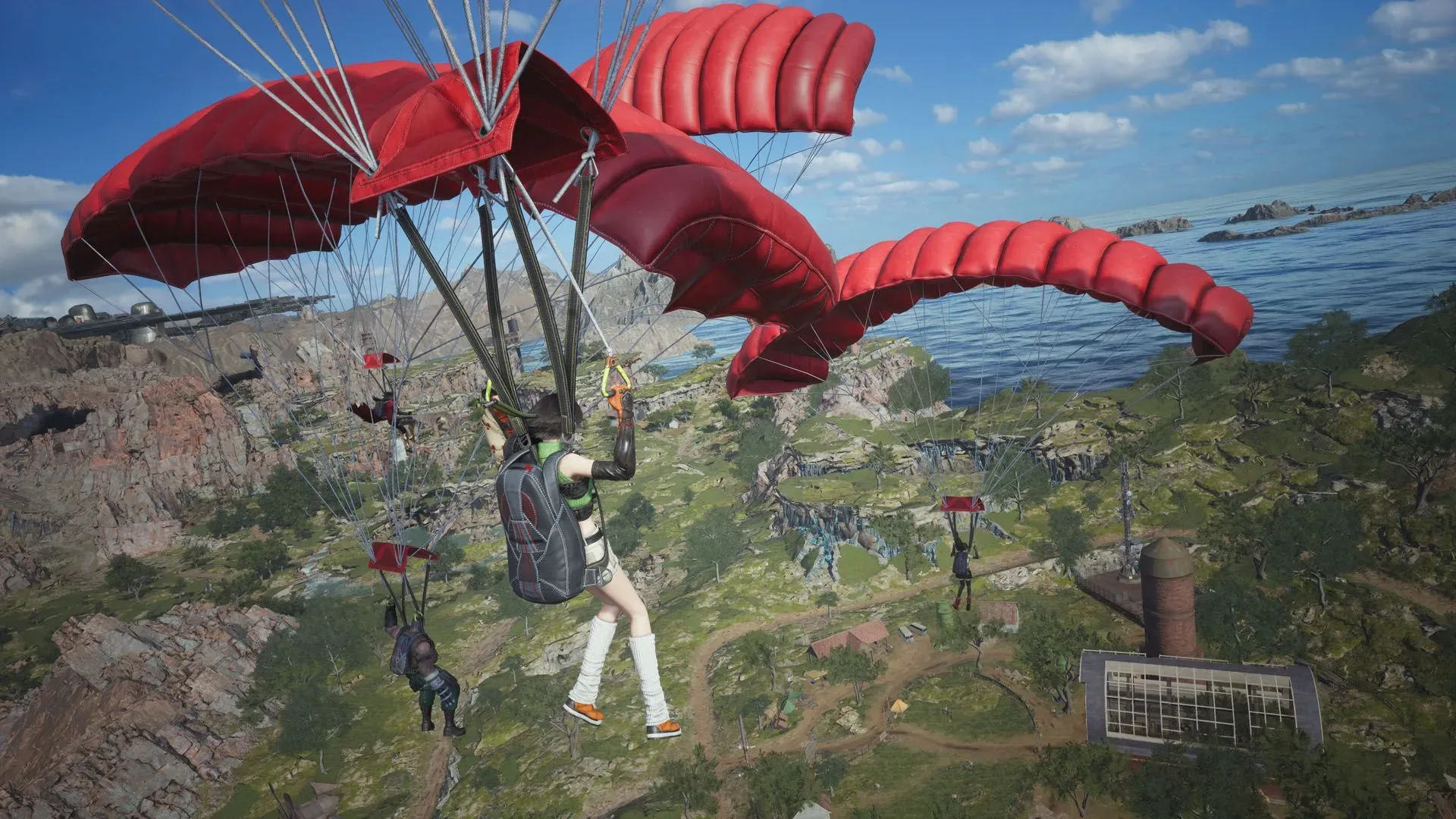
The one game confirmed ahead of the main State of Play is Final Fantasy 7 Revelation, which is set to close the first broadcast. That positioning makes it the clearest anchor for the event and naturally raises expectations for a more substantial update than a brief appearance.
Square Enix showed its next major release at Gamescom the previous week, though that glimpse was relatively short. The September State of Play therefore presents an opportunity for a longer trailer, more gameplay context, or clearer detail about the project’s direction. None of those specifics have been promised, so viewers should separate the confirmed fact—Revelation closes the main show—from the very understandable desire to see more of it.
As a showcase finale, the game has a lot of narrative weight before a frame even plays. Final slots are generally where platform holders place the reveal designed to send viewers into post-show analysis mode, pausing footage to identify menu details, party members, suspiciously familiar locations, and whether a particular sound effect means anything at all. Sometimes it means everything. Sometimes it means a door opened. This is the ancient risk of trailer archaeology.
What State of Play Japan is meant to cover
State of Play Japan will follow the main program and is described as a presentation with deeper looks at upcoming games from Japanese and Asian studios, including gameplay, announcements, and more. The timing is especially fitting with Tokyo Game Show approaching later in September. Rather than making viewers hunt for regional announcements across unrelated publisher streams, PlayStation is giving this material a dedicated place on its schedule.
Last year’s State of Play Japan included news connected to companies such as Capcom, Sega, Square Enix, and Bandai Namco. That prior lineup does not confirm any of those publishers for this year’s edition, but it does indicate the kind of heavyweight presence the format has been able to attract. It also makes the second show worth treating as more than an aftershow bonus. Depending on the announcements, it could be the part of the day with the greatest concentration of new game information.
For players who enjoy following how regional showcases differ from global ones, the format is also appealing on its own terms. A tightly themed event can make room for games that might receive only a quick montage appearance in a larger presentation. It can also give gameplay segments more breathing room, a rare and cherished resource in an era when trailers sometimes cut away just as someone has located the jump button.
The presentation’s focus on Japan and Asia also arrives at a moment when the industry’s calendar is increasingly built around clusters of announcements rather than one giant seasonal stage. For a wider look at how evolving technology and shared digital spaces are shaping entertainment showcases, see this look at immersive media’s push toward smarter, more social experiences.
Games that could appear, but are not confirmed
Beyond Final Fantasy 7 Revelation, the rest of the main showcase remains uncertain. Rayman Legends Retold, Star Wars Galactic Racer, and Control Resonant are among the upcoming games that feel like plausible candidates for an appearance. At present, though, these are expectations rather than confirmed inclusions. They should be filed under “reasonable guesses,” not “prepare the victory tweet.”
That uncertainty is central to the State of Play formula. Sony has revealed only one game in advance, leaving the audience to scan release calendars, publisher relationships, prior trailers, ratings-board sightings, and the general phases of the moon. Surprise announcements are possible, but there is no confirmed Sony first-party reveal attached to this event. It is sensible to expect the announced finale and the Japan-focused programming rather than assume every dormant favorite franchise has suddenly remembered its password.
Still, viewers who enjoy the social ritual of a reveal stream may find plenty to appreciate even without a personally targeted announcement. Watching a packed chat react in real time can be chaotic, funny, exhausting, and occasionally so fast that language itself becomes theoretical. The couch-multiplayer equivalent is everybody yelling at the same screen for entirely different reasons; the unwritten rules of couch multiplayer offer a useful reminder that shared gaming excitement has always needed a little etiquette.
Digital ownership may dominate the stream chat
One recurring point of discussion around the broadcast is likely to be physical media and digital ownership. Stream chats are expected to contain plenty of “no disc, no buy” messages, reflecting criticism of Sony’s reported decision to stop physical game production for new games in 2028 and continuing frustration about language surrounding purchases of digital games. The flashpoint is not merely a preference for boxes on a shelf; it is a broader concern over what buyers retain when access is tied to a digital storefront or licensing terms.
The argument can become tangled quickly. Digital distribution provides convenience and immediate access, while physical editions offer a different sense of possession, lending potential, and collection value. Neither side of a fast-moving chat window is likely to resolve the entire future of ownership before the next trailer begins. But the conversation is real, and it will likely sit alongside the spectacle of new games rather than wait politely for the credits.
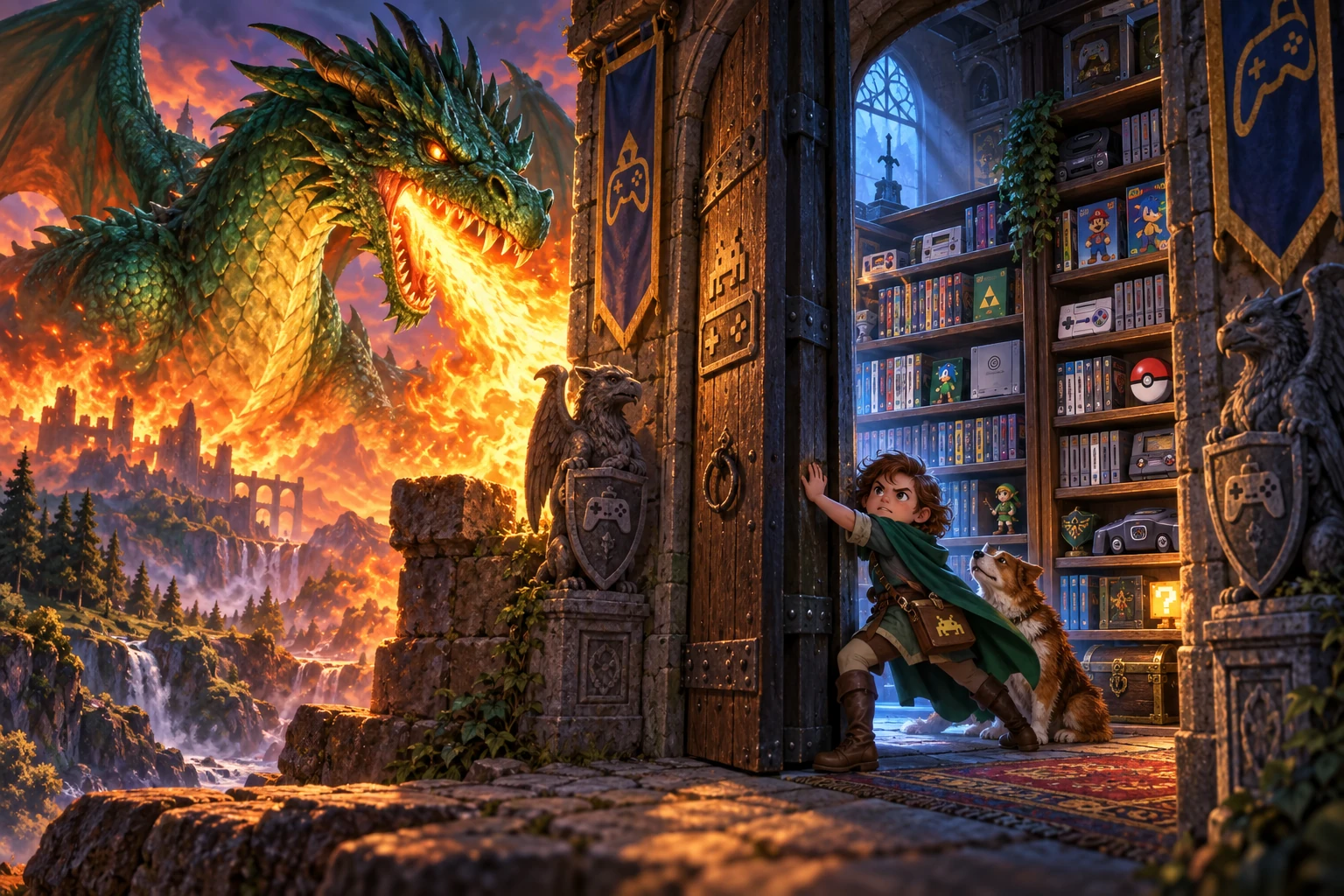
Collectors and players who want the games they own to remain accessible over time will recognize why storage, organization, and playable hardware still matter. A guide to storing retro games so they can still be found and played covers the practical side of keeping a library usable, whether it arrived on a disc, cartridge, or through a download queue that has become alarmingly long.
How to approach the double feature
The most grounded plan is straightforward: tune in at the listed time, expect Final Fantasy 7 Revelation to end the main State of Play, then remain for State of Play Japan if announcements from Japanese and Asian studios are of interest. Do not assume either show’s exact length, and do not treat rumored or hoped-for games as scheduled appearances.
That leaves room for the best possible showcase outcome: clear information, meaningful gameplay, a few genuine surprises, and just enough unanswered questions to keep the discussion alive afterward. If the day delivers that, PlayStation’s two-show experiment will have done its job. If not, there will at least be a very energetic chat trying to negotiate the future of game ownership one all-caps message at a time.