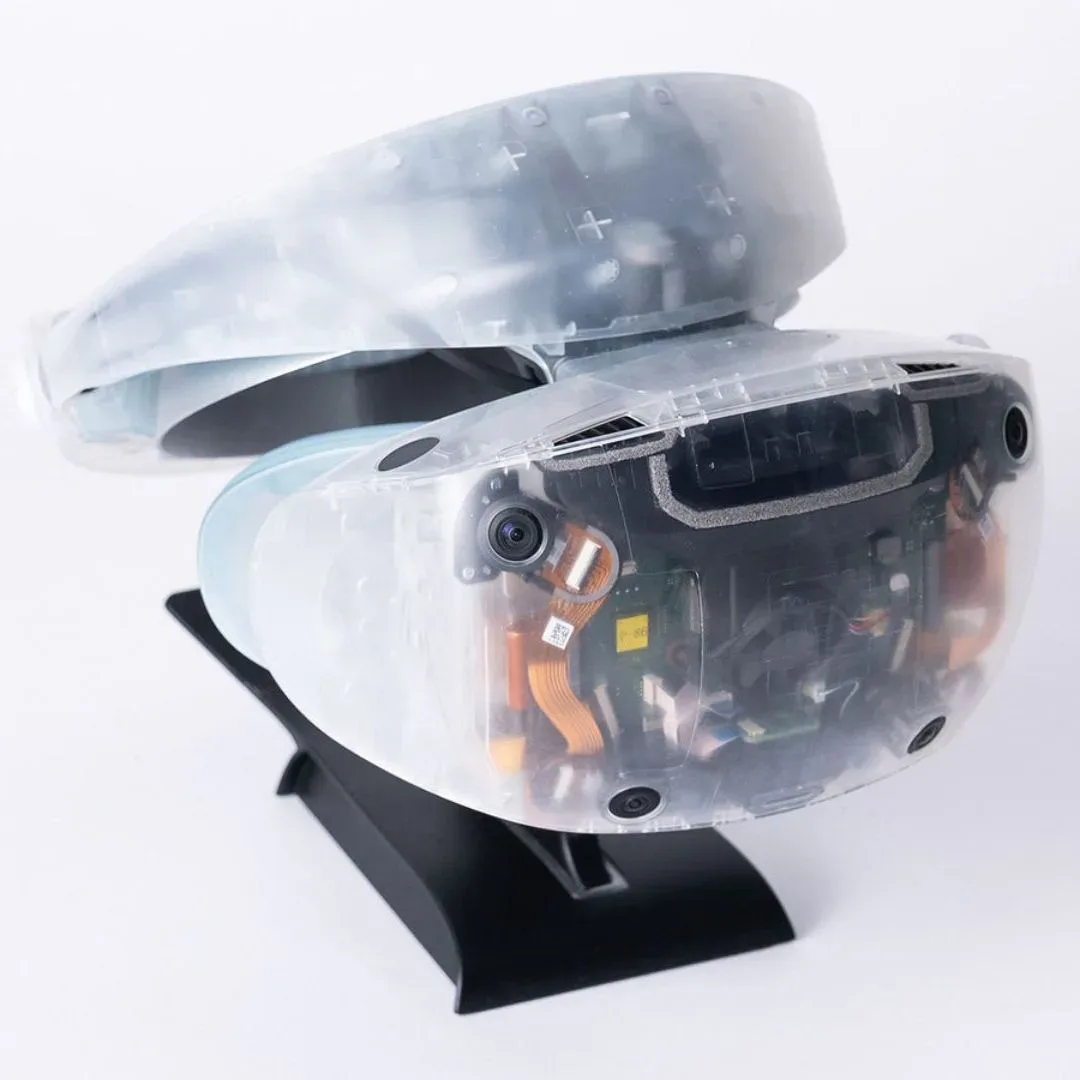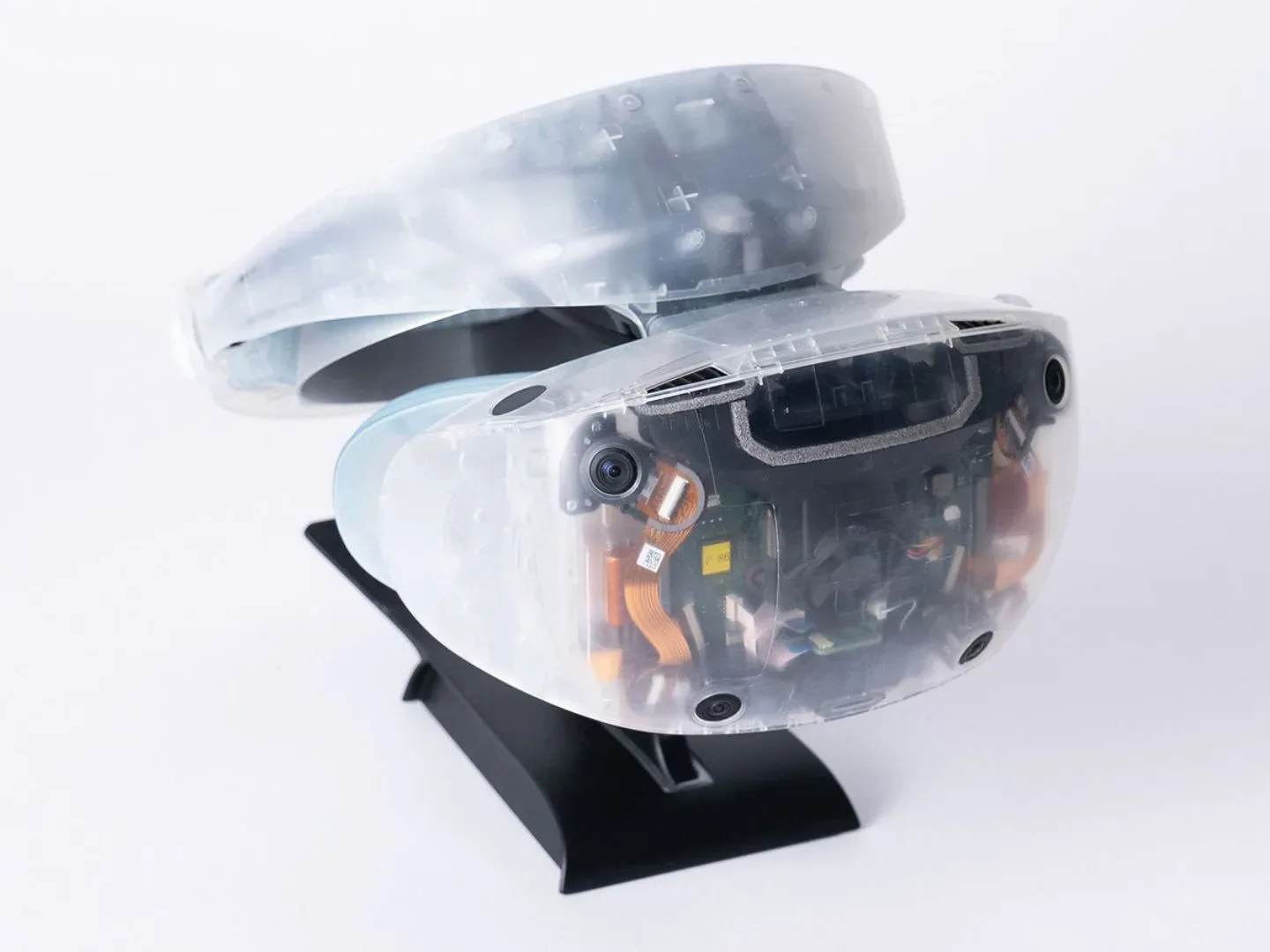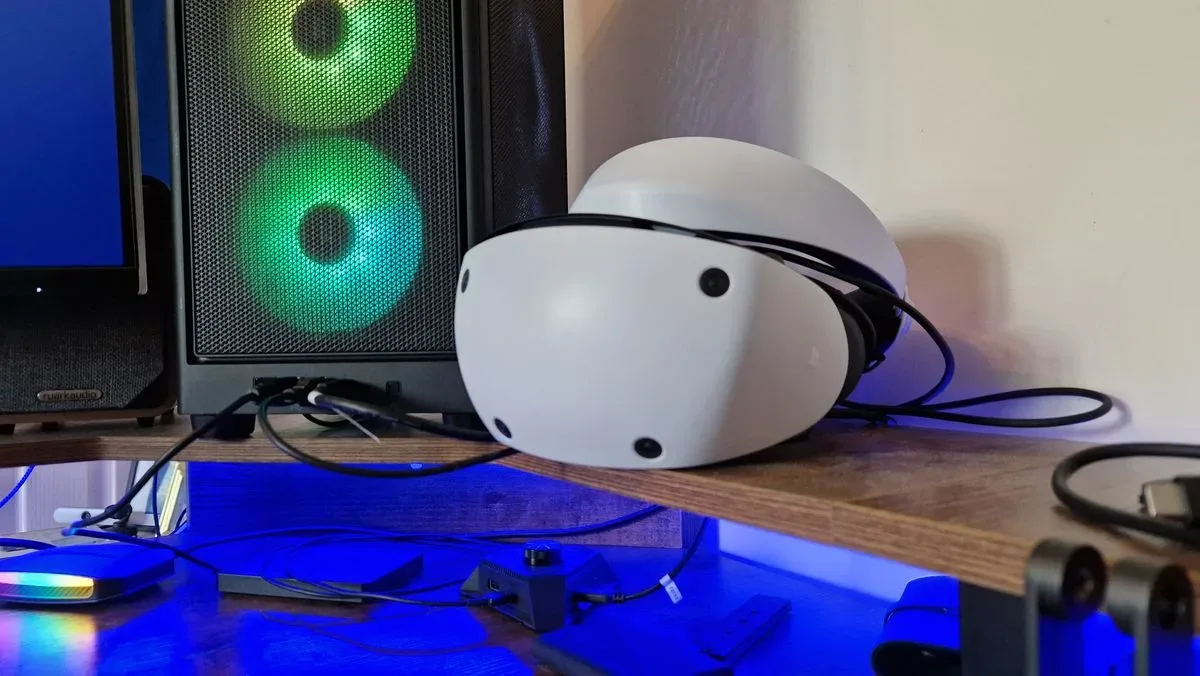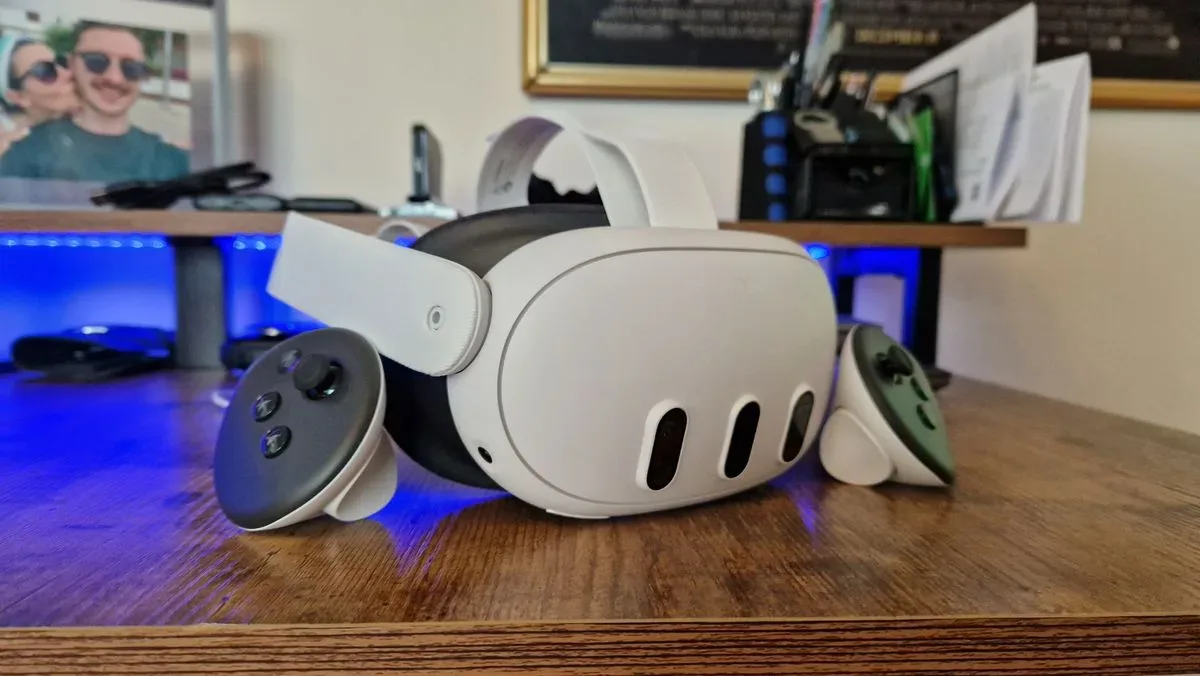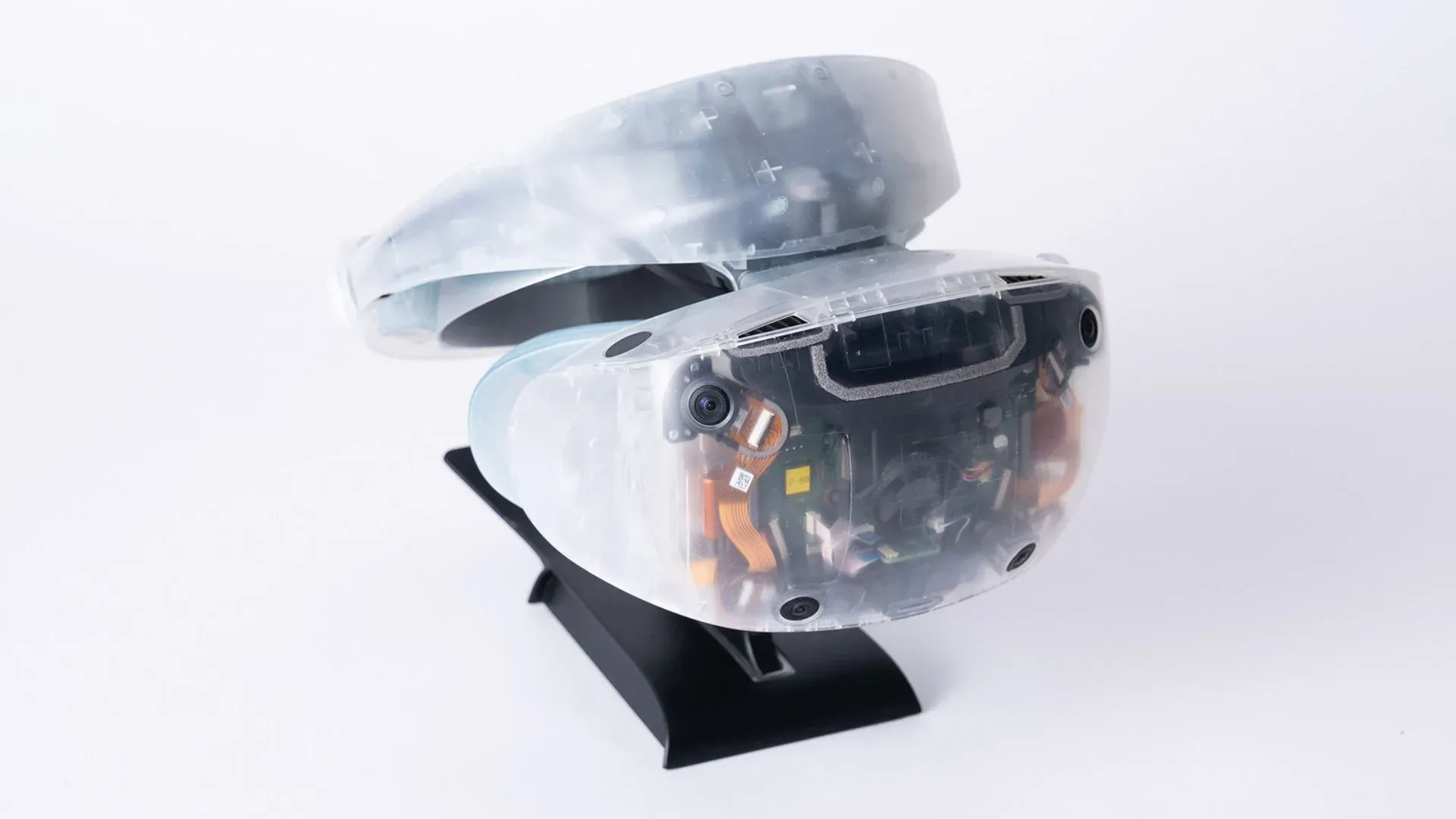
Meta has reportedly acquired 43 U.S. patents in the extended-reality field that were previously held by Sony, a transaction that arrives amid continuing questions over PlayStation VR2 availability and PlayStation’s long-term commitment to virtual reality.
The reported U.S. transfer is part of a larger agreement covering 419 patents across multiple territories. The intellectual property involved includes work connected to head-mounted displays, mixed-reality uses and glasses-style devices, with filings dating from 2010 through 2022.
That is meaningful, but it is not a formal obituary for PSVR 2. A patent sale does not inherently mean a company has stopped making hardware, abandoned a product line or ruled out future research. Patents can cover specific technical approaches rather than an entire device strategy, and companies can continue working in a category without retaining every patent they have filed. Sony has not confirmed that PSVR 2 production has ended.
Still, the timing makes the transaction difficult to view in isolation. PSVR 2, which launched in 2023, has faced low stock levels for months, a limited stream of first-party software after its launch window, and a shrinking VR selection in the PlayStation Plus library. Taken together, those signals do not prove an exit from VR, but they do create a much less confident picture of the platform than its hardware merits alone would suggest.
What the patent transfer does — and does not — establish
XR, or extended reality, is a broad term for technology that includes virtual reality, augmented reality and mixed reality. Virtual reality generally places the user inside a fully digital environment. Mixed reality blends digital content with views of the physical world. A patent portfolio in this area can therefore cover much more than a conventional gaming headset.
The 43 U.S. XR patents reportedly acquired by Meta concern areas such as headset hardware, mixed-reality applications and glasses-type form factors. The larger 419-patent figure spans various territories. That breadth explains why the story should not be reduced to a simple “Meta bought PSVR 2” narrative: the transaction concerns intellectual property, not a disclosed purchase of the PSVR 2 business or its installed user base.
For Meta, the purchase may provide access to technical ideas that can be useful across a wide range of future XR products. For Sony, selling those rights could reflect a narrower approach to assets it no longer considers central to its current plans. Neither conclusion can be treated as confirmed from the transfer alone.
The more defensible reading is that the agreement adds another data point to an already uncertain situation. It does not answer whether Sony is researching another headset, whether it will increase PSVR 2 supply, or whether it intends to produce major first-party VR games. Those remain unanswered questions.
Related coverage includes Meta Acquires Sony XR Patents as PSVR 2 Supply Questions Grow.
Why PSVR 2’s position has become harder to read
PSVR 2 remains a notably gaming-focused headset. Its display quality, feature set and design have earned it strong regard as a VR gaming device. Yet the market around it has increasingly favored headsets with standalone operation: products that can run software without being tethered to a larger console or PC.
PSVR 2 takes a different route. It is designed as a display device connected to a PlayStation 5, rather than a self-contained system. That connection lets it lean on console hardware, but it also makes the headset dependent on the PS5 ecosystem and on Sony’s willingness to keep building software and retail momentum around it.
Its headband haptic feedback and foveated rendering illustrate both the appeal and the constraint of that approach. Haptic feedback is tactile response; in this case, vibration in the headset’s headband can reinforce events occurring in a game. Foveated rendering is a performance technique that concentrates visual detail where the player is looking, while reducing the rendering burden in areas outside the focus of their gaze. These features can support immersion and graphical performance, but the cited PSVR 2 implementations are available on PS5 rather than broadly through its PC setup.
Sony later introduced a PC adapter, giving the headset an additional route into the PC VR audience and prompting a period of renewed interest. But the connection process has been relatively complicated and limited to USB-C, while some of the hardware’s key PS5-oriented features do not carry over. That makes it more difficult for PSVR 2 to compete as a straightforward PC headset, even though it can serve that role.
The contrast is especially important as competitors increasingly emphasize flexibility. Valve’s Steam Frame, launched within the past month, has standalone capabilities. In a category where buyers may want a headset to work independently as well as alongside a PC or console, a device tied primarily to one platform can look more specialized than it did only a few years ago.
Supply and pricing are practical concerns for would-be buyers
For players who simply want a PSVR 2, the immediate issue is not patent law. It is whether they can locate a new unit through a reliable retailer at a sensible price.
PSVR 2 initially drew praise from critics and early adopters, although its launch price was a major point of contention. Following price changes in the market, it is now positioned as more affordable than Meta Quest 3 and the 256GB Meta Quest 3S. But a favorable comparison on paper does little for shoppers if stock is limited.
Current scarcity means online listings may be pre-owned, refurbished or priced above the normal level. Higher prices can indicate constrained supply, but they should not be mistaken for definitive evidence that production has ceased. Retail inventory can vary for many reasons, and PlayStation has not issued confirmation that manufacturing is over.
The sensible practical distinction is between availability and support. A headset can remain available even if software investment slows. Conversely, a well-supported device can briefly be difficult to find due to distribution. In PSVR 2’s case, both supply questions and a limited recent first-party VR presence are contributing to concern.
Its only bundle has been the Horizon Call of the Mountain package released alongside the headset. Since then, no additional first-party game support has been identified. For a platform holder, software is often the clearest way to explain why a buyer should choose its hardware. Without new flagship releases or regular promotion, even technically strong hardware has a tougher time maintaining visibility.
Meta’s interest is notable, even as it pulls back elsewhere
Meta’s role makes the reported transaction more intriguing because its own consumer VR gaming operation has also been changing. This year, Meta has closed gaming studios and reduced the Reality Labs workforce. It has also followed Quest 3 devices with VR glasses that do not carry the same gaming emphasis.
Buying Sony-related XR patents therefore should not automatically be interpreted as a declaration that Meta is dramatically expanding its gaming-headset ambitions. A patent acquisition can support long-range work in wearables, displays, mixed reality, input systems or other XR categories. Meta’s consumer strategy may be shifting rather than simply growing or shrinking in one direction.
That broader ambiguity is increasingly familiar across gaming hardware. Companies may value the technology behind an experience while becoming more selective about the cost of building the games, distribution and marketing required to sustain a dedicated platform. The wider device market is also pursuing gaming in varied ways; Amazon’s Alexa tablet changes, for example, underline how access to apps alone is not the same thing as a convincing gaming platform.
What this means for a possible PSVR 3
There is no announced PSVR 3, and there is no official declaration that PlayStation is leaving VR. Any assertion that the patent deal settles either question would go beyond the available facts.
However, the reported transfer, persistent stock shortages, reduced first-party VR momentum and the market’s move toward standalone-capable devices collectively make a major new PlayStation headset feel less certain. The prospect of a more ambitious PSVR successor alongside a future PlayStation generation now appears harder to assume than it once did.
For existing owners, the immediate picture is less dramatic: PSVR 2 remains a capable PS5-focused headset with features that are particularly meaningful within that ecosystem. For prospective buyers, the key considerations are retailer reliability, condition, pricing and the games they actually plan to play—not speculation that limited inventory will necessarily make a unit more valuable or more supported later.
For the industry, the more important lesson is that patents, hardware and software support are related but separate signals. Meta’s reported acquisition of Sony XR intellectual property may shape future devices in ways that are not yet visible. What it does not provide is the one answer PSVR 2 owners and would-be buyers want most: a clear statement of PlayStation’s next move in VR.