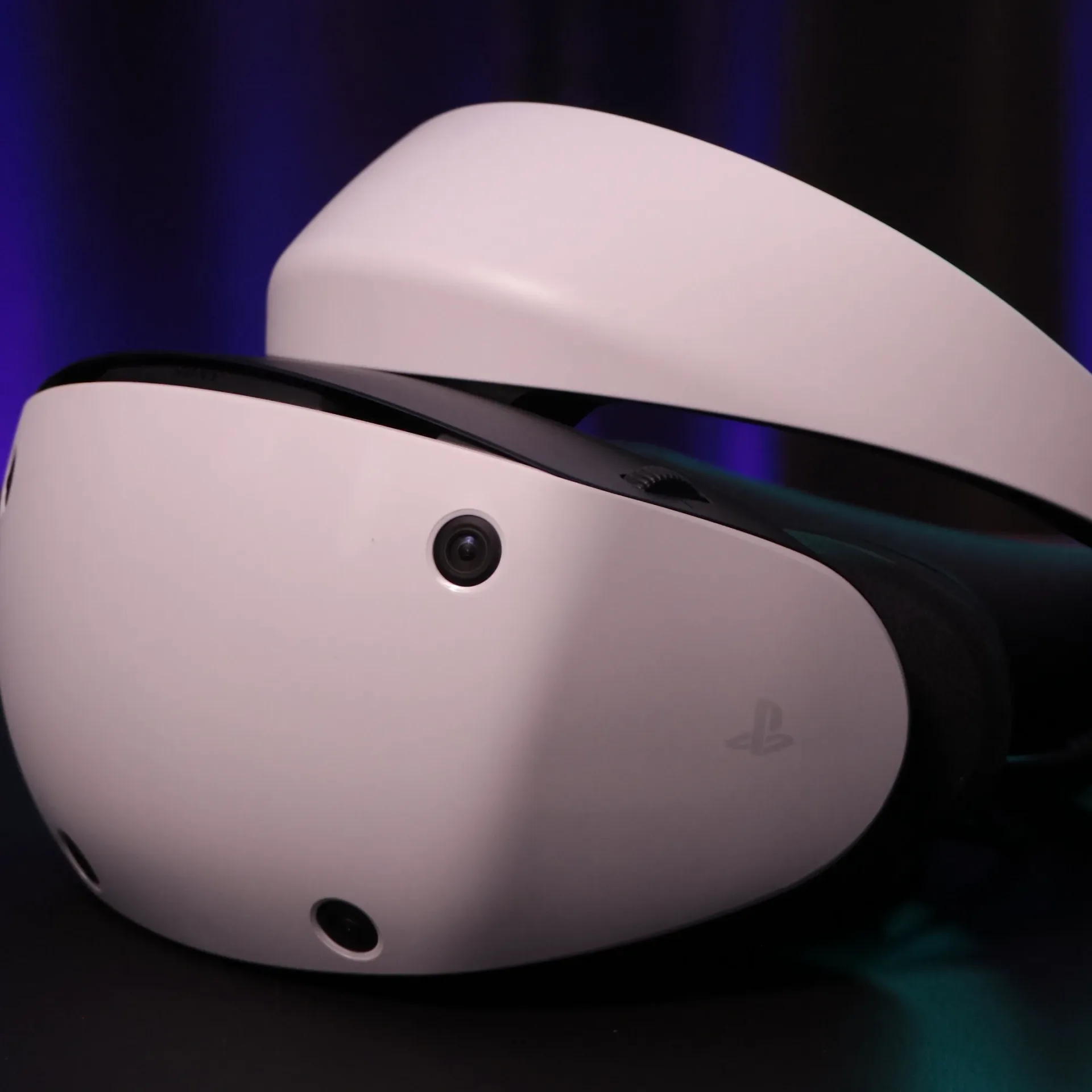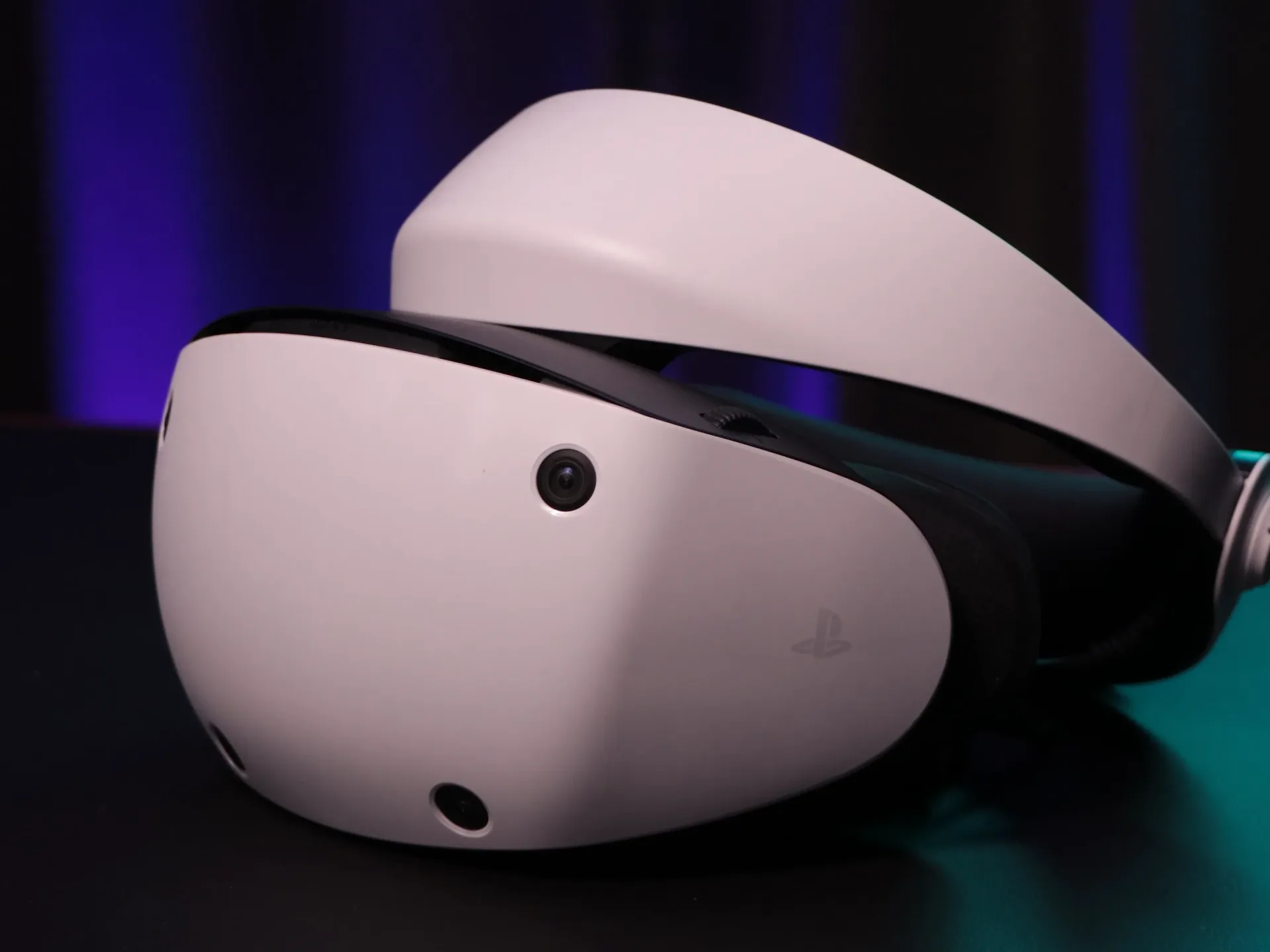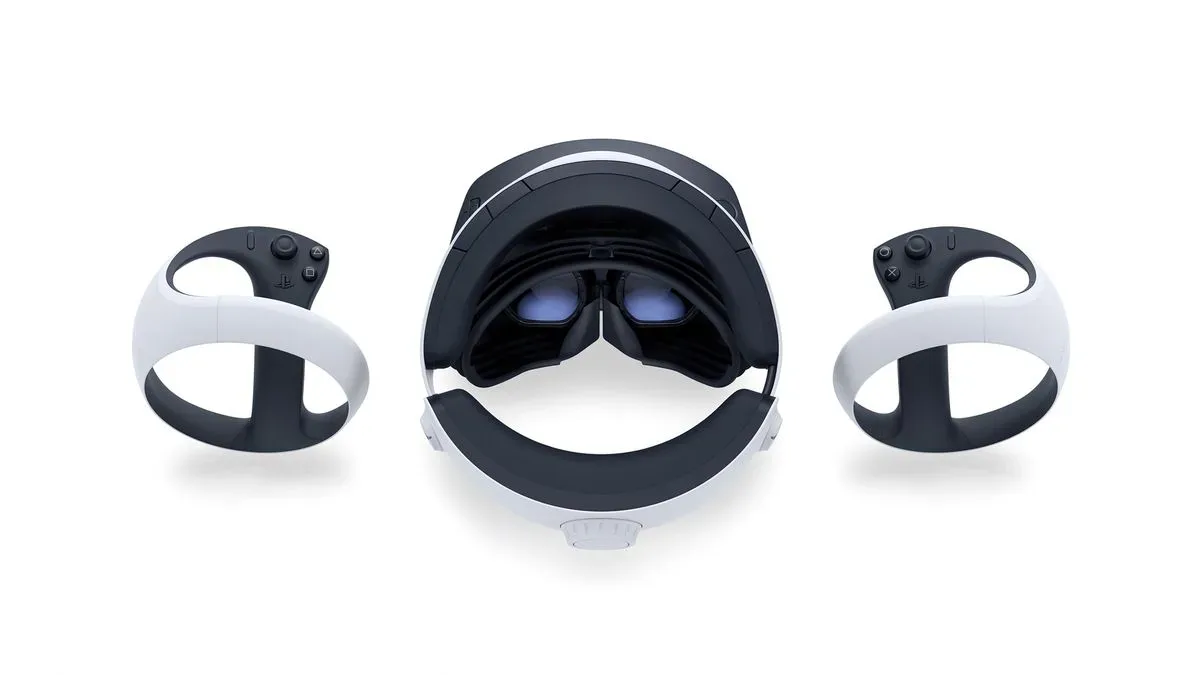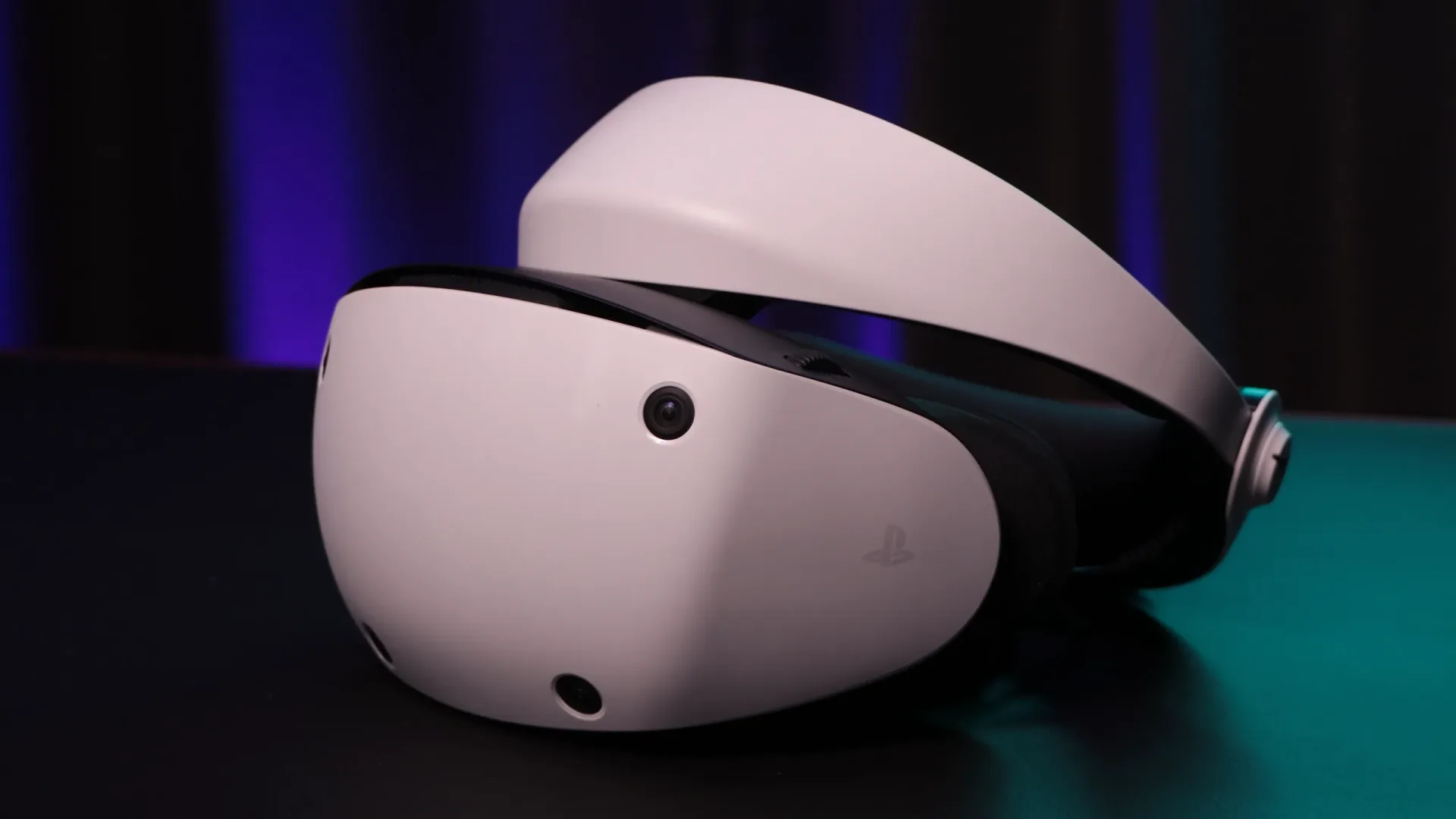
PlayStation has removed PSVR 2 listings from its own online stores in the United States and Japan, following months of reported stock shortages in the US and UK. On its own, a vanished store page does not prove that a product has been discontinued. Sony has not publicly said that PSVR 2 production or support has ended. But placed beside the headset’s thin first-party software pipeline, reduced VR presence in PlayStation presentations, and an awkwardly limited PC route, the development adds to a picture that will worry owners.
The uncomfortable part is that PSVR 2’s apparent predicament is not primarily a story about a visibly flawed piece of kit. The headset has been widely praised for gaming-focused design, display quality and its broader feature set. It is instead a case study in what happens when capable hardware enters a small, demanding category without a long-running, clearly communicated plan for software, bundles, discovery and platform flexibility.
What has changed — and what has not been confirmed
The immediate fact is limited: PSVR 2 is no longer listed through PlayStation’s own virtual storefronts in two major markets, after a period in which availability had already been inconsistent in some regions. That is meaningful because official storefronts are normally a direct route for hardware purchases and a prominent signal that a product remains part of an active retail lineup.
It is not, however, the same thing as a formal end-of-life announcement. Listings can be withdrawn for stock, regional catalog, retail or business reasons. There has been no official confirmation that PSVR 2 is discontinued. Existing owners should therefore resist treating absence from those stores as proof that online services, game compatibility or all hardware support will immediately disappear.
Still, consumers do not make buying decisions from formal announcements alone. They read the direction of travel. Stock gaps, diminished store visibility and a quiet release calendar can each make a specialist accessory feel riskier to buy, especially when it requires a PlayStation 5 and a dedicated library to justify the expense.
The recent report that Sony sold its mixed-reality patents to Meta adds another piece of context, although patent transactions should not be treated as a direct statement about PSVR 2’s retail future. Patents concern intellectual property; they do not automatically determine whether a particular consumer headset continues to be sold or supported. The stronger concern for players is much simpler: PlayStation’s visible commitment to new VR games has appeared to recede.
Strong hardware cannot carry a platform by itself
Virtual reality is unusually dependent on software momentum. A conventional console can survive a quiet period because its users can still choose from a huge library of older games, services and non-gaming apps. A VR headset can play compatible back-catalog titles too, but its appeal is more tightly bound to the regular arrival of experiences designed around motion controls, scale, head tracking and immersion.
That makes the familiar “chicken-and-egg” problem especially punishing. Developers may be reluctant to fund ambitious VR projects when the active hardware audience is limited. Players may be reluctant to buy the hardware when major releases are scarce. The platform holder is the party best positioned to interrupt that loop, whether through internal development, publishing deals, ports, demos, subscriptions or retail bundles.
Related coverage includes PSVR 2's Quiet Store Disappearance Raises Fresh Questions About PlayStation VR Support.
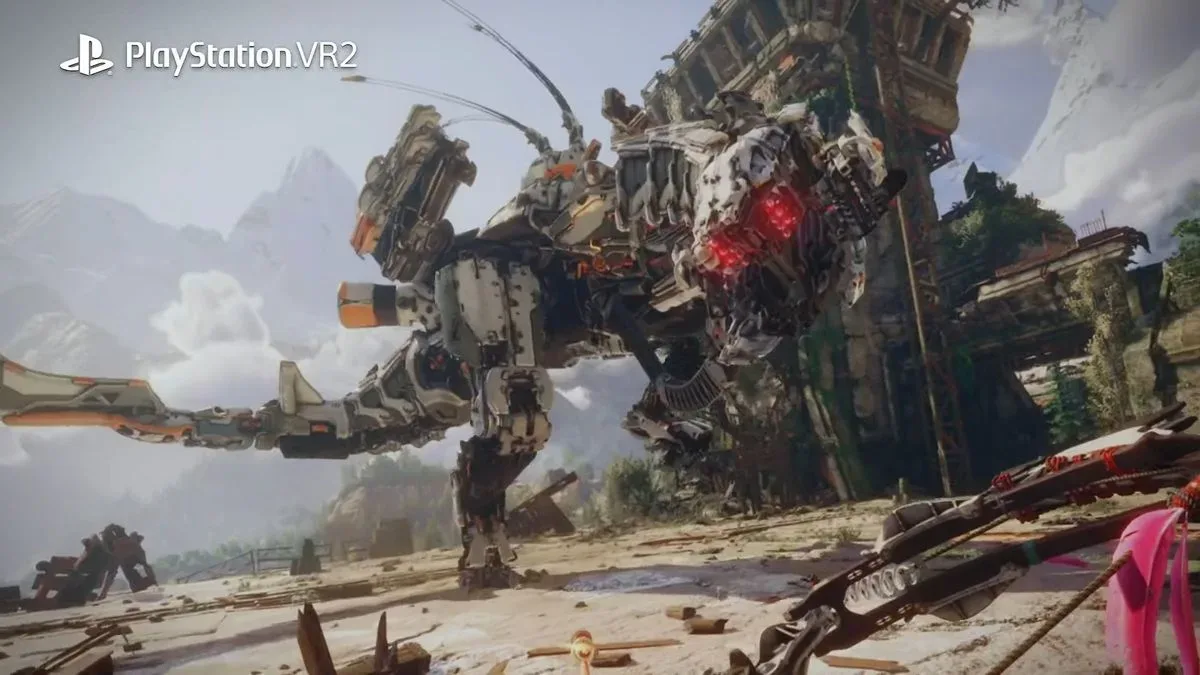
PSVR 2 launched alongside Horizon Call of the Mountain, and that game has remained its only official hardware bundle. By comparison, the original PSVR had multiple bundles and demos helping explain the product at retail. A bundle is not just a discount mechanism: it gives uncertain buyers an immediate answer to the question, “What will I play first?” Without multiple entry points over time, a headset can seem like a peripheral attached to one showcase rather than an expanding destination.
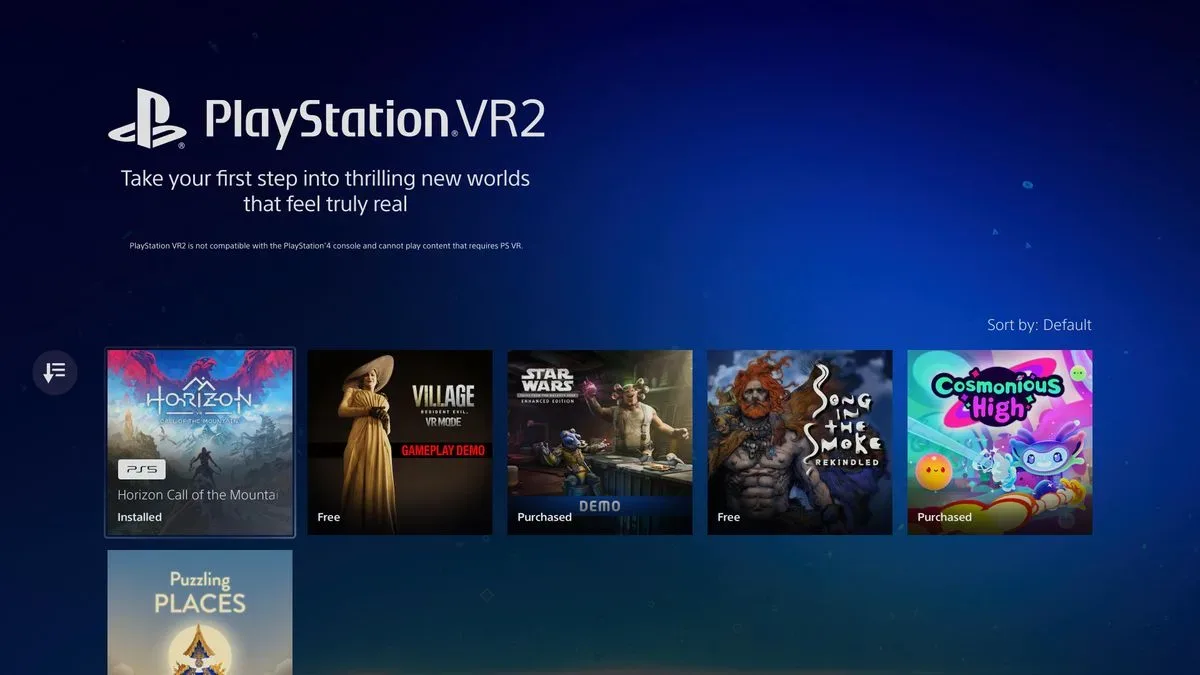
PlayStation Plus could have helped solve part of the discovery problem. Yet the VR segment of its catalog has reportedly shrunk, while monthly and promotional game selections have seldom used VR titles to introduce the format to PlayStation 5 owners. That does not guarantee that giving away more VR games would have transformed adoption, but it would have lowered the first barrier: finding a reason to put on the headset.
Presentation strategy matters as well. State of Play broadcasts once gave viewers regular reasons to associate PlayStation with new software across its ecosystem. The last cited VR appearance was the mid-2025 reveal of Thief VR: Legacy of Shadow. A single announcement is better than none, but a platform category needs a cadence. Silence invites an obvious assumption: even if the hardware remains technically supported, it is no longer central to the company’s plans.
The loss of VR-focused development capacity
The concern around software is sharpened by changes to studios connected with PlayStation VR. In 2024, Sony closed or repurposed several teams with VR histories. Sony London, known for PlayStation VR Worlds, was closed. Guerrilla Cambridge, developer of the original PSVR title RIGS, had also been closed. Firesprite, which made Horizon Call of the Mountain, subsequently faced downsizing. Team Asobi’s earlier Astro Bot VR work gave way to flat-screen Astro projects, with the later direction proving successful enough to earn Game of the Year recognition.
None of those facts individually establishes why a particular business decision was taken, nor does it mean talented teams cannot make VR games again. But together they explain why the VR audience sees fewer obvious sources for PlayStation-funded follow-ups. A platform cannot rely entirely on first-party studios, but first-party investment has an outsized role in emerging formats: it demonstrates technical targets, provides prestige releases and gives third parties confidence that the hardware owner intends to stay involved.
This is also where PSVR 2’s quality becomes a source of frustration. A less accomplished headset can be easier to write off as an experiment that did not land. PSVR 2 instead appears to many enthusiasts as hardware with clear gaming strengths that was not backed by an equally enduring platform strategy.
PC compatibility arrived, but not as the safety net it could have been
PC support was the other major missed opportunity. PlayStation eventually offered a PC adapter, giving PSVR 2 access to PC VR software, but it came roughly halfway through the headset’s life rather than at launch. For a premium device operating in a comparatively small market, early and straightforward PC connectivity could have widened its potential audience beyond PlayStation 5 owners.
The adapter reportedly cost $50, quickly became hard to find, and was widely seen as a cumbersome workaround rather than an elegant native solution. That distinction matters. A native connection is built into the product’s intended design and can be used without an additional conversion device. An adapter can broaden compatibility, but it also adds cost, availability risks and setup complexity.
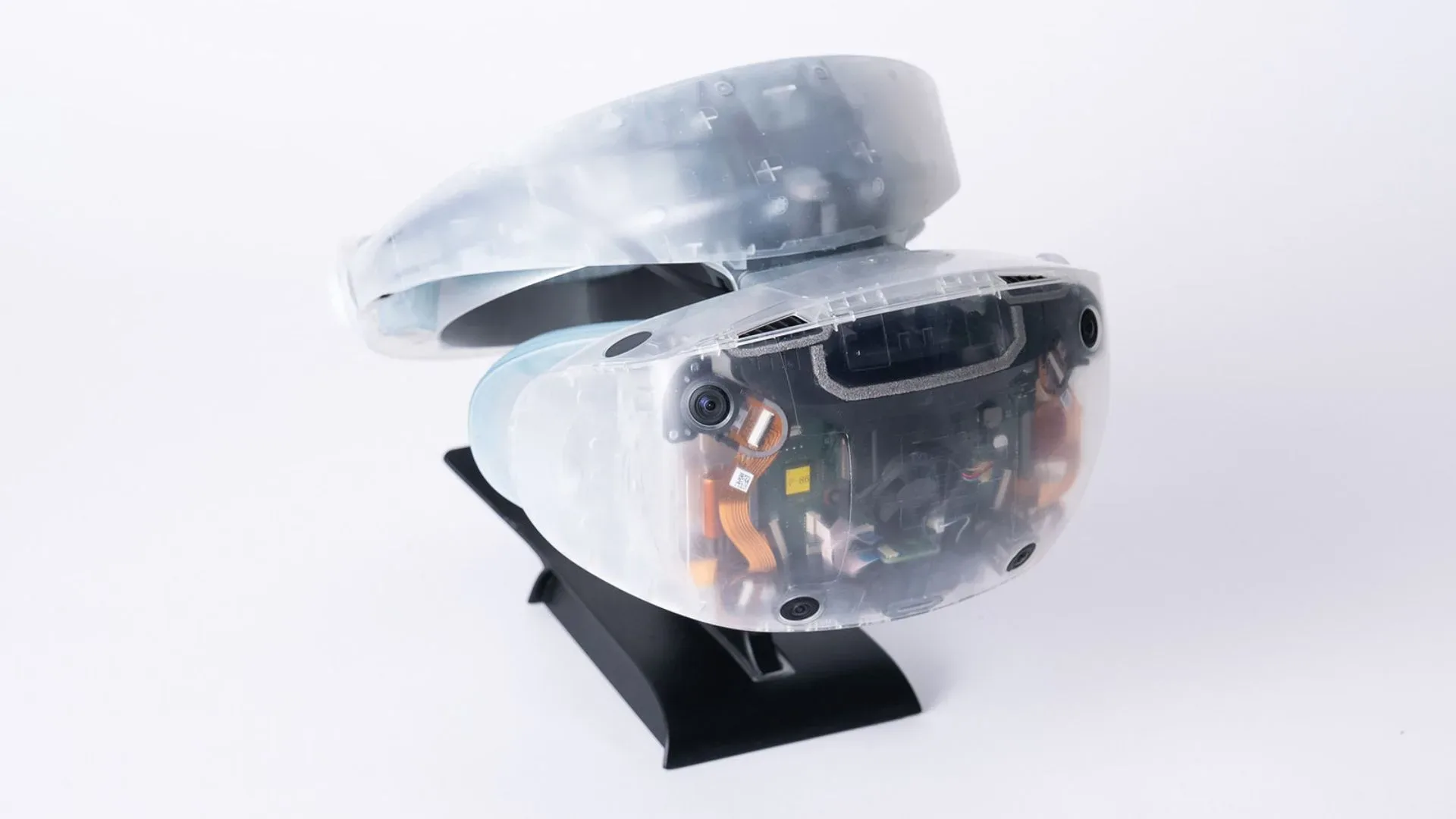
There were feature compromises, too. Foveated rendering is a technique that uses eye tracking to prioritize image detail where a player is looking, potentially improving performance without spending equal processing power across the entire image. Headset haptics are physical feedback effects in the headband. Those PS5-oriented features did not carry over through the PC path. The headset could still gain a useful second life on PC, but it could not offer the full feature proposition that distinguished it on PlayStation 5.
This is why the PC strategy deserves more attention than a simple “it eventually got support” verdict. Late compatibility can help an installed base, but it is less effective as a purchasing argument when buyers have already absorbed years of uncertainty. The ideal fallback would have made the headset useful to a broad PC VR audience from day one, not asked people to wait for a separate accessory that itself faced availability issues.
What the situation means for owners and prospective buyers
For current PSVR 2 owners, the most important distinction is between present functionality and future confidence. Nothing in the available information confirms an immediate shutdown or tells players that their compatible games have suddenly stopped working. But the signs do suggest that buyers should set expectations around the existing library rather than assume a large, sustained wave of PlayStation-led VR releases is imminent.
For anyone considering a purchase, the question is less “Is the headset good?” than “Does its current ecosystem meet my needs?” A buyer interested specifically in the available PSVR 2 games may still see value in the hardware. A buyer who needs confidence in a growing pipeline, frequent major bundles or friction-free PC VR should weigh the uncertainty far more heavily.
- Check regional availability: An absent official store listing does not necessarily describe every retailer, but it does make warranty, stock and long-term accessory availability worth checking carefully.
- Buy for games available now: Treat unannounced future support as a possibility, not part of the product’s guaranteed value.
- Understand the PC setup: PC use depends on the separate adapter route and does not reproduce every PS5 feature.
- Consider the total setup: PSVR 2 is tied to PS5 for its console library, so it is not a standalone purchase in the way some other VR options are positioned.
There is a wider PlayStation lesson here, too. Hardware launches establish a promise, but sustained software support is what makes that promise believable. PlayStation continues to publish PS5 news across the broader ecosystem — as with recent PS5 release updates — yet VR needs a much more deliberate identity than an occasional compatible game announcement.
PSVR 2 has not been officially declared finished. That caveat should remain front and center. But after three years, the disappearance of official US and Japanese store listings is a conspicuous development for a headset already burdened by a launch-price backlash, limited bundles, sparse first-party momentum and delayed PC access. The issue is not that PlayStation made VR hardware no one could admire. It is that a technically impressive gaming headset appears to have been left without the consistent software and platform support required to keep a specialized format alive.