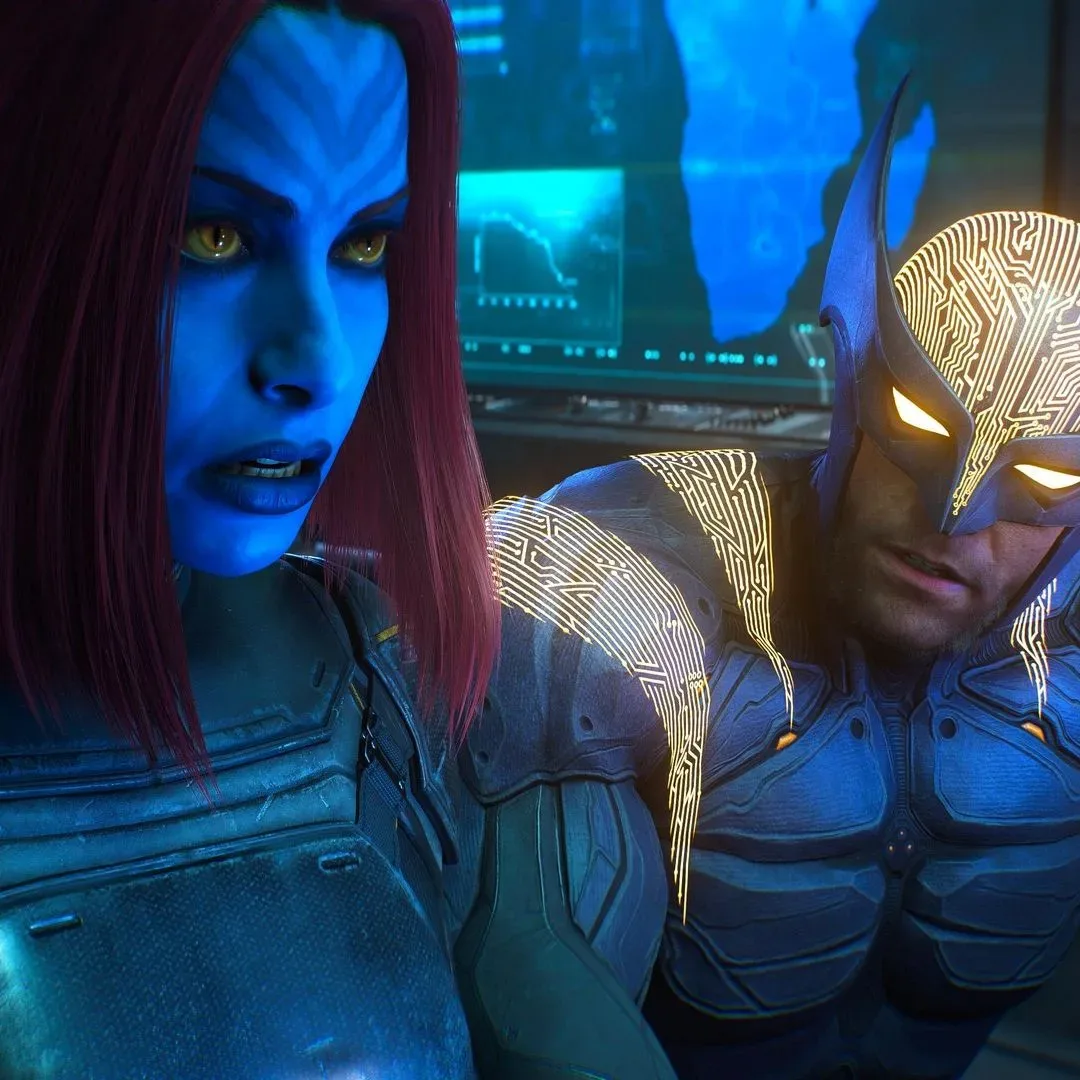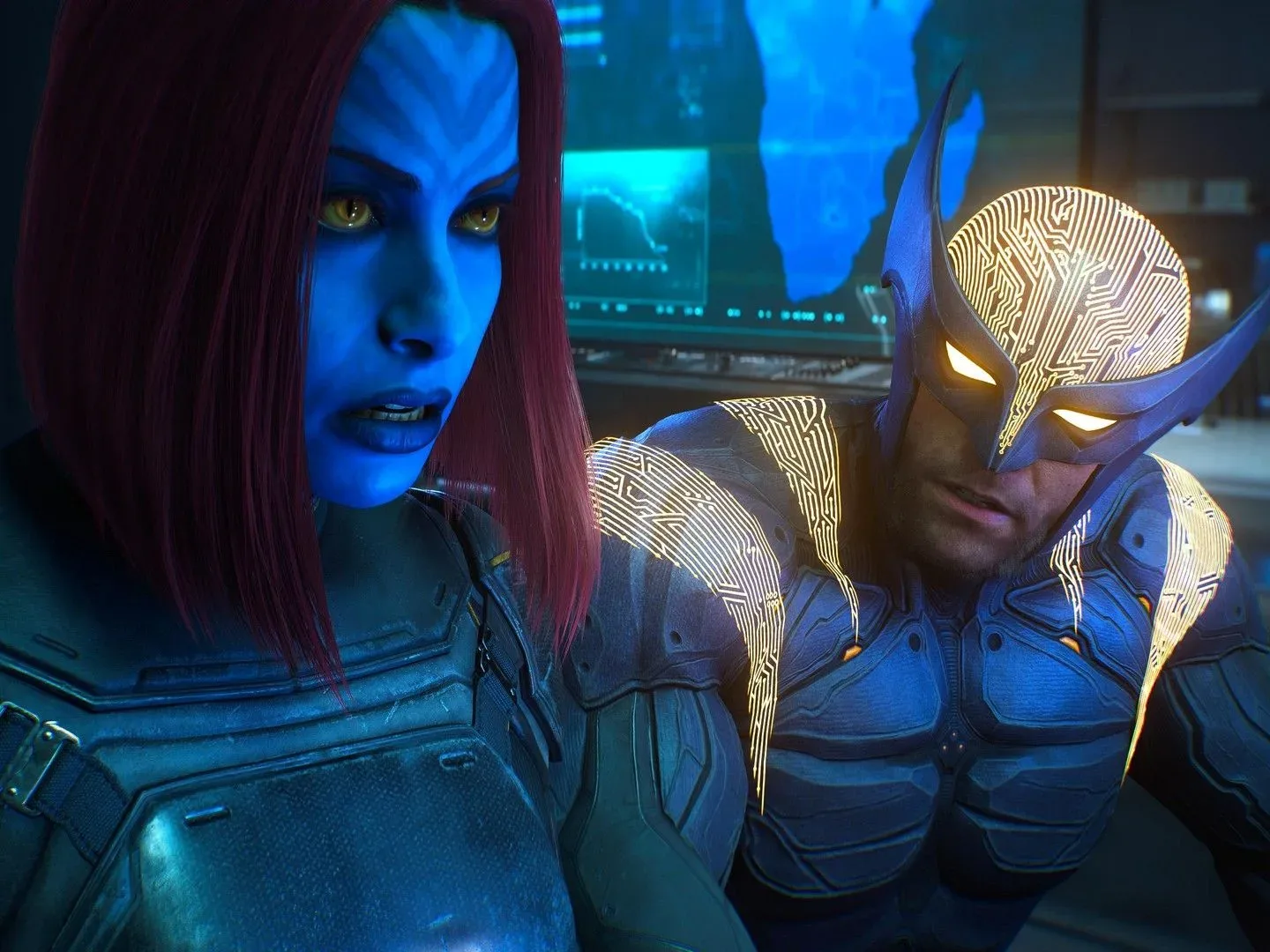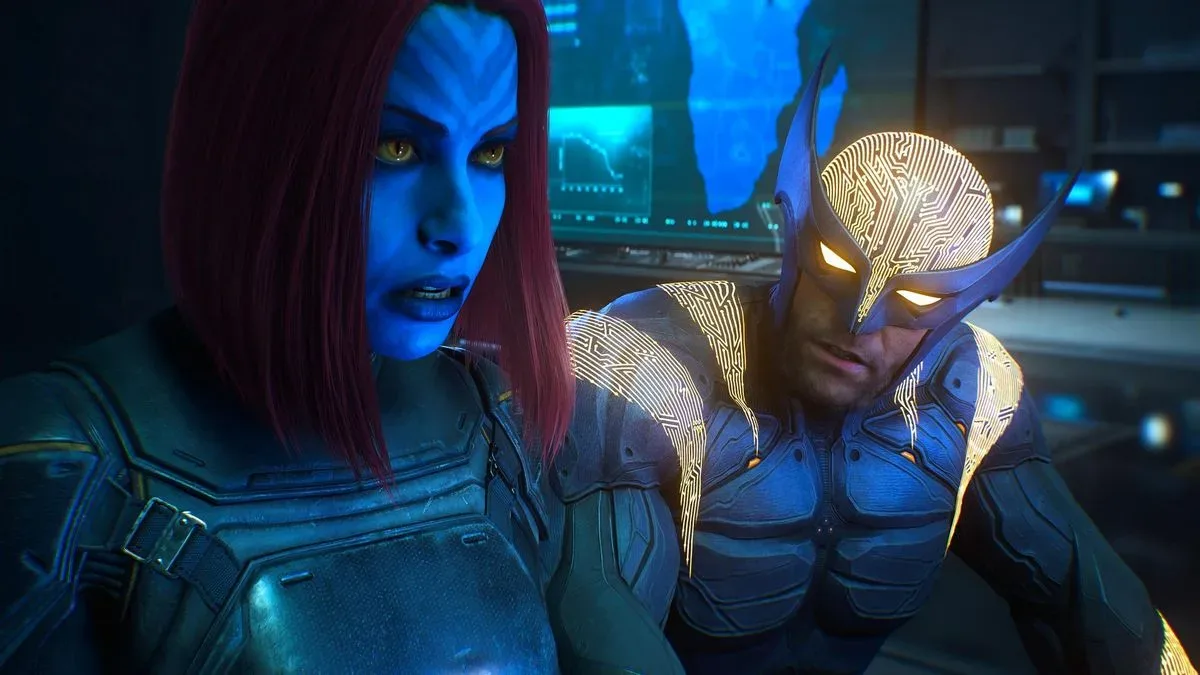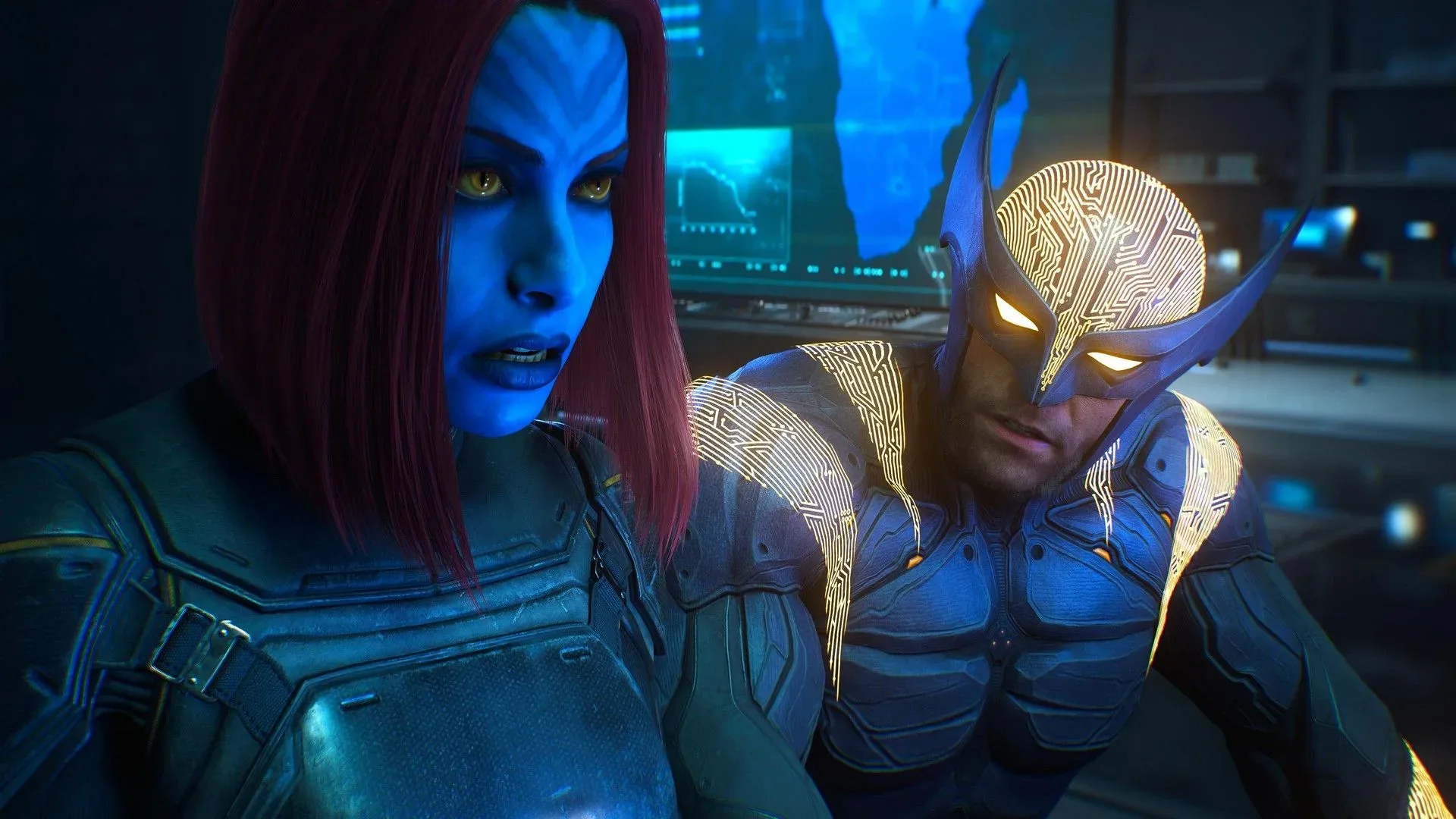
Marvel’s Wolverine turned a debated critical reception into a very clear commercial result in September: the mutant action game led the PlayStation 5 digital-sales chart in the United States and Canada. In Europe, it placed second, with FC 27 taking the regional top spot.
The placement matters because Wolverine finished ahead of both FC 27 and NBA 2K27 in the US and Canada. Sports series have enormous established audiences and predictable annual demand, so passing both on a monthly PS5 digital chart is a strong opening signal for a character-action release built around Logan.
It is also a useful reminder that review consensus, player interest and sales rank are related, but they are not interchangeable measurements. Wolverine’s reviews have been mixed, yet the September rankings show that plenty of PS5 players still chose to buy it digitally. A chart position does not tell us why every customer bought a game, how long they played it, whether they were satisfied, or how it performed across every possible store and format. It does show relative digital sales performance within the reported PS5 markets over the month.
What the September PS5 digital chart result says
The simplest takeaway is regional strength. Wolverine was No. 1 in the US and Canada, while Europe put it at No. 2. FC 27’s European lead is hardly mysterious: football has deep, highly engaged audiences across the continent, including followers of the Premiership, Bundesliga, LaLiga and other major national leagues. An annual football game reaching the top of a European digital chart is an expectedly formidable benchmark.
That makes Wolverine’s second-place European result substantial rather than disappointing. It was close enough to the summit to sit ahead of other major releases and enduring catalogue sellers. Meanwhile, its North American result was even stronger: No. 1 ahead of FC 27 and NBA 2K27.
For clarity, a digital sales chart ranks purchases made through a platform’s digital storefront. It is not automatically a full accounting of all game sales, because physical retail sales and sales on other hardware may sit outside that particular measure. It also should not be treated as a revenue chart unless the chart provider explicitly says it is one. A higher-ranked title has outsold the games below it through the measured digital channel during that reporting period; it does not necessarily mean it generated more money per copy or overall revenue.
That distinction is especially useful when reading any platform ranking. The available result supports a strong September for Wolverine on PS5 digital storefronts in the listed territories. It does not establish a lifetime sales total, worldwide total, profitability figure or a comparison with physical editions.
A crowded month, and a familiar survivor
The rest of the reported rankings underline how competitive the month was. In the US and Canada, Halloween, the asymmetrical multiplayer game set around Michael Myers in Haddonfield, appeared in fourth. The Blood of Dawnwalker, described as a historical horror RPG from Rebel Wolves, was also among the prominent releases.
Related coverage includes Marvel's Wolverine Tops PS5 Digital Charts in North America, Takes Second in Europe.
Europe’s ordering put The Blood of Dawnwalker and Halloween directly behind Wolverine, followed by Grand Theft Auto V in fifth. GTA V’s continued presence is notable for a game that first arrived in 2013. Its position does not need a dramatic new event to be meaningful: long-running games can retain digital-chart visibility through name recognition, a low barrier for newcomers, and the steady appeal of an established world.
Its fifth-place showing is a particularly good example of why a monthly chart is a snapshot, not a clean divide between “new” and “old.” A fresh release can dominate attention, annual sports games can mobilize their regular audience, a seasonal horror title can benefit from calendar timing, and a much older game can still appear beside all of them. September’s list accommodated each of those buying patterns.
The ongoing commercial visibility of GTA V also frames Wolverine’s accomplishment. Wolverine did not simply move past one kind of competitor. It was positioned ahead of annual sports releases in North America, newer horror-focused releases in the reported markets, and—depending on region—a catalogue giant that remains unusually durable. Those are different audiences and purchase habits converging in the same storefront ranking.
Why mixed reviews did not prevent a chart win
There is no contradiction in a mixed-reviewed game selling well. Reviews are assessments, often focused on craft, performance, systems, pacing and design choices. Sales are purchase decisions made by a wide range of people with different priorities. Some buyers follow critics closely; some are responding primarily to a favorite character, a studio’s previous work, a genre preference, promotional visibility or simple curiosity.
In Wolverine’s case, the backdrop includes Insomniac’s three Spider-Man games. That history can help explain why the project attracted attention, although it cannot prove the individual motivation of any purchase. A developer’s prior games create familiarity for audiences, and Wolverine brings the recognition of one of Marvel’s most prominent X-Men characters. Those facts make it easier to understand why the game could reach a large audience even as critical opinion remained divided.
Equally, the chart should not be used to dismiss criticism. Sales data and criticism answer different questions. The former indicates demand in the measured market and period. The latter contributes to the wider discussion of how the game works and where it falls short for reviewers. Wolverine’s September result says demand was powerful enough to put it at the top in the US and Canada and just behind FC 27 in Europe. It does not declare a universal verdict on its quality.
What players should avoid reading into the ranking
- Not a review-score rebuttal: commercial popularity does not invalidate criticism, just as mixed reviews do not prevent interest.
- Not a global total: the reported positions concern PS5 digital sales in the specified regions during September.
- Not proof of sales volume: a rank tells us the order, not the number of copies sold or the margin between games.
- Not a forecast: one month’s chart cannot establish how a game will perform over its full lifespan.
The regional split is the real story
The No. 1 and No. 2 placements together paint a more informative picture than either would alone. North America gave Wolverine the lead over two large annual sports franchises. Europe made FC 27 the winner, while still placing Wolverine immediately behind it. Rather than a simple yes-or-no measure of success, the outcome shows different regional pecking orders within the same month.
That is why raw chart headlines need context. A title at second place can be performing extremely well when the game above it is a major annual football release in Europe. Conversely, topping a chart means more when the games below include a new NBA entry and the season’s FC release. Rankings are comparative: the competitors and market both matter.
For anyone tracking PlayStation store performance, it is also worth separating the public-facing ranking from broader market-spend discussions. A chart shows which individual games placed higher in its defined channel. Spending coverage may examine a different question, such as the amount consumers spend across hardware, software and bundles. That distinction is relevant to discussions around platform-market data, including this look at how US spending can shift when bundles change the mix of purchases.
September’s bottom line for Wolverine
Marvel’s Wolverine has delivered a strong measured sales result on PS5 digital stores. It was the September leader in the US and Canada, ahead of FC 27 and NBA 2K27, and it was Europe’s runner-up behind FC 27. The Blood of Dawnwalker, Halloween and GTA V further demonstrate that the month’s chart was not short on recognizable competition.
The data available supports a precise conclusion: Logan had substantial September demand among PS5 digital buyers in the reported territories. Mixed reviews did not stop the game from reaching the top of the North American list or from standing just one place below Europe’s best-selling title. Beyond that, the responsible read is to leave room for what a monthly rank cannot reveal—copy totals, sales margins, long-term retention and the wider performance across formats.