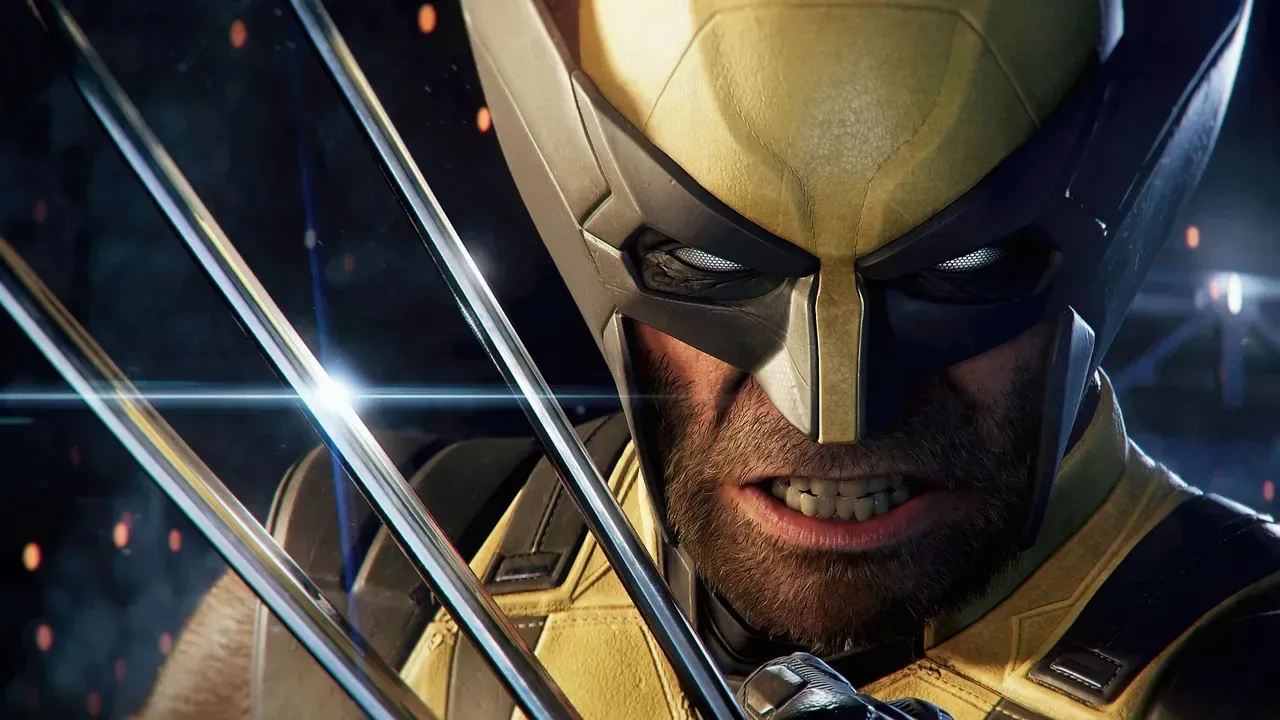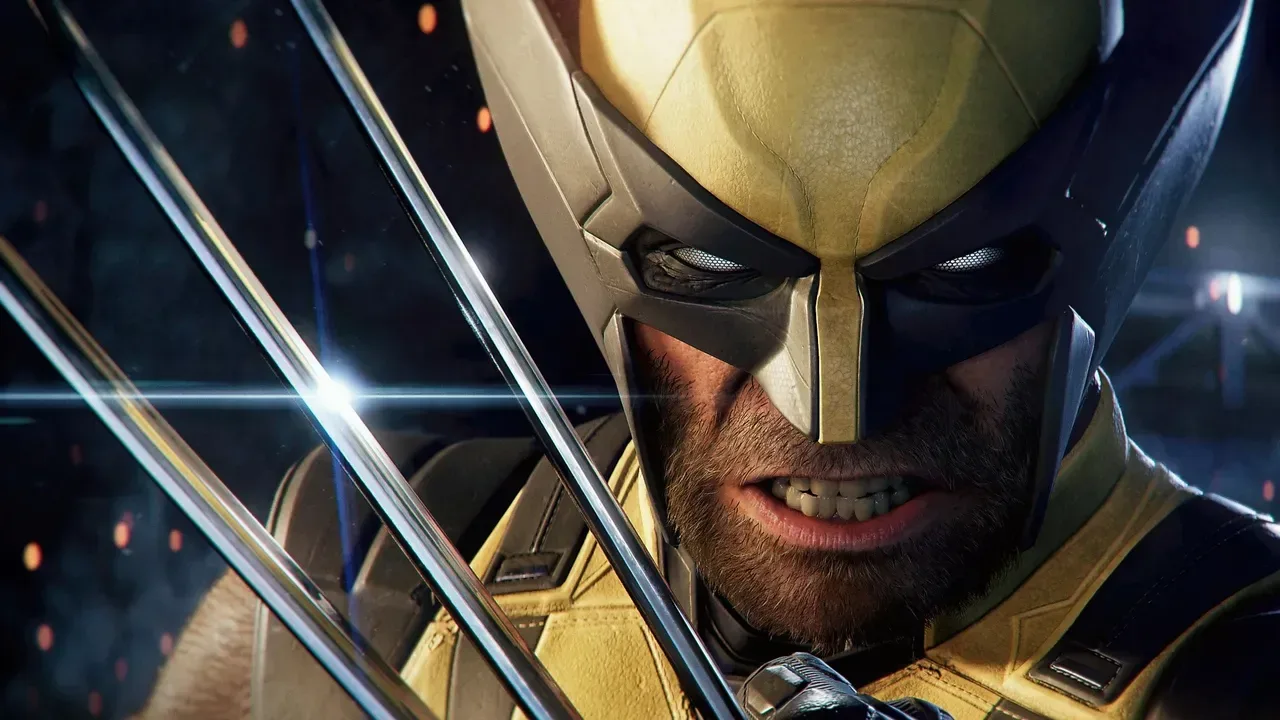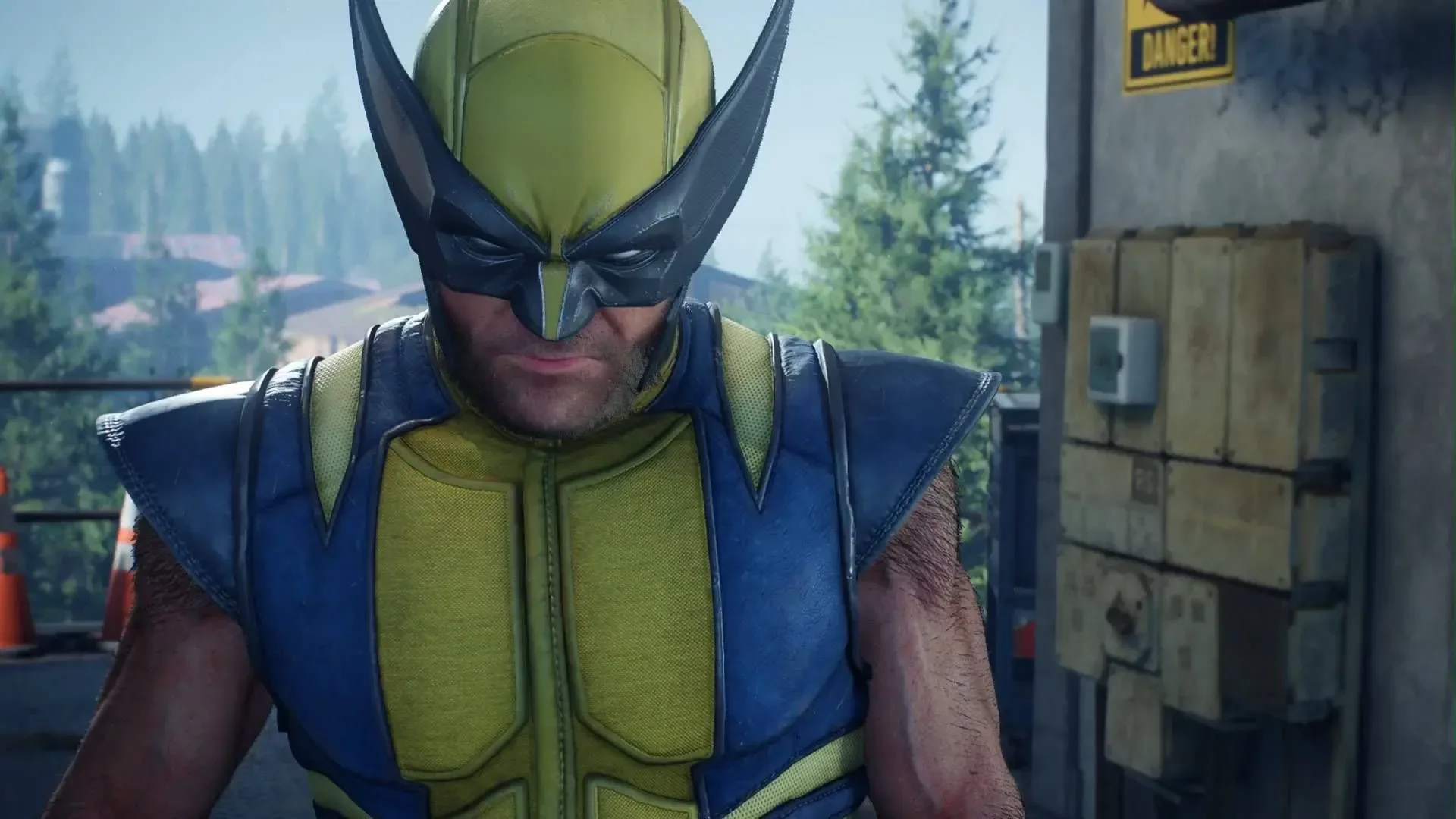
Marvel’s Wolverine appears to have opened with real force, even if the official scoreboard is still covered by a tarp. Early estimates from Alinea Analytics place Insomniac’s PS5 superhero game at about 1.9 million copies sold since its September 15 launch, producing roughly $130 million in revenue. Sony has not announced a sales total, so those figures should be understood as an analyst estimate rather than a confirmed milestone.
That distinction matters. Sales estimates are useful signals, particularly in the fast-moving first days after a major release, but they are not the same thing as platform-holder reporting. They can point to a game’s likely trajectory without settling every question about units, revenue, regional performance, or the balance between physical and digital purchases.
Still, if the estimate is broadly on target, Wolverine has not stumbled out of the gate. A 1.9 million-copy opening window would put it among the year’s stronger new PlayStation Studios performers on PS5, ahead of MLB The Show, Marathon, Saros, and Marvel Tōkon in the same early comparison. It has also reportedly moved beyond the lifetime PS5 unit and revenue performance attributed to Death Stranding 2.
The complication is the unavoidable web-slinger-shaped comparison. Insomniac’s previous Marvel blockbuster, Spider-Man 2, sold more than 2.5 million copies in 24 hours when Sony announced the result. At that point, it surpassed God of War Ragnarök as the fastest-selling PlayStation Studios launch before Helldivers 2 later took the top spot. Wolverine may be selling well, then, while simultaneously demonstrating how dangerous it is to treat every comic-book lead as interchangeable at the checkout.
A healthy opening, not an official verdict
It is tempting to turn an early sales estimate into either a victory lap or a post-mortem. Neither is justified yet. Wolverine’s reported performance covers only the period since September 15, while Sony’s own disclosure practices show that official figures can arrive on different schedules. Ghost of Yotei, for example, went on sale on October 2, 2025, and Sony later said it had sold 3.3 million units by November 2, a 32-day point of reference.
That gap in timing is important because launch sales and sustained sales answer different questions. The first measures initial demand: pre-orders, franchise enthusiasm, marketing reach, and the willingness of committed players to buy immediately. The second measures whether interest spreads beyond that first wave through reviews, recommendations, seasonal promotions, visibility on streaming platforms, and the simple fact that new PS5 owners need games to buy.
In industry shorthand, that sustained period is often called a game’s long tail. It does not mean a physical tail for Logan to swish irritably at critics. It means revenue and unit sales that continue after the launch rush has passed. A title with a long tail remains a regular purchase months or years later; one with a shorter, more uneven tail may receive bursts from discounts, holidays, updates, or a related movie release rather than maintaining a steady pace.
The available analysis suggests Wolverine may fit the second pattern. The game has a 77 Metascore, while one prominent review assessed it at 6/10, praising its character work but arguing that the combat’s early satisfaction fades before the finish. That is not a consensus that the game is a disaster—far from it—but it is a materially different critical setup from the unusually durable reception associated with Spider-Man.
Related coverage includes Marvel's Wolverine Estimated at 1.9 Million Sales, but Its Road Ahead Differs From Spider-Man.
Why Spider-Man is a tough benchmark
Spider-Man 2’s day-one result was extraordinary. Comparing any subsequent PlayStation Studios game to it can be informative, but only if the comparison is kept in proportion. Spider-Man is a character with a huge mainstream footprint, an open-world format, and a track record of remaining visible for years. Wolverine is also one of Marvel’s most recognizable characters, yet recognizable does not automatically mean identical audience behavior.
The estimate does not suggest Wolverine has failed to find an audience. It suggests a more nuanced proposition: Wolverine can be commercially successful while falling short of Spider-Man’s launch velocity and potentially its longevity. Those statements can all be true at once.
Reviews matter most in the weeks after an initial fan-driven rush. A buyer who has been waiting for a particular superhero game may purchase at launch regardless of the review average. A more hesitant buyer, however, may wait to see whether friends, creators, and critics continue talking about it positively. Mixed reception does not erase launch demand; it can reduce the force of word-of-mouth that keeps a game on shopping lists.
Streaming and social discussion can shape that process too. Games that generate repeatable moments, broadly admired mechanics, or a strong spectator appeal can remain visible well after release. Conversely, elements that become online punchlines can dominate perception even when they represent only a small part of the full experience.
Wolverine currently has one particularly pungent example. Players have widely joked about Logan’s visible scent trail, informally dubbed the game’s “fart gas.” Some have asked for an option to disable it, arguing that the effect feels overly guiding. Insomniac has said it plans to further refine the player experience based on feedback, though it has not specified which elements will change.
That response is significant in principle, not because a single visual effect decides a game’s commercial destiny. Post-launch refinement is one way a studio can address friction before it becomes a permanent part of a game’s reputation. An accessibility or interface option, for instance, can let players tailor guidance without changing the underlying design for everyone else. Whether the scent trail is altered, optional, or left as-is has not been confirmed.
Physical sales still represent a notable share
Alinea Analytics estimates that physical copies accounted for 22.9% of Wolverine’s revenue. The figure is another estimate rather than a Sony-confirmed breakdown, but it offers a useful reminder that disc purchases remain meaningful in a market increasingly centered on digital storefronts.
Physical revenue and physical unit share are not automatically identical measures. Revenue concerns the money attributed to sales, while unit share concerns the number of copies. Pricing, editions, retail promotions, and regional conditions can affect the relationship between the two. The available estimate specifically addresses revenue, so it should not be converted into a claim about the exact percentage of copies sold on disc.
That reported physical contribution arrives against a longer-term shift: Sony plans to cease production of PlayStation discs from 2028. If that plan proceeds, major releases such as Wolverine illustrate a transitional period in which boxed games are still a sizable part of a blockbuster launch, even as the broader business moves away from manufacturing new discs.
For players, the practical point is less about declaring one format superior and more about recognizing that format choice remains commercially relevant. Digital sales can be immediate and highly visible through platform ecosystems; physical copies continue to serve shoppers who prefer retail purchasing, gifting, lending, or building a shelf collection. Wolverine’s estimated mix suggests both paths are contributing to its opening.
The calendar offers plausible boosts, not guarantees
The next sales phase will be shaped by events that have not happened yet. December’s Avengers: Doomsday is expected to feature the X-Men, creating a possible renewed spotlight for the broader Marvel mutant corner. That kind of cultural overlap can help a game, especially when audiences begin looking for related entertainment, but the size of any effect is unknowable in advance. It is also not confirmed whether Hugh Jackman’s Wolverine will appear in the film.
November’s planned GTA 6 release could also expand the PS5 install base as people buy into the platform. An install base is simply the number of people who own the hardware. More PS5 owners increase the pool of potential Wolverine customers, though they do not guarantee that those new owners will choose the same game. GTA 6 will be a massive point of attention in its own right, and attention is not an unlimited resource.
The holiday period is a more straightforward opportunity. Wolverine has the advantages of a globally familiar character and the kind of big-budget presentation that makes a game easy to recognize as a gift. Yet holiday demand also brings a crowded marketplace, so the key question will be whether Wolverine stays prominent enough to convert recognition into purchases.
Players are continuing to probe the game in ways that keep it circulating in conversation. One has tested whether Logan can die during a motorcycle sequence without controller input, while another found a way out of bounds that exposed additional areas. Those discoveries do not establish anything about the game’s sales on their own, but they show the community is still actively examining its systems and edges.
What to watch next
The most useful evidence from here will be any official Sony update, followed by indications of how Wolverine performs through the holiday period and after any player-experience refinements from Insomniac. A confirmed figure would replace an informed estimate with a firm baseline. Until then, the honest read is neither “Spider-Man numbers” nor “commercial disappointment.”
Wolverine’s reported 1.9 million copies and $130 million in revenue point to a strong early commercial result. Its mixed critical context and the analyst’s expectation of a shorter, less consistent tail point to a game that may not become an evergreen sales giant on Spider-Man’s scale. Logan’s outlook, in other words, looks less like an unbreakable straight line and more like a series of sharp, potentially lucrative bursts.
For a broader look at how successful adaptations can raise the profile of gaming properties across entertainment, see this report on Resident Evil’s critical movie milestone.