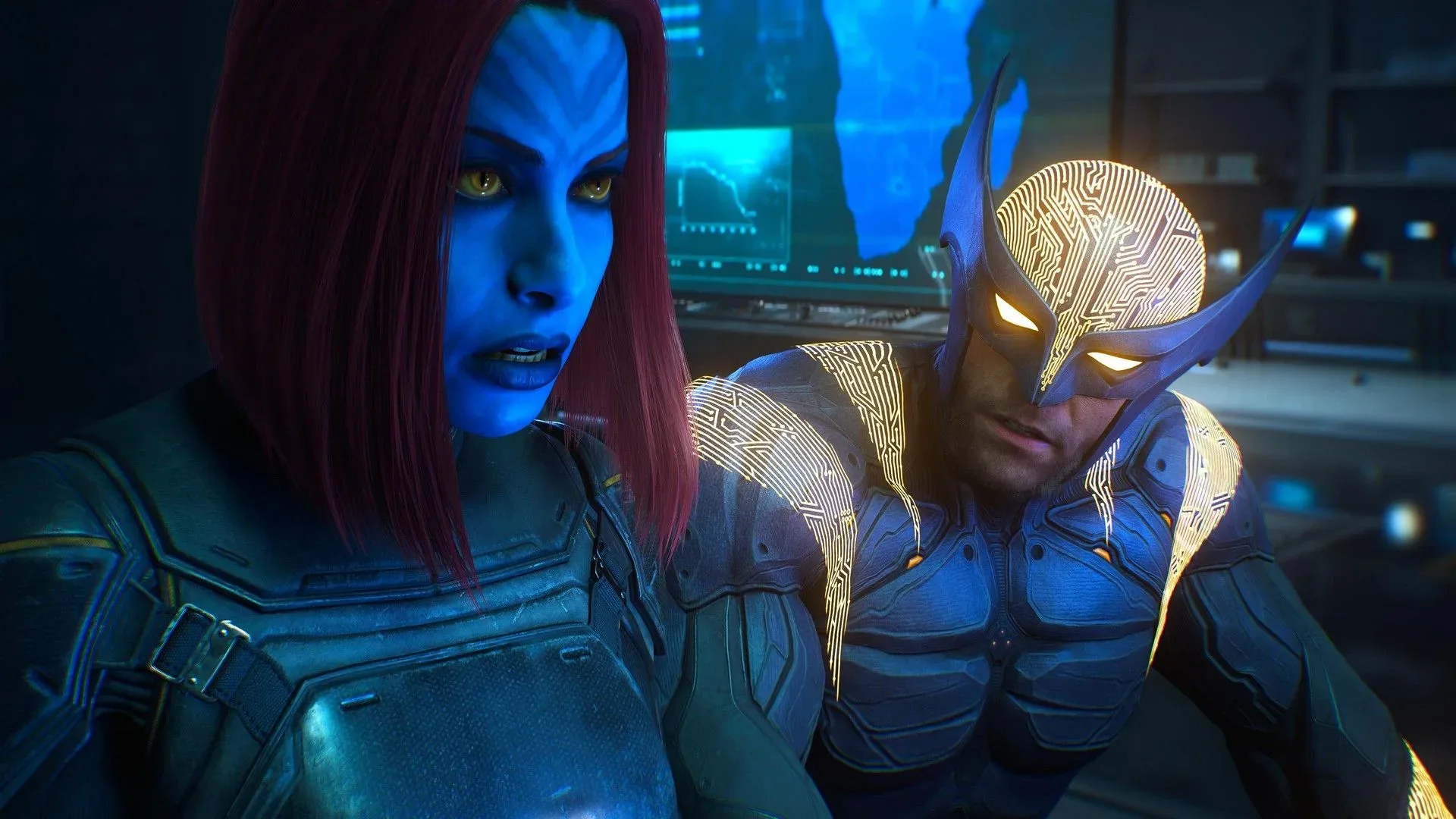
PlayStation 5 hardware sales rose 22% over the prior month, and the clearest explanation is not simply the looming November 19 arrival of Grand Theft Auto VI. Market commentary points first to Marvel’s Wolverine, whose September release appears to have created a meaningful reason for players to buy into PS5 hardware right now.
That is a useful reminder that the impact of a major exclusive is not limited to its game-unit ranking or review aggregate. A release can be commercially important because it sells several things at once: the game, a console bundle, a themed controller, and perhaps a player’s first entry into a platform ecosystem. In this case, the available sales picture suggests Wolverine did exactly that, even as reactions to the game itself were far from unanimous.
Wolverine was the leading explanation for September’s PS5 lift
Industry analyst Mat Piscatella characterized Marvel’s Wolverine as the principal force behind the PS5 hardware increase. NBA 2K27 and anticipation for Grand Theft Auto VI may also have contributed, but the distinction matters: it assigns the strongest immediate effect to a game already on shelves rather than to the promise of a blockbuster still ahead.
The Xbox Series line did not receive a comparable boost during the same month. That contrast makes the PS5 result more revealing than a broad, seasonal surge in interest across all console hardware. It indicates that the PlayStation-specific product mix around Wolverine—especially the bundle and controller—was likely a major part of the story.
Hardware sell-through is the important concept here. It refers to products being sold through to customers at retail, rather than merely being shipped into stores. A 22% rise in sales signals a movement in consumer purchases, but it does not on its own show which exact console model or retail package accounted for every unit. The analyst assessment and the performance of the associated bundle provide the practical context for attributing much of that jump to Wolverine.
A mixed reception did not prevent a strong sales month
Marvel’s Wolverine received a 6/10 assessment that praised its combat’s immediate feel and its character work, while arguing that the action lost momentum before the end. Community response afterward has also been mixed. Developer Insomniac addressed criticism of especially directive guidance by adding an option to disable the persistent scent trail that leads players toward objectives.
That scent trail is an example of a navigation aid: a system intended to reduce uncertainty by visually or mechanically pointing the player toward the next objective. For some players, such guidance keeps pacing brisk and limits frustration. For others, an always-visible route can weaken exploration, discovery, and the feeling of figuring out where to go independently. A toggle does not change the original design’s existence, but it gives players control over how assertive that guidance feels.
The game’s retail performance demonstrates that reception and commercial momentum are related, not identical. A title can invite substantial debate over its mechanics while still attracting a large opening audience, particularly when it carries a globally recognizable character and arrives with desirable platform hardware. It would be a mistake to treat the September result as proof that every player loved the game. It is better understood as evidence that a sizeable audience considered the overall proposition—game, character, console access, and limited hardware compelling enough to purchase.
Related coverage includes PS5 Sales Rise 22% as Marvel's Wolverine Bundle Drives Hardware Demand.
The bundle and DualSense made the release larger than a game launch
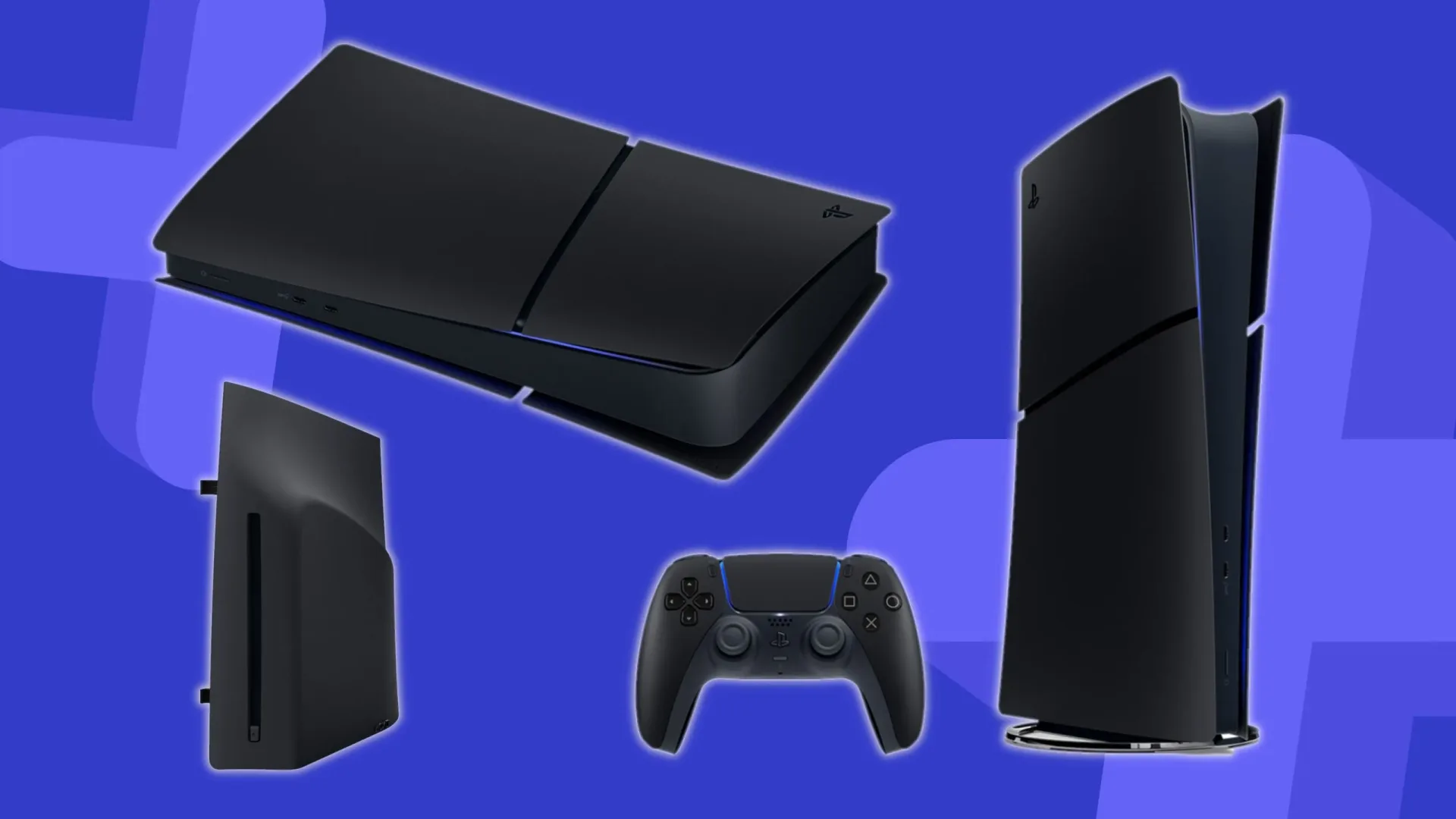
Marvel’s Wolverine was the month’s best-selling game and ranked 11th year-to-date more than a month after release. The associated PS5 hardware bundle appears to have sold out, while the limited-edition Marvel’s Wolverine DualSense was the best-selling accessory in the market for the month.
Those details help explain why a single release can move hardware more effectively than its software chart position alone might suggest. A themed bundle reduces the number of decisions a new buyer has to make: rather than separately selecting a console and game, the buyer is presented with a ready-made entry point. A limited-edition controller, meanwhile, gives existing PS5 owners a separate reason to participate even if they do not need another console.
It is also important not to overstate the result. Piscatella’s assessment was that Wolverine was not as large as Marvel’s Spider-Man 2, and that expecting it to match that title would not have been reasonable. That is a valuable comparison point, not a dismissal. A game can fall short of a previous franchise giant and still be the month’s top seller, produce a sold-out bundle, lead the accessory market, and help lift console demand by double digits.
For players considering a purchase, the distinction between a launch bundle and an ordinary console purchase is practical. Bundles can be attractive when the included game is already on a buyer’s list, but a limited product’s sellout status should not be read as a universal recommendation. The relevant questions remain simple: Is this the game you want? Is the included hardware the model you need? And is the bundle’s value better than buying the desired pieces individually when stock returns?
Why the result matters heading into GTA VI
Grand Theft Auto VI is scheduled for November 19, and it naturally sits over every current conversation about console demand. A release of that scale could persuade people who have delayed a current-generation purchase to finally choose a machine. Yet September’s data adds nuance to that forecast. PS5 demand did not have to wait for November to rise: a prominent PlayStation release, a bundle, and a sought-after controller were already enough to create a measurable monthly increase.
That does not mean September provides a precise template for what happens around GTA VI. The supplied figures establish a 22% PS5 rise and identify likely influences, but they do not promise that another game will produce the same proportional result. Consumer demand can be affected by stock, bundle availability, platform choices, pricing, and how many interested players already own a console. The sensible takeaway is narrower: software releases and associated hardware packages still have the ability to move console buyers in a significant way.
It also places the broader release calendar in context. The strongest recent evidence belongs to Wolverine, with NBA 2K27 and GTA VI also viewed as possible contributors to the PS5 increase. Treating all of that growth as a pre-order-like reaction to GTA VI would erase the role of a game that was actually leading monthly software sales and selling related hardware.
PS5 Pro resale pricing is a warning, not a market benchmark
There are already signs of elevated interest in PS5 Pro units. Recent sellouts have been followed by used models listed around $1,400, roughly $500 above their stated shelf price. Listings at that level have also appeared from major retailers. But a high listing or resale price is not the same thing as a confirmed market-wide sale price, and it should not be confused with an official price change.
For prospective buyers, scarcity needs to be separated from value. A scarce item can command a premium because buyers worry they will miss out, not because its standard features have changed. Paying above retail can make sense only if immediate ownership has a personal value that outweighs the premium; otherwise, it is reasonable to distinguish temporary availability pressure from the long-term cost of owning the console.
The wider industry conversation has fed those concerns. Rumors have suggested that a next-generation Xbox codenamed Project Helix could cost as much as $1,800. Separate leaks have suggested that RAM and SSD components alone for a future PS6 could total about $680. Neither point is confirmed product information, so neither should be used as a basis for purchasing decisions. They do, however, illustrate why current high-end console pricing is being watched closely: component costs and premium hardware expectations are increasingly part of the discussion.
What to watch next
The next set of sales data should clarify whether Wolverine has strong legs—industry shorthand for sustained sales after the opening period—or whether its biggest commercial impact was concentrated around launch. Its No. 11 year-to-date placement, monthly win, bundle sellout, and top-selling themed controller make for a strong early case. Longer-term demand will determine the fuller picture.
There is also a larger platform lesson. Games do not need perfect consensus to encourage hardware purchases, and collectors of themed accessories can affect the result even without buying a console. For additional context on how the Marvel license remains active across the games business, see this report on Marvel’s Blade and Arkane Lyon.
For PlayStation, September’s rise appears to be a concrete success built around a specific release and its hardware tie-ins. The next question is whether the approaching GTA VI launch amplifies that momentum—and whether buyers continue to respond as strongly when premium console stock becomes harder to find.