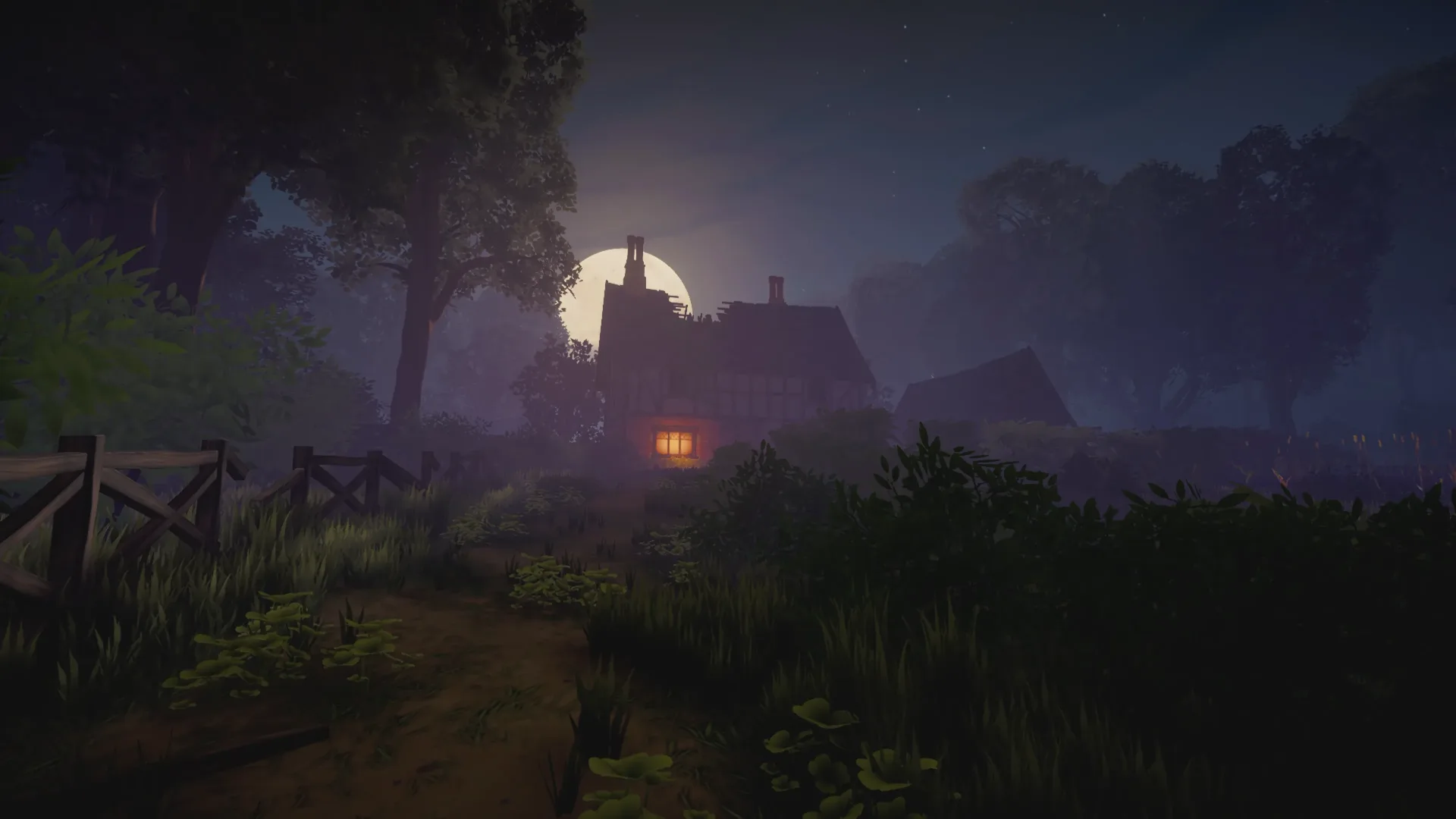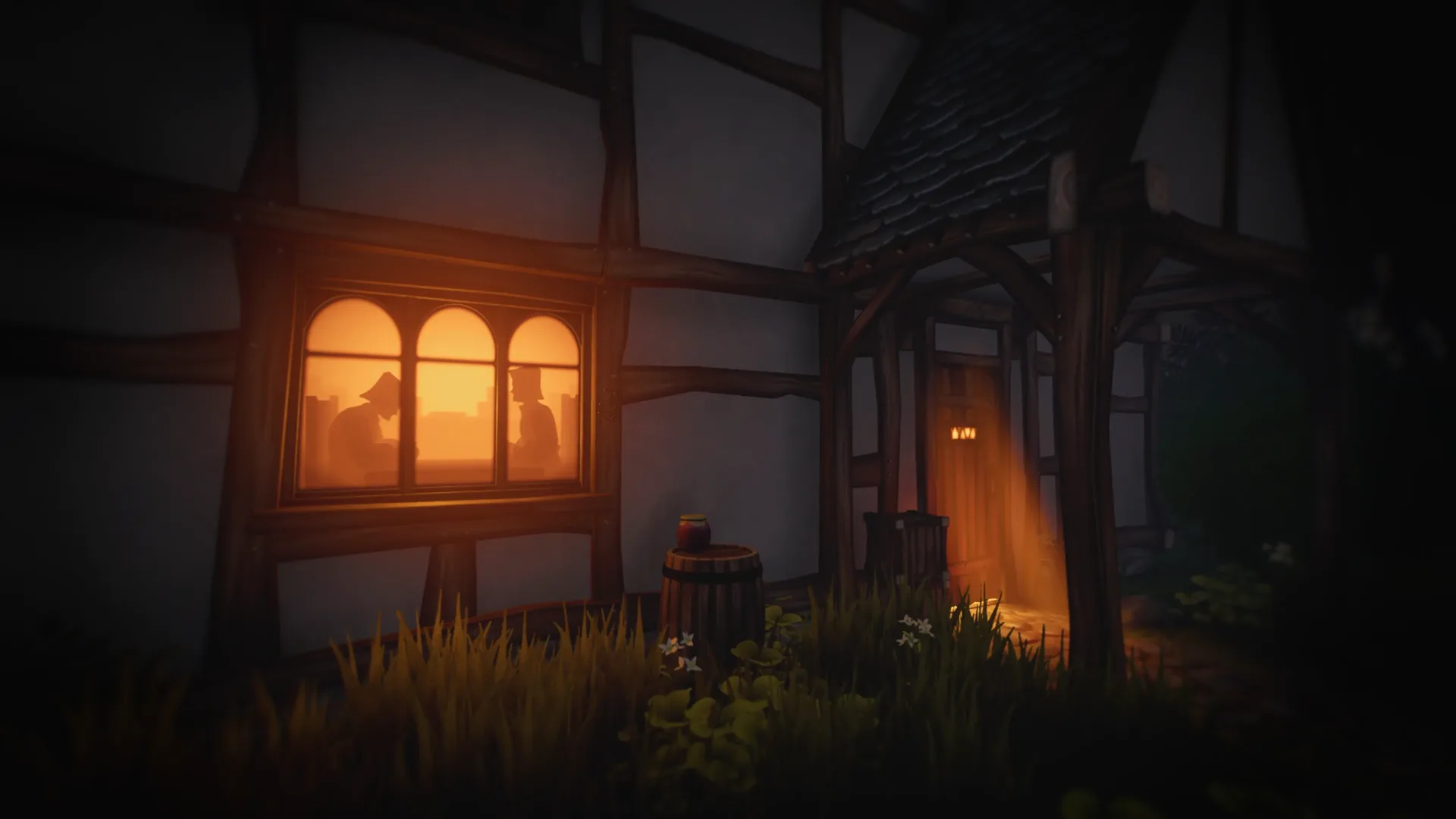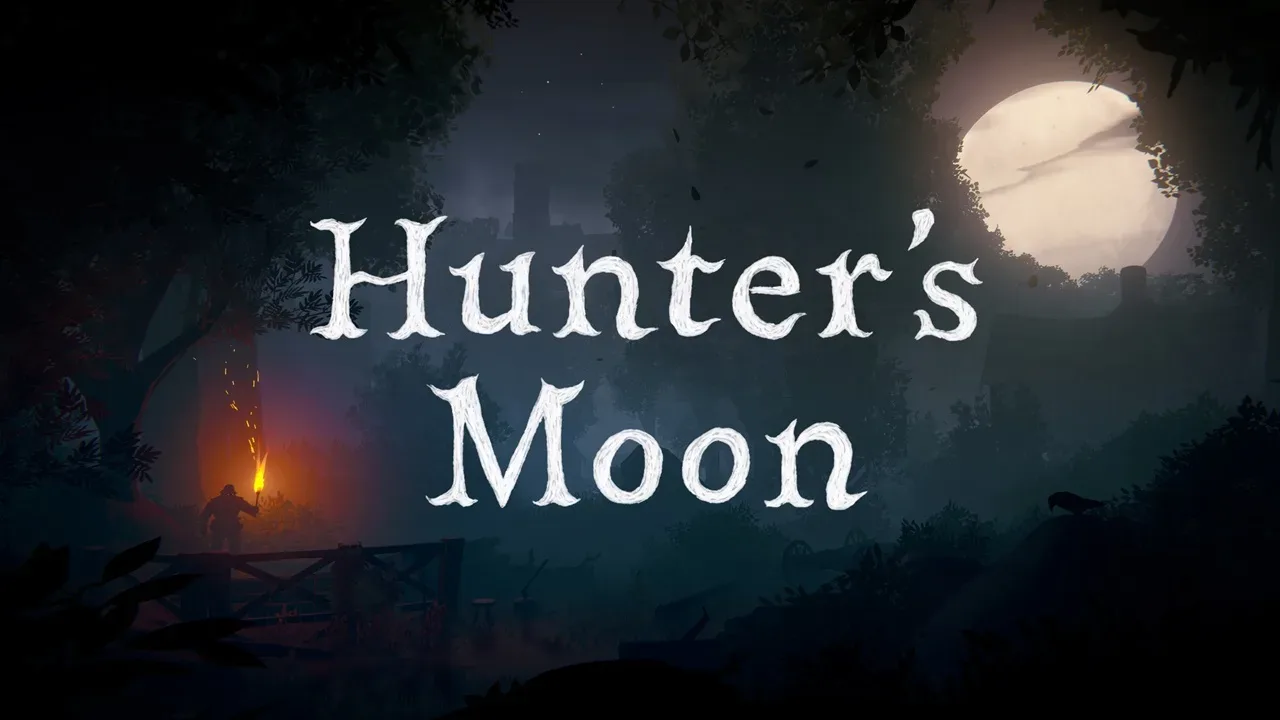
Hunter’s Moon, an immersive first-person folk-horror game from independent studio Twin Swans, is scheduled to launch exclusively for PlayStation 5 on Monday, October 26. Review keys have been made available ahead of release, although reviews, guides and video coverage are under embargo until 00:00 UTC on October 26.
That timing means prospective players will not have published critical coverage to consult before the embargo lifts. The game is positioned as a tense overnight escape rather than a conventional action-horror setup: players take the role of an accused “witch” attempting to avoid witch hunters while moving through an Early Modern village.
Its premise draws inspiration from the real history of English witch hunts, but the stated playable focus is immediate and personal. The protagonist is running for her life across one fateful night, gathering information by listening to the people around her and using what she learns to aid an escape.
A horror game built around overhearing and exploration
Twin Swans describes Hunter’s Moon as being inspired by immersive theatre. In this context, that label points to a design built around moving through a setting, observing characters and piecing together stories from what players encounter, rather than simply watching a fixed narrative unfold from a distance.
For more context, explore Harley Quinn #67 Sends Harley Through a Prehistoric Jungle to Reach Poison Ivy.
The village is intended to be explored, and its cast is described as characterful. Eavesdropping is specifically named as part of the player’s toolkit, making information a central part of survival. Rather than presenting escape solely as a matter of speed or direct confrontation, Hunter’s Moon appears to frame knowledge of people, places and unfolding events as valuable.
That is an especially fitting structure for folk horror. The subgenre typically uses local customs, community pressure and an unsettling sense of place as major sources of dread. Hunter’s Moon’s village setting and witch-hunt premise suggest that danger may come not only from the hunters pursuing the protagonist, but from navigating a community and its stories while under suspicion.
There are important details that remain unconfirmed before the embargo. No assessment is yet available of how broad the village is, how much player choice affects an escape, whether there are multiple outcomes, or how systems such as stealth and exploration operate in practice. The game’s premise establishes the stakes, but the review embargo means those practical questions will have to wait until launch-day coverage begins.
Related coverage includes Hunter’s Moon PS5 Review Coverage Set for October 26 Embargo.
What “first-person folk-horror” tells players—and what it does not
First-person means the game is presented through the protagonist’s viewpoint. That perspective can make simple acts such as looking around a room, keeping out of sight or listening at the edge of a conversation feel more immediate, because players occupy the character’s visual position rather than directing her from a detached camera angle.
Folk horror, meanwhile, is a thematic description rather than a complete mechanical one. It signals the game’s interest in rural or traditional social settings, historical anxieties and collective fear. Hunter’s Moon connects that atmosphere to English witch hunts and an Early Modern village, while its central character is someone branded as a witch.
Neither label alone confirms a particular gameplay format. Hunter’s Moon has been described as an exploration-focused escape involving evasion and eavesdropping, but it has not been detailed as a combat game, a puzzle game, or a branching narrative game. That distinction matters for anyone trying to decide whether its brand of horror suits them: the available information establishes a mood and a role for the player, not a complete list of systems.
A one-night structure raises the pressure
Setting the story over a single night gives Hunter’s Moon a naturally contained dramatic frame. The accused protagonist does not appear to be undertaking a long campaign of investigation or building a safe life elsewhere; she is trying to get through an immediate crisis. The phrase “on the run for her life” makes the threat direct, and the presence of witch hunters gives the pursuit a human face.
For the player, that setup could make each conversation and detour feel consequential. If information is used to support an escape, a line overheard from a villager may carry more weight than ordinary background dialogue. That is analysis based on the stated premise, rather than a claim about how the final game plays: the embargo remains in place until release day.
The use of an Early Modern village also creates a specific dramatic contrast. The player is not entering a modern thriller with easy access to technology or outside help. Hunter’s Moon instead places its protagonist inside a close-knit historical setting, where the same people who might hold useful knowledge could also be tied to the danger she is fleeing.
The creative team behind Hunter’s Moon
Hunter’s Moon comes from writer-director Alicia Contestabile and Twin Swans. The team includes artists and developers whose past credits include The Stanley Parable: Ultra Deluxe, The Dark Pictures Anthology: Little Hope, The Witcher 3: Wild Hunt and Signalis.
Those credits identify experience across very different kinds of games, from an experimental narrative-driven title to horror, large-scale fantasy role-playing and science-fictional survival horror. They should not be treated as a promise that Hunter’s Moon will reproduce any one of those games’ mechanics or scale. What they do establish is a development team with experience connected to narrative presentation, unsettling atmosphere and game-world construction.
The original score is composed by Resina. Music can be especially important in a game centered on one dangerous night and a village full of possible threats, but the nature of the score and how it is used in play have not been detailed ahead of the embargo.
Why the embargo matters for PS5 players
A review embargo is a time restriction on when media can publish verdicts, footage, guides or other coverage using pre-release access. For Hunter’s Moon, reviews, guides and video content are all held until October 26 at 00:00 UTC.
In practical terms, that is the point when players can expect outside reporting to begin addressing questions left open by the premise: how the evasion works, how freely the village can be explored, what role eavesdropping plays in progression, and how effectively the game balances historical inspiration with its fictional horror story.
It also means there is no reason to mistake pre-release descriptions for an established critical consensus. Hunter’s Moon has a clearly defined hook—an accused witch fleeing through an Early Modern village during a single perilous night—but performance, length, accessibility options, controls and the final impact of its narrative remain matters for coverage after the embargo expires.
Players looking for a preview of the game’s tone can watch the official Hunter’s Moon trailer. For now, the confirmed picture is of a PS5-exclusive, first-person folk-horror game in which escape depends on evading pursuit, exploring a historical village and listening closely to the people within it.