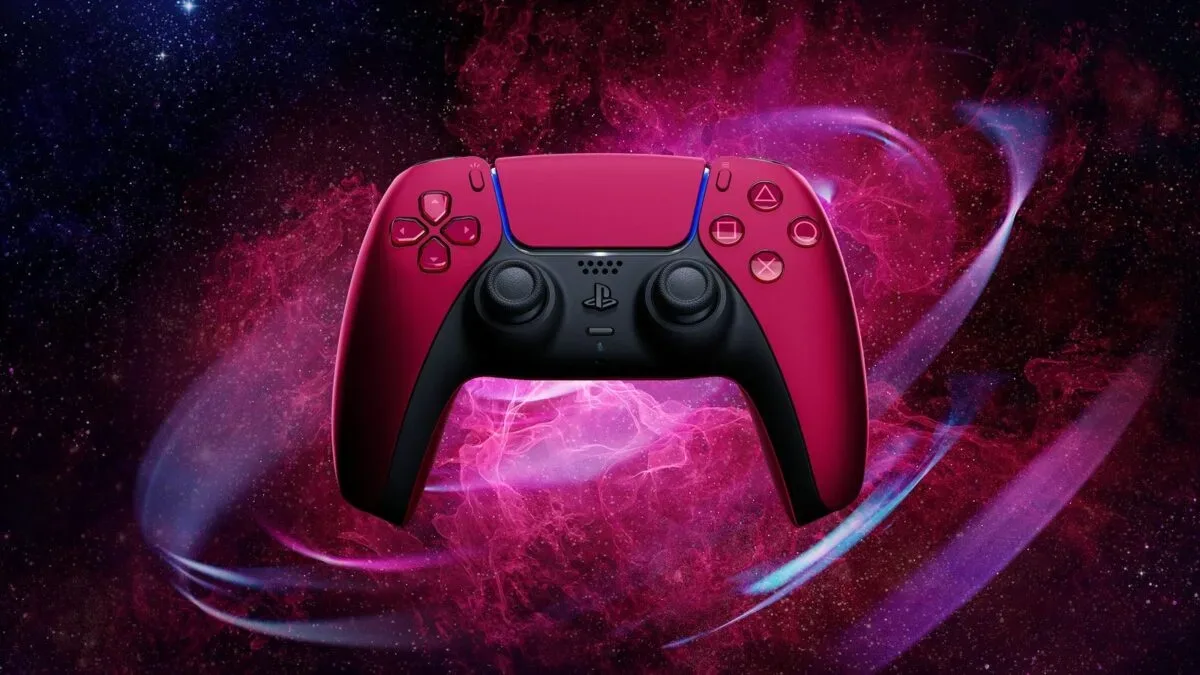
A pre-owned PlayStation 5 Pro briefly became one of the clearest examples of scarcity pricing in gaming hardware: GameStop listed the standard used console at $1,400 on October 6, despite also listing a new PS5 Pro at $900. At the time checked, neither listing was in stock.
The unusual part is not simply that the used unit cost more than a new one. Retailers may set their own pre-owned prices, but the gap here is substantial: $500 above the listed new-console price, or roughly 56% more. The listing arrives as PS5 Pro availability appears constrained and as players prepare for Grand Theft Auto 6, which is due in November.
That does not mean a $1,400 used PS5 Pro is the new official price. Sony’s suggested retail price is listed at $900, while the $1,400 figure is a pre-owned retail listing that was already out of stock when checked. Still, it is a meaningful signal of what can happen when demand concentrates around limited hardware supply—and when the product at issue is a desirable upgrade rather than a required new platform.
What was listed, and what remains uncertain
Reports of the price change began with what appeared to be an internal message circulated to GameStop stores and later shared on Reddit. The purported memo said multiple pre-owned PS5 Pro variants would move into a $1,400-to-$1,500 range and characterized the higher pricing as intentional.
An online listing for a standard pre-owned PS5 Pro then appeared at $1,400 on October 6, broadly matching the reported range. That public listing lends weight to the claim that the price change was implemented, but it does not independently establish every detail in the alleged internal message or explain the company’s motive.
GameStop was contacted for clarification about the change and its rationale. No explanation from the company is included in the available information, so the reasoning behind the price cannot yet be treated as confirmed.
There is also a distinction worth preserving between the PS5 Pro’s launch discussion and its present listed price. The machine was announced at $700, a figure that was already considered unusually high for a console. Its current suggested retail price is listed at $900. Against either number, a used-console listing at $1,400 is striking; against the current $900 figure, it is directly above the advertised cost of a new unit.
Scarcity premium: the term that explains the gap
A scarcity premium is the extra amount buyers may be asked to pay when an item is difficult to obtain. It is not an official manufacturer price increase by itself. Instead, it is a market response—sometimes from resellers, sometimes from retailers—that reflects limited supply, anticipated demand, or both.
Related coverage includes GameStop Lists Pre-Owned PS5 Pro for $1,400 as Supply Tightens.
In this case, the basic comparison is unusually simple:
- New PS5 Pro listed price: $900
- Pre-owned PS5 Pro listing: $1,400
- Difference: $500
Normally, pre-owned hardware is priced below new hardware because it has been previously owned and may carry different condition, packaging, accessory, or warranty considerations. A used price above the new list price reverses that familiar relationship. It suggests that immediate access, rather than the conventional benefits of buying new, is being priced as the premium product.
That premium only matters if someone can actually buy the lower-priced alternative. Here, the new $900 PS5 Pro listing was out of stock as well. A suggested retail price can serve as a useful benchmark, but it does not put a console in a shopper’s cart. When stock is absent, available used inventory may become the item being priced around urgency.
Why trade-ins matter to the economics
Former GameStop employees have suggested that limited access to new PS5 Pro inventory may be part of the explanation. New consoles can be costly to stock and may need to be sold at the listed price or bundled with other items. Used systems operate under a different model: the retailer obtains them through trade-ins and has more freedom to set the resale price.
That does not prove that GameStop is prioritizing pre-owned inventory or that any particular trade-in offer was unfair. But it identifies why a retailer’s incentives could differ across new and used hardware. The purchase cost of a trade-in is not the same as the wholesale cost of a new console, and the resale price is not bound to the manufacturer’s suggested price in the same way.
For people considering a trade-in, the practical implication is straightforward: scarcity can affect both sides of the transaction. If a particular console is hard to find and is being listed at a premium, owners should understand what it is currently selling for before deciding whether an offered store-credit amount reflects its value to them. That is not a guarantee that every private or retail sale will command a premium, especially because condition and local demand can vary. It is a reason to compare the offer with current listings rather than assuming a standard trade-in formula tells the whole story.
Grand Theft Auto 6 and the urgency to upgrade
The timing is central to the discussion. Grand Theft Auto 6 is expected in November, and a major release can sharpen interest in higher-end hardware even when the console itself is not new. Some buyers may be weighing an upgrade now because they want the strongest available PlayStation setup before a blockbuster launch.
That kind of demand is particularly sensitive to timing. A shopper who believes they need a PS5 Pro before a specific game arrives may be more likely to accept a price that would otherwise be easy to reject. The closer a deadline feels, the more “wait for stock” can seem like a less satisfying option—even though waiting may still be the most financially sensible choice when the only available used unit costs far above the new listed price.
It also underlines an important limitation: no evidence here establishes that a PS5 Pro is necessary to play Grand Theft Auto 6, or that paying a scarcity premium will provide a particular advantage in that game. The reported price movement is about demand and availability, not a recommendation to upgrade. For a broader look at the pressure points shaping the game business, see this examination of what a major PC gaming platform should improve.
Not the same as marketplace reseller pricing
Other major retail sites, including Walmart, Best Buy, and Amazon, have also displayed PS5 Pro listings at $1,400 or more. Those listings are not necessarily comparable to GameStop’s own pre-owned price, however. They were identified as offers from third-party resellers or partners rather than direct sales from the retailers themselves.
This is a useful distinction for shoppers. A page carrying the name of a large retailer can contain either stock sold by that retailer or stock sold by an outside marketplace merchant. The checkout path, condition description, return terms, and seller accountability can differ. The listing label matters as much as the headline price.
GameStop’s $1,400 listing is notable precisely because it was presented as the chain’s pre-owned console listing rather than merely an external seller’s offer sitting on a marketplace page. That makes it a more direct example of a retailer pricing used hardware above the listed new price during a period of constrained availability.
What shoppers can take from the listing
The available facts point to a narrow but useful lesson: distinguish list price, stock status, and seller type. A $900 new price is the official benchmark shown on the retailer’s site, but it does not mean $900 units are available. A $1,400 used listing signals what one retailer may ask for immediately obtainable inventory, but it does not turn that figure into an official price or prove that every used PS5 Pro has the same value.
- Check whether the listing is new or pre-owned.
- Check whether it is sold directly by the retailer or by a third-party partner.
- Compare the price to the current $900 suggested retail benchmark, not only to other inflated listings.
- Factor in the actual stock status before treating a lower listed price as a real alternative.
- Do not infer that an imminent game release makes a PS5 Pro mandatory or validates any specific premium.
The $1,400 used PS5 Pro listing may be out of stock, but its significance remains. It shows how quickly the usual used-versus-new price logic can flip when high-end console inventory is tight and a major release is close enough to turn ordinary upgrade anxiety into a premium business opportunity.