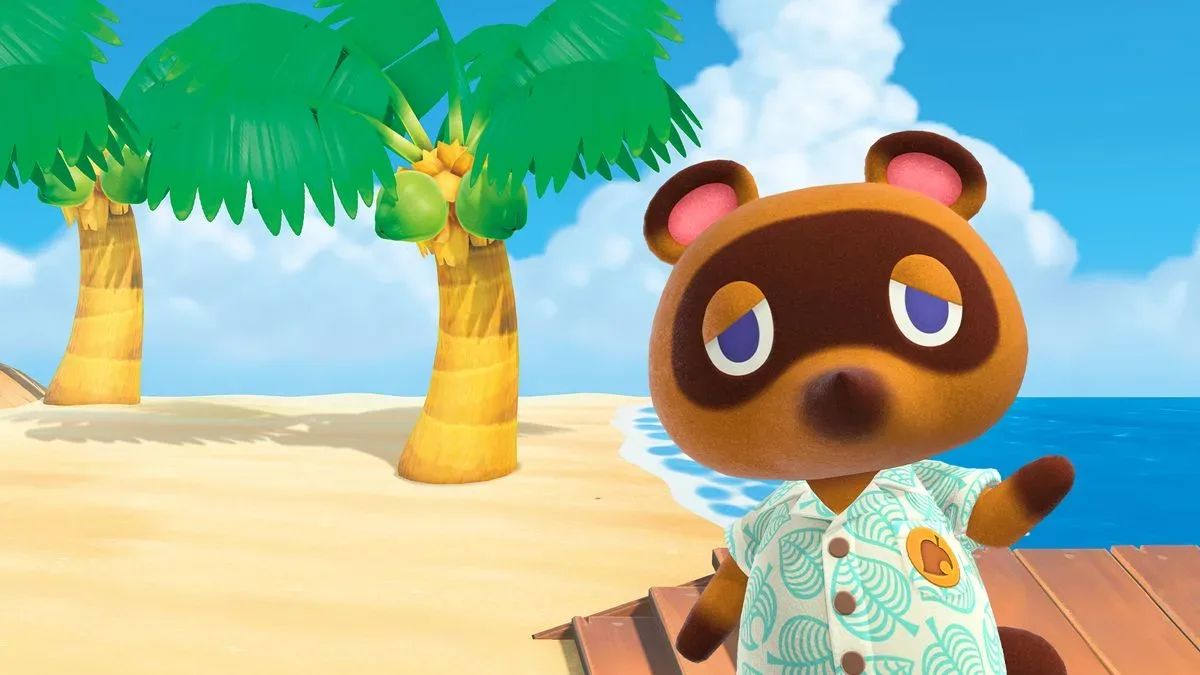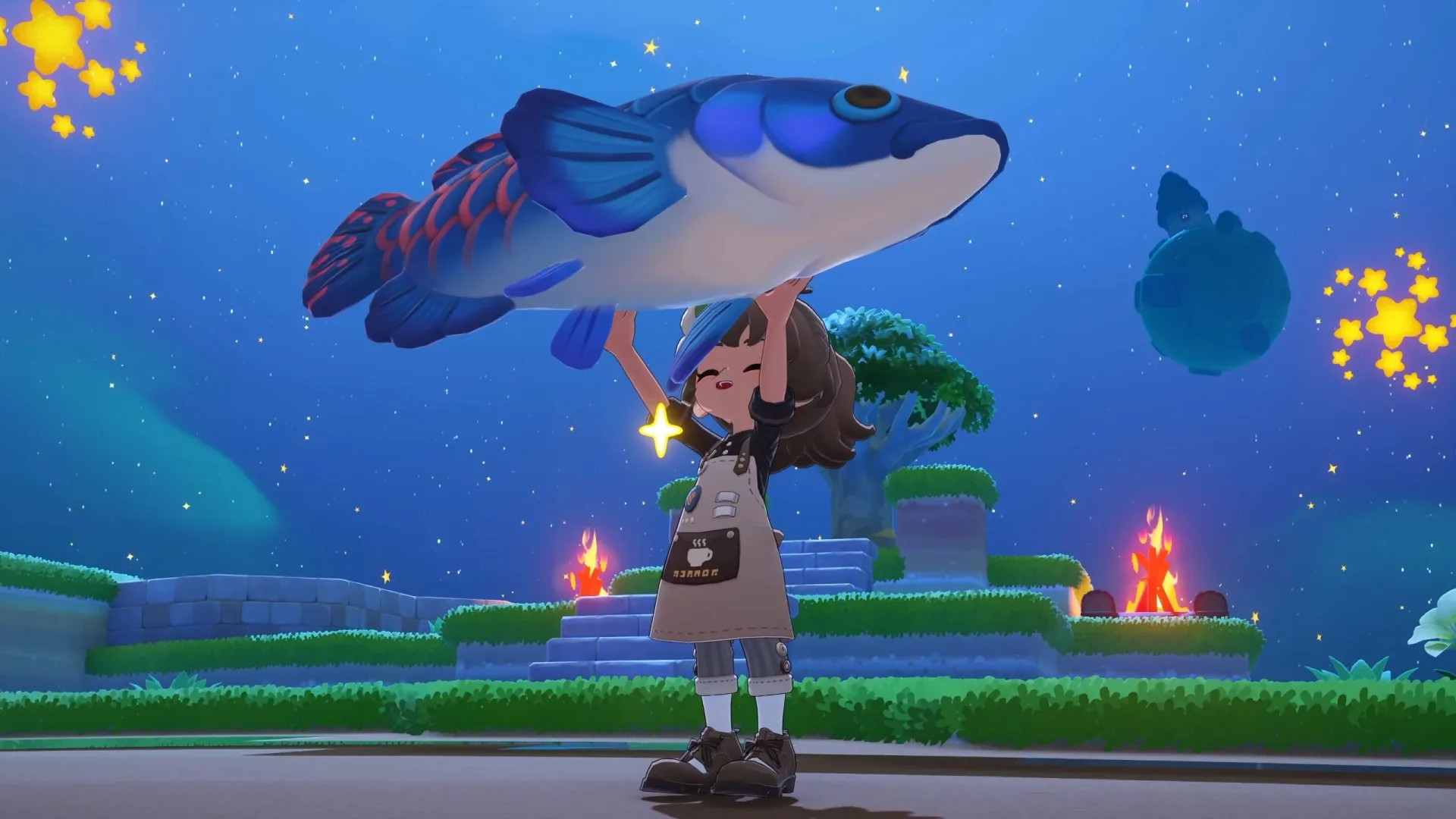
HoYoverse’s Petit Planet has a difficult balancing act ahead of it. Its opening hour appears deliberately fluent in the language of the cozy life sim: a small personal world, a bug net, a fishing rod, fruit trees, home decorations and animal-like neighbors. Those are not subtle reference points, and players who spent years arranging islands in Animal Crossing: New Horizons are likely to recognize the rhythm immediately.
But familiarity is not automatically a failing in a genre built around routine, comfort and incremental progress. The more interesting question is whether Petit Planet can turn that familiar foundation into a world with enough personality and momentum to sustain the long haul. Early material points to two possible answers: a Luca-based planetary-growth loop and a stronger emphasis on individually characterized, fully voiced residents.
The game is described as launching later this year. Its first hour alone cannot establish whether the broader progression will retain players, but it does clarify the creative lane HoYoverse is working in: a cute, cosmic life sim where tending a tiny planet is both the setting and the main engine of advancement.
A personal planet with recognizable cozy-game tools
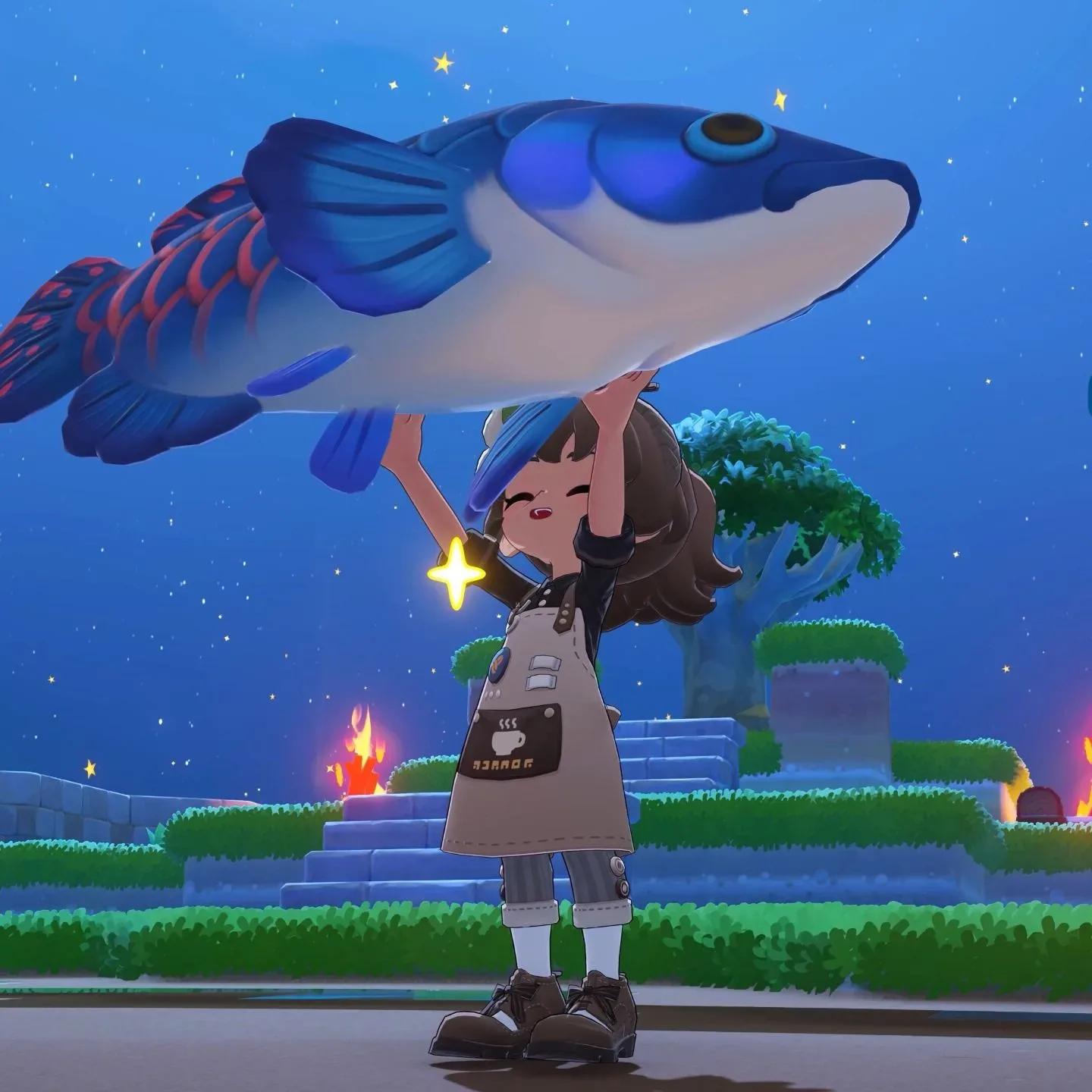
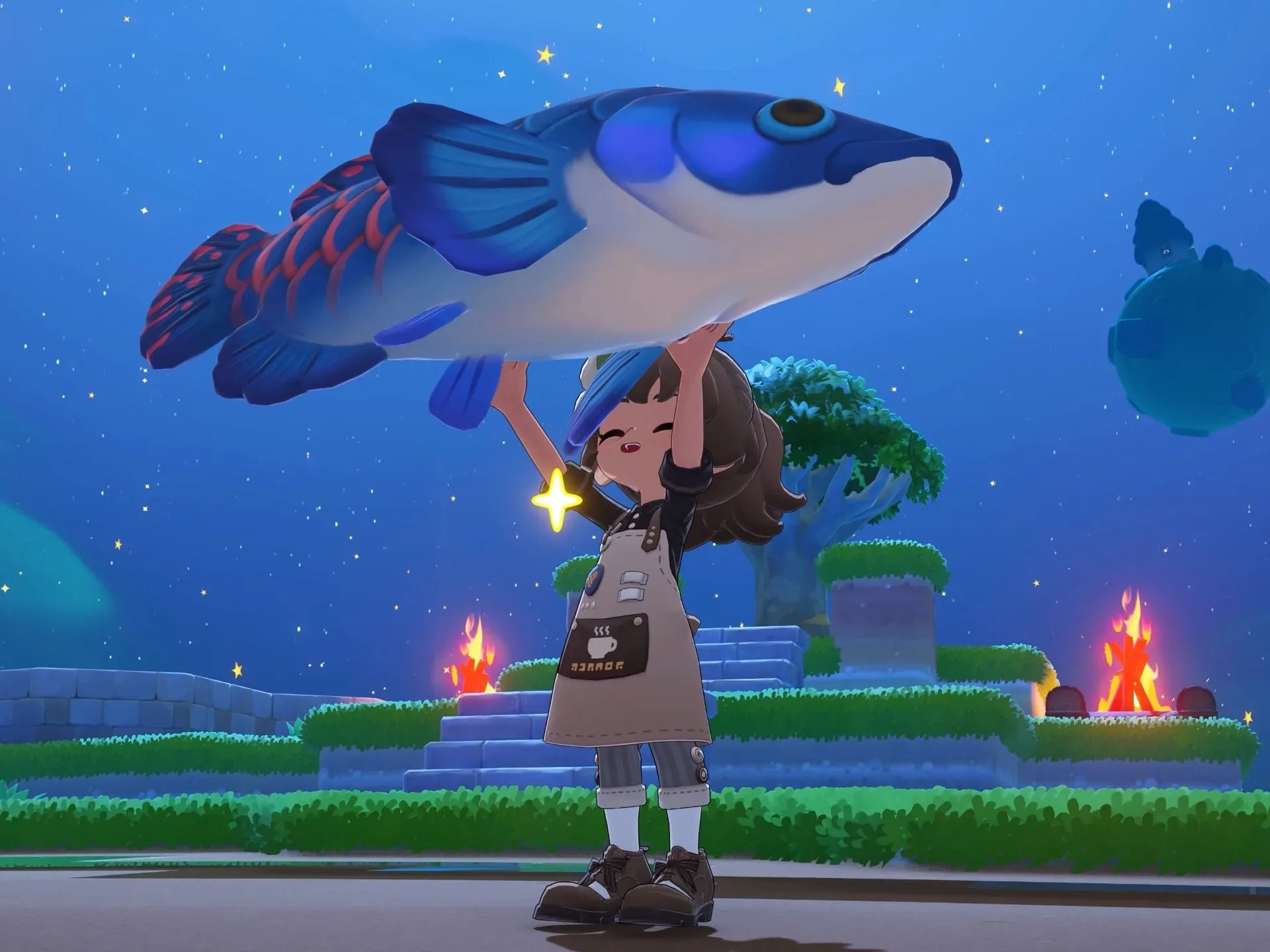
The premise starts in space, though the player’s day-to-day home is a very small planet of their own. That galactic framing provides a visual distinction, but the activities introduced early on remain grounded and approachable. Players can catch bugs, fish, shake fruit from trees and arrange objects around their home. Even small décor choices, including string lights, are positioned as a way to make the space feel lived in.
That list is important because it describes the genre’s basic appeal. A life sim is generally a game organized around low-pressure daily activities, building up a home or community, and making personal choices about how a space looks and feels. Rather than racing toward a single fixed finish line, players often establish their own priorities: collect items, improve a home, meet residents, make money or simply maintain a pleasant routine.
Petit Planet seems to embrace that structure rather than reject it. Its resident designs also invite comparison with the animal inhabitants of Animal Crossing. The game is not hiding the inspirations that make the genre legible to a wide audience. The potential risk is that early recognition can become an unfavorable comparison if its activities lack a distinctive reason to keep going once the novelty of a new setting fades.
That is why a pleasant opening is only a starting point. Cozy games do not necessarily need constant action, but they do need a satisfying cadence: enough predictable activity to be relaxing, enough surprises to prevent routine from becoming obligation, and enough visible change for effort to feel meaningful.
The Luca seed is the early progression hook
The first major objective in Petit Planet is to raise a mysterious Luca seed into a large tree. Doing that requires Luca, a magical essence collected in jars. The game introduces Luca through activities such as bug catching and fishing, turning ordinary chores into contributions toward the larger project.
Related coverage includes Petit Planet's First Hour Suggests HoYoverse Is Building a Cozy Cosmic Life Sim.
Each stage of growth brings more life and activity to the planet, which then creates more Luca to gather. This is an example of a gameplay loop: a repeating sequence in which a player performs actions, earns a resource or reward, unlocks a change, and gains a reason to perform further actions. In this case, the loop appears to be:
- Take part in familiar life-sim activities.
- Receive or collect Luca.
- Use Luca to develop the seed and its tree.
- See the planet become more active.
- Gain further opportunities to obtain Luca.
It is a sensible way to give low-stakes activities a shared purpose. Fishing and bug catching can be enjoyable on their own, but connecting them to the planet’s growth may make them feel like parts of a broader restoration or nurturing project rather than isolated minigames.
Still, the eventual value of the loop depends on variables that remain unknown from the early showing. How often does the planet meaningfully change? Are new activities and decisions introduced alongside those changes? Does the player retain freedom to pursue their own goals, or does Luca become a repetitive requirement? Those questions matter because the genre’s biggest challenge is usually not teaching its first few actions. It is keeping those actions rewarding after many sessions.
Longevity, not novelty, is the real test
Life sims can make a terrific first impression because their basic actions are immediately understandable. Catch something, plant something, place furniture, talk to a neighbor: players know what these verbs mean, and the feedback is usually pleasant. Long-term success is more demanding. When the initial batch of furniture, tasks and residents is no longer new, the game needs to make return visits feel worthwhile.
Petit Planet has not yet shown enough to settle that question. What the first hour does establish is that HoYoverse is building around a recognizable structure instead of treating the cosmic setting as an excuse for an entirely different genre. For prospective players, that is useful expectation-setting. Anyone looking for a radically unfamiliar simulation may want to wait for more detail. Anyone who wants an approachable, space-flavored version of established cozy-game rituals has a clearer reason to watch it.
The game’s visual tone may help here. Its character designs and inviting look are central to its appeal, and that matters in games designed around spending repeated time in one place. A home world needs to be somewhere players enjoy visiting even when they are not chasing a major milestone. The tiny-planet setting also gives the game a natural focal point: each new addition can visibly alter a compact space that belongs to the player.
Voiced residents may be Petit Planet’s most promising difference
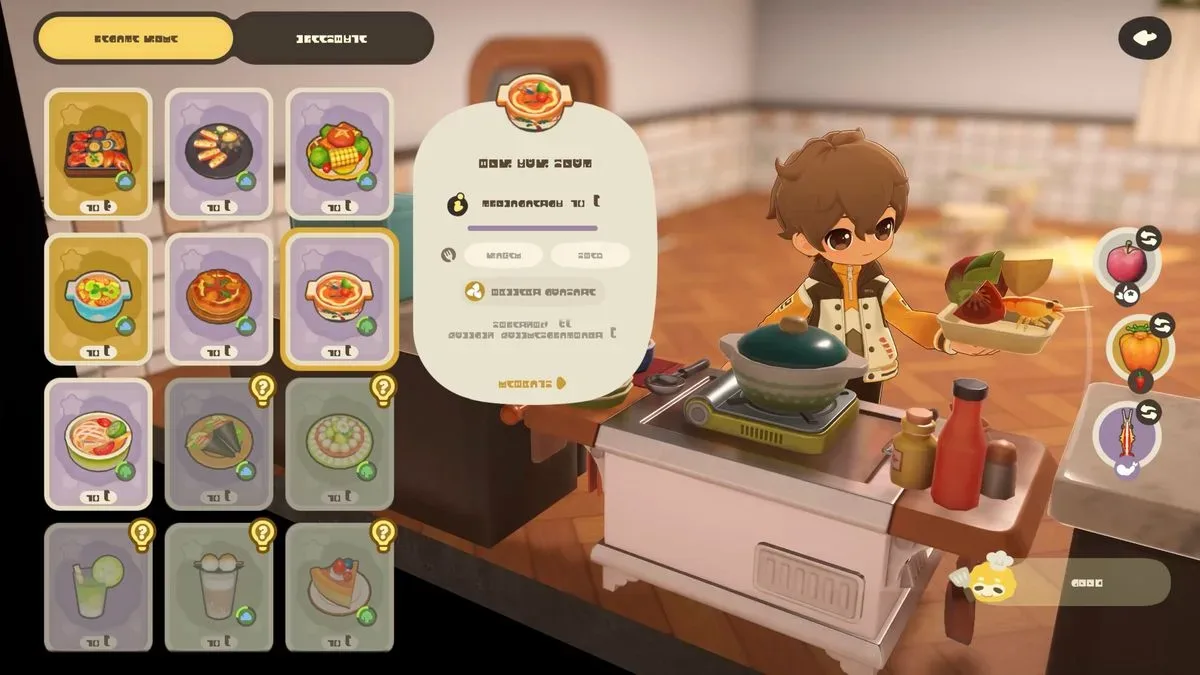
The most intriguing early distinction is not the fishing rod or the science-fiction backdrop. It is the apparent ambition for the residents themselves. Petit Planet uses voiced characters, and its menus suggest relationship-building and character-development systems that may go beyond simple exchanges with broadly defined personality types.
The first resident introduced is Yunguo, a shy fox-like farmer who decides to move in next door. The early presentation gives her a defined disposition, while the relationship-related menu pages imply that getting to know residents could involve more than repeatedly giving gifts and receiving a standardized reaction.
That does not guarantee depth. Menu categories are not the same thing as a complete relationship system, and the first hour cannot demonstrate how far any individual story might develop. But it identifies a plausible route out of the comparison trap. If residents have more specific arcs, changing relationships or meaningful characterization, players may remember their planet as a community rather than simply a decorated map.
Voices can strengthen that sense of identity, too. They give written dialogue timing, tone and mannerisms that text alone cannot always provide. They can also create a new issue: repeated lines are more noticeable when spoken aloud. Mobai, a large white dog with a gentle, elderly manner, repeatedly replaces “no” with “mo” in phrases such as “mo rush” and “mo worries.” The trait is intended as a verbal quirk, but its frequent early use shows the fine line voiced cozy games must walk. A cute catchphrase can become tiring if the player hears it too often.
That is not a reason to dismiss voice acting; it is a reminder that repetition management is part of quality-of-life design. In a game where conversation is a core activity, dialogue needs enough variation that characters remain charming rather than mechanically predictable.
What the early look does—and does not—tell us
There is a clear early identity here: Petit Planet is a cozy, colorful life sim that puts a personal planet at the center of the player’s routine. Its bug catching, fishing, fruit gathering, decorating and animal-like neighbors make comparisons to Animal Crossing inevitable. The Luca seed offers a connective progression system, while the focus on voiced, more individual residents could be its strongest means of developing a voice of its own.
There are also important unknowns. The early slice does not establish the full breadth of activities, the pace of planetary change, the longevity of the Luca loop or the actual depth of its character systems. Nor does it answer the larger question facing every new cozy game: whether its routines will feel soothing months in, rather than merely pleasant on day one.
For now, the most reasonable read is cautiously positive. HoYoverse appears to understand the appeal of the genre’s trusted rituals and is pairing them with a setting that is warm rather than coldly futuristic. If the Luca loop continues to evolve and its residents become genuine characters rather than decorative neighbors, Petit Planet could have the ingredients it needs to be more than cosmic Animal Crossing shorthand. For another game-world-adjacent perspective, see the latest on the theatrical version of Resident Evil.