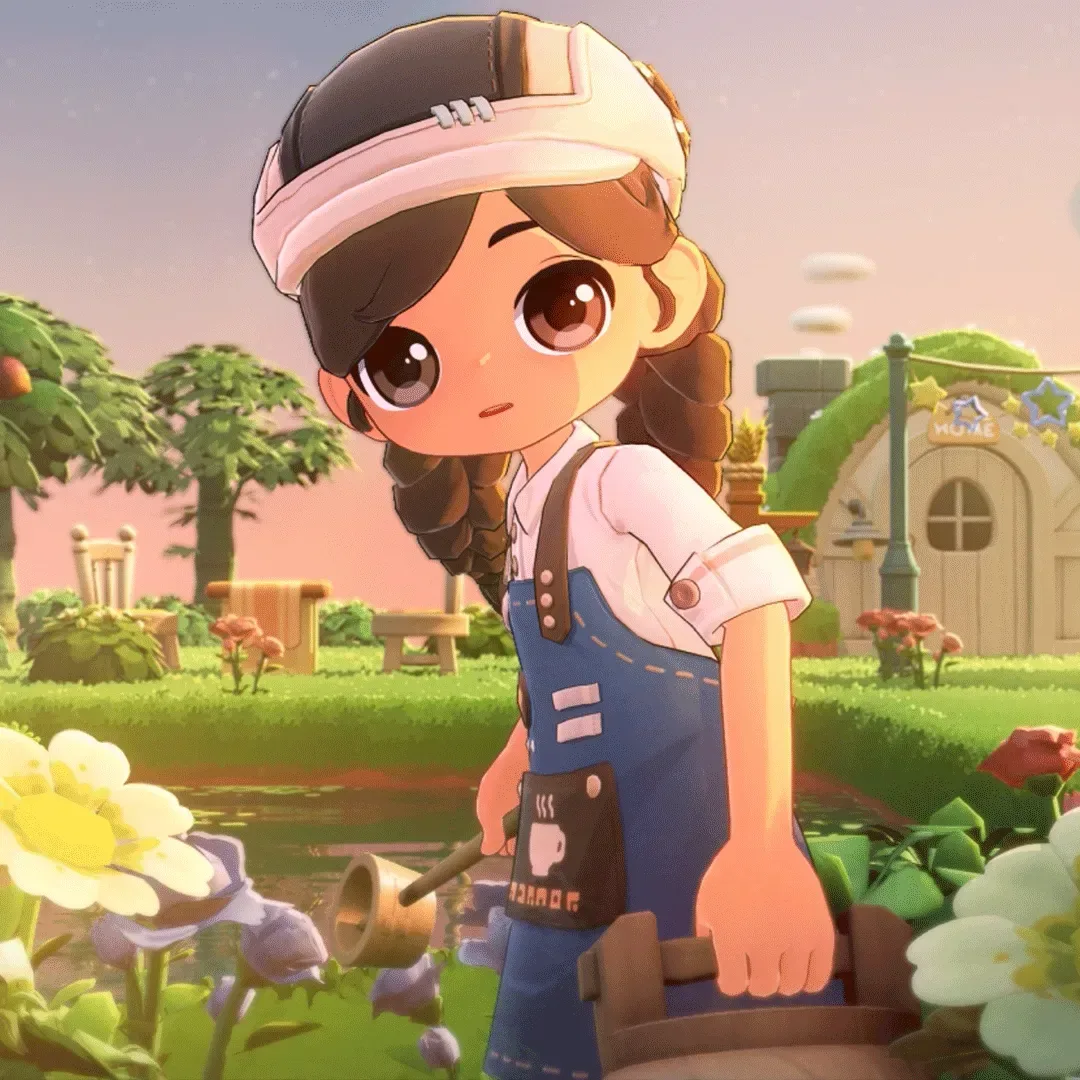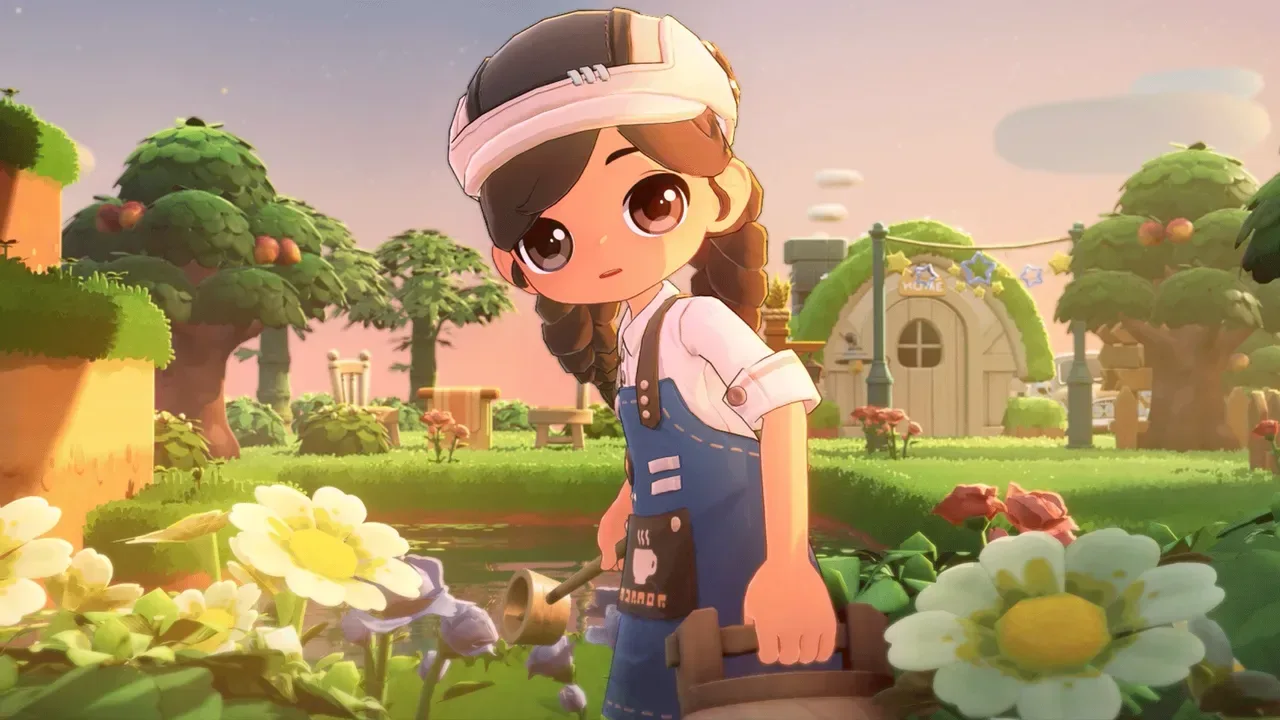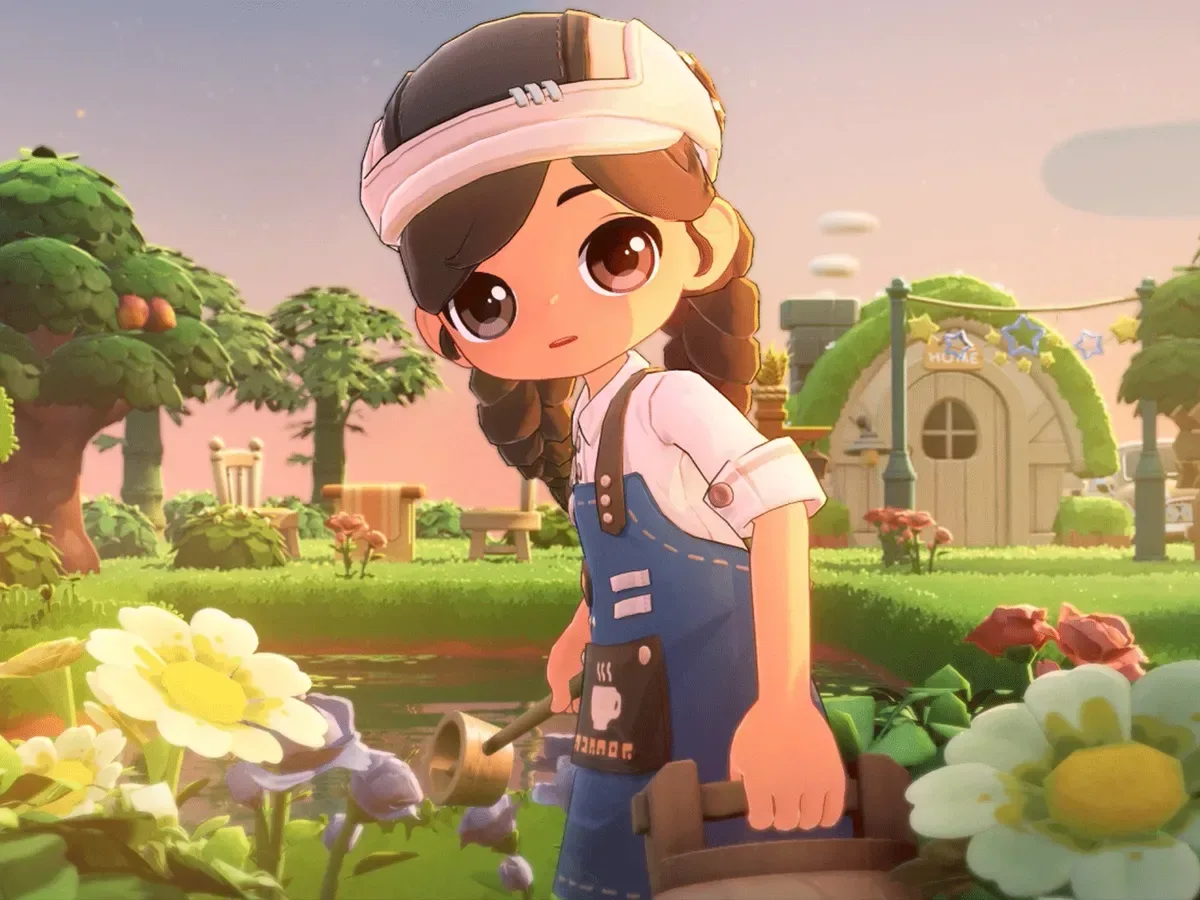
Hoyoverse’s intergalactic life simulation game Petit Planet is planned for Nintendo Switch 2 in 2027. The console version follows the game’s scheduled December 4, 2026 launch on PC, iOS and Android.
The broad appeal is easy to understand: Petit Planet frames the familiar cozy-sim loop around a tiny world of one’s own, then pushes that world into a wider spacefaring setting called Starsea. Players begin by caring for their personal planet, but are also able to travel to small islands in the sky and visit the Galactic Bazaar, a shared hub that includes in-game auctions and community-oriented features.
For players who prefer their games with décor catalogs, friendly neighbours and a minimum of interstellar panic, that is a promising elevator pitch. The important caveat is that the Switch 2 window is currently only a year, not a specific date. The announcement also does not establish whether the console edition will arrive with all content available on the other planned platforms, how cross-platform play may work, or how the game’s free-to-play model will be structured.
A small planet is the starting point, not the whole map
Petit Planet was announced in September 2025. Its premise begins with planet care, which appears to be the player’s domestic and creative base: a place for home decoration, interaction with neighbours and the incremental routines that define the life-sim genre.
Life sim is a broad label, but it generally describes games centered on recurring social, customization and management activities rather than a fixed series of combat encounters or a linear campaign. In Petit Planet’s case, the disclosed pieces include neighbours, home décor and mini-games. That combination suggests a game designed around regular check-ins and self-directed priorities: arrange a space, meet characters, take on a diversion, and decide where to travel next.
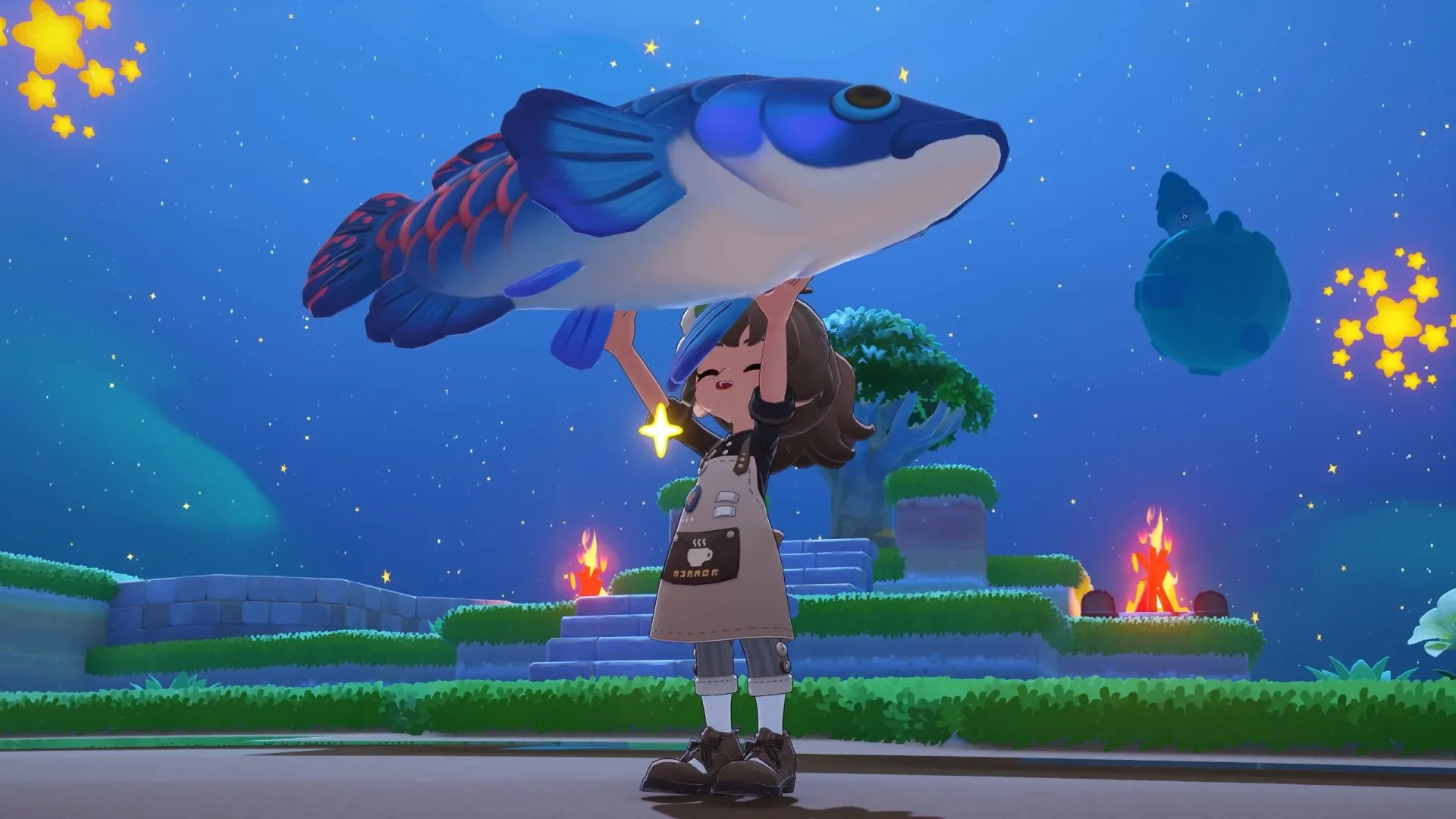
Starsea gives that formula a broader frame. Rather than making one village or island the only persistent destination, Petit Planet lets players explore little floating islands around the setting. The Galactic Bazaar, meanwhile, acts as a hub-style destination. Its mention of auctions and community features is notable because it indicates the game’s social economy is intended to extend beyond simply decorating alone on a home planet.
There is still a great deal that has not been detailed. “Auction” can mean a number of things in a game economy, from bidding systems to limited exchanges, and no rules, item types, currencies or participation requirements have been specified here. Players should avoid assuming a particular marketplace design until the developer outlines it. The same applies to the described community features: their existence has been confirmed, while their full shape has not.
Why the Switch 2 version matters
A 2027 Nintendo Switch 2 release gives Petit Planet a later console destination after its PC and mobile debut. That matters for the sort of game it is positioning itself to be. Decorating, short activities and neighbour-focused routines can suit both longer sit-down sessions and smaller bursts of play, while a dedicated console version offers another way for players to keep a persistent virtual home close at hand.
Related coverage includes Petit Planet Is Headed to Nintendo Switch 2 in 2027.
It also places the game in front of an audience familiar with Nintendo’s social and customization-focused games. A useful point of comparison is not that Petit Planet is confirmed to duplicate any one existing game’s systems, but that its presentation has already invited an obvious genre shorthand: a closed-beta preview characterized it as a Little Prince-inflected take on Animal Crossing: New Horizons, with clearer progression and multiplayer as major points of emphasis.
Petit Planet has been described as combining a charming Little Prince-inspired perspective with life-sim activities, structured advancement and multiplayer ambitions.
That comparison should be read as a thematic guide rather than a feature checklist. The Little Prince association speaks to the game’s small-planet imagery and storybook space setting. The Animal Crossing comparison signals cozy social simulation, personalization and daily-life activities. Neither label settles how deep Petit Planet’s systems will ultimately be, how quickly objectives unfold, or what its long-term endgame will look like.
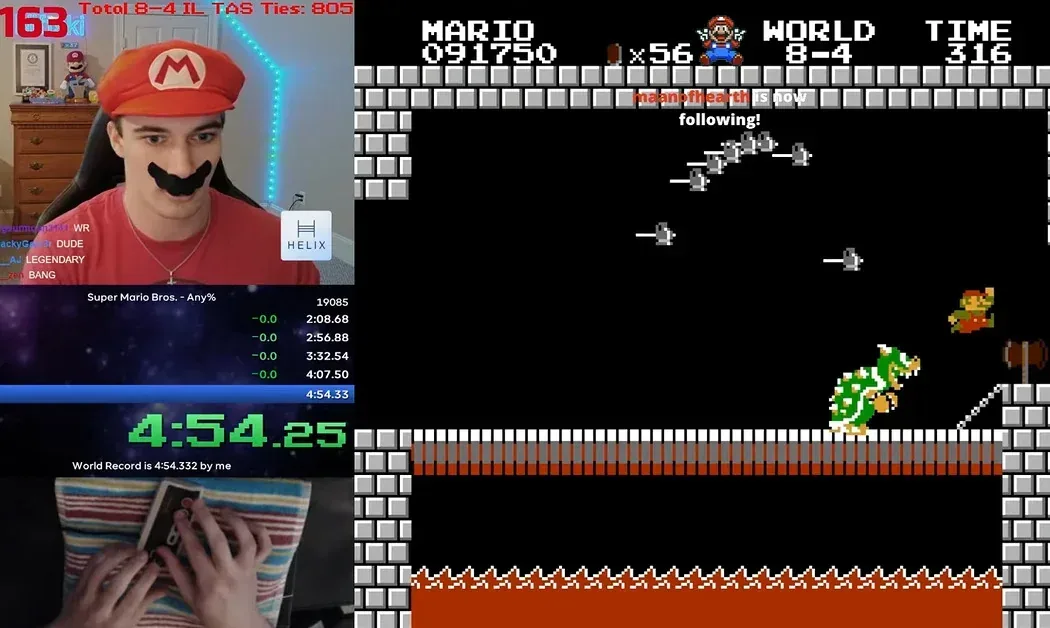
For Nintendo players tracking upcoming releases, there is also plenty of other platform news worth keeping an eye on, including a recent Super Mario Bros. speedrunning milestone. Petit Planet occupies a very different lane, but its eventual arrival adds another prospective option to Switch 2’s growing software slate.
Progression and multiplayer are the big questions
The prior preview’s emphasis on clear progression is particularly meaningful in a cozy life sim. Progression refers to the systems that show a player they are moving forward: unlocking new areas, gaining access to tools or décor, expanding relationships, receiving new activities, or otherwise opening the next layer of the game. Some players want a gentle, open-ended routine; others want more explicit goals. A game can support both, but the balance changes how it feels from week to week.
Petit Planet’s planet-to-islands-to-bazaar structure could potentially give progression a natural spatial rhythm. Care for the home base, venture into nearby locations and return to a social hub is a readable setup. Yet the disclosed information does not say what triggers access to each activity, whether exploration is gated, or whether players can pursue systems in any order. Those practical details will determine whether “clear progression” feels welcoming or restrictive.
Multiplayer likewise covers more than one possibility. It could involve visiting friends, participating in community spaces, engaging with auction systems, playing mini-games together, or other interactions. The game has been presented as having multiplayer emphasis, but the available details do not establish player counts, invitation tools, matchmaking, cross-play, shared building permissions or online-service requirements. Those are the areas prospective Switch 2 players will need clarified ahead of launch.
The Galactic Bazaar is the most concrete clue so far. A common hub is a central location that groups services or social activity in one place, rather than scattering them across personal worlds. In theory, it could make community interaction easier to find and give players a regular reason to leave their own planets. In practice, its usefulness will depend on how understandable the auction and community systems are, and whether they complement the relaxed tone instead of turning routine play into constant market watching.
Free-to-play deserves careful, specific questions
Petit Planet is free to play. That means players will not need an upfront purchase to begin on the announced PC and mobile platforms, and it is the model attached to the game as a whole. It does not by itself tell players what optional spending may involve.
Free-to-play games can vary enormously. Optional purchases might concern cosmetic décor, currency, time-saving items, character-related content, seasonal passes or other elements—but none of those particulars have been announced for Petit Planet in the available information. It would be premature to presume either a generous or an aggressive implementation.
The most useful things to watch for before choosing a platform are straightforward:
- Whether progression can be completed comfortably without spending money.
- Whether furniture, clothing or other customization is earnable through ordinary play as well as optional purchases.
- How the auction feature is funded and what currencies it uses.
- Whether online and social features work across platforms.
- Whether the Switch 2 edition launches alongside, behind or with feature parity to the earlier PC and mobile versions.
None of those questions should overshadow the game’s stated premise, but they are especially relevant in a title where personalization and community exchange may become central to the experience. A cozy game earns trust when players can understand what is a relaxing optional pursuit, what is part of normal advancement, and what—if anything—carries a real-money cost.
Events and pre-registration begin ahead of launch
The latest update also introduces pre-registration reward opportunities and a “Launch a Planet” event on Petit Planet’s official website. The event begins November 1, 2026. Specific reward contents and eligibility rules were not detailed in the provided announcement, so interested players should check the official event information directly before signing up or making assumptions about which platforms qualify.
Pre-registration campaigns are a common way for a game to gather interest before release, often pairing sign-ups or participation milestones with bonuses. The term alone does not guarantee a particular reward, and it does not answer whether bonuses will transfer between versions. Players who expect to start on PC or mobile in December and later move to Switch 2 should be especially alert for formal account-linking and save-transfer details when they are announced.
What is confirmed, and what remains open
The confirmed outline is substantial enough to set expectations: Petit Planet is a free-to-play life sim from the team behind Genshin Impact and Honkai: Star Rail; it is scheduled for PC, iOS and Android on December 4, 2026; and a Nintendo Switch 2 version is planned for 2027. Its known activities include looking after a personal planet, meeting neighbours, decorating a home, trying mini-games, visiting sky islands and using the Galactic Bazaar’s auction and community functions.
Its unanswered questions are just as important for now. There is no firm Switch 2 release date, no confirmed cross-save or cross-play plan, no detailed explanation of multiplayer, and no breakdown of the free-to-play economy. Those gaps do not lessen the appeal of a pocket-sized planet full of furniture arrangements and skybound errands; they simply define what players cannot responsibly treat as promised yet.
For the moment, Petit Planet’s clearest identity is a cozy, stylized space-life sim with more structure and social ambitions than its individual planet premise might first imply. PC and mobile players will get the first chance to see how that blend works in December 2026. Nintendo Switch 2 players will have to wait until 2027 for their boarding pass to Starsea.