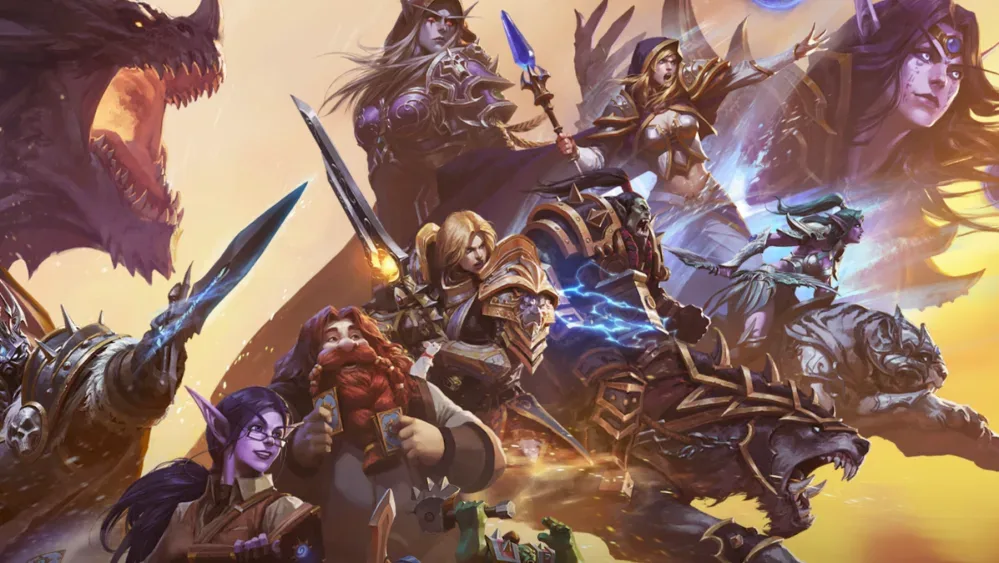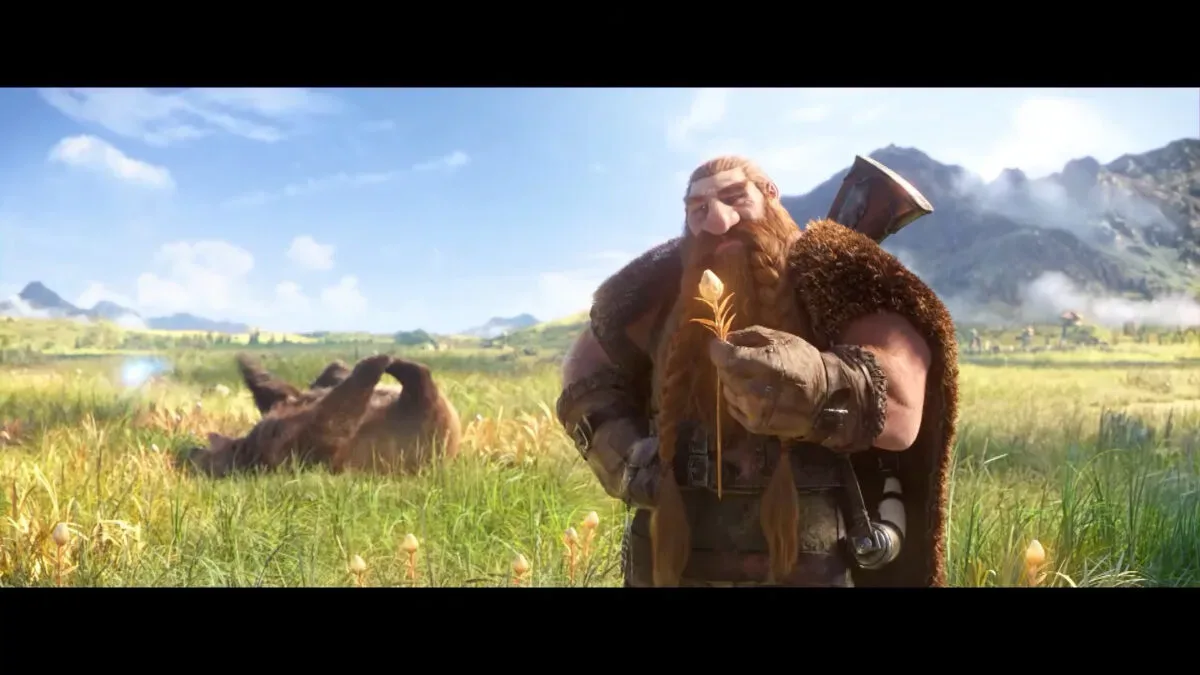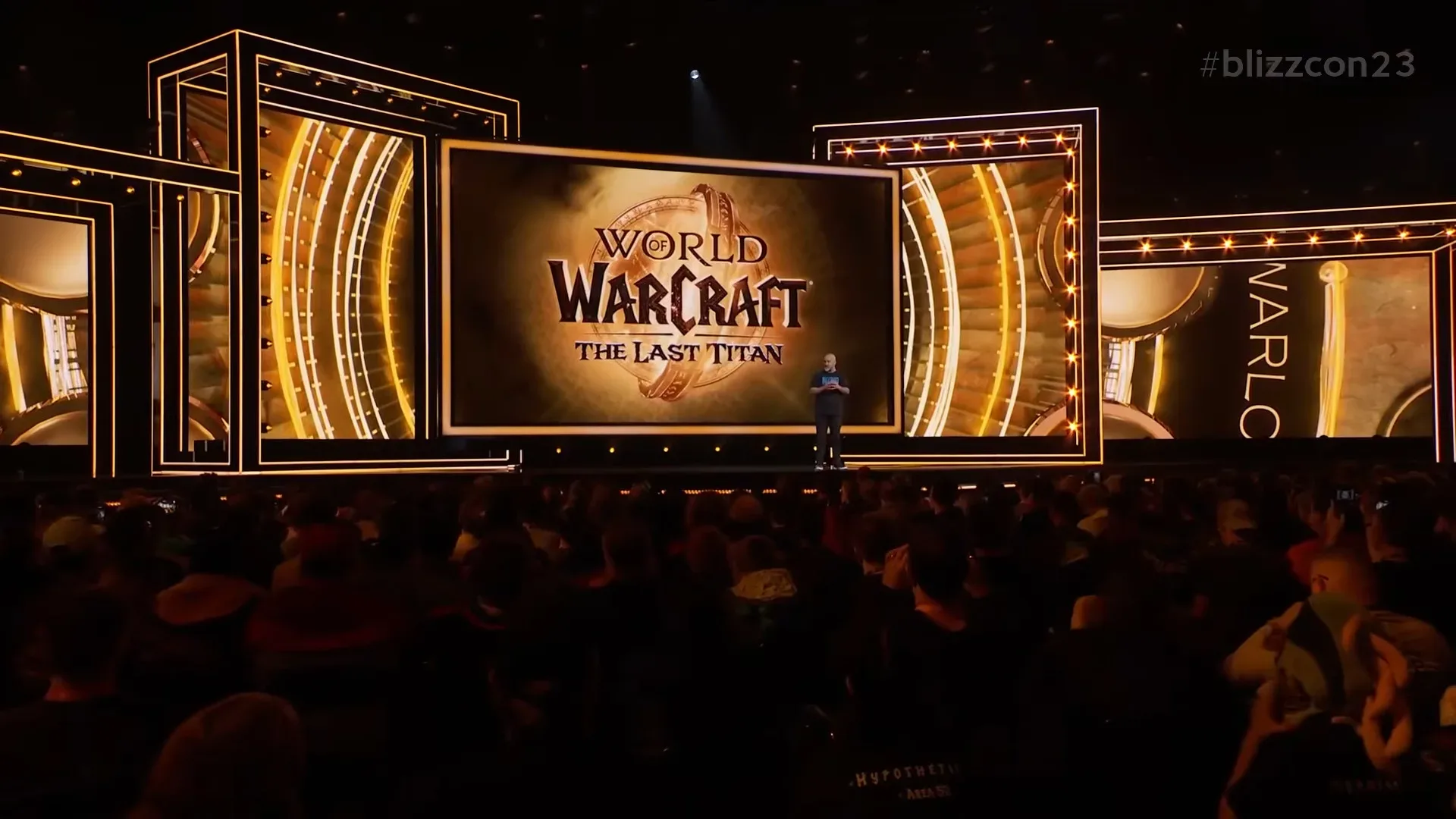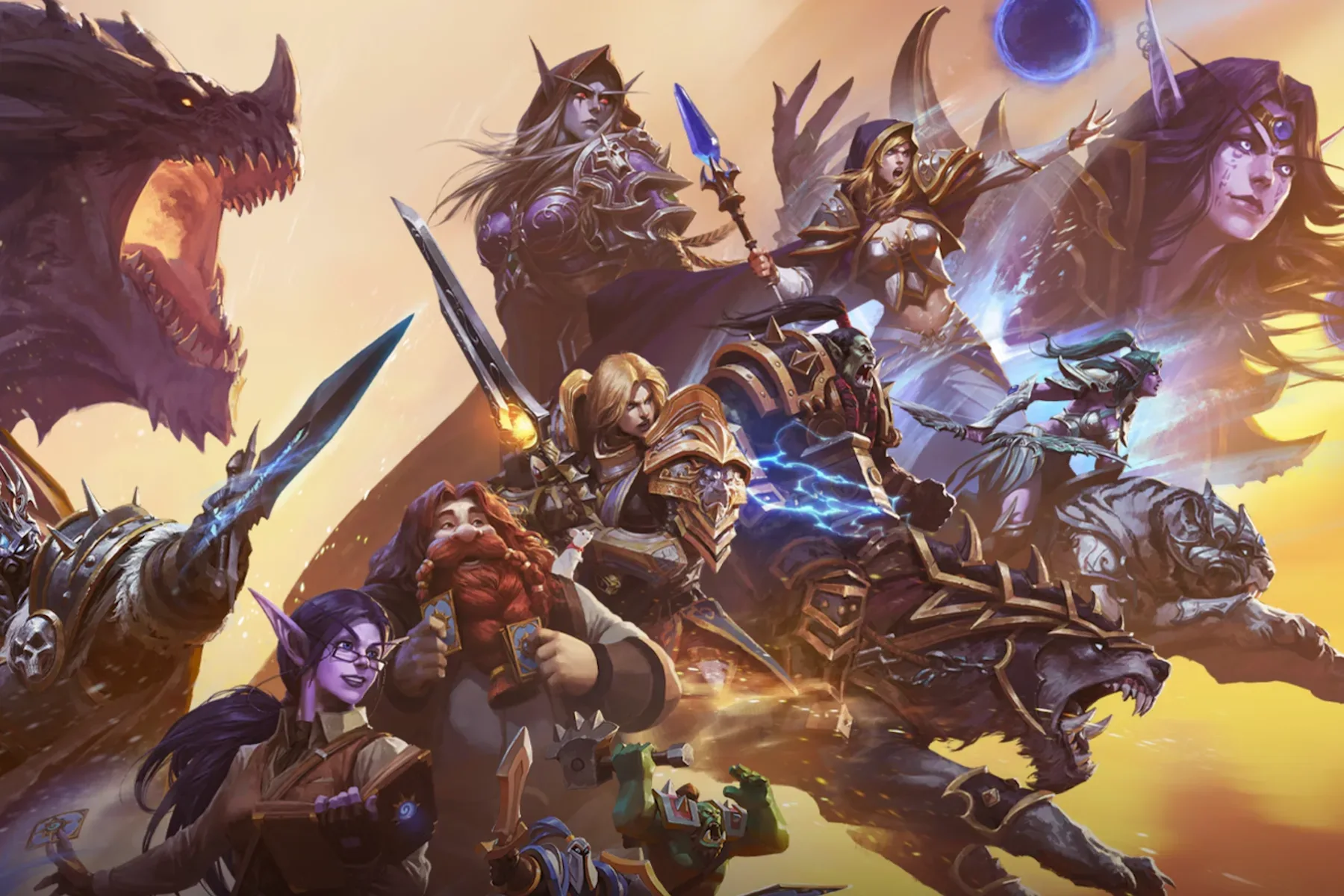
World of Warcraft Forever is scheduled to launch on November 4, returning players to the setting and era of the original 2004 World of Warcraft while introducing entirely new material to explore. Revealed at BlizzCon 2026 in Anaheim, the new MMO project is rooted in the game’s formative first year—but it is not being framed as a simple museum-piece recreation.
The initial version of Forever will have a level cap of 60. Blizzard has also confirmed three new zones, multiple overhauled zones, and a new playable race: the Skyborn Elves. Those components put substance behind the idea that this is a fresh take on early Azeroth rather than a straightforward return to an already familiar version of it.
For years, players have used “Classic+” as shorthand for the wish that a classic-era World of Warcraft could receive continued, purpose-built development instead of only cycling through content paths established long ago. That label was part of the speculation leading into the reveal. World of Warcraft Forever now gives the idea an official name, a release date, and a first batch of confirmed features.
Azeroth Is Meant to Be More Than a Backdrop
Holly Longdale, who leads the Warcraft franchise, described the game world itself as a principal character in World of Warcraft Forever. The stated design emphasis is on the journey, rather than rushing players toward an endpoint. It is a familiar aspiration for massively multiplayer games, but one that carries particular weight for classic-era WoW.
The early version of the game is still closely associated with long routes across dangerous territories, faction-specific starting experiences, accidental detours, group quests, and zones that could feel larger than the practical objectives inside them. At level 60, players were not necessarily done with the game; that milestone was a gateway to harder dungeons, raids, professions, reputation pursuits, social goals, and the very human project of figuring out who was actually going to show up for the next run.
By setting Forever during the original game’s first year, the project has a narrow historical foundation but room to reshape what players encounter within it. The three new zones are the clearest evidence of that approach. Blizzard has not yet detailed their locations, their quest lines, their intended level ranges, or whether they will be available immediately to every faction. Likewise, “overhauled zones” leaves plenty unanswered: an overhaul might mean revised visual presentation, new quest content, altered geography, new activities, or some mix of all of those.
Those questions matter because zones are often where a version of World of Warcraft establishes its own identity. New territory can create a different leveling route, redirect gathering and crafting habits, give role-playing communities new homes, and offer groups reasons to travel somewhere beyond the well-worn circuit. A reworked zone can do something more delicate: preserve a recognizable place while changing how and why players use it.
The Skyborn Elves Are the Biggest New Character Question
The Skyborn Elves will arrive as a new race at launch. That alone makes them one of the most consequential additions announced so far. A playable race is not merely a character-creation option in an MMO with deep faction history and years of player attachment. It immediately raises questions around starting areas, class choices, racial abilities, aesthetics, lore, faction alignment, and how the race fits into the social geography of Azeroth.
Related coverage includes World of Warcraft Forever Launches November 4 With New Zones and Skyborn Elves.
None of those particulars were included in the launch overview, so players will have to wait for more details rather than filling gaps with assumptions. It is not yet known which side the Skyborn Elves will join, which classes they can play, or whether their introduction will be tied to one of the announced new zones.
Still, the inclusion signals that Forever is willing to add something that changes the silhouette of a classic-era party or city crowd. That is a meaningful line to cross in a project built around 2004’s first-year setting. The core tension will be whether new additions feel like discoveries that could naturally belong in that period, while still being surprising enough to justify a separate game experience.
A Level 60 Ceiling Sets the Immediate Scope
The level-60 cap places World of Warcraft Forever in the original game’s foundational bracket. It provides a shared reference point for veterans and a comprehensible destination for newer players, even if the team’s stated priority is the route through the world rather than a race to maximum level.
That cap also tells audiences what has not been announced. There is no confirmation here of a launch tied to later expansion-era level ranges, nor an outlined progression schedule beyond the initial release. Blizzard has confirmed the November 4 debut and its opening features, but has not yet specified how future content updates will unfold, whether further zones will be added, or how endgame activities will be structured.
That restraint is sensible at this stage. Classic-era communities often care as much about cadence as content: when an activity becomes available, how quickly characters progress, and whether the community has time to inhabit a phase before the next one arrives can shape the whole character of a server. The name Forever naturally invites big questions about longevity, but November’s launch package is the concrete information currently on the table.
A Fresh Warcraft 3 Campaign Arrives the Same Day as Its Announcement
BlizzCon’s Warcraft news was not limited to the MMO. The team also announced a new campaign for Warcraft 3, the first new campaign for that game in more than 20 years. It launches September 12, the day of the announcement.
That makes for an unusual pairing: one Warcraft release asks players to wait until November, while another becomes available immediately. The two projects also sit at different points in the franchise’s long history. Warcraft 3 helped establish characters, conflicts, locations, and storytelling threads that became central to the MMO, whereas World of Warcraft Forever returns to the MMO’s beginning while adding new elements to its early-world framework.
The shared timing suggests a broad interest in keeping older Warcraft eras active rather than treating them strictly as archival milestones. For PC players keeping tabs on a busy release calendar, our roundup of indie games to put on your radar offers a separate look at what else is competing for attention beyond Azeroth.
BlizzCon Also Outlined Big Plans for StarCraft and Diablo
Elsewhere during the opening ceremony, Blizzard outlined a long-range slate that reaches well beyond the immediate Warcraft announcements. A new StarCraft game is planned for 2030. Diablo V is slated for 2029. A Diablo animated television series is also in development at Netflix.
Those dates are distant enough that they should be read as early planning markers, not as a complete picture of their respective games or show. No platform details, gameplay information, or release specifics beyond the stated years were included for the new StarCraft and Diablo V projects. Likewise, the announcement of the animated series confirms it is in the works, but does not establish a premiere window or creative details.
In contrast, World of Warcraft Forever is near enough to launch that its basic shape is visible: a November 4 release, level 60 as the initial ceiling, three brand-new zones, a number of redone existing zones, and Skyborn Elves joining the playable roster. The missing information is substantial, but the intent is clear. Blizzard is not simply replaying the first chapter of World of Warcraft; it is attempting to write additional pages into it.
What Players Can Reliably Expect on November 4
- Release date: November 4.
- Setting: the first-year period of the original 2004 World of Warcraft.
- Level cap: 60 at launch.
- World additions: three new zones and several overhauled zones.
- Playable addition: the Skyborn Elves race.
- Design focus: a world-centered experience where exploration and the journey are intended to matter.
Players should be careful not to turn the unanswered questions into confirmed features. There has been no announced class list for Skyborn Elves, no detailed map breakdown for the new areas, no stated platform information, and no full post-launch roadmap in the information released so far. But after a long period of fan speculation around the notion of a “Classic+” experience, World of Warcraft Forever now has an official identity and a clear starting point: Azeroth on November 4, with some unfamiliar roads waiting beyond the ones players remember.