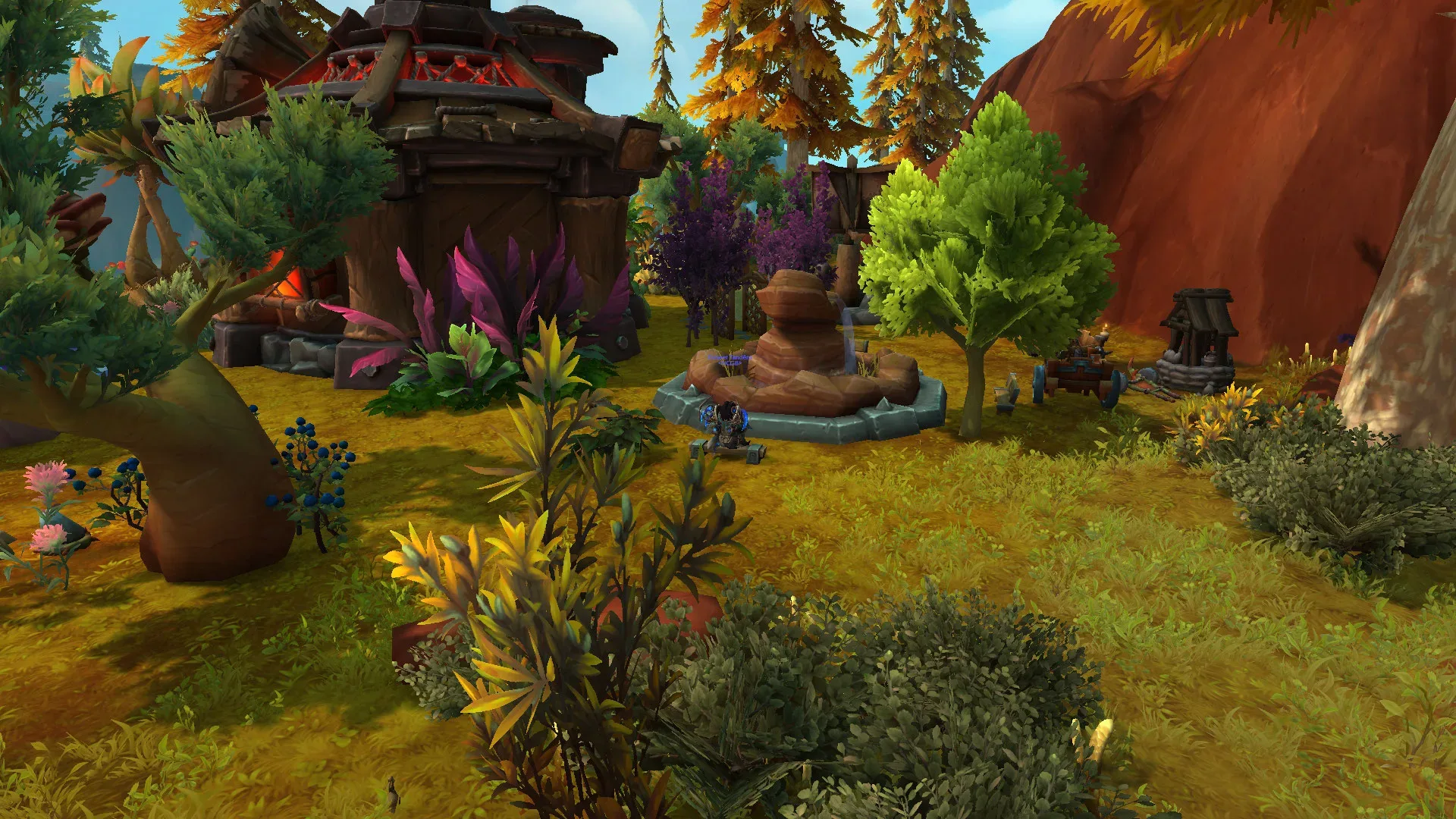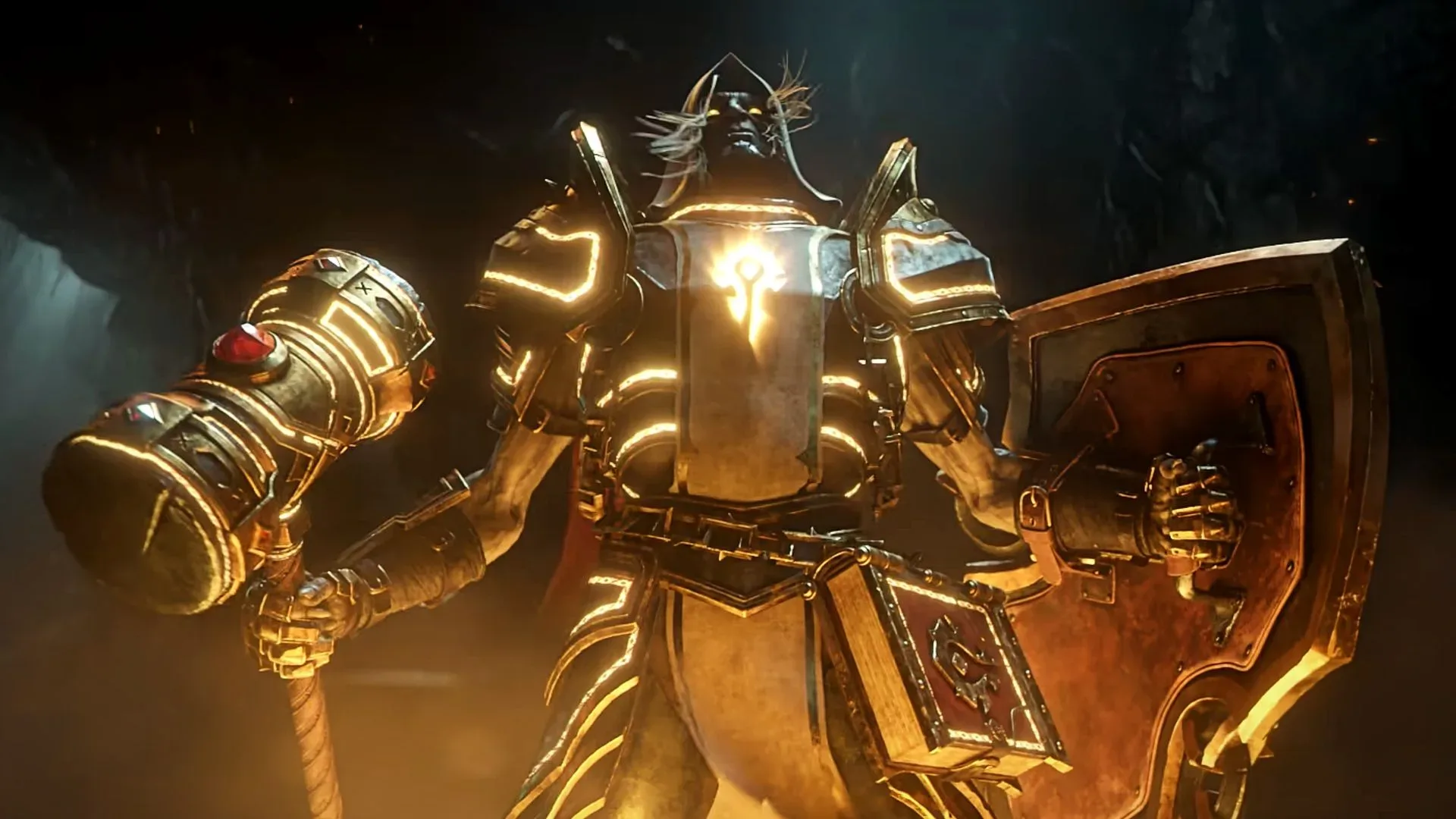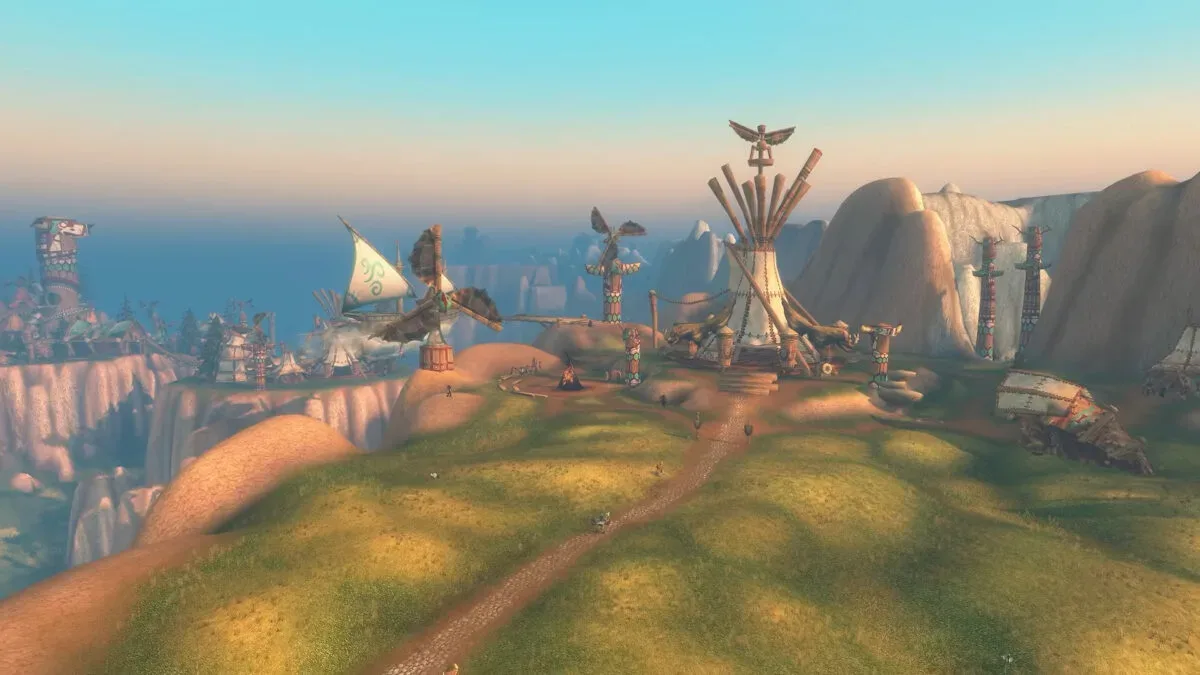
World of Warcraft: Forever has concluded what Microsoft CEO Satya Nadella described as the largest beta in the history of the franchise. It is an eye-catching claim for a project built around revisiting the original World of Warcraft through an alternate version of its world, story, systems, and content—and it gives Forever substantial momentum heading toward its November 4 release.
There is an important caveat attached to the milestone: no public figure was supplied for the size of the beta, and “largest” can mean several different things in an online-game test. It could refer to invited accounts, players who logged in, concurrent players at a particular moment, characters created, total playtime, or a combination of measures. Until Blizzard or Microsoft explains its method, the record should be treated as a broad participation claim rather than a clean sales or population total.
A big beta, without a public yardstick
Forever’s test ran from September 17 through October 23. Access was available to players who bought a Forever premium bundle, with those bundles starting at $60, but purchasing was not the only route in. Players could also sign up for free beta consideration, while Blizzard retained control over how many of those applicants received access. A free stress-test day further complicates any attempt to interpret the claim from the outside.
That access structure matters. A beta tied partly to premium bundles can attract highly motivated players willing to pay for early participation, while a free sign-up path expands the potential testing pool beyond purchasers. A stress test, meanwhile, is designed to put a service under unusually heavy load during a limited period. Those are useful ways to bring in players and probe infrastructure, but they do not map neatly to one conventional measure of demand.
In other words, the reported record is meaningful as evidence that Forever generated extraordinary beta participation, but it is not evidence by itself that a matching number of premium bundles were sold. Nor does it establish how many people will be playing on launch day. The public information supports enthusiasm; it does not support precise commercial conclusions.
What a stress test is meant to reveal
A stress test is a targeted attempt to discover where online systems buckle when many people arrive at once. For a massively multiplayer game, that can involve login queues, realm stability, server response, and the basic ability for players to enter and remain in the game world. Its inclusion may have helped increase the beta’s reach, but it also means the franchise-record label needs a definition before comparisons with earlier tests can be judged like-for-like.
That is not a criticism of the result. Testing at scale is valuable precisely because a development team cannot fully replicate the behavior of a huge live audience in smaller internal sessions. The more players who try to log in, create characters, travel through starting zones, and use game services, the greater the chance of finding issues before release. A large turnout therefore has practical value beyond the headline.
Character totals are not player totals
An unofficial tracker, ClassicPlus.io, estimated that more than one million characters were created during the beta. That is a remarkable indicator of activity, but it should not be read as one million individual participants. In World of Warcraft, one person can create multiple characters, test different classes or factions, restart after an experiment, or simply make an extra character to play with friends.
Related coverage includes World of Warcraft: Forever Beta Reportedly Becomes Franchise's Biggest Yet.
The distinction is particularly relevant for a game designed around a classic-era framework. Character creation is often the first decision players make when testing an MMO, and early-access participants may deliberately sample multiple options before settling on a launch character. A character-creation count can demonstrate intensity and curiosity, yet it cannot answer the separate question of unique accounts without supporting data from Blizzard.
Still, the figure fits the broader picture of unusually strong engagement. Josh Greenfield, a Blizzard developer, characterized the turnout as the wildest numbers he had encountered across 17 years with Blizzard and nearly eight years working on classic. That reaction does not provide a total, but it adds firsthand weight to the idea that the test exceeded the team’s ordinary expectations.
The available signals point to a very large test. They do not turn beta access, created characters, and launch sales into the same statistic.
Why Forever has a different kind of anticipation
Forever was announced at BlizzCon earlier this year after months of rumors. Its central premise is not simply to replay the original game unchanged. It returns to that original setting while taking different directions with plot, mechanics, and content—an “alternate universe” approach that gives the project room to diverge from familiar World of Warcraft history.
That positioning helps explain why interest may extend beyond players who only want straightforward nostalgia. The original World of Warcraft Classic launch was well received, establishing demand for a return to the game’s earlier era. The later Season of Discovery mode was also popular and provided a limited-time example of how a classic foundation could be altered with new ideas. Forever arrives with that background: the appeal of a recognizable world, paired with the promise that the route through it may not be entirely known.
For prospective players, the practical distinction is worth keeping in mind. “Classic” can imply restoration, while an alternate-universe project implies reinterpretation. Forever’s stated concept places it closer to a new branch growing from an older foundation. Players expecting a preserved historical version of the original game should pay attention to the project’s changes to mechanics, narrative, and content rather than assuming every familiar element will function exactly as it once did.
Beta access has become part of the premium-bundle equation
Blizzard has recently included beta access with premium bundles for both The War Within and Midnight. That is a noticeable change from the older model in which prospective testers largely opted in and hoped to be selected. Early access can be attractive to committed players who want time with a major release before launch, while developers gain a larger ready-made audience for testing.
But the Forever beta also illustrates why beta population cannot be used as a shortcut for sales analysis. Paid entry may account for some participants, free invitations may account for others, and a stress-test event can add another group. The result can be a large and useful testing audience without supplying a public breakdown of how that audience was assembled.
Players deciding whether the beta result should influence their own plans should focus on the clearer release details. Forever is scheduled to launch November 4 and will be available to anyone with an existing World of Warcraft subscription. The report does not establish that a premium bundle is required for the full release; the bundle was relevant to beta access.
The broader World of Warcraft conversation is also not standing still. For a different angle on the game’s evolving player-facing priorities, our look at WoW housing and the challenge of making a virtual home feel meaningful explores another area where features need more than surface appeal to become lasting parts of an MMO routine.
What to watch after November 4
The beta’s reported scale raises expectations, but launch will answer different questions. A successful test can indicate that many people were interested enough to participate and can help developers identify technical trouble spots. It cannot, on its own, show how long players will remain engaged once Forever is live, how its alternate take on classic World of Warcraft will be received over time, or how the community will respond to its specific changes.
Those questions are especially important for a game whose appeal rests on balancing memory with surprise. Too little deviation could make the project feel redundant to players familiar with Classic; too much could challenge the expectations of people drawn to the original setting. Forever’s beta turnout suggests that a large audience was ready to investigate that balance. The lasting test starts when the subscription-based release goes live.
For now, the careful reading is straightforward: Microsoft says Forever delivered a franchise-record beta, Blizzard developers saw exceptional turnout, and an unofficial tool logged more than one million created characters. All three signals point in the same direction—major attention—but none substitutes for a published breakdown of unique players, access types, or sales.