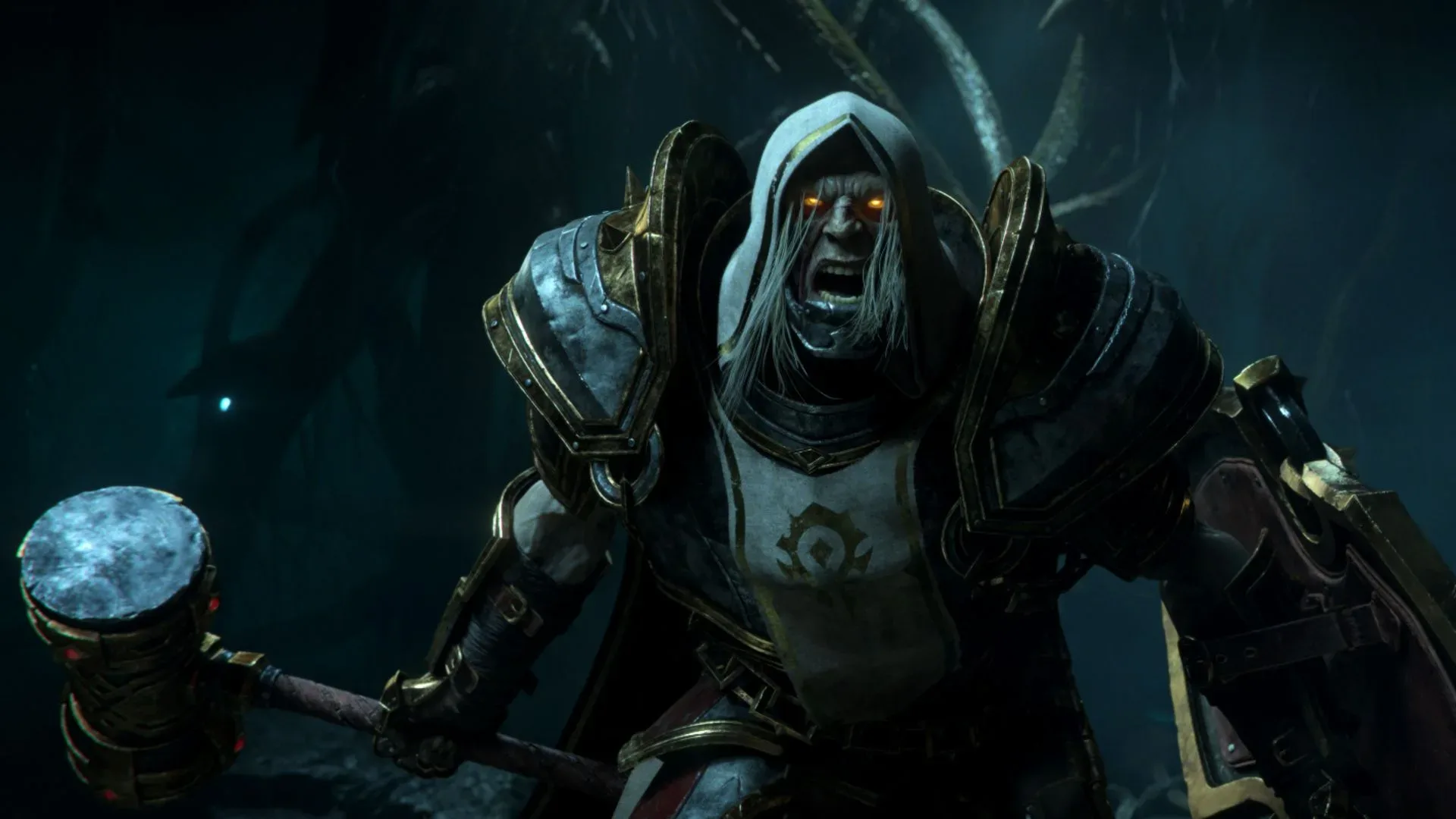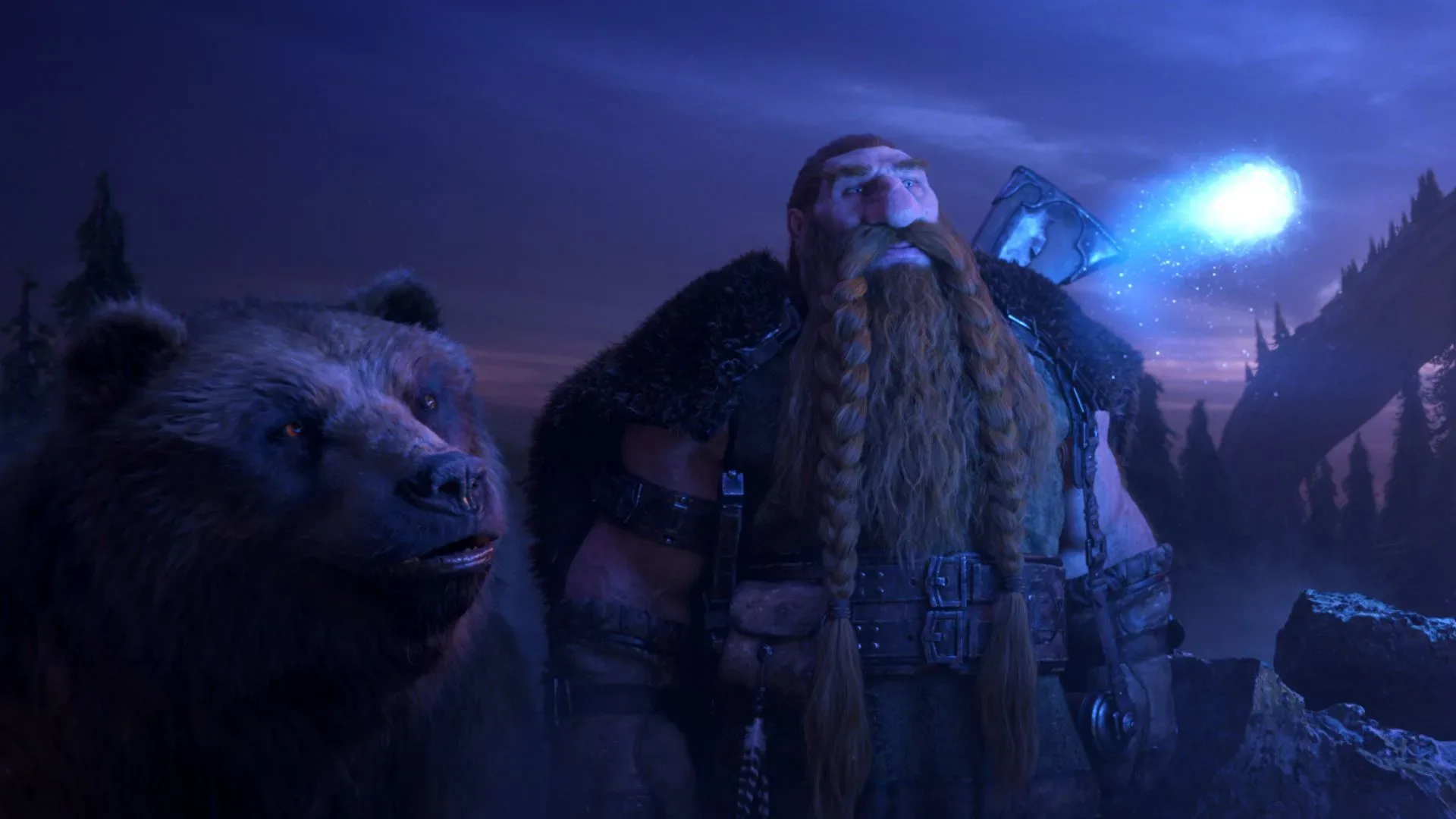
World of Warcraft: Forever may not carry a “2” in its title, but that has not stopped players from treating it like a sequel in all but name. Following its BlizzCon 2026 reveal and the start of its paid beta, discussion around the new version of Blizzard’s long-running MMO has settled on a revealing question: if a rebuilt take on the original game brings unfamiliar content, revised presentation, and a different set of rules to a familiar world, how different does it need to be before players reasonably call it World of Warcraft 2?
Forever is officially positioned as neither a replacement for the existing modern game nor a simple rerun of Classic. It is described as a revamped version of the 2004 original with new content that players have not seen before, while continuing to exist alongside both Classic and retail World of Warcraft. That three-track arrangement is central to the argument. The project is not asking every player to abandon the version they prefer. Instead, it creates another route into Azeroth: one built around the original era’s identity but with room for a fresh future.
For some fans, that is precisely what a sequel should accomplish. Posts across social platforms and official community forums have called Forever “WoW 2,” “WoW 2.0,” or a smart way to develop a second World of Warcraft without formally declaring one. The reaction is not just about a new label. It reflects an expectation that a sequel should offer a renewed starting point, not merely add another expansion to an increasingly established live service.
Why the sequel comparison has caught on
In game terms, a sequel usually signals a new entry that can revise systems, establish a new content runway, and give players a reason to return even if they have spent years with its predecessor. An MMO makes that definition messier. A conventional sequel risks splitting its community, asking people to leave behind characters and collections of progress, or creating two versions of the same social game that compete for attention.
Forever’s apparent answer is to keep the recognizable foundation while making a new branch from it. Its world and roots are linked to the original 2004 release, but its content is not simply a known historical path being replayed. That distinction matters. Classic is commonly understood through restoration and re-experiencing earlier World of Warcraft eras. A version with genuinely new content can create the uncertainty that makes an MMO launch exciting: players discover quests, build strategies, and form memories without an established roadmap dictating every step.
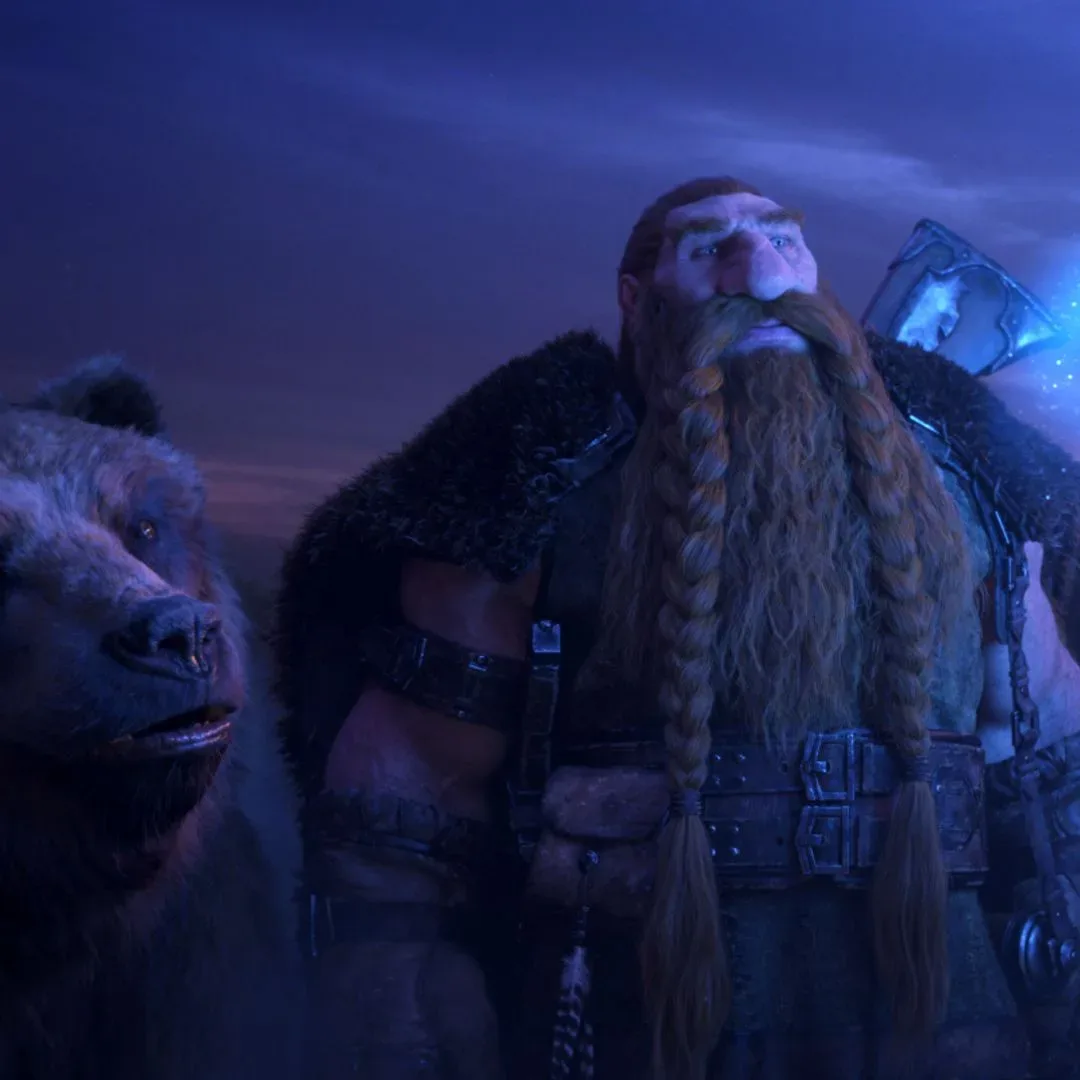
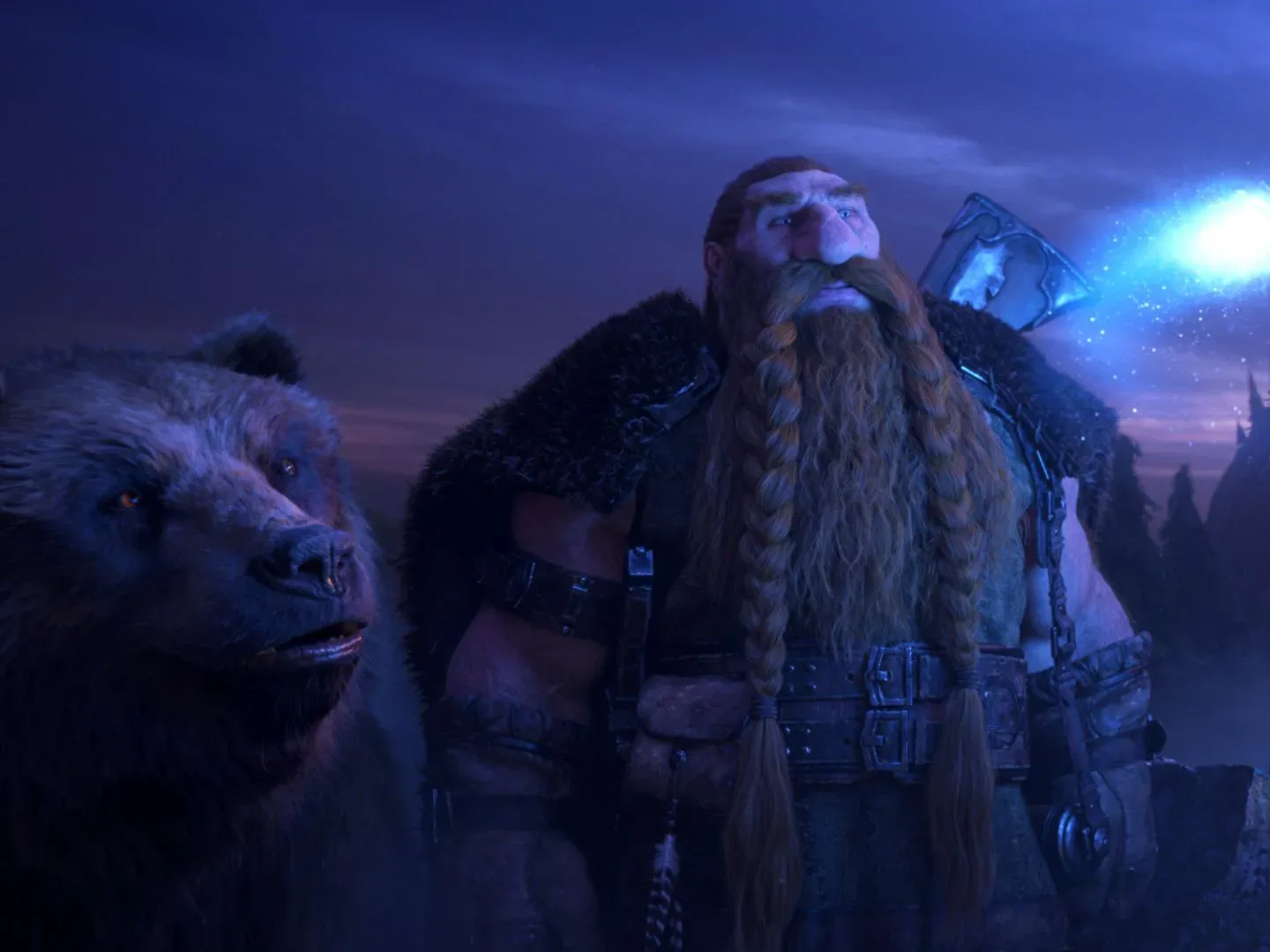
The visual response has added to the perception. Players have particularly pointed to nighttime scenes as evidence that Forever looks substantially refreshed. Presentation alone does not make a sequel, of course, but atmosphere carries unusual weight in an online world. Lighting, ambience, and the feeling of moving through a place after dark all shape whether a familiar zone feels preserved or newly inhabited. When a remake-style project changes that feeling, it can make old geography seem less like a museum exhibit and more like a living place again.
There is also a practical emotional appeal behind the reaction. Forever is being discussed as the sort of MMO people can return to around school or work and spend substantial time with. That is less a feature checklist than a promise of renewed routine: a game players can settle into, rather than merely sample for a single new campaign. For a title with World of Warcraft’s history, recreating the desire to log in regularly is arguably a bigger ambition than just reproducing a former patch state.
Blizzard’s argument is not really a rejection of change
Blizzard has indicated that it does not see a clear need for a formal World of Warcraft 2 when Forever is already designed to provide what a sequel might otherwise offer. That statement does not confirm that Forever is a sequel. It does, however, acknowledge the overlap in purpose that players are noticing.
Related coverage includes World of Warcraft: Forever Is Sparking 'WoW 2' Debate Ahead of November Launch.
The important difference is branding and continuity. Calling a project a sequel can imply a hard dividing line: old game on one side, new game on the other. Forever’s model appears designed to avoid that break. Retail remains available. Classic remains available. Forever can take risks with a particular interpretation of World of Warcraft’s beginnings without requiring everyone to agree that it is the sole path forward.
That is a useful approach for a game with multiple audiences that do not necessarily want the same thing. Some players value retail’s current direction. Others want a more historical Classic experience. Others want the familiar early-world framework but do not want to simply repeat content whose outcomes are already widely known. Keeping these lanes separate could let Blizzard pursue different priorities rather than force one version to satisfy every definition of “real” World of Warcraft.
There is a trade-off, too. Multiple versions can make the overall ecosystem more complicated. Friends must decide where to play, communities can disperse, and a player’s time is finite even if several appealing options exist. Coexistence preserves choice, but it does not eliminate the social pressure of choosing a home. Whether Forever feels like a sequel-scale new beginning may therefore depend not only on its content, but on whether it develops a distinct community identity rather than becoming a brief detour between other versions.
New content changes the Classic-plus conversation
The “Classic+” shorthand has become a way for fans to describe a hypothetical continuation of the early World of Warcraft experience: retain the era’s tone and broad design philosophy, but add material that was never part of the original journey. Forever has been received by some players as an answer to that wish.
The appeal is easy to understand. A historical version of an MMO has a built-in tension. Its familiarity is comforting, but its major secrets have largely been solved. New content offers a chance to preserve a beloved setting while restoring discovery. It can also avoid the implication that the original game was incomplete. The goal is not necessarily to “fix” an older release; it is to treat that release as a foundation for another set of adventures.
That balance will likely be where the most serious conversation takes place. Players who want a faithful early-era experience may be wary of anything that feels too far removed from the game they remember. Players seeking a genuine new chapter may be disappointed if the project is too cautious. The reason Forever is being compared to a sequel is that it seems to sit directly in this tension: familiar enough to activate nostalgia, but ambitious enough that players expect surprise.
That expectation is powerful, but it also means screenshots, datamines, and early community impressions will not settle the question alone. A developer has urged fans concerned by such material to reserve judgment until they can play. That is sensible in this particular case. Leaked or extracted details can reveal pieces of content, but they do not necessarily explain pacing, quest context, how systems fit together, or whether a zone’s mood works when experienced in sequence. Those are the elements that make a new MMO space feel coherent rather than simply novel.
Combat add-ons and GDKP are meaningful policy choices
Two reported decisions for Forever have generated attention beyond its new quests and visuals: combat add-ons are being left behind, and GDKP is also being excluded. Both choices affect how players coordinate, compete, and distribute rewards.
Combat add-ons are third-party tools used during encounters. Their role can range from presenting additional information to helping players track timings and respond to mechanics. Removing access to them can make the game’s own interface and encounter design more important. It may also reduce differences between players who install highly specialized tools and those who do not. The potential upside is a more standardized experience; the challenge is ensuring the default game communicates what groups need to know clearly enough.
GDKP is shorthand for “gold dragon kill points,” a raid-loot arrangement in which players bid in-game gold for dropped items and the resulting pot is distributed among participants. Supporters can view it as a clear market-like system for allocating rewards. Critics often object to the way gold accumulation can shape access to powerful loot. Excluding it signals a preference for other forms of group reward organization, although players will still need to see how that works in practice across the beta and eventual wider release.
Neither policy, by itself, defines Forever as a sequel. Together, though, they underline that this is not being treated as a purely archival project. Rules around player tools and loot culture influence the daily social texture of an MMO. Setting those rules differently is an attempt to establish a particular kind of community from the beginning.
The Skyborne debate shows how closely players are watching
The Skyborne race has also become a point of discussion, including its reported $30 price tag and its introductory story. The disagreement is notable because it sits at the intersection of creative interest and monetization. A new race can be a meaningful piece of world-building and player expression, especially in a project framed around new discoveries. Charging separately for it, however, naturally makes players examine how optional that content really feels and how the broader experience will be structured.
For now, the paid beta is giving participating players the earliest direct look at Forever’s ambience, quest design, opening material, and changes to established expectations. It is not a substitute for the broader launch, and beta impressions should remain just that: impressions from a work still on the path to release. But they help explain why the “WoW 2” label has moved beyond a casual joke. Players are reading Forever as a project intended to make an old MMO feel newly uncertain and newly social, rather than merely old again.
World of Warcraft: Forever is set to open to everyone on November 4. Its eventual reception will hinge on whether that sequel-like potential survives beyond the initial novelty—particularly for players deciding among Forever, Classic, and retail. For readers following other upcoming PC tests, CODE EXIT’s scheduled playtest is another example of how early-access windows can shape expectations before a wider audience gets involved.