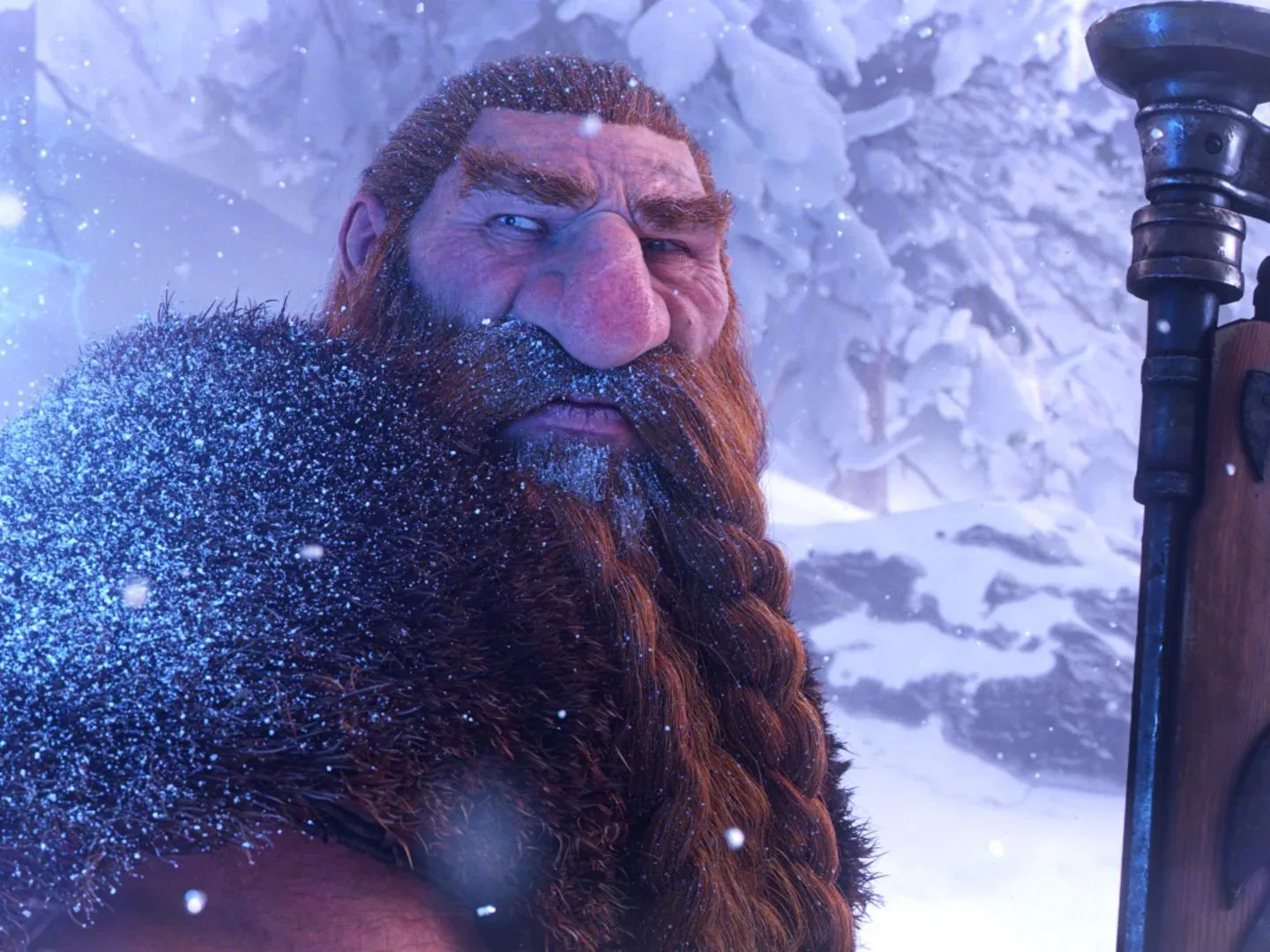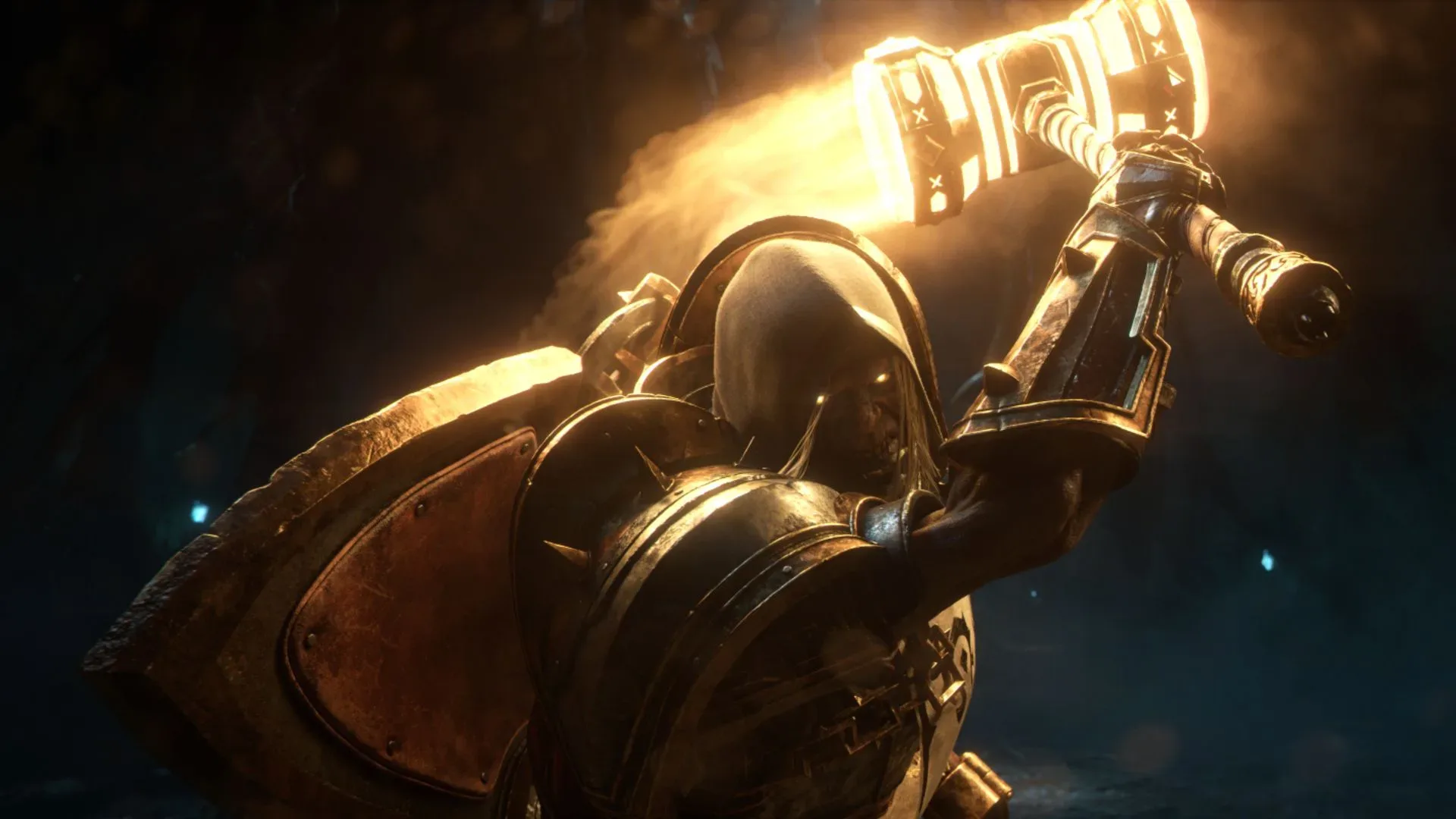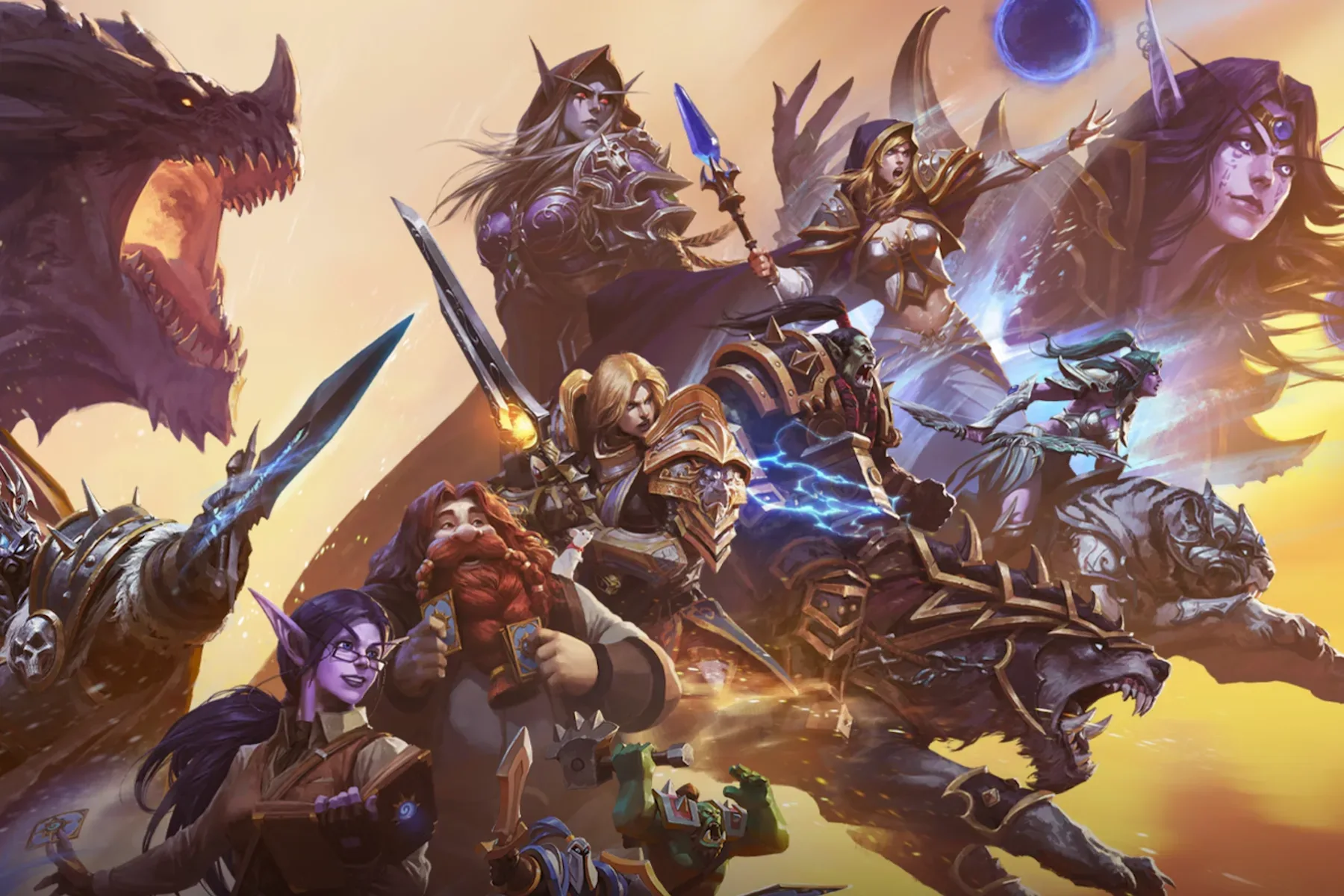
World of Warcraft: Forever is being positioned around a familiar but increasingly unusual MMO idea: getting there matters. At BlizzCon 2026, Blizzard offered a first substantial look at the forthcoming version of WoW, which is expected to arrive this November. Among the most closely watched details is its intended approach to paid conveniences. The current plan is not to include WoW Tokens or purchasable experience and level boosts in its online shop.
That distinction is important, both for players who have wanted an official evolution of Classic-style World of Warcraft and for anyone who has seen how quickly the conversation around an MMO can turn toward monetization, economy management, and shortcuts to endgame. Clayton Stone, associate production director for WoW Classic, described the company as having no plans for a token or a boost in World of Warcraft: Forever. His explanation centers less on denying endgame’s appeal than on preserving the value of the road leading there.
In other words, Blizzard’s stated philosophy is that a character’s progress from level 1 to level 60 should not be treated as a disposable prelude. It is meant to remain a substantial part of the game itself.
The trip to 60 is the point, not merely the queue for raids
Stone’s case for avoiding paid boosts is rooted in the social and practical texture of leveling. The level 1–60 stretch is where players learn their class, build habits, cross paths with strangers, form groups, discover zones, make mistakes, and perhaps acquire a lifelong distrust of any quest that claims it is “just around the corner.” Endgame content may be the place where a guild’s coordination is tested most intensely, but the leveling world supplies much of the context that makes those later accomplishments mean something.
That is an especially resonant position for a project often discussed as an official sort of Classic+. Classic World of Warcraft has always inspired arguments about which elements are essential: the pace, the friction, the server community, the class identities, or the feeling that the world is vast enough to inconvenience you personally. Forever’s early direction suggests Blizzard sees the full leveling process as part of that foundation rather than as an obstacle to be monetized away.
There is also a straightforward learning argument. Players become more capable by actually using their characters over time. A paid jump may place someone near higher-level activities, but it cannot automatically provide familiarity with rotations, cooldowns, resource management, group expectations, or the unglamorous art of recognizing when a pull is about to turn into a small regional disaster. The intended value is not simply time spent; it is understanding accumulated through play.
Blizzard’s present stance is that Forever should reinforce the journey for the players who enjoy it, rather than sell a way around it.
That does not mean everyone values leveling identically. Some veteran players may have completed the same routes many times. Others primarily enjoy organized PvE or competitive modes and see early progression as an unavoidable tax. But Forever appears to be targeting a version of WoW where the shared journey is not incidental background noise. It is a key part of the product’s identity.
Related coverage includes World of Warcraft: Forever Will Launch Without Tokens or Level Boosts, Blizzard Says.
What the absence of Tokens and boosts could mean
The two systems being discussed solve different problems, and their absence would shape Forever in different ways. A purchasable boost compresses progression by moving a character forward. A WoW Token, meanwhile, is connected to the relationship between real-world money and in-game gold. Keeping both out, at least under Blizzard’s current plans, would set clearer boundaries around how fast a new character can advance and how directly players can convert outside spending into in-game purchasing power.
For a progression-focused realm or ruleset, that can affect the atmosphere well beyond an individual player’s character sheet. More people leveling through zones can mean a busier open world, a larger pool for dungeon groups, and more opportunities for spontaneous social play. It can also make professions, crafting materials, low-level services, and ordinary quest rewards feel more relevant for longer. None of that guarantees an ideal economy or a perfectly populated world, but it helps explain why paid acceleration is such a loaded question.
At the same time, leaving out Tokens does not magically resolve every economic concern. Players have already raised worries about bots and other forms of disruptive behavior. Those anxieties are understandable. A token-free structure can preserve one kind of economic boundary, but it does not by itself eliminate the incentives that can attract gold farming, automation, account abuse, or illicit third-party trading. How Blizzard handles enforcement and the game’s economy after Forever goes live will matter at least as much as the shop policy.
There is a broader lesson here for long-running online games: a decision not to sell a shortcut is only one part of maintaining a healthy play environment. Players will likely be watching for the details that follow—how gold enters the economy, how trade works, how bots are addressed, and whether ordinary progression feels rewarding without becoming punishing. The November launch should provide the first real opportunity to see how the stated philosophy translates into a living service.
“No plans” is encouraging, but it is not a permanent promise
The exact wording has prompted understandable skepticism. “No plans” communicates the present intention, not an irrevocable pledge about every future year of World of Warcraft: Forever. Online games change in response to player behavior, operational demands, business decisions, and the complications that only emerge once thousands of people start treating a virtual economy like an extreme sport.
That is why some community reactions have focused on the possibility that Tokens or boosts could still arrive later. It is too early to claim that outcome is inevitable, and it would be just as unwarranted to present the current stance as a guaranteed forever-policy. The clearest reading is the literal one: Blizzard says it has no current plans to add either type of purchase. That is meaningful launch-direction information, while still leaving the longer-term question open.
For players, the most useful response may be to distinguish between launch expectations and permanent assumptions. At launch, the design is intended to encourage leveling rather than bypassing it. Beyond launch, the company’s future choices will deserve to be judged on what it actually implements, not on speculation alone. If the goal is to cultivate confidence, continued clarity around monetization will be as valuable as the initial statement.
Forever’s identity arrives during a busy Blizzard era
World of Warcraft: Forever does not exist in isolation. Blizzard has also said that World of Warcraft: The Last Titan is scheduled for 2027 and represents the culmination of more than two decades of MMO storytelling. The contrast is intriguing: one initiative points toward a major long-form narrative milestone, while Forever looks back to the formative shape of the game and asks which parts of that experience deserve reinforcement.
That split does not have to be a contradiction. One branch can pursue grand continuing narrative ambitions while another gives players a deliberately slower, more communal route through Azeroth. In fact, the two approaches highlight how wide the World of Warcraft audience has become. Some players want the newest chapters and modern systems; others want a world that asks them to travel, assemble parties, and earn progress without a storefront offering to skip several chapters of their personal adventure.
Blizzard’s wider slate is also drawing attention beyond Azeroth. The company is working on a separate project discussed as a complete open-world story rather than a seasonal game; read more about the new StarCraft shooter’s stated direction. For Forever, though, the central question is more old-school: can an MMO make leveling feel important in an era accustomed to convenience?
November will test the philosophy in practice
Forever’s launch this November is where the debate moves from statements to reality. The absence of planned Tokens and paid level boosts should appeal to players who want the level 1–60 experience protected from official fast-forward buttons. It may also make the game more inviting to people hoping for a server culture where early zones and low-level group content remain lively rather than becoming abandoned corridors on the way to capped characters.
But success will depend on execution. A journey-focused MMO needs enough players in that journey, enough rewards to make progress satisfying, and enough oversight to stop bad actors from undermining the economy and community. It also needs Blizzard to keep explaining how its policies fit the project’s aims, especially when players are alert to the difference between a current lack of plans and a binding long-term commitment.
For now, the message is clear without overpromising: World of Warcraft: Forever is expected to launch without WoW Tokens and without purchasable leveling boosts. Blizzard wants players to play their way from 1 to 60, meet people along that route, and develop their characters through the game rather than around it. In an MMO genre often eager to sell a shortcut, that is a notable design line to draw.