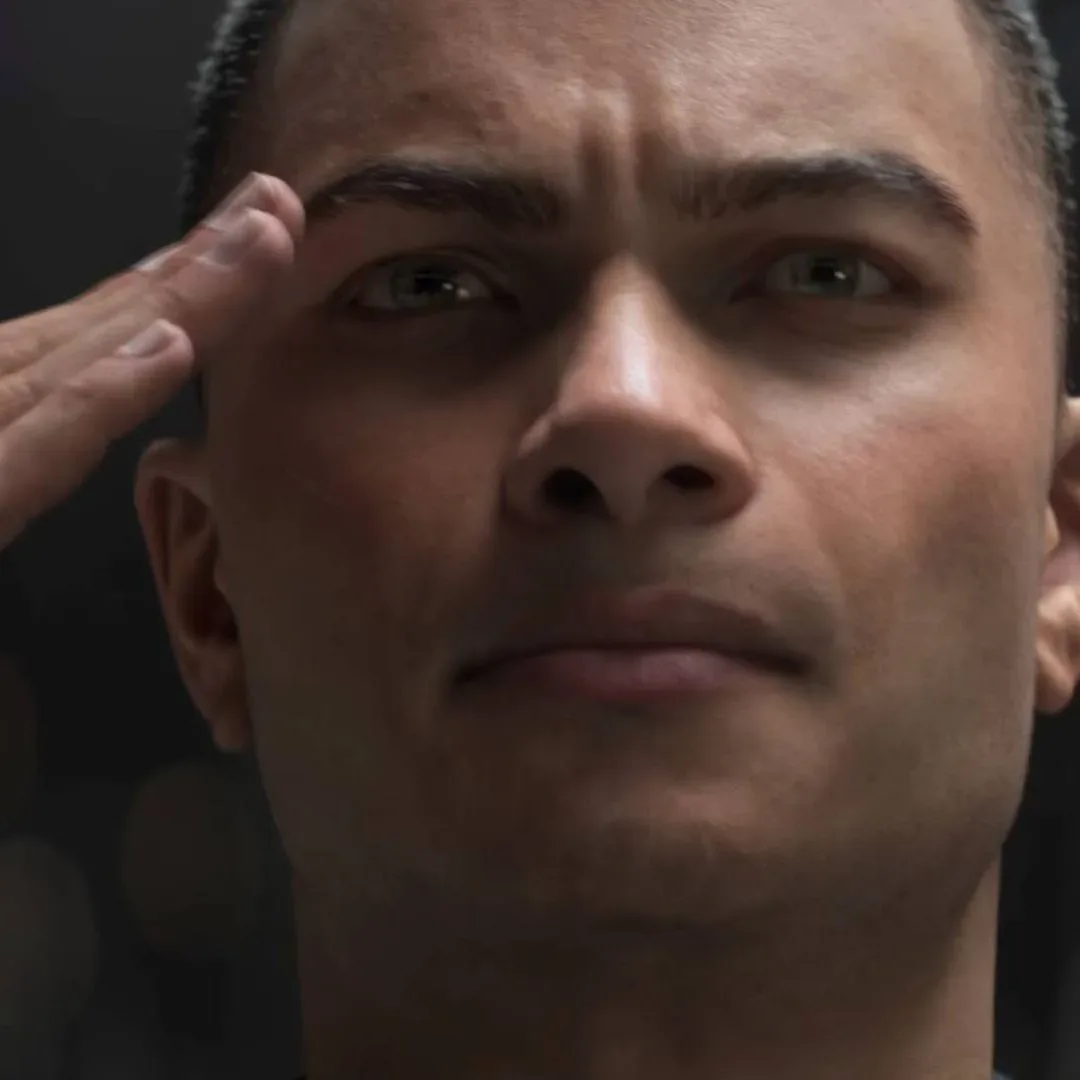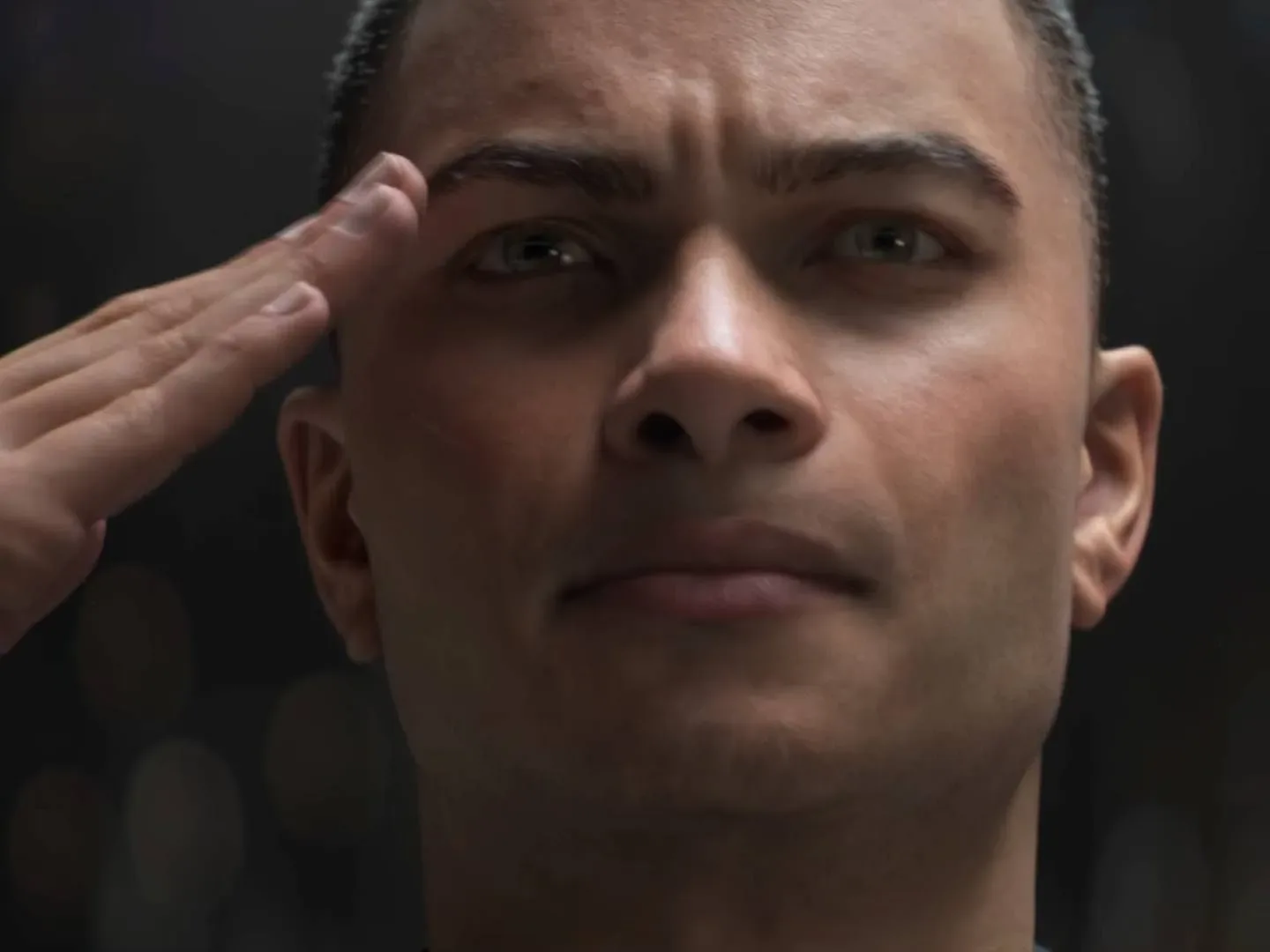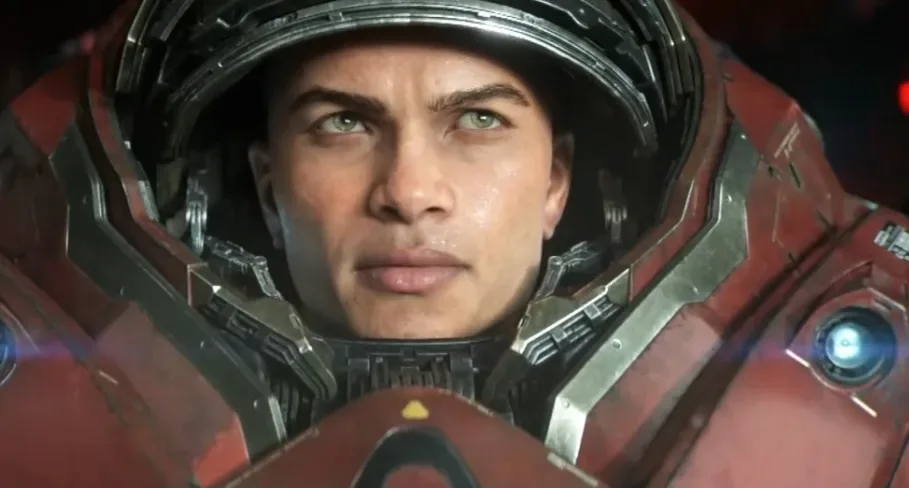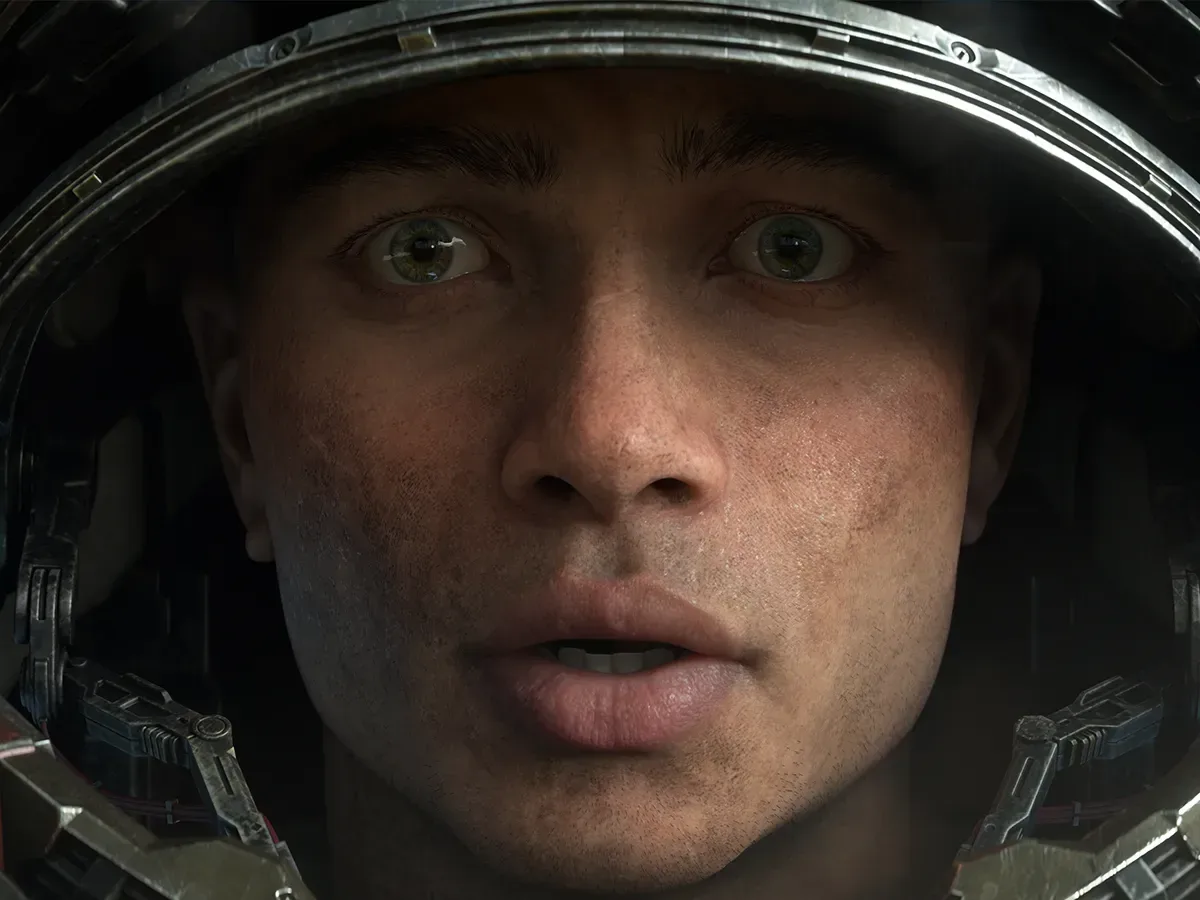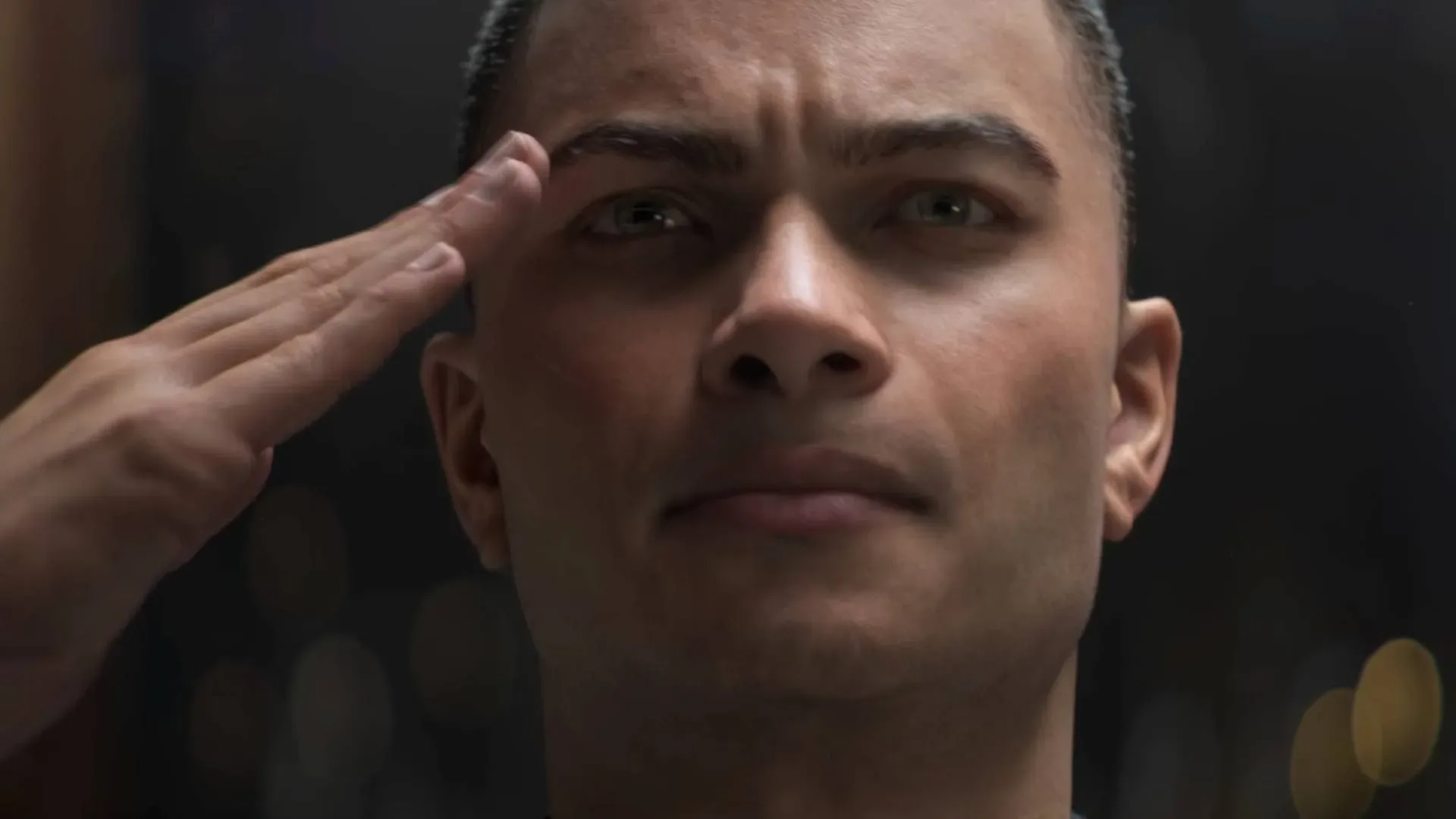
StarCraft is stepping out of its command chair. Blizzard’s newly revealed project, simply titled StarCraft, is a first-person shooter rather than another real-time strategy entry, and its leadership is outlining a notably old-school ambition for a very modern blockbuster: make a substantial game with a complete story, then let that story end.
Dan Hay, the game’s general manager and creative director, has described the current plan as a “box product.” In practical terms, that means a narrative-driven open-world shooter in which players create and name a character, then follow that character through a story designed with a beginning, middle, and end. The language is important because it distinguishes the project from a game organized chiefly around seasons, endlessly rotating narrative chapters, or an expectation that the central campaign must remain perpetually unfinished.
That is not a promise that the game will have no online features, post-launch additions, or reasons to revisit the universe. It is also not a locked-in guarantee for a project that is still years away. Hay has stressed that plans can change during development. But the intended foundation, as currently described, is a self-contained adventure with a definitive conclusion. For a series whose identity has long been tied to competitive matches, custom maps, expansions, and faction warfare at a grand strategic scale, that is a fascinatingly different way to enter the Koprulu Sector.
A StarCraft story from ground level
The central pitch places the player inside an open world rather than above a battlefield issuing orders to Terran, Zerg, or Protoss armies. Instead of managing resource lines and deciding when to build a siege tank, players are expected to inhabit a custom protagonist and experience the setting at a more personal scale.
That approach could open up parts of StarCraft that strategy games naturally only glimpse. The franchise has always had a remarkably dense science-fiction backdrop: hard-used Terran colonies, corporate power, militarized governments, ancient Protoss cultures, alien infestation, piracy, mercenary work, and civilians attempting to get through a galaxy that rarely offers them a quiet afternoon. A shooter built around exploration can potentially give that texture room to breathe.
Crucially, the details that would determine what that experience actually looks like remain unconfirmed. There is no firm explanation yet of the game’s mission structure, combat systems, cooperative options, progression, enemy factions, traversal, platforms, release date, or the scale and boundaries of its open world. Even the presence of character creation does not tell us how much players will be able to shape dialogue, morality, skills, equipment, or the broader plot. “Open world” can describe anything from a huge uninterrupted map to a group of expansive regions connected by missions.
Still, the concept makes immediate sense for StarCraft. The series’ lore has often supported stories about people caught between massive forces. An original player character could be a clean way to explore the setting without requiring the game to function as a direct sequel to any one established hero’s arc. It also gives Blizzard a chance to tell a story where a scouting run, a settlement under siege, or a meeting with a faction leader matters because the player is physically present, not merely observing colored units collide from a distance.
What “not seasonal” says—and what it does not
Hay’s clearest message is that the current build is not a seasonal game. That phrase will understandably catch the attention of players who are tired of feeling as though a new release is only the opening chapter of a calendar-driven service plan. The stated aim is to deliver a standalone game whose main narrative reaches an actual endpoint.
Related coverage includes Blizzard Says Its New StarCraft Shooter Is Built as a Complete Story, Not a Seasonal Game.
There is a useful distinction here. A game can have a conclusive campaign and still receive patches, expansions, cosmetic items, multiplayer support, or other updates. Conversely, a title can call itself a single-player game while leaving its storyline incomplete. Blizzard has not laid out the new StarCraft game’s business model or post-release support roadmap, so it would be premature to declare every possible live-service element off the table.
What has been communicated is narrower, but meaningful: the story being built today is meant to be finished. The team wants players to buy the game, play through the character’s journey, reach its conclusion, and hopefully want to return to Blizzard later. In an era when “roadmap” can sometimes sound more important than “ending,” the emphasis on a complete narrative is a welcome bit of clarity.
It may also help set expectations around the game’s structure. A narrative-led open-world shooter does not need to be a one-and-done experience in the strictest sense, but it can be designed around authored momentum. Exploration works best when it enriches the journey rather than permanently delaying it; optional activities are more compelling when they reveal a place, character, or conflict instead of merely filling another progression track. StarCraft’s violent, uneasy frontier should be fertile ground for that kind of focused side content, if the final design follows through.
Dan Hay’s shooter background fits the assignment
Hay’s career provides a logical frame for the project’s direction. Before joining Blizzard, he held senior leadership roles on Far Cry 3, Far Cry 4, Far Cry 5, and Far Cry 6. Those games are closely associated with large explorable spaces, first-person combat, outposts, emergent disruptions, and campaigns that move players through dangerous regions ruled by competing powers.
That experience does not mean the new StarCraft will be a science-fiction reskin of Far Cry. It would be a mistake to treat a genre label and a résumé as a feature list. But Hay’s background helps explain why Blizzard is comfortable describing the project as an open-world shooter built around a personal narrative. He has also worked on a pair of Diablo 4 expansions since arriving at Blizzard, adding recent experience inside the company and with one of its active action-RPG worlds.
StarCraft presents different design opportunities and constraints from the modern-day or near-modern settings associated with much of Hay’s previous work. Its military hardware, alien biology, and faction identities could produce combat rhythms that do not resemble conventional shooters at all. Marines, Protoss technology, Zerg threats, terrain hazards, colony infrastructure, and the ever-present possibility of getting caught beneath something enormous all give the team a deep pool of recognizable material. The reveal imagery has invited comparisons to the heavily armored, bug-blasting energy of Helldivers 2, but the announced project currently sounds more like a narrative open-world game than a fully online cooperative shooter.
The value of a new perspective on an RTS institution
For longtime fans, a first-person StarCraft game may revive memories of earlier attempts to take the series into new genres. It also raises an understandable question: what happens to the real-time strategy legacy? This announcement does not turn the new shooter into an RTS replacement, nor does the available information establish anything about future strategy releases. It is best viewed as an expansion of the universe’s possibilities rather than an answer to every request players might have for the franchise.
There is precedent for gaming’s biggest strategy worlds finding compelling new angles. The appeal of commanding armies remains distinct from the appeal of surviving inside the world those armies fight over. Anyone feeling nostalgic for the language of bases, units, and battlefield choices can also see how strategy games continue to inspire communities, as in our guide to Command an Army codes and rewards. The new StarCraft, however, is being positioned around a different fantasy: not commanding the war, but living through it.
Blizzard has announced both StarCraft and Diablo 5 far in advance. The company’s president has also said Blizzard intends to ship major games and ship them on time. That is an aspiration rather than a release schedule, and there is no date attached to the shooter in the information currently available. Development plans, features, and timing deserve to be treated as provisional until Blizzard shares more.
For now, the most encouraging detail is also the simplest. This StarCraft shooter is being conceived as a game with a destination. It wants an original player character, a rich world to explore, a story to follow, and an ending to reach. There is plenty still unknown, but that framework gives the project a stronger identity than “StarCraft, except with guns.” In a universe overflowing with guns, bugs, psionic power, and orbital-scale disasters, a complete human-scale story could be exactly the fresh perspective the series needs.