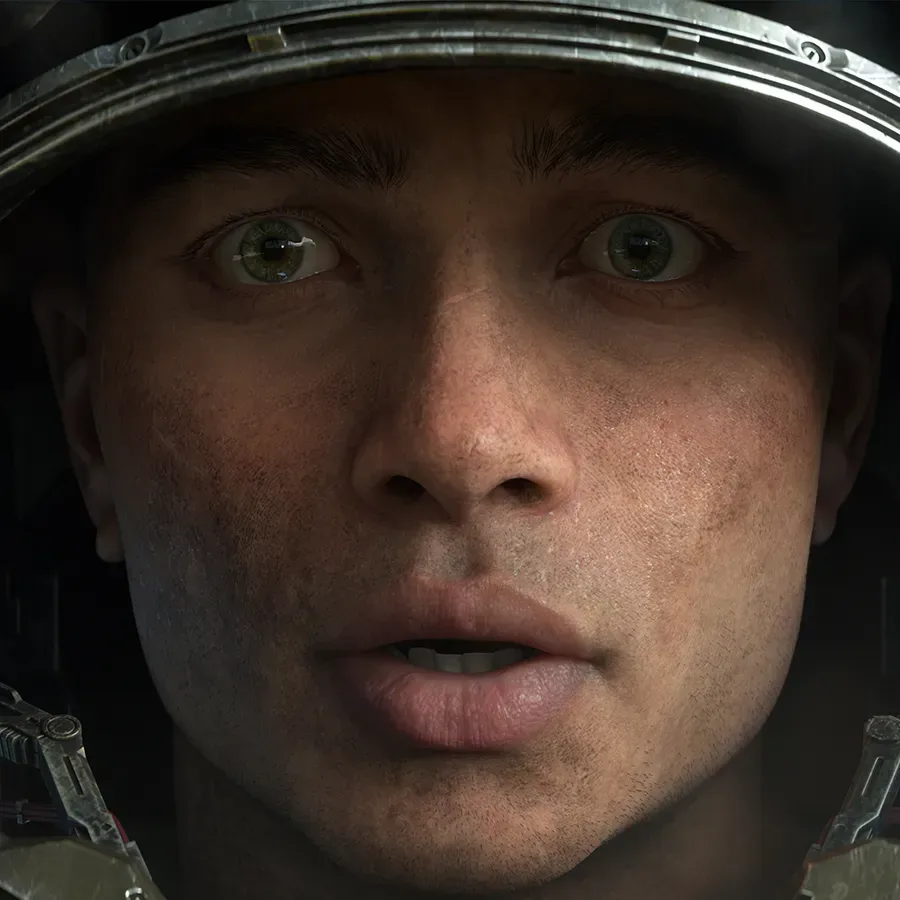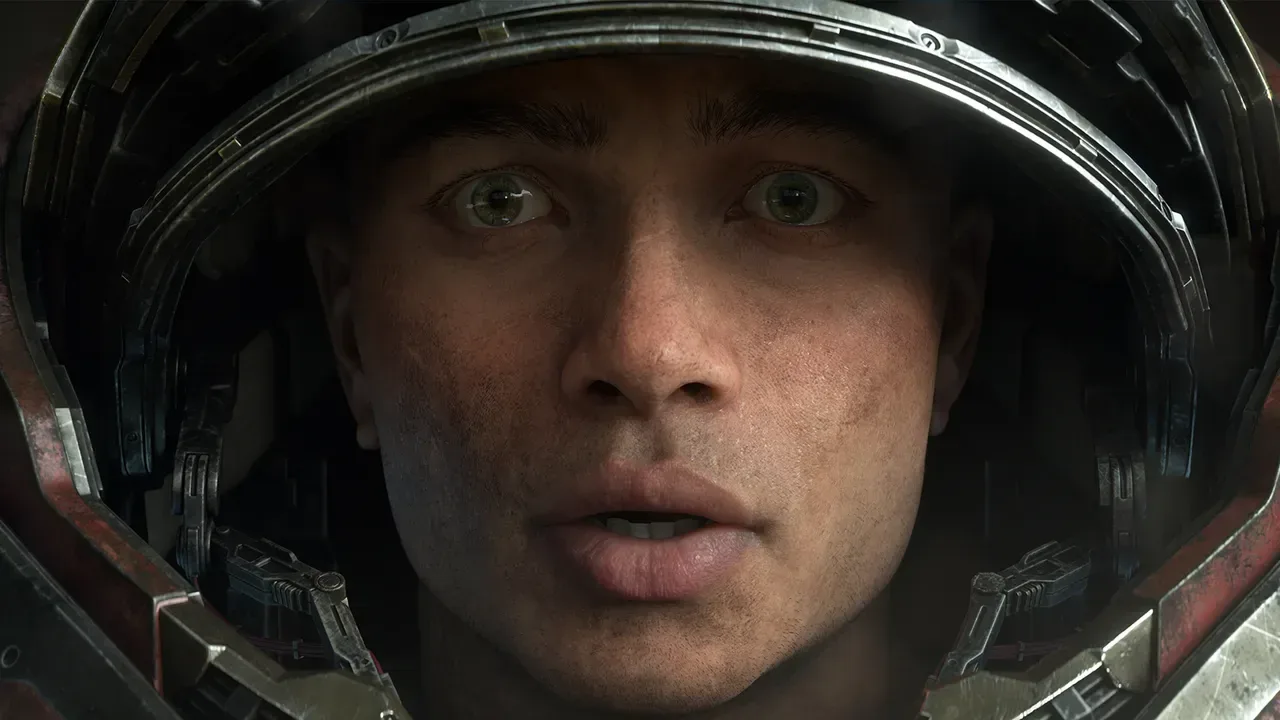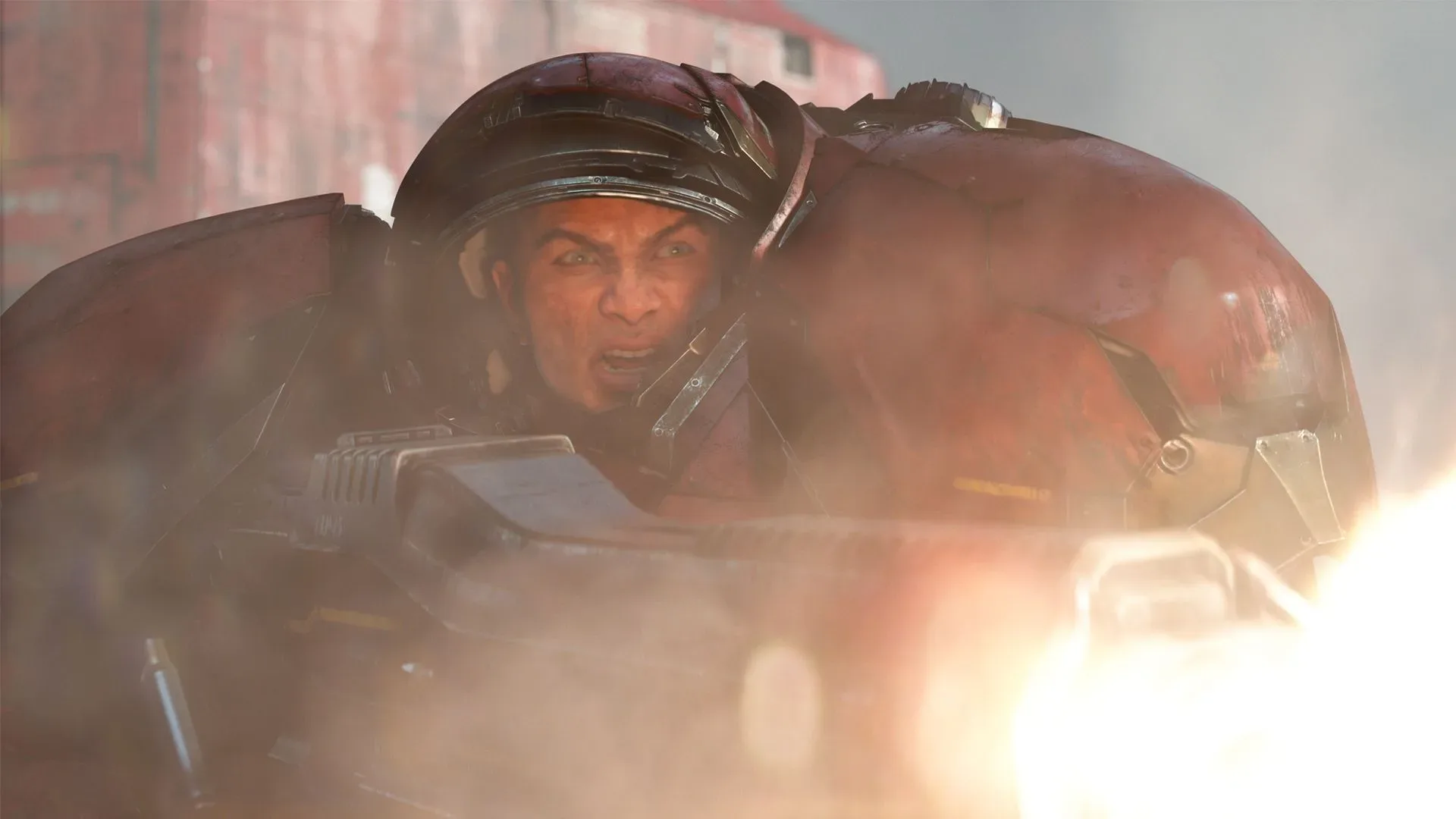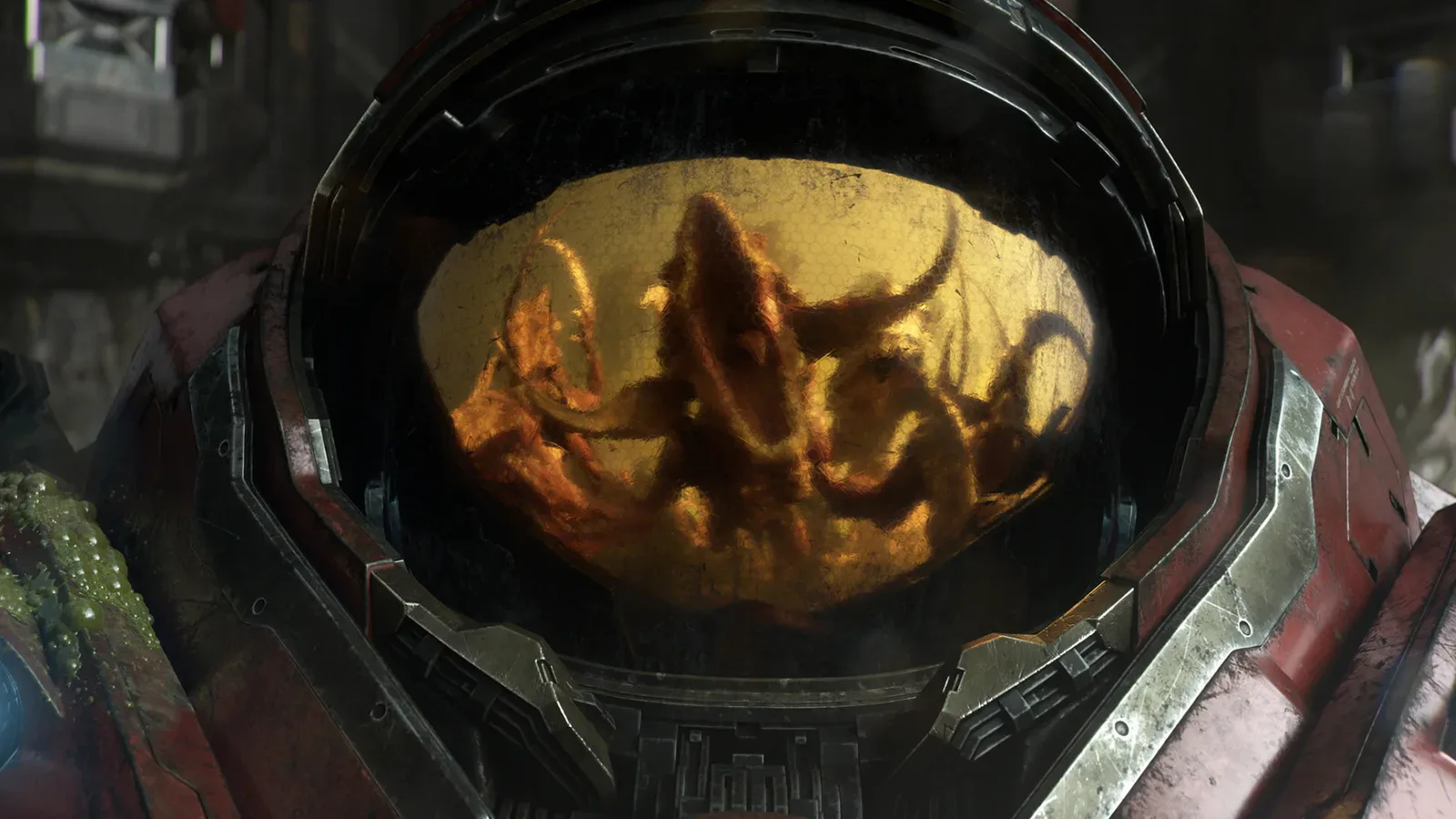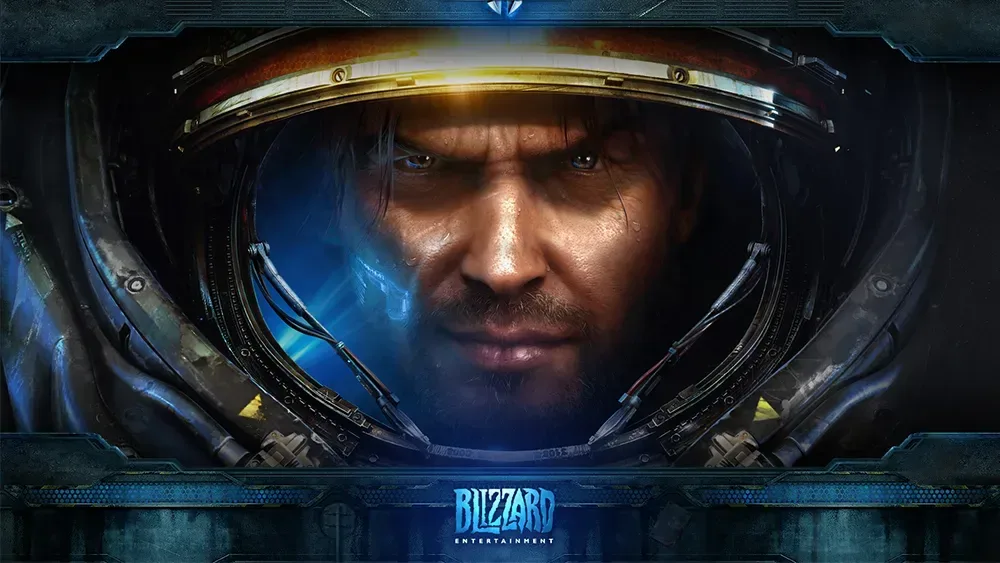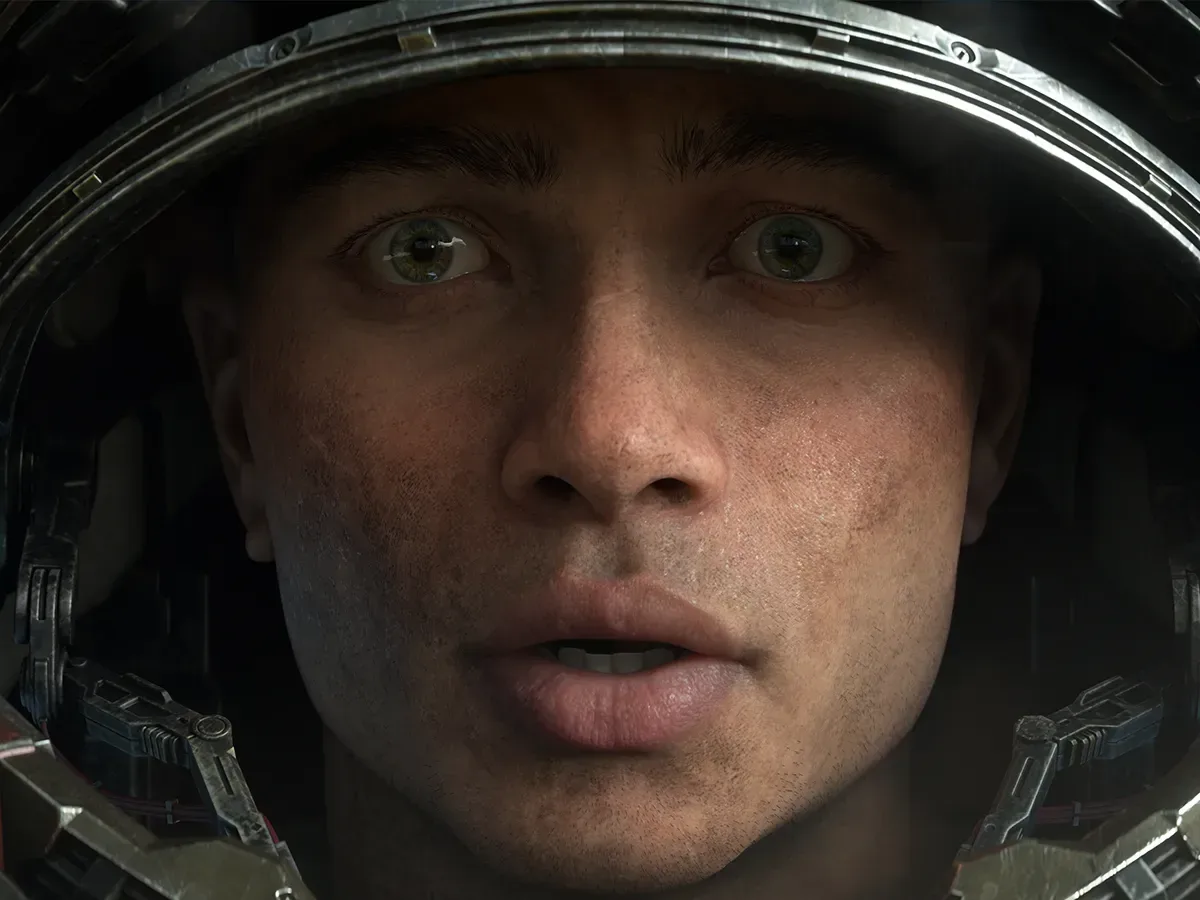
StarCraft is stepping away from the commanding heights of real-time strategy for its next major game. Blizzard has set a firm 2030 release target for a new story-driven open-world shooter set in the franchise’s war-torn science-fiction universe, placing players directly into the conflict rather than above it.
The shift is substantial. StarCraft has long been defined by players gathering resources, placing structures, expanding bases and directing armies across a battlefield. The newly revealed project instead intends to make the world feel immediate: a place of hostile factions, rough conditions, looming creatures and choices made while standing in the mud rather than surveying it from orbit.
Dan Hay, GM and VP of StarCraft, and associate director AnaLee Haertling discussed the project at BlizzCon 2026, explaining that the unusually early announcement and distant date are deliberate. Hay characterized 2030 as a concrete internal goal, not a loose window, and said putting that marker in public gives the development team a target around which to organize.
That does not mean every detail is available. Blizzard has not disclosed how long the current team has been making the game, nor has it announced platforms, pricing, a precise launch day or a full gameplay breakdown. A spring 2030 target has been associated with the project, but fans should treat the broad 2030 timing as the clearest official commitment for now. For more on that date and the reasoning behind it, see StarCraft’s 2030 shooter date and Dan Hay’s confidence in the target.
A release date meant to focus the team
Announcing a game years in advance always creates a difficult balance. It begins a conversation with fans, but it also invites years of scrutiny, rising expectations and questions about whether a project can actually arrive when promised. In this case, Hay’s explanation is unusually direct: the date is meant to create accountability.
Rather than presenting 2030 as a vague aspiration, he described it as a shared destination for the staff. The goal is to concentrate effort on delivering a game that is fun, forceful and built around exploration, while ensuring the schedule remains a tangible constraint. Hay confirmed when pressed that the year is solid.
That language is notable in an industry where release plans can change for countless reasons, including scope adjustments, technical problems and the simple reality that ambitious games take time. A solid target is still not a guarantee that every individual feature discussed during early development will survive to launch. Yet it establishes the project’s current timeline clearly: Blizzard expects this next StarCraft to arrive in 2030.
Hay also said his own desire to make this kind of StarCraft experience reaches back roughly 25 years. That personal history does not reveal the project’s actual production start, but it does frame the game as an attempt to explore an angle of the universe that has apparently been on his mind for decades.
Related coverage includes New StarCraft Open-World Shooter Targets a Firm 2030 Release.
From battlefield commander to boots on the ground
The central creative argument for a shooter is perspective. The traditional StarCraft view turns players into battlefield commanders. They are powerful but distant, able to order troops, construct a base and watch vast engagements unfold from above. The new project wants to reverse that emotional relationship to the setting.
Hay described the desired feeling as being on the ground amid the pressure of war, where each decision has weight. The universe is meant to be difficult and abrasive, populated by competing groups that do not necessarily share goals or values. That framing aligns with a shooter’s strengths: physical scale, direct danger and the sensation of moving through a world that can hurt you.
The team’s early descriptions repeatedly return to exploration, discovery and disruption. Those words establish the broad open-world direction, but they should not be read as confirmation of familiar genre systems such as map markers, crafting, co-op play, loot rarity tiers, character classes or procedural activities. None of those specifics were detailed.
What is clear is that Blizzard sees StarCraft’s factions and environments as material suited to a player-level story. The appeal is not merely carrying a rifle through a recognizable franchise setting. It is meeting the people and groups caught in that setting’s conflicts, seeing their equipment and territory up close, and understanding the stakes from inside the chaos.
Authenticity matters even as the format changes
A radical genre change carries a simple risk: a game can borrow the StarCraft name while losing the traits that make the setting identifiable. Hay said the team has sought out people who know and care about the series, with the aim of retaining that sense of legacy while welcoming people who have never managed a Terran base or memorized a Zerg build order.
The stated standard is recognition. A location such as a bar should feel as though it belongs in StarCraft’s universe. Characters, weapons and armor should similarly communicate the setting’s identity without requiring a lengthy history lesson. It is a challenge of texture as much as lore: industrial spaces, battlefield hardware, alien growth and uneasy human settlements all have to feel part of the same hard-edged future.
This is where the open-world format could either justify itself or struggle. A large map alone will not make the universe feel alive. The promise is that wandering through the setting will reveal the friction between its residents, the scars of warfare and the distinctive visual language fans associate with Terrans, Zerg and Protoss. Blizzard has emphasized that it wants newcomers to feel invited in, while longtime players can recognize the world immediately.
The project’s teaser reportedly provides a glimpse of that approach through a barracks deployment and a planet that appears densely alive with biomass. Those images point toward a world where established StarCraft imagery is not just a backdrop but an active element of the environment.
Hydralisks change when they are at eye level
One especially useful indication of the intended scale involves the Hydralisk. Hay recalled encountering one standing around 10 feet tall and snapping at him while he held a gun and wore armor. In a strategy game, a Hydralisk is a unit among many: dangerous, iconic and often part of a larger force. At close range, that same creature becomes a towering physical threat.
That difference explains much of Blizzard’s reasoning. The new game is designed around tension that comes from proximity. The player is not detached from the battle; they are exposed to it. The scale of an alien enemy, the limits of personal gear and the danger of the surrounding landscape can all land differently when the camera is placed at ground level.
It also offers an opportunity for StarCraft’s famous faction identities to be felt rather than simply read through unit stats. A mass of biomass, an armored soldier, a deployed installation or a hostile creature can communicate something about the setting before a line of dialogue explains it. The developers are clearly holding back most story and mission details, but their comments suggest atmosphere will be fundamental rather than decorative.
Using conflict as an open-world tool
Perhaps the most intriguing gameplay hint is Hay’s description of using one enemy against another. He summarized the idea through a harsh, practical interpretation of “the enemy of my enemy”: not necessarily an ally, but something that can be used.
That suggests faction conflict may be more than background storytelling. Players could potentially create disruptions that alter an encounter by directing hostile forces toward rivals or exploiting the hostility already present between groups. Exactly how that works remains unconfirmed. Blizzard has not explained whether these interactions are scripted, systemic, repeatable, mission-specific or governed by a reputation system.
Still, the concept fits both StarCraft and the stated open-world ambitions. The franchise has always been full of factions with conflicting agendas, shifting pressures and dangerous tools. Translating that into a shooter could give players more options than simply clearing every threat in sight. It could also make exploration feel consequential, assuming the final design delivers on the flexibility being teased.
For now, the announced game remains an early look at a major reinvention: StarCraft as a grounded, open-world shooter where a player confronts an enormous Hydralisk, navigates active faction warfare and searches for leverage in a hostile universe. Blizzard has set its target at 2030. The long wait leaves ample room for questions, but the direction is already clear: this is meant to make StarCraft feel much closer, dirtier and far less distant.