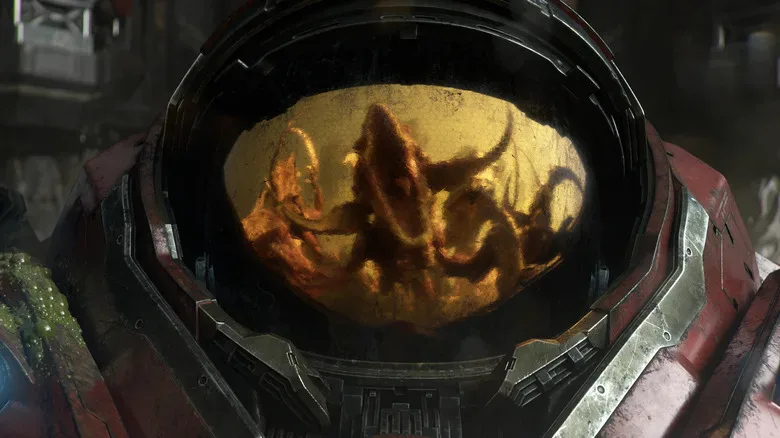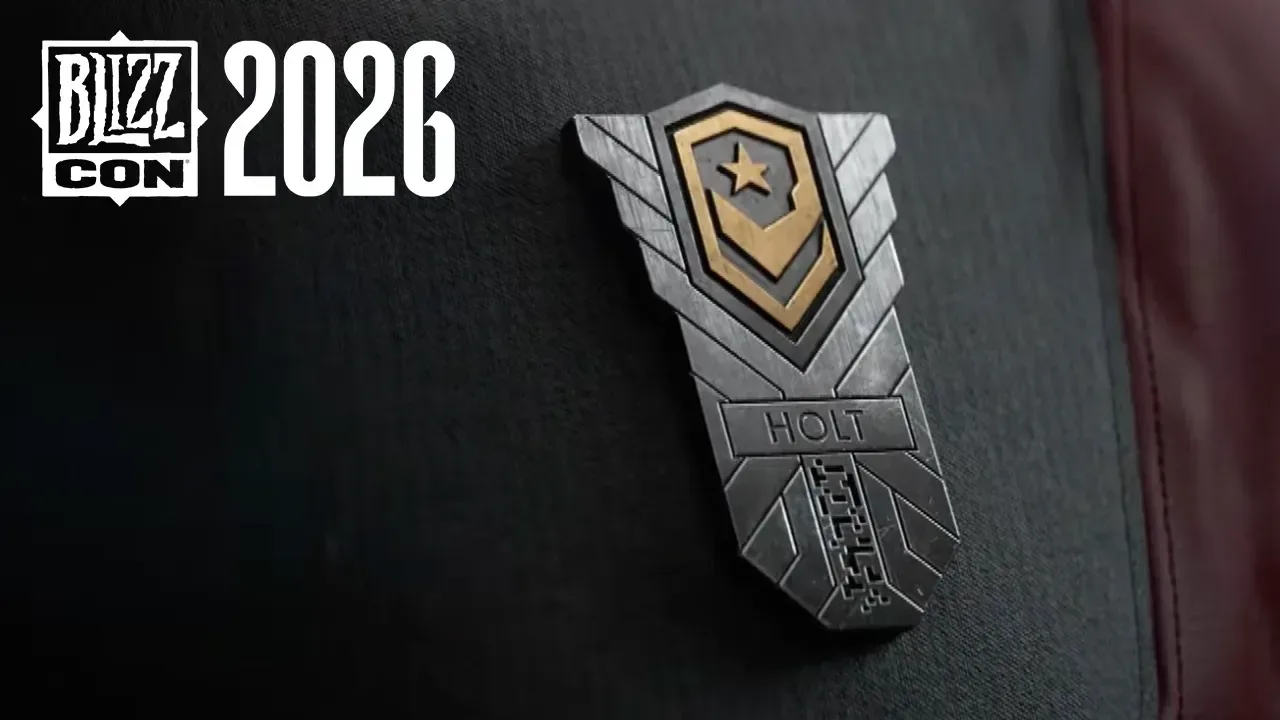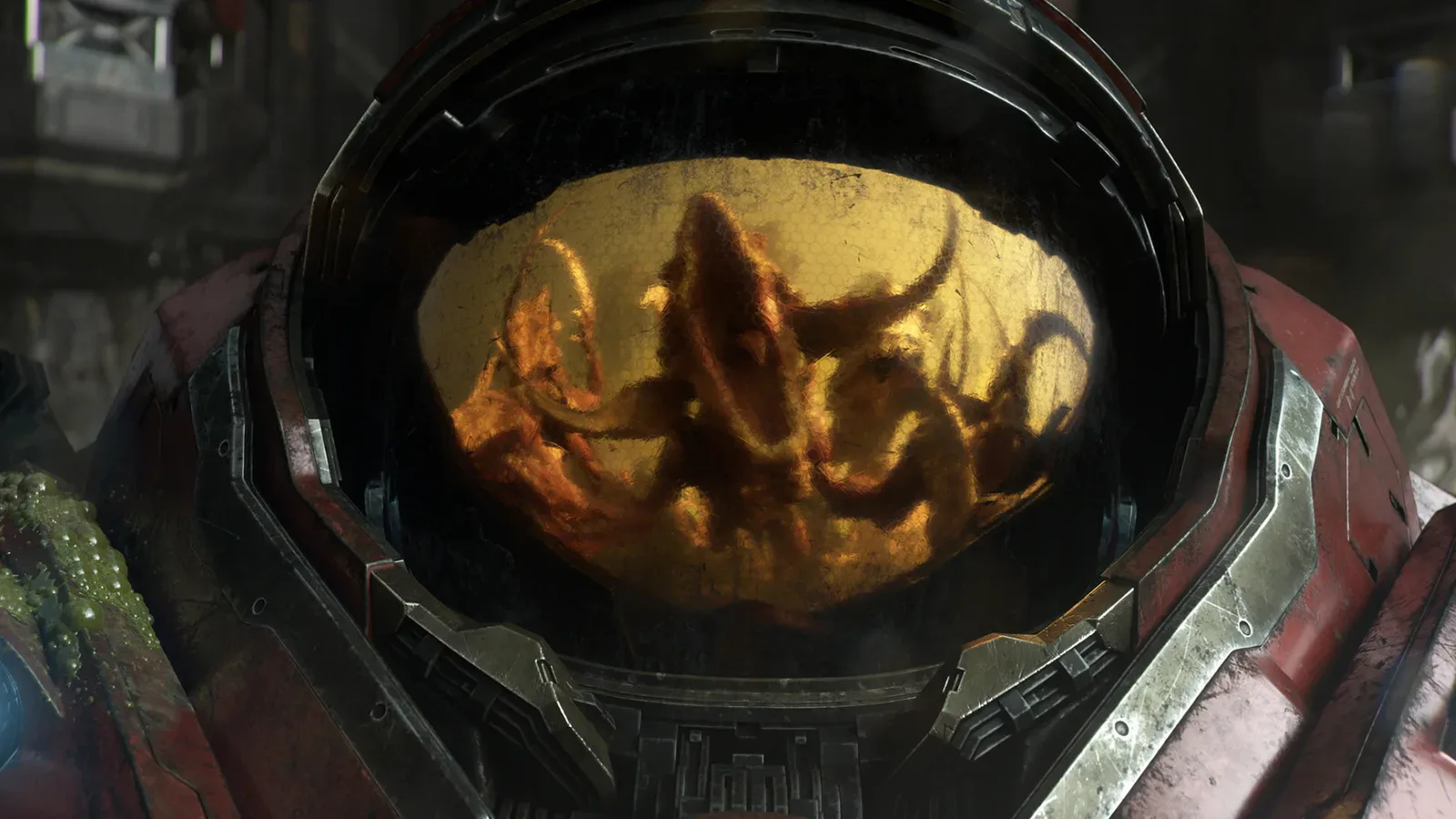
StarCraft is coming back, though the reunion invitation comes with an unusually large gap between the trailer and the actual party. At BlizzCon 2026, Blizzard revealed a new game simply titled StarCraft, describing it as a story-driven open-world shooter with a planned launch window of spring 2030.
The reveal is significant for a series that has spent a long time in strategic limbo. It has been nearly a decade since the franchise’s last release, the 2017 remaster of the original StarCraft, and 16 years since StarCraft II arrived. For fans accustomed to surveying a battlefield from orbit, the prospect of entering the universe through a shooter is a major change in viewpoint—and the wait will be long enough to build several command centers.
A StarCraft shooter is no longer just a rumor
The announcement was accompanied by a cinematic trailer rather than a gameplay demonstration. That matters because the confirmed description is still focused: this is a story-driven open-world shooter, and it is currently set for spring 2030. No platforms, pricing, gameplay systems, playable factions, multiplayer plans, or other release details were included in the available announcement information.
Even so, the words “open-world shooter” immediately set this project apart from the core identity of StarCraft. The original game and its sequel are foundational real-time strategy titles, built around gathering resources, expanding bases, commanding armies, and making fast decisions across the battlefield. A shooter inherently moves the player closer to the action. An open-world structure suggests room to explore rather than a strictly mission-by-mission route. “Story-driven” further indicates that narrative will be central to the experience, rather than merely a frame around competitive matches.
Those descriptions establish a direction, not a complete design document. It would be premature to assume exactly how exploration, combat, progression, missions, or the series’ famous Terran, Zerg, and Protoss conflict will work. A cinematic reveal can communicate mood and intent, but it cannot yet answer the practical questions that players will have about the game in their hands. Blizzard has confirmed the broad format and release target; the finer details remain to be revealed.
Why this announcement carries extra weight
StarCraft has never lacked for a universe that could support stories outside its traditional strategy format. Its science-fiction setting has long revolved around distant planets, military forces, alien species, covert operations, and escalating conflicts. Those ingredients naturally make people wonder what a ground-level game in the setting might look like. But possibility is not the same as confirmation, and for years the notion of a StarCraft shooter existed mainly as a recurring conversation rather than a finished public project.
Reports and rumors about shooter projects connected to StarCraft have circulated over the years, with multiple efforts said to have ended during development. Discussion resurfaced around one such project in 2024. That history explains both the excitement around a formal reveal and the understandable caution surrounding it. This time, there is a cinematic trailer, an official game title, a genre description, and a target season and year. That is considerably more concrete than a rumor, while still leaving a great deal of development time between now and launch.
Spring 2030 is not a near-term promise. It is a target roughly four years beyond the 2026 reveal, a period in which ambitious games can change dramatically. Features can be revised, teams can rethink scope, and release schedules can move. The sensible reading is straightforward: Blizzard has publicly committed to the project’s existence and stated its current launch goal, but players should treat any unconfirmed specifics as unknown rather than filling in the blanks themselves.
Related coverage includes StarCraft Returns as a Story-Driven Open-World Shooter, Targeting Spring 2030.
The new mission has been announced, but the drop window remains far over the horizon.
Not necessarily “StarCraft 3” in the traditional sense
It is tempting to label every major return as StarCraft 3, particularly after such a lengthy absence. Yet Blizzard has presented this game under the simple name StarCraft and characterized it as a shooter, not as a new real-time strategy sequel. That distinction is worth maintaining. A franchise can advance its universe without continuing the exact numbered format that made it famous.
For now, calling it a new StarCraft game is the most accurate description. The announcement does not establish it as the next RTS chapter, nor does it spell out whether it connects directly to any particular campaign, character, or period in the existing timeline. The name itself signals the scale of the project’s ambition: rather than presenting the shooter as a small side experiment, Blizzard is putting the franchise name front and center.
That approach also creates a difficult expectation balance. Longtime strategy players may be watching for signs that the original genre still has a future, while players who have always been curious about the setting may see an accessible new entry point. An open-world shooter does not need to replace real-time strategy to justify its existence, but it will inevitably be judged against one of PC gaming’s most influential strategy legacies.
The Blizzard slate is looking far ahead
The long-range StarCraft window fits a broader pattern of major Blizzard projects being positioned well into the future. The publisher has also set Diablo V for a spring 2029 target, placing another enormous series return on a similarly distant calendar. For audiences, that means the announcements offer something meaningful to anticipate, but not something to expect next season.
There is a practical upside to that candor. A spring 2030 date is far more informative than a vague promise that a game exists somewhere in the development pipeline. It gives fans a clear sense of the project’s likely distance while avoiding the pretense that it is around the corner. The downside, naturally, is that even a polished cinematic trailer cannot make four years feel short.
What is confirmed, and what is still unknown
As excitement grows, separating the actual announcement from speculation will be especially useful. Here is the current state of play:
- Confirmed: Blizzard revealed a new game titled StarCraft at BlizzCon 2026.
- Confirmed: It is described as a story-driven open-world shooter.
- Confirmed: The project is targeting spring 2030.
- Confirmed: The reveal used a cinematic trailer.
- Unknown: Platforms, gameplay specifics, characters, factions, campaign structure, and multiplayer details have not been provided in the available information.
- Unknown: Whether the spring 2030 target will remain unchanged throughout the long development period.
For a franchise that has gone so long without a brand-new release, the announcement alone is a meaningful event. The move toward a story-driven open-world shooter is bold, the universe has years of history to draw from, and the confirmation ends at least one major uncertainty: StarCraft is not being left entirely behind.
Still, the calendar is doing a lot of the work here. The new mission has a destination, but it is traveling at a pace that would make even a patient Protoss reconsider the warp route. Until Blizzard shares gameplay and more concrete details, spring 2030 remains both the most exciting part of the reveal and the clearest reminder that this return is only just beginning.